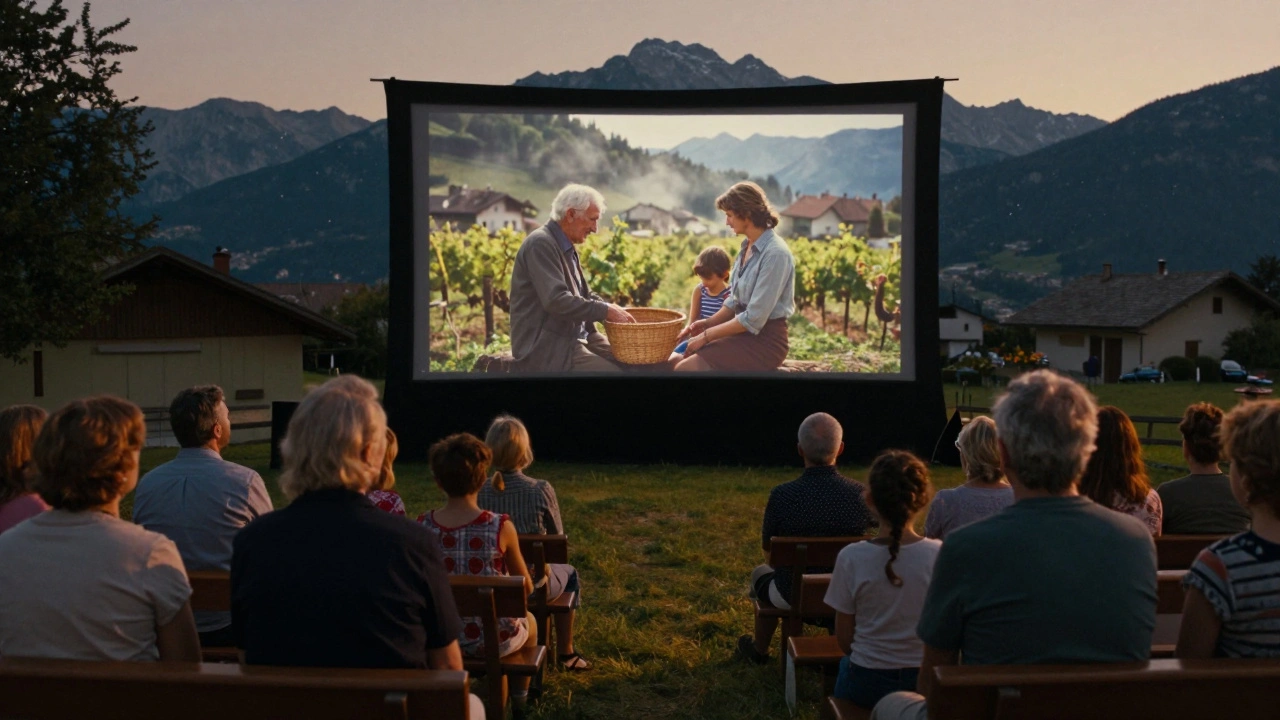
Every year, from the snow-dusted streets of Berlin to the sun-baked plazas of San Sebastián, hundreds of regional films find their way onto international screens-not through Hollywood pipelines, but through the quiet, powerful engines of European film festivals. These aren’t just glitzy premieres or red-carpet events. They’re the lifelines for filmmakers who never expected their stories to leave their villages, towns, or dialect-speaking regions. In a world where streaming algorithms push the same blockbusters everywhere, these festivals are the last real places where local voices don’t just survive-they rise.
What Makes a European Festival Different?
Not all film festivals are created equal. Cannes has its prestige. Venice has its history. But the real magic happens in places like Locarno, Karlovy Vary, or Thessaloniki-festivals that don’t chase global stars, but instead build platforms for films that would otherwise vanish into obscurity.
Take the Locarno Film Festival a Swiss-based festival founded in 1946, known for championing experimental and regional cinema with its Piazza Grande open-air screenings. In 2024, it awarded its top prize to a 78-minute film shot entirely in a rural dialect of Friulian, spoken by fewer than 600,000 people in northern Italy. The director, a first-time filmmaker from a village with no cinema, had never left the region before the festival. That film went on to screen in 17 countries, including Japan and Mexico, thanks to Locarno’s international industry network.
This isn’t luck. It’s strategy. European festivals operate under public funding models that prioritize cultural diversity over box office returns. Unlike commercial festivals, they’re not pressured to book stars or sell tickets. Instead, they’re tasked with representing national and regional identities. That means they actively seek out films in minority languages-Basque, Sámi, Romani, Occitan-and give them the same platform as French or German-language films.
The Role of Public Funding and Policy
The European Union’s Creative Europe program funnels over €1.5 billion annually into cultural projects, with film festivals receiving a significant slice. This isn’t charity-it’s policy. The EU sees cinema as a tool for preserving linguistic diversity. In 2023, 38% of films selected for the main competition at the Berlin International Film Festival Germany’s largest public film festival, established in 1951, with a strong focus on political and socially engaged cinema were made in languages other than German, English, or French.
Each EU member state has its own funding rules. In France, the CNC (Centre national du cinéma) requires that 10% of its annual film subsidies go to regional productions. In Spain, the ICAA allocates grants specifically for films shot in Catalan, Galician, or Basque. These aren’t just grants-they’re legal requirements tied to public money. That means a small town in the Pyrenees can get €200,000 to make a film in Aranese, a language spoken by fewer than 1,000 people.
The result? A steady stream of films that feel raw, specific, and deeply rooted. A 2025 study by the European Audiovisual Observatory found that films backed by regional funding were 3.2 times more likely to be acquired by international distributors than those funded solely by private investors.
How Regional Films Go Global
It’s not enough to screen a film in a small town. To reach global audiences, it needs to be seen by buyers, critics, and curators who can carry it forward. That’s where the festival circuit becomes a pipeline.
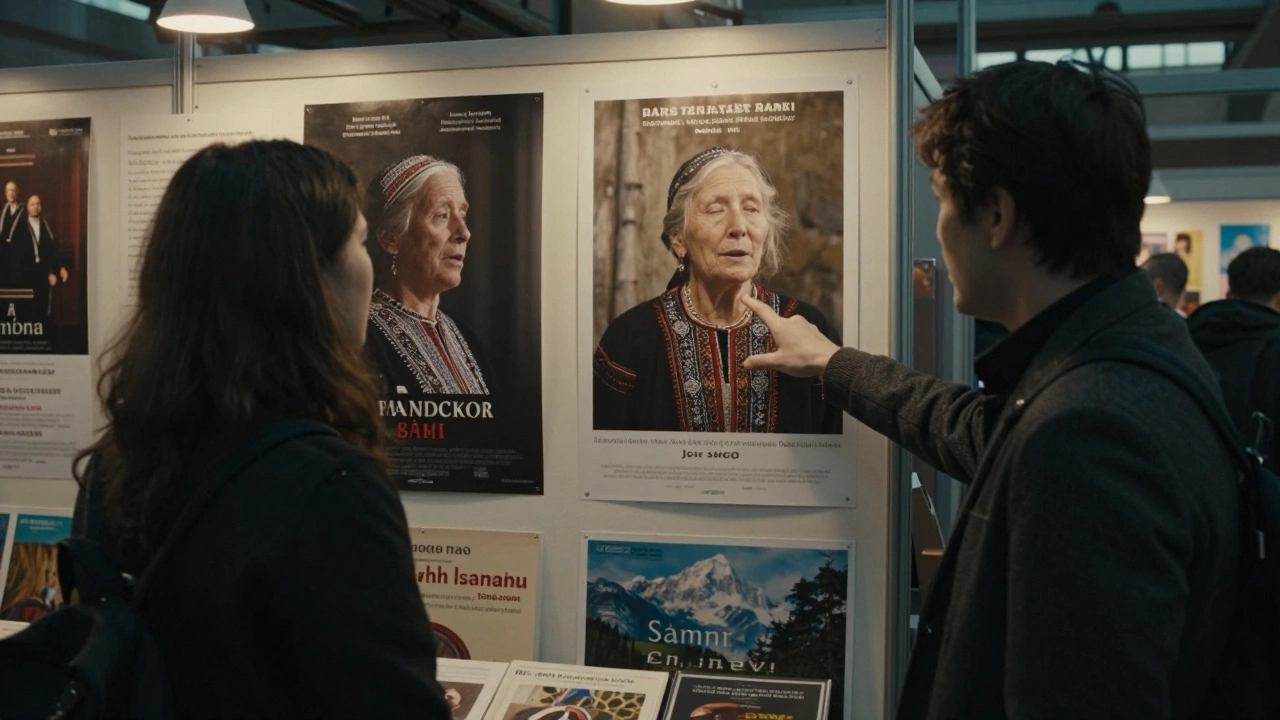
Here’s how it works: A filmmaker from the Azores makes a documentary about disappearing fishing traditions. They submit it to the Vila do Conde International Film Festival Portugal’s oldest regional festival, founded in 1997, focused on Atlantic coastal cultures. It wins a prize. The festival’s industry market, Porto Film Market, connects the director with a sales agent from London. The agent then pitches it to the Toronto International Film Festival, where a U.S. distributor picks it up. Within six months, it’s on Hulu, MUBI, and in art house theaters across Canada and Australia.
This pipeline doesn’t exist for most independent films worldwide. But in Europe, it’s institutionalized. Festivals like Cinéma du Réel Paris-based documentary festival with a strong focus on ethnographic and regional storytelling and Jihlava IDFF Czech Republic’s leading documentary festival, known for spotlighting Eastern European regional narratives have built relationships with over 200 international distributors. They don’t just show films-they sell them.
The Power of Language and Identity
One of the most striking things about these films is how they refuse to translate their essence. Many don’t use subtitles. Or they use partial subtitles, leaving phrases in the original tongue. Why? Because the language isn’t just a tool-it’s the point.
A film from the Basque Country might show a grandmother telling a folktale in Euskara. The audience doesn’t understand every word. But they feel the rhythm, the emotion, the weight of a language that was banned under Franco. That moment doesn’t need translation. It needs presence.
According to data from the European Film Academy Organization that honors excellence in European cinema, with a strong advocacy role for regional and minority-language films, films in minority languages have seen a 47% increase in international festival participation since 2020. That’s not because audiences suddenly became curious about Occitan-it’s because festivals made space for them.
And it’s working. In 2025, a film shot in the Sámi language of northern Norway became the first Indigenous-language film ever nominated for the European Film Award for Best Picture. It didn’t win. But it was nominated. That alone changed the game.
Why This Matters Beyond Europe
These festivals aren’t just about European identity. They’re a blueprint. In the U.S., Indigenous filmmakers still struggle to get funding. In Australia, Aboriginal stories are often filtered through non-Indigenous directors. In Africa, regional dialects rarely make it past national borders.
Europe’s model shows it’s possible: public funding, festival networks, and institutional support can lift stories that the market ignores. It’s not about making films that appeal to everyone. It’s about making films that are true to one place-and trusting that truth will resonate everywhere.
The global film industry is shifting. Algorithms are tired of the same stories. Audiences are hungry for something real. And the most powerful source of that realness isn’t in Los Angeles or London-it’s in a village in the Apennines, a fishing port in the Baltic, or a mountain hamlet in the Carpathians.
What’s Next?
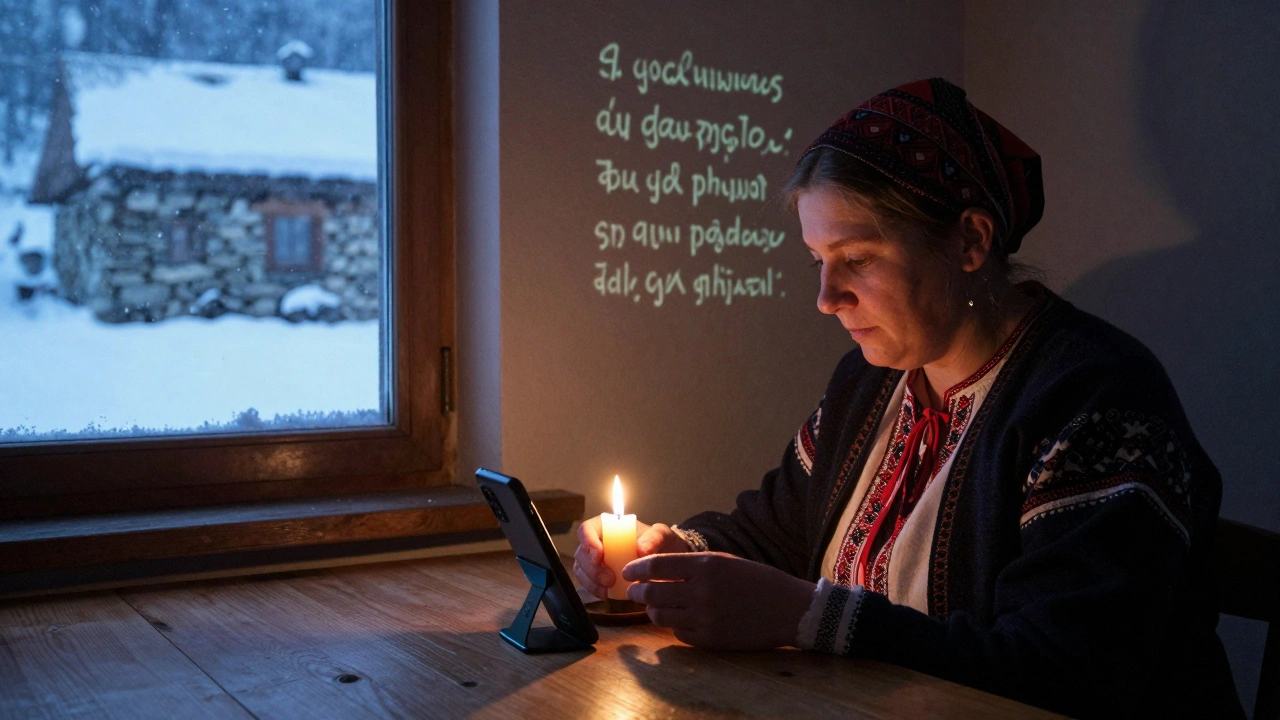
The next wave of regional cinema won’t come from big studios. It’ll come from teenagers with smartphones filming their grandparents’ stories. From community radio stations funding short films. From small towns that decide their local culture is worth preserving on screen.
And the festivals? They’ll still be there. Not as gatekeepers, but as bridges. Connecting the quietest voices to the widest audiences. Because cinema isn’t about scale. It’s about sincerity. And in Europe, sincerity still has a seat at the table.
How do regional film festivals get funding?
Most European regional film festivals are publicly funded through national arts councils, EU programs like Creative Europe, and local government grants. Unlike commercial festivals, they don’t rely on ticket sales or sponsorships. For example, the French CNC allocates 10% of its film budget to regional productions, while the German Federal Cultural Foundation supports minority-language cinema directly.
Can films in minority languages really reach global audiences?
Yes. In 2024, films in languages like Sámi, Basque, and Friulian were picked up by distributors in the U.S., Japan, and Brazil. Festivals like Locarno and Berlin actively connect these films with international buyers through industry markets. The key isn’t translation-it’s curation. Audiences respond to emotional truth, even when they don’t understand every word.
Are European festivals biased toward certain countries?
There’s a bias toward Western Europe, but not as much as you’d think. Festivals like Jihlava (Czech Republic) and Thessaloniki (Greece) prioritize films from Central and Eastern Europe. In 2025, over 40% of films in competition at Karlovy Vary came from non-EU countries like Georgia, Moldova, and Ukraine. The goal is regional representation, not national dominance.
Do these festivals only show documentaries?
No. While documentaries are common due to lower budgets and stronger ties to cultural preservation, narrative fiction films dominate many competitions. In 2025, the Berlinale’s Panorama section featured a romantic comedy filmed entirely in Luxembourgish. The Locarno Festival has awarded top prizes to genre films, including horror and sci-fi, as long as they’re rooted in local identity.
How can independent filmmakers submit to these festivals?
Most European regional festivals have open submission windows between September and December. Fees are often low (€20-€50) and waived for filmmakers from underrepresented regions. Submission portals are listed on each festival’s official website. Many also offer mentorship programs for first-time directors, especially those working in minority languages.






Comments(5)