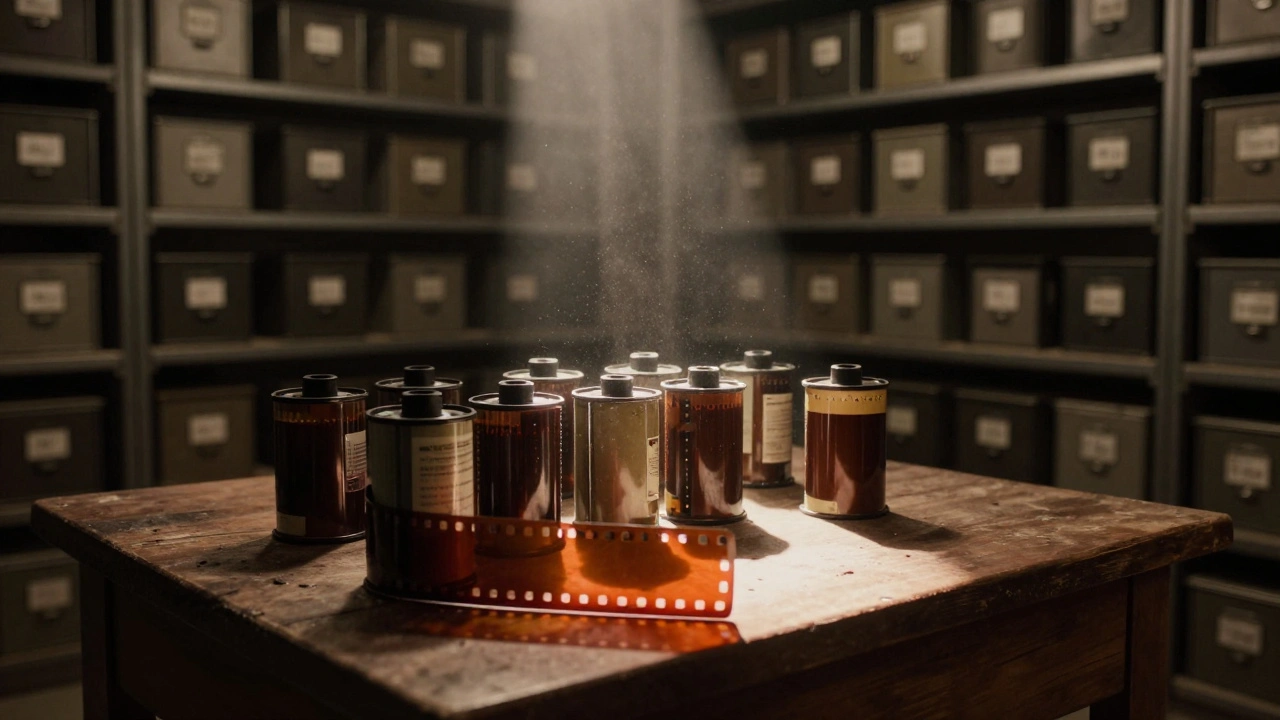
You smell that? That distinct scent of vinegar and old dust when a projector starts spinning. It's the aroma of survival. Most people think old movies vanish into thin air, but they actually turn into ash. Exploitation Cinema is a subgenre of independent film characterized by sensational subject matter and low budgets. These movies were often made to sell tickets quickly, not to last forever. Yet, thanks to dedicated archivists, we can still watch them. In 2026, seeing these restored gems isn't just nostalgia; it's recovering lost history.
Defining the Uncomfortable Genre
Exploitation films typically feature Grindhouse material designed to push boundaries. Think of double features in the 1970s where you could walk in and see something shocking. They aren't always about violence, though. Sometimes they focus on social taboos, drugs, or horror themes mainstream studios ignored. The goal was profit through shock value. You'd see a movie poster screaming warnings about "gory mayhem" even if the film itself was surprisingly tame.
This genre exists outside traditional studio distribution systems. Big companies like Paramount or Warner Bros focused on safe bets. Independent producers took the risk. They used whatever money they had left over after paying actors. Often, production happened in weeks instead of years. Because of this rush, the physical quality of the film stock varied wildly. Some prints were shot on professional film, while others were captured on cheap consumer-grade tape later transferred to film.
The Physical Reality of Decay
If you own an old family photo, you worry about fading colors. For movies, the threat is much faster. The original camera negative is often made of Nitrate Film, a highly flammable chemical base invented early in the 20th century. It literally rots. When it decomposes, it releases nitrogen oxides which accelerate further decay. This process is sometimes called the "vinegar syndrome." Once it starts, the emulsion cracks and turns to powder.
Imagine finding a box labeled "Master Print 1968" in a basement storage unit. If it smells sharp and sour, you're too late. Archiving requires constant monitoring. Temperature control keeps things cool enough to slow down chemistry reactions, but humidity must stay stable too. Too dry makes the film brittle; too wet encourages mold growth. These conditions are expensive to maintain. Many archives operate on shoestring budgets while trying to save the next batch of classics.
How We Bring Dead Movies Back
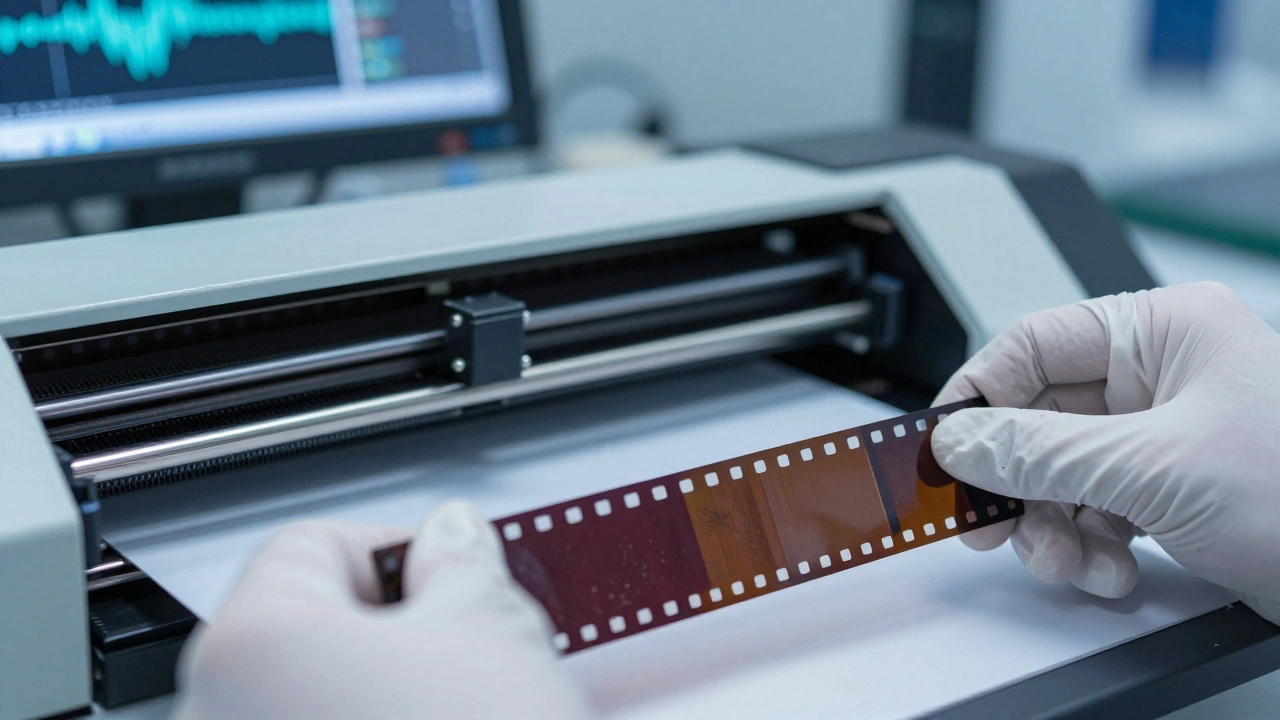
Restoration isn't magic. It's physics and software combined. First, technicians physically clean every frame. Dust particles cause scratches during projection. They wash the reel in specialized solutions. Then comes scanning. High-resolution scanners digitize the image at 2K or 4K resolution. This step captures every detail before the print degrades further.
- Digital Cleaning: Software removes dirt, scratches, and flickering frame-by-frame.
- Color Correction: Faded tints are reconstructed based on original laboratory logs.
- Sound Remastering: Audio tracks often suffer from hiss or loss of frequency range. Engineers rebuild missing bass or remove background hum.
- Visual Effects: Occasionally, digital compositing fixes large tears or missing frames using adjacent footage.
This process is labor-intensive. One minute of film contains 1,800 individual frames. A two-hour movie means 216,000 separate images to check and repair. Volunteers often help identify damage patterns. Community feedback helps spot errors that automated software misses. Human eyes catch continuity issues machines ignore.
Key Players in Preservation History
We didn't arrive here by accident. Specific figures fought for these rights back when nobody cared. Roger Corman stands out immediately. He produced hundreds of low-budget sci-fi and horror movies. More importantly, he realized the value of his library later in life. Instead of letting his catalog rot in warehouses, he actively licensed them to distributors who understood their worth. His influence created a market demand that made restoration financially viable for others.
Studios like American International Pictures built entire business models around drive-in culture. They released double-bills aimed at teenagers who wanted thrills parents wouldn't allow them to see. Today, organizations like the Criterion Collection specialize in digging up these hidden treasures. They don't just re-release DVDs. They commission 4K transfers and include interviews with surviving crew members. Their work sets the bar for quality.
| Method | Cost Level | Result Quality | Best Used For |
|---|---|---|---|
| Film Scanning | High | Original Film Grain Retained | Negatives still intact |
| Video Transfer | Low | Visible Softness/Artifacts | Broadcast masters only |
| Chemical Washing | Medium | Prevents Future Decay | Physical element cleaning |
Where Rights Get Complicated
Finding a print is one thing. Proving someone owns it is another nightmare. Copyright law in the United States changes frequently. Works created by employees for hire usually belong to the company. Personal works often revert to heirs after 95 years. With exploitation films, paperwork gets messy fast. Contracts were handwritten napkins signed in parking lots decades ago.
Some films became public domain simply because owners abandoned them. This leads to a strange paradox. Public domain means anyone can show the movie. It does not mean anyone can restore it easily because funding relies on exclusive licensing. Distributors won't spend $50,000 fixing a movie if everyone else can stream it for free immediately.
However, some creators now release their work openly. The open-source community applies the same philosophy to code as archivists apply to film. By sharing tools, we lower the barrier for entry. Small fansubs exist solely to preserve culturally significant content until official bodies get involved. Ethical debates surround this, but the result is keeping the work alive.
Modern Platforms and Accessibility
In the year 2026, how you watch matters less than whether the file exists. Streaming services compete on unique libraries. Shudder focuses on horror and cult cinema. They frequently partner with archives to secure rights for regional releases. While Netflix offers broad catalogs, niche genres often remain fragmented across smaller platforms. Physical media sales continue strong among collectors. 4K Ultra HD discs provide the best color fidelity available today.
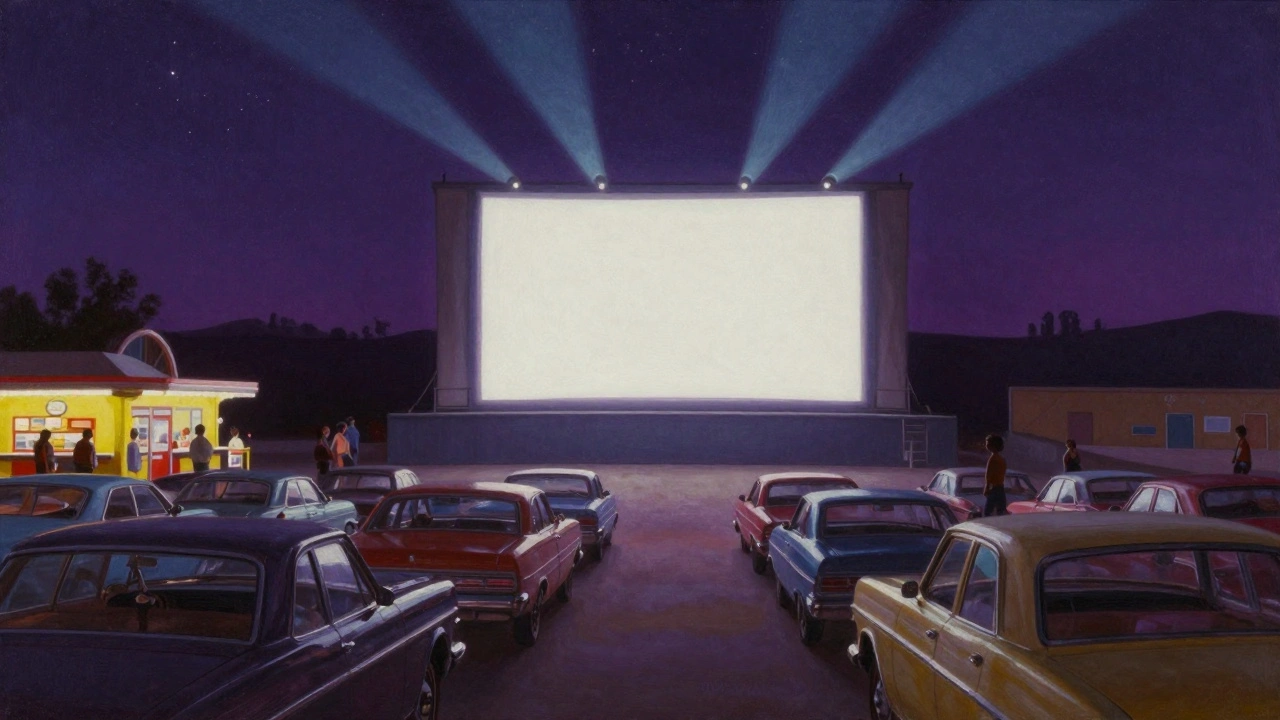
Drive-in theaters are making a comeback too. After the pandemic restrictions, people rediscovered outdoor viewing. Owners of local drives often screen restored classics to attract audiences. The format mimics the original experience where these films premiered. Projectors beam light onto a massive screen under the stars. Sound plays through car speakers. It creates a communal bond rare in isolated home streaming setups.
Preservation Ethics and Cultural Memory
Why should we care about bad taste? Art reflects society's anxieties. Exploitation movies capture moments of social unrest perfectly. They document fashion slang, street slang, and fears regarding technology during specific eras. A zombie film from the 1980s tells us more about Cold War anxiety than a polished drama might. If we delete these films, we lose the context needed to understand that decade fully.
There is also the argument of representation. Mainstream Hollywood rarely gave roles to minority actors in lead positions during this period. Exploitation productions filled that void. Low barriers to entry meant more diverse voices found ways to tell stories. Ignoring these films erases those contributions. Restoration efforts honor those unseen directors and writers who worked outside the system to share their vision.
Is watching a bootleg copy legal?
Generally, no. Even if a film appears lost, copyright laws protect ownership status. Watching pirated copies violates intellectual property rights, regardless of whether the owner is currently profiting. Legal options often appear once a distributor finds the film.
How long do restored digital files last?
Digital data decays differently than film. Hard drives fail. File formats become obsolete. Experts recommend migrating files to new storage hardware every five to seven years to ensure long-term accessibility.
Can I donate my old movie collection?
Many film schools and university archives accept donations. Check with local institutions first. They need original cans more than VHS tapes, especially if the print quality is decent.
Why do some restored movies look different?
Restorations aim for accuracy. Sometimes color grading changes significantly compared to TV broadcasts. Directors often approve a master version that corrects lighting errors introduced in older analog transfers.
Who pays for expensive restoration projects?
Major corporations fund popular titles to sell DVDs or license streaming rights. Grants from government arts councils support historically significant but less profitable films.



Comments(6)