What’s coming in 2025? The documentary landscape is shifting fast.
This year, film festivals aren’t just showing films-they’re spotlighting urgent stories that changed how we see the world. From climate activism in the Arctic to underground music scenes in Lagos, the best documentaries premiering in 2025 don’t just inform. They pull you into lives you’ve never lived. And they’re not waiting for streaming platforms. They’re hitting Sundance, Cannes, and TIFF first.
Forget the usual suspects. The documentaries making waves this year aren’t just well-shot. They’re built on access few filmmakers ever get. Think: secret recordings from inside a factory strike in Poland, raw footage of a refugee camp being dismantled by drone, or a 10-year archive of a single family navigating gender identity in rural Brazil. These aren’t interviews with experts. These are voices that weren’t meant to be heard.
‘The Last Ice’ - Climate Change Through the Eyes of Indigenous Hunters
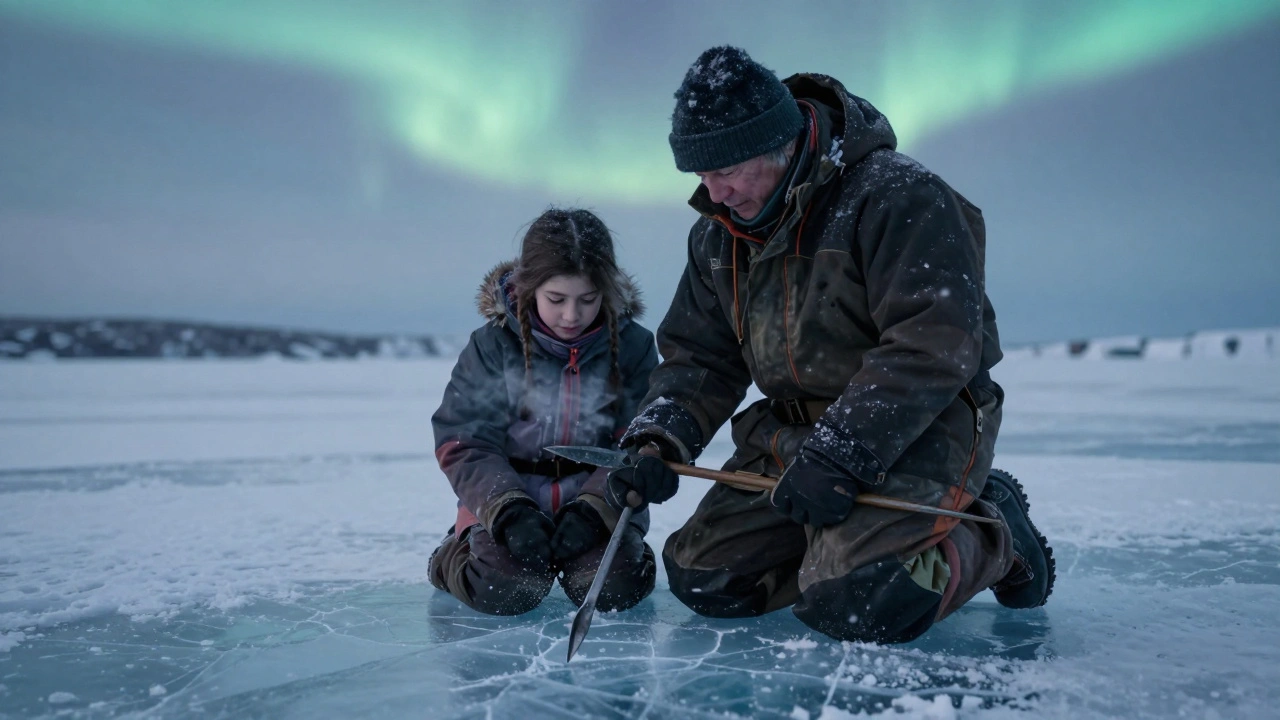
At Sundance, The Last Ice will debut as the most anticipated environmental doc of the year. Shot over four winters across the Canadian Arctic and Greenland, it follows Inuit hunters who’ve spent their lives reading ice patterns. Now, they’re watching those patterns vanish.
The film doesn’t use graphs or scientists talking about ppm. Instead, it shows a 72-year-old hunter, Aqqaluk, teaching his 12-year-old granddaughter how to read cracks in the ice. He tells her: "This used to take three weeks to freeze. Now it takes three days-and it breaks before we can cross." The camera lingers on his hands, cracked and cold, holding a harpoon that’s been in his family for five generations.
Director Lena Voss spent 18 months living in Igloolik, sleeping in the same igloo as the families she filmed. She didn’t bring a translator. She learned Inuktitut. The result? A film that feels less like a documentary and more like a whispered warning.
‘Lagos Sound’ - How a City’s Music Became a Revolution
At Cannes, Lagos Sound will premiere as the most electric music documentary since 20 Feet from Stardom. It traces the rise of Afrobeats from underground house parties to global charts-but not the version you hear on Spotify.
The real story starts in 2018, when police shut down a warehouse party in Surulere where young producers were blending highlife, juju, and trap. What followed wasn’t just a crackdown. It was a cultural rebellion. The film shows producers hiding hard drives in bread loaves, recording on phones during power outages, and smuggling tracks out via USB sticks hidden in shoes.
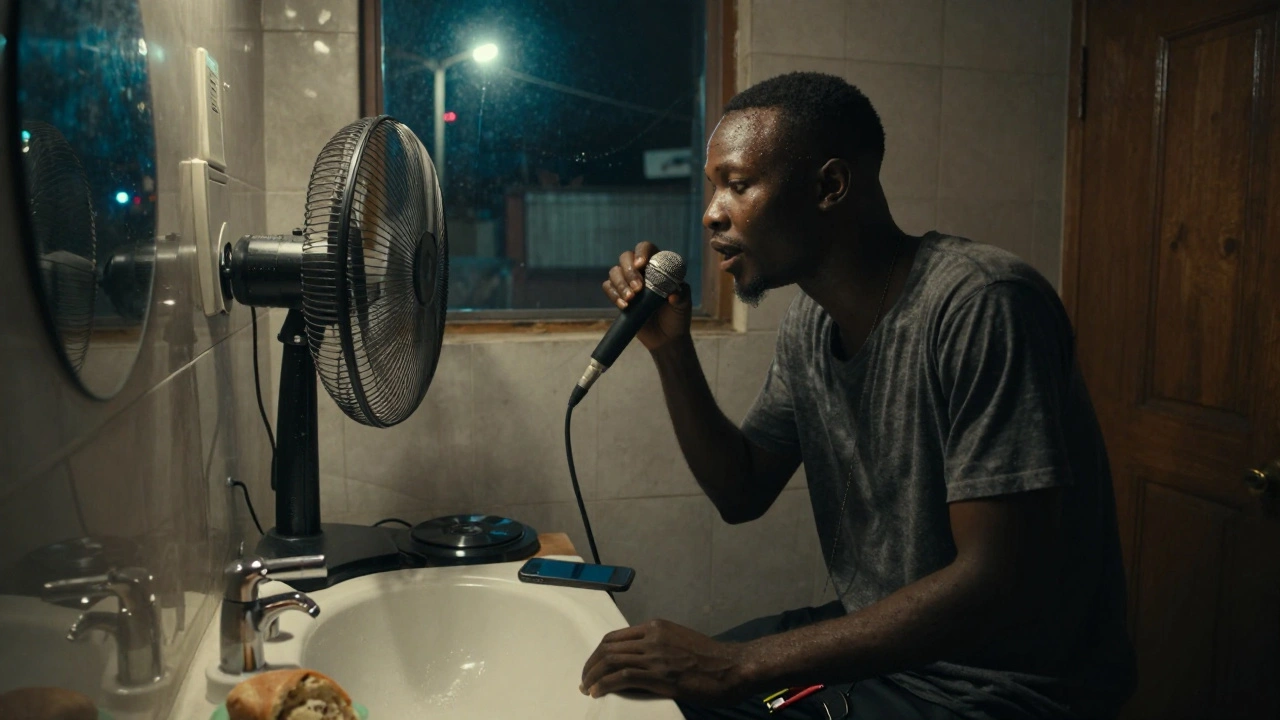
One producer, Tolu "Mystic" Adeyemi, was arrested three times. Each time, he came out with a new beat. The film includes never-before-seen clips of him recording in a bathroom with a single mic and a fan running to drown out noise. By 2024, his track "Omo Oga" had 1.2 billion streams. But the documentary doesn’t end with fame. It ends with him back in the same bathroom, working on a new track-this time for his daughter.
‘The Factory Floor’ - Workers Who Recorded Their Own Exploitation
At TIFF, The Factory Floor will shock audiences with something no studio could replicate: footage shot entirely by workers inside a Chinese electronics plant.
Over 14 months, a group of 17 assembly line workers-some as young as 16-used smuggled phones to record 12-hour shifts, broken machines, unpaid overtime, and managers threatening to fire anyone who spoke up. They uploaded the clips to a hidden server, then sent them to a journalist in Berlin. The journalist didn’t publish them. He gave them to filmmaker Mei Lin, who spent a year editing 300 hours into a 90-minute film.
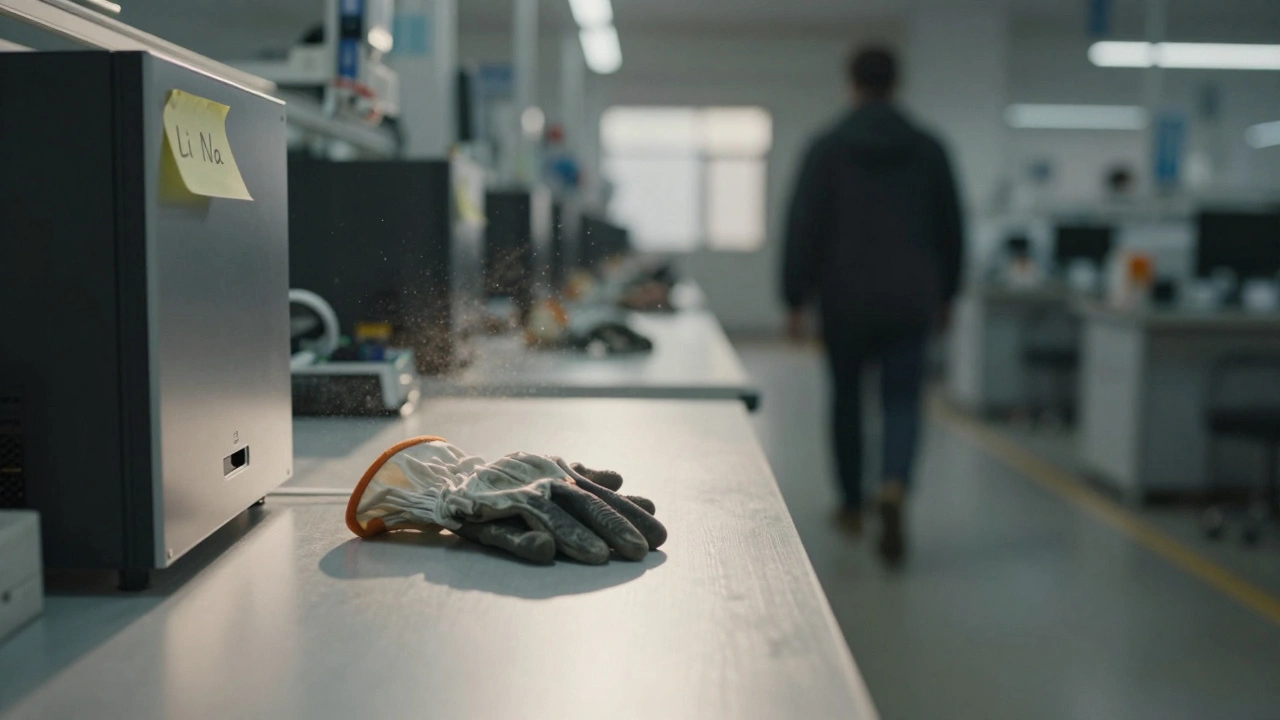
The most haunting moment? A 19-year-old woman, Li Na, recording herself after a 17-hour shift. She says: "I used to dream of going to college. Now I dream of sleeping without my body hurting." The film ends with her quitting. We don’t see where she goes. We only see her empty workstation, still covered in dust.
‘The Last Library’ - A Community’s Fight to Save Its Only Bookstore
At Sheffield DocFest, The Last Library tells the quiet, powerful story of a small town in rural Pennsylvania that lost its library in 2021. The community didn’t give up. They turned a shuttered grocery store into a volunteer-run library.
There’s no celebrity narrator. No dramatic music. Just 82-year-old Martha, who drives 40 miles every Tuesday to drop off books. A teenager who started a podcast interviewing patrons about their favorite novels. A retired teacher who handwrites notes in the margins of donated books: "This one changed my life. I hope it changes yours."
The film captures the moment the town votes to fund the library with a $15,000 tax increase. The vote passes by three votes. The camera stays on the faces of the people who voted yes. One man, who lost his job in the coal plant, whispers: "I didn’t know I still had a voice until I got this book back."
‘Children of the Silence’ - The Hidden World of Deaf Children in Rural India
At IDFA, Children of the Silence breaks new ground by centering its entire narrative on children who’ve never heard a word spoken aloud. In villages across Bihar and Odisha, deaf children are often hidden away-seen as a burden, not a person.
The filmmakers, including a deaf Indian co-director, spent two years learning Indian Sign Language to build trust. They didn’t just film. They taught. They trained local teens to operate cameras. The result? Footage shot by the children themselves-of their hands forming signs, of their mothers crying when they first understood a word, of a girl drawing a picture of herself with wings and writing: "I am not broken. I am just different."
The film ends with the first-ever sign language class held in a government school. Not because of policy change. Because a teacher, tired of watching kids cry in silence, walked into the village with a notebook and a chalkboard.
Why these films matter more than ever
These aren’t just "good documentaries." They’re acts of resistance. Each one was made with limited budgets, risky access, and zero corporate backing. They were funded by small grants, crowdfunding, and the sweat of people who refused to let these stories disappear.
What sets them apart from past years? They don’t ask you to feel sorry. They ask you to listen. And then to act. One viewer told a festival organizer after seeing The Last Ice: "I didn’t know what to do. So I called my senator. She didn’t answer. But I called again. And again."
These films aren’t made to win awards. They’re made because someone, somewhere, needed the world to see what they see.
Where to watch them after the festivals
Most of these films will screen at major festivals between January and September 2025. After that, they’ll hit streaming platforms-but not right away. The Last Ice is expected to land on Apple TV+ in late 2025. Lagos Sound will be on Netflix by early 2026. The Factory Floor is still negotiating distribution; it may stay on the festival circuit longer due to legal risks.
If you want to see them when they’re fresh, plan ahead. Buy tickets early. Attend Q&As. Talk to the filmmakers. These films live because people show up.
What to look for in a great documentary
Not all docs are created equal. Here’s what separates the powerful ones from the forgettable:
- Access over aesthetics: Does the film show you something you’ve never seen? Or just pretty shots of nature?
- Agency over sympathy: Are the subjects speaking for themselves-or is a narrator telling you how to feel about them?
- Time over speed: Does the film let silence breathe? Or does it rush to the next dramatic moment?
- Ownership: Was the story made with the people in it-or just about them?
These five films check every box. That’s why they’re the ones to watch.
Are these documentaries available to stream right now?
No, not yet. These documentaries are premiering at film festivals in 2025. Most will become available on streaming platforms like Netflix, Apple TV+, or HBO Max between late 2025 and early 2026. Check the official festival websites for release schedules.
Can I attend these film festivals in person?
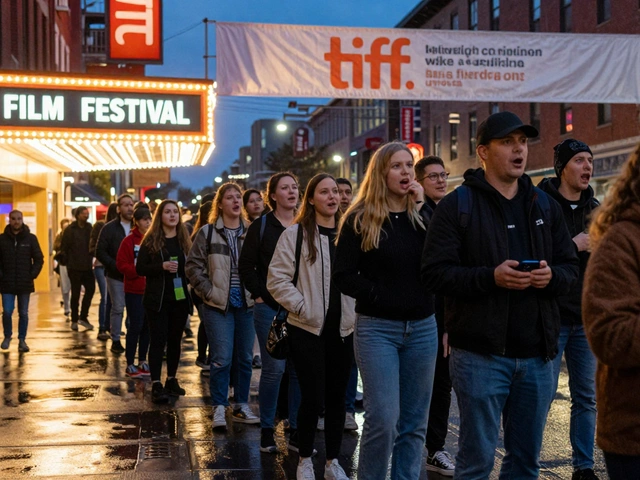
Yes. Sundance, Cannes, TIFF, IDFA, and Sheffield DocFest all welcome the public. Tickets usually go on sale a few months before the festival dates. Some events offer virtual passes if you can’t travel. Check each festival’s official site for tickets and schedules.
Are these documentaries suitable for kids?
Some are, some aren’t. The Last Library and Children of the Silence are appropriate for teens and older children. The Factory Floor and The Last Ice contain mature themes like labor exploitation and climate trauma. Lagos Sound is mostly family-friendly but includes strong language in original audio. Always check the festival’s age rating before bringing children.
How do I know if a documentary is trustworthy?
Look for transparency. The best docs list their sources, explain how footage was obtained, and credit the people involved. Films like The Factory Floor and Children of the Silence were made with direct collaboration from their subjects. Avoid docs that rely on dramatic reenactments without clear labeling. Trust comes from honesty, not editing tricks.
Why do these documentaries premiere at festivals instead of streaming platforms?
Festivals give filmmakers control over how their work is seen. Streaming platforms often demand cuts, edits, or marketing changes. Festivals prioritize artistic integrity. They also build buzz-winning an award at Sundance or Cannes can lead to better distribution deals later. Many of these films wouldn’t exist without festival support.
What to do next
If you’re moved by these stories, don’t just watch. Act. Share them. Talk about them. Support the filmmakers. Many of these projects are still raising funds to cover editing and legal costs. Look up their official websites-most have donation links.
And if you’re a filmmaker yourself? Start small. You don’t need a big budget. You need access, honesty, and time. One phone, one story, one person willing to be seen-that’s all it takes.



Comments(6)