The core struggle is a tug-of-war between centralized control and local relevance. You want a consistent look, but the distributor in Seoul knows their audience better than you do. The trick is to build a framework that gives them enough room to breathe without letting them set the house on fire. This is where a co-pro marketing plan becomes your most valuable asset-it's the rulebook that keeps everyone on the same page.
The Blueprint for Global Asset Coordination
You can't just email a folder of files and hope for the best. You need a structured approach to how assets are created and handed off. In a co-production, you're dealing with International Distribution Agreements, which define who owns the rights in which territory. These agreements usually dictate how much say a local distributor has over the marketing.
Start by creating a Master Asset Kit. This isn't just a collection of images; it's a living library. It should include:
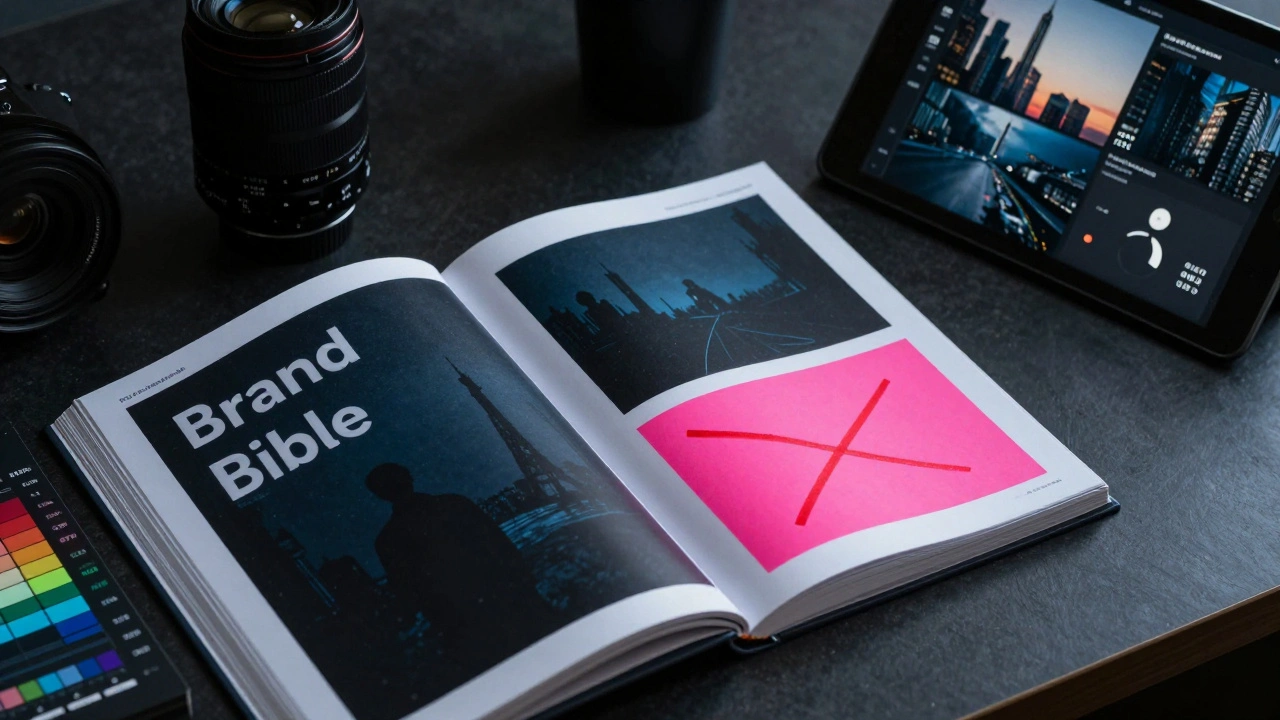
- The Brand Bible: Specific color palettes, approved fonts, and the "vibe" of the film. If the movie is a moody noir, you explicitly forbid bright, poppy colors in the key art.
- Modular Trailer Elements: Instead of one final trailer, provide "stems" or a library of a-roll and b-roll. This allows a distributor in Brazil to swap a specific shot for one that resonates more with their demographic while keeping the music and pacing intact.
- Clean Art Templates: High-resolution files without text. This allows local teams to translate titles and credits without ruining the composition.
A common mistake is sending a finished trailer and telling the distributor, "Use this." Instead, treat the trailer as a guide. Give them a "locked" version for brand consistency, but provide a "flexible" version where they can adjust the voice-over or the sequence of the first thirty seconds to hook their specific audience.
Managing the Key Art Tug-of-War
Key art-the main poster-is where the biggest clashes happen. You might want a minimalist, artistic shot of a landscape, but a distributor in a high-competition market like the US might insist on a "floating head" poster with the lead actors' faces staring directly at the viewer. Neither is inherently wrong; they just serve different goals.
To manage this, implement a Tiered Approval System. Not all changes are created equal. For example:
- Tier 1 (Non-Negotiable): The logo, the lead actor's likeness, and the primary color grade. These must be identical worldwide to maintain the film's identity.
- Tier 2 (Consultative): The tagline and the background imagery. Distributors can suggest changes, but they need your sign-off.
- Tier 3 (Local Autonomy): Localized credits, billing blocks, and social media captions. Let the locals handle this entirely.
| Asset Type | Central Control | Local Flexibility | Reasoning |
|---|---|---|---|
| Main Title Logo | High | Low | Brand Recognition |
| Trailer Pacing | Medium | Medium | Cultural Viewing Habits |
| Poster Layout | Medium | High | Market-Specific Aesthetics |
| Social Media Copy | Low | High | Linguistic Nuance |

Coordinating Trailers Across Time Zones and Cultures
Trailers are the hardest part of the puzzle because they involve timing, sound, and emotional arcs. In a co-production, you often have Post-Production Houses in different countries attempting to cut the same footage. If you aren't careful, you'll end up with three different trailers that make the movie look like three different genres.
The secret is the "Anchor Edit." You create one definitive trailer that establishes the core emotional beats. This anchor edit serves as the benchmark. When a distributor wants to change something-say, adding more action shots for the Asian market-they must prove that the change doesn't break the anchor edit's fundamental narrative arc.
You also need to account for Localization. This isn't just translating subtitles. It's about how the voice-over (VO) lands. A VO that sounds mysterious and understated in the UK might come across as boring or lacking energy in the US. By providing the raw audio tracks (M&E tracks-Music and Effects), you allow local sound engineers to mix the trailer so it hits the right frequency for local cinema systems.

The Logistics of the Delivery Pipeline
When you're coordinating with five different distributors, email is your enemy. You'll lose track of versions, and someone will inevitably use a low-res JPG for a billboard. You need a dedicated Digital Asset Management (DAM) system. A DAM acts as the single source of truth.
Here is a practical workflow for a smooth rollout:
- The Upload: Central production uploads all raw assets (LOG files, high-res stills, a-roll) to the DAM.
- The Request: Distributors request specific assets based on their local marketing plan.
- The Iteration: The local distributor uploads their "proposed" poster or trailer.
- The Review: The central marketing lead reviews the proposal against the Brand Bible.
- The Approval: Once approved, the asset is tagged as "Final" and locked to prevent further changes.
This prevents the "versioning nightmare" where you have files named Trailer_Final_v2_FINAL_actualfinal.mp4 floating around. Use a strict naming convention: [Project]_[Asset]_[Territory]_[Version]_[Date]. It sounds tedious, but it saves hundreds of hours of confusion during the crunch time before a premiere.
Handling the "Creative Clash"
Despite all your planning, you will hit a wall. A distributor will tell you that your lead actor isn't popular in their country and they want to push the supporting cast to the front of the poster. Or they'll tell you the movie is too long and they want to cut a subplot from the trailer that you consider essential.
The way to handle this is through data, not ego. Instead of saying "I don't like that," ask for the market research. If a distributor can show that A/B Testing on social media shows a 20% higher click-through rate for a specific image, you give in. You trade artistic purity for ticket sales. The goal of a co-production is to get the movie seen; if that means a slightly different poster in Italy, that's a win.
Ultimately, your role as the central coordinator is to be the guardian of the film's soul while acting as a facilitator for the distributors' commercial success. If you can find that balance, your movie will feel like a cohesive global event rather than a fragmented series of local releases.
What happens if a distributor refuses to follow the Brand Bible?
This usually comes down to the wording of your distribution agreement. If the contract specifies that the producer maintains creative control over marketing, you have the legal right to veto. However, it's usually better to negotiate a middle ground. Ask for their reasoning based on local trends and try to find a visual solution that satisfies both the brand's integrity and the market's demands.
Should I provide a finished trailer or a toolkit?
Always provide both. A finished "Master Trailer" sets the standard and gives them a starting point. The "Toolkit" (containing B-roll, music stems, and clean graphics) allows them to optimize the content for local tastes. Giving only a finished trailer often leads to poor-quality local edits because the distributor will try to chop up your compressed file rather than using high-quality source assets.
How do I handle different censorship laws in various territories?
Create "clean' and 'censored' versions of your key assets from the start. If you know a certain territory has strict rules against violence or nudity, provide a specific set of approved images and trailer cuts for that region. This prevents the distributor from making clumsy edits that might accidentally cut out important plot points or ruin the pacing.
What is the best way to manage time zones for approvals?
Avoid email chains and use an asynchronous review tool like Frame.io or Shotgrid. These tools allow distributors to leave time-coded comments on videos and mark up images directly. This eliminates the need for "sync calls" at 3 AM and ensures that every piece of feedback is documented and linked to a specific frame of the asset.
How often should the co-pro marketing plan be updated?
The plan should be a living document. It needs a major update after the first rough cut of the film is finished and another update once the first official teaser is released. As the film's reception evolves during festival runs, you should update the Brand Bible to reflect the traits that audiences are actually responding to.




Comments(5)