Walking into a city hall to ask if you can shoot a scene on Main Street is one thing. Actually getting the paperwork signed without losing three days of prep time is another. For independent producers and small studio crews, location permits are often the biggest bottleneck in pre-production. It’s not just about finding a pretty background; it’s about navigating a maze of municipal rules that vary wildly from one zip code to the next.
This guide breaks down how different cities handle filming, what actually costs money, and how to avoid the administrative headaches that can kill a schedule. We’ll look at the specific mechanisms used by major hubs versus smaller towns, because a permit in Los Angeles works very differently than one in Asheville or Austin.
Understanding the Two Types of Film Offices
Before you email anyone, you need to know who you’re talking to. Most jurisdictions fall into two categories: dedicated municipal film commissions and general city clerk offices.
Municipal Film Commissions are specialized departments created specifically to attract production. They act as a single point of contact, handling coordination with police, fire, and traffic departments for you. Cities like Atlanta, New Orleans, and Charlotte have robust commissions that offer streamlined applications. Their goal is economic development, so they tend to be more flexible and faster.
In contrast, many mid-sized cities don’t have a dedicated film office. Here, you deal directly with the City Clerk or Planning Department. This process is often slower because you are effectively creating a new workflow for them. You might need to file separate requests for street closures, noise variances, and sidewalk easements. If you’re shooting in a city without a formal commission, expect to spend double the time on logistics compared to a hub with a dedicated team.
The Cost Structure: Fees vs. In-Kind Contributions
Money is the first question every producer asks. The cost of a location permit usually isn't a flat rate. It’s calculated based on several variables:
- Crew Size: Many cities charge per person over a certain threshold (e.g., free for under 10 people, $50 per additional person).
- Equipment Weight: If you’re bringing in heavy cranes or large lighting rigs, some cities charge for "heavy equipment" due to potential pavement damage.
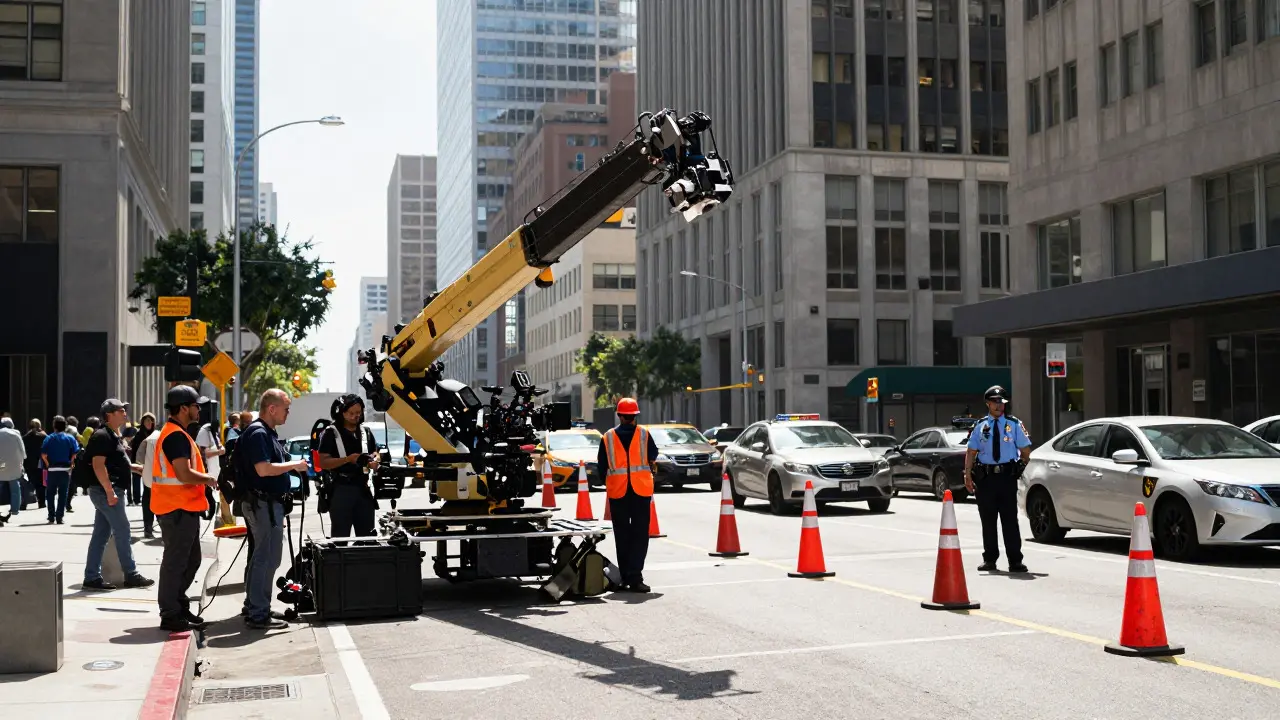
- Street Closures: This is the most expensive part. Closing a lane of traffic requires police overtime, which passes through to your budget. A full closure can cost thousands per hour depending on the time of day.
- Permit Duration: Daily rates are standard, but weekly or monthly rates exist for long shoots.
Beyond direct fees, many cities offer tax incentives or rebates in exchange for spending local money. However, these often require post-production accounting audits. For smaller productions, the administrative burden of claiming a rebate sometimes outweighs the financial benefit. Always calculate the net gain before committing to a city solely for its incentive program.
Key Regulatory Hurdles: Noise, Traffic, and Safety
The permit itself is just the entry ticket. The real friction comes from compliance with local ordinances. Three areas consistently cause delays:
- Noise Variances: Residential zones usually have strict quiet hours (often 9 PM to 7 AM). If you plan to use generators or call "Action!" late at night, you need a temporary noise variance. This requires notifying neighbors within a certain radius (usually 300 feet) and posting signs. Failure to do this can lead to fines from passing residents calling the non-emergency line.
- Traffic Control Plans: Anytime you block a lane, you need a certified traffic control plan. This document must be approved by the city’s Public Works department. It specifies where cones go, where flagsmen stand, and how pedestrians detour. Without this, the city can shut you down instantly.
- Public Liability Insurance: Every city requires proof of insurance. The standard minimum is $1 million in general liability coverage, naming the city as an "additional insured." If your policy only covers $500k, you won’t get a permit. Make sure your broker adds the correct city entity name (e.g., "City of Austin" vs. "Austin Independent School District") to the certificate.

Comparison: Major Hubs vs. Smaller Markets
The experience varies drastically based on the city's size and existing infrastructure for film. Below is a comparison of typical regulatory environments.
| Feature | Major Hub (e.g., LA, NY, Atlanta) | Smaller Market (e.g., Asheville, Boise) |
|---|---|---|
| Application Process | Online portal, standardized forms | Email/Paper, custom requests |
| Processing Time | 3-5 business days | 2-4 weeks |
| Street Closure Cost | High ($$$), high demand | Moderate ($$), lower demand |
| Local Crew Availability | Abundant, competitive rates | Limited, may need to fly in |
| Regulatory Rigidity | Strict, well-defined rules | Flexible, case-by-case decisions |
Notice the trade-off: Big cities are predictable but expensive and slow due to volume. Small cities are flexible and cheaper but unpredictable because officials haven’t handled many film requests. In a small town, the mayor might personally approve your shoot if he likes the project. In New York, it’s purely bureaucratic.
Pro Tips for Smoother Permitting
Based on lessons learned from countless productions, here are practical tips to keep your schedule intact:
- Start Early: Submit permit applications at least 30 days before your first shoot day. If you need street closures, allow 45 days.
- Meet Locally: Even if the application is online, try to meet the permitting officer in person. Face-to-face interaction builds goodwill and helps clarify ambiguous questions quickly.
- Post Signs Correctly: Use the exact wording required by the city. Missing a comma or using the wrong font can technically make your notice invalid, giving neighbors grounds to complain.
- Hire a Local Fixer: If you’re shooting outside your home base, hire a local production coordinator or fixer. They know which clerks are friendly and which departments are backlogged.
- Check Historic Districts: If you’re shooting near landmarks, you may need approval from a historic preservation board. This is a separate layer of regulation that doesn’t always show up in the main film office guidelines.
Navigating Unforeseen Issues
Even with perfect paperwork, things go wrong. Maybe a resident files a complaint about light spill. Maybe a city council member wants to visit set. How you handle these moments defines your relationship with the city.
Keep a log of all interactions. If a neighbor complains, note the time, date, and their name. Respond politely and adjust your operations immediately. Cities take complaints seriously because they fear bad publicity. By showing you are responsive and professional, you turn a potential shutdown into a neutral event.
Also, remember that permits are often revocable. If you exceed your noise limits or block a fire hydrant, the city can pull your permit without compensation. Stay vigilant, especially during long takes or night shoots when fatigue sets in.
Frequently Asked Questions
Do I need a permit for a drone shot?
Yes. While FAA Part 107 certification is federal, most cities require a separate municipal permit for aerial filming. This ensures the flight path doesn’t interfere with local air traffic or privacy rights. Check both FAA requirements and local city ordinances.
How much does a street closure typically cost?
Costs vary widely. In major cities, a partial lane closure might range from $500 to $1,500 per hour. Full closures can exceed $2,000 per hour. These fees usually cover police overtime, traffic control personnel, and administrative processing.
What is the difference between a location fee and a permit fee?
A permit fee is paid to the government for the right to use public space. A location fee is paid to a private owner (like a restaurant or homeowner) for the right to use their property. You often pay both for the same scene.
Can I shoot in a residential neighborhood without telling neighbors?
Usually, no. Most cities require written notification to homes within a specific radius (often 300 feet) at least 7-14 days before the shoot. Failure to notify can result in fines or permit revocation.
Who handles the cleanup after a shoot?
The production company is responsible for leaving the location in "broom clean" condition. This means removing all trash, tape, and equipment marks. Some cities perform a final inspection to ensure the site is restored before closing out the permit.