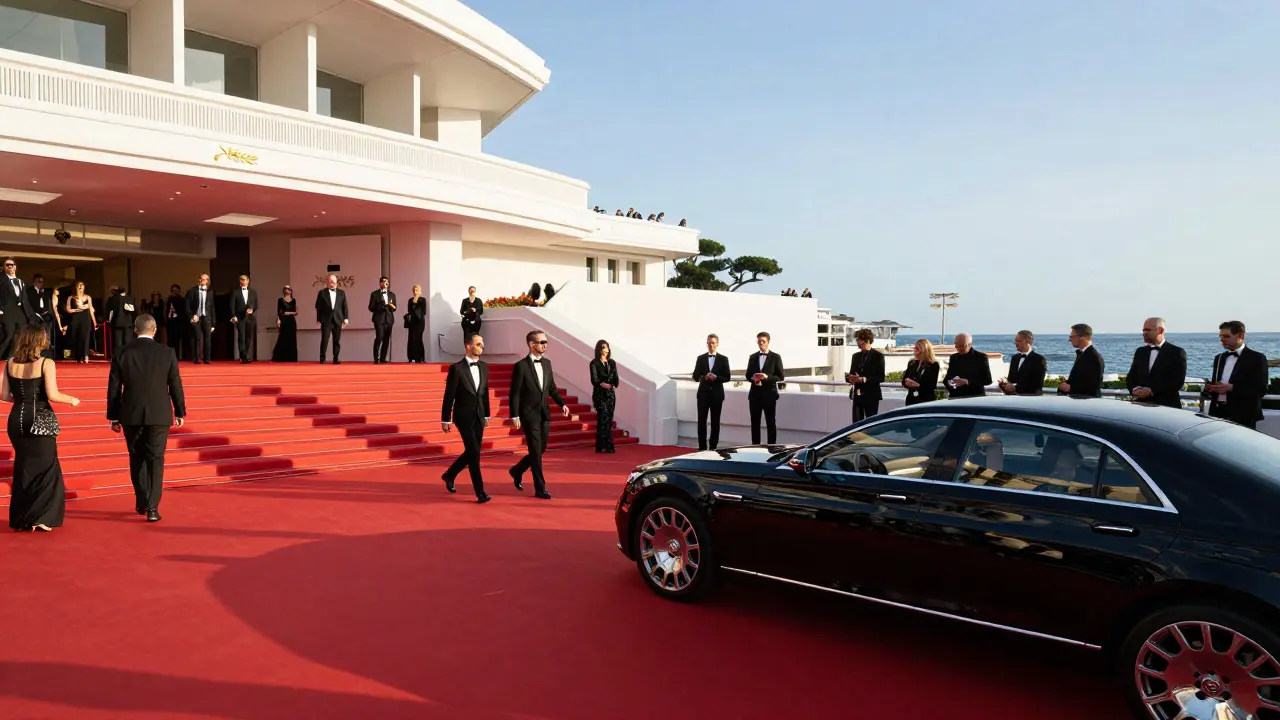
Imagine standing on the red carpet at the Palais des Festivals in May. The cameras flash, the stars smile, and for a split second, it feels like the entire world is watching. But behind the glamour of the Cannes Film Festival is a high-stakes global event that defines which films become cultural phenomena and which fade into obscurity. It is not just a party; it is a massive business machine where deals worth hundreds of millions are made in hotel lobbies while directors fight for the golden palm leaf.
If you are trying to understand why this specific festival matters more than any other on the calendar, you need to look past the celebrities. You need to see the mechanics of how a movie gets discovered, bought, and distributed. This guide breaks down the three pillars of Cannes: the artistic prestige, the competitive pressure, and the raw industry power that moves the global box office.
The Architecture of Prestige: Why Cannes is Different
There are many film festivals. Sundance focuses on independent voices. Venice leans toward European arthouse. Toronto is a launchpad for awards season. But Prestige in the context of Cannes refers to the exclusive status granted to films selected by the official jury, signaling critical and commercial viability. This distinction is crucial because "Official Selection" is not a marketing term; it is a filter.
The festival operates on a strict hierarchy. At the top sits the Palme d'Or, the highest award given to the best feature film in competition, symbolizing ultimate artistic achievement. Winning this prize can turn a small budget film into a global hit overnight. Think of the impact when *Parasite* won in 2019 or *The Tree of Life* in 2011. These wins didn't just add a trophy to a shelf; they changed the financial trajectory of those movies forever.
Below the Palme, there are other sections that serve different purposes:
- In Competition: The main stage. Only about 20-25 films make it here. These are the darlings of the year.
- Un Certain Regard: A section for original, unconventional films that might be too risky for the main competition but still deserve attention.
- Directors' Fortnight: An off-selection parallel section known for being even more avant-garde and daring.
Getting into any of these sections is harder than getting into most Hollywood premieres. The selection committee, led by a president who is usually a major director or actor, reviews hundreds of submissions. Their job is to curate a list that balances quality with diversity. When a film lands in the main competition, distributors around the world take notice immediately. It is a signal that the film has passed the highest quality control check in the industry.
The Competition: More Than Just Awards
People often think the competition is just about who wins the gold. In reality, the Film Competition is a high-pressure environment where critical reception, audience response, and peer recognition determine a film's immediate fate. The atmosphere inside the Théâtre Lumière is electric. Directors sit in the front row, sweating, waiting for the verdict. The jury, composed of international filmmakers and artists, debates for days before making their final decision.
But the real competition happens outside the theater. It is the battle for the "buzz." Critics from major publications like *Variety*, *The Hollywood Reporter*, and *Screen International* write their reviews within hours of the screening. If a film gets a rave review from *The New York Times* or a scathing one from *Le Monde*, the mood shifts instantly. This critical consensus forms the first layer of public opinion that will follow the film back to its home country and then to the rest of the world.
There is also the social competition. Directors and actors attend parties, meet with press agents, and network with potential collaborators. A good performance in an interview can boost a film's profile as much as a positive review. A bad interview can tank it. This is why studios send PR teams to Cannes with military precision. They manage every interaction, every photo op, and every quote. It is a calculated effort to shape the narrative before the general public ever sees a trailer.
The Industry Engine: Where Deals Are Made
This is the part most casual viewers miss. While the public watches the red carpet, the real money changes hands at the Cannes Market (Marché du Film), a global marketplace where buyers and sellers negotiate distribution rights for thousands of titles annually. The market runs alongside the festival, occupying hotels and conference centers near the Palais. It is the largest film market in the world.
Distributors from North America, Europe, Asia, and Latin America fly to Cannes specifically to buy rights to films that are premiering there. Why? Because Cannes is the only place where so many key players are in one city at the same time. It is efficient. Instead of flying to Paris, then London, then New York, then Tokyo, a distributor can sign deals for ten different territories in three days.
The process is fast and intense. A distributor might watch a film in the morning, decide they want it, and negotiate a deal by lunchtime. Prices can vary wildly based on the perceived value of the film. A film in the main competition might sell for millions of dollars per territory. A film in a side section might sell for less, but still generate significant revenue. For smaller countries, Cannes is often the only chance to get a major international release. Without a Cannes premiere, a great film from, say, South Korea or Argentina might struggle to find a wide theatrical run in the US or UK.
Here is a quick comparison of how different festival selections impact sales potential:
| Section | Average Perceived Value | Typical Buyer Interest | Risk Level for Buyers |
|---|---|---|---|
| In Competition | Very High | Major Studios & Top Distributors | Low (High confidence) |
| Un Certain Regard | Medium-High | Specialty Distributors | Medium |
| Out of Competition | Variable | Varies by Star Power | High (Dependent on cast/director) |
| Directors' Fortnight | Medium | Niche/Academic Buyers | High (Artistic risk) |
Notice how the "Risk Level" drops for films in the main competition. Buyers trust the jury's selection. If the jury picked it, it must be good enough to sell. This trust is the currency of the market.

The Ripple Effect: From Cannes to Global Screens
So, what happens after the clapperboard snaps shut on the last day of the festival? The film leaves Cannes, but its journey is just beginning. The reviews published during the festival become the foundation for marketing campaigns. Trailers are cut based on the reactions seen in the theaters. Posters are designed to highlight the awards or the stars, depending on what worked best during the week.
For example, if a film features a famous actor but lacks strong critical support, the marketing team will lean heavily on the star's name. If the film is critically acclaimed but unknown, they will lean on the awards and quotes from critics. This strategic shift is direct evidence of the festival's influence. The data gathered in Cannes dictates how the film is sold to the general public months later.
Furthermore, the festival serves as a talent showcase. Actors who perform well in Cannes often see their stock rise. They become more bankable. Directors who win awards get greenlit for bigger projects. It is a feedback loop where success at Cannes leads to more opportunities, which leads to more visibility, which leads to more success at future festivals.
Common Misconceptions About Cannes
Many people think Cannes is only for art-house cinema. That is outdated. Yes, the festival started with a focus on artistic merit, but today, big-budget blockbusters and genre films regularly appear in the "Out of Competition" or "Midnight Screenings" slots. Films like *Dune* or *Oppenheimer* have premiered there, drawing huge crowds. The festival has adapted to include diverse tastes while maintaining its core identity.
Another misconception is that winning the Palme d'Or guarantees box office success. It helps, but it is not a guarantee. Some winners become cult classics rather than mainstream hits. However, the correlation between critical acclaim and long-term profitability is strong. A film that is respected by peers tends to have a longer life in video-on-demand and streaming services, generating revenue years after its initial theatrical run.

How to Follow Cannes Like an Insider
If you want to understand the festival without buying a ticket, here is how to track the action:
- Watch the Official Announcements: The festival releases the full lineup about a month before the start. Look for the names of the directors and producers, not just the actors.
- Follow Trade Publications: Sites like *Deadline* and *Variety* provide real-time updates on sales and reviews. Reading their "Cannes Coverage" tags gives you the insider perspective.
- Check the Jury: Who is leading the jury? Their taste influences the tone of the awards. A jury led by a comedy director might favor lighter films; a jury led by a serious auteur might favor heavy dramas.
- Monitor Social Media Hashtags: #CannesFilmFestival is active daily. Tweets from critics and journalists often break news before it hits the mainstream press.
By following these steps, you can piece together the story of each film as it unfolds. You will see which films are generating buzz and which are struggling. It turns the festival from a passive viewing experience into an active analysis of the global film economy.
FAQ
Is the Cannes Film Festival only for European films?
No. While it is held in France, the festival is fully international. Films from Asia, the Americas, Africa, and Oceania compete regularly. In recent years, Asian films have had significant success, proving that the festival values global storytelling over geographic origin.
What is the difference between 'In Competition' and 'Out of Competition'?
Films 'In Competition' are eligible to win the Palme d'Or and other official awards. They are judged by the jury. 'Out of Competition' films are shown for special reasons, such as featuring a major star or director, but they do not compete for prizes. They are often bigger budget or more commercial in nature.
Do I need to be in the film industry to attend Cannes?
Not necessarily. General public tickets are available for screenings, though they are hard to get. Press and industry attendees receive accreditation. For the general public, attending means buying tickets for individual screenings, whereas industry professionals get passes that allow them to enter multiple venues and attend market events.
Why do distributors pay so much for films at Cannes?
They pay for exclusivity and prestige. Owning the rights to a Cannes-selected film signals quality to audiences. It reduces the marketing cost because the film already has built-in credibility. The price reflects the reduced risk of investing in a project that has already been vetted by top-tier experts.
Can a film fail commercially despite winning an award at Cannes?
Yes. Artistic success does not always equal commercial success. Some award-winning films appeal to niche audiences and may not find a wide theatrical release. However, they often find strong legs on streaming platforms and in home entertainment, ensuring they eventually recoup their costs through long-tail sales.