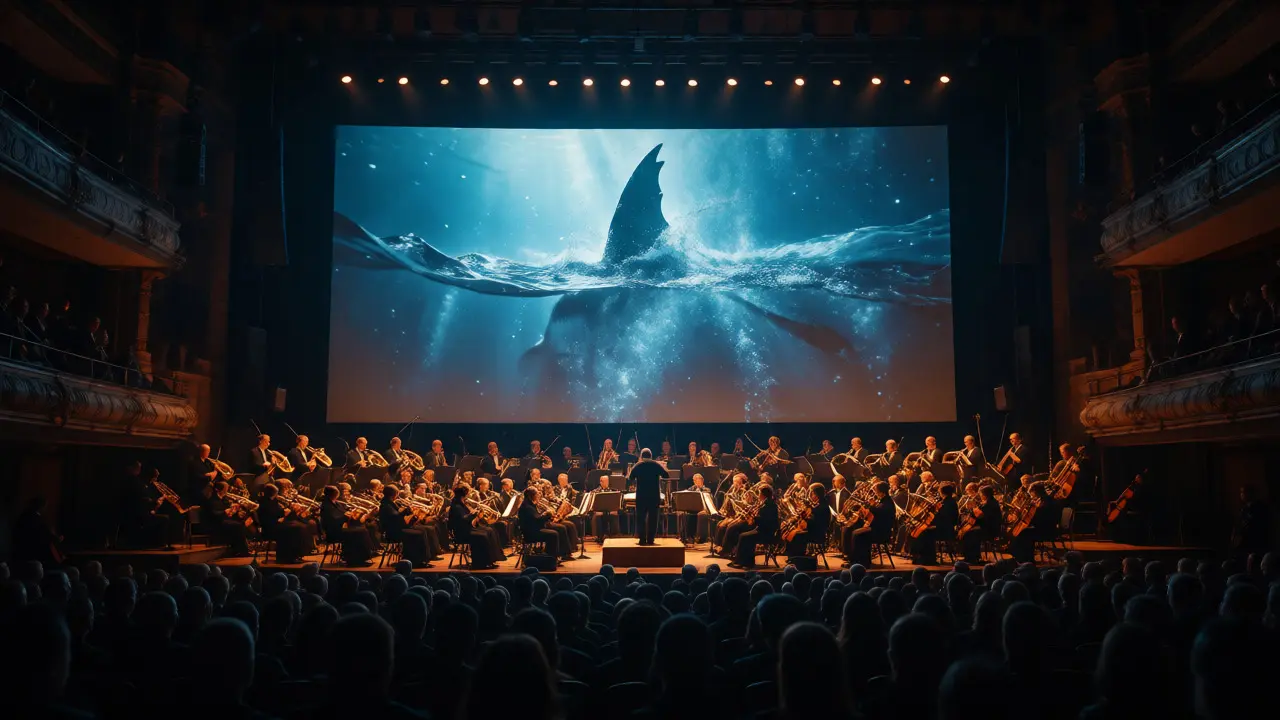
You know that feeling when the opening credits roll and the first notes of John Williams's theme for Jaws hit you in the chest? It’s visceral. Now imagine hearing those same notes, not from your laptop speakers or a theater's surround sound system, but from a full symphony orchestra playing just twenty feet away, perfectly synced to the screen above them. That is the electric reality of a live-to-picture concert. It’s not just watching a movie; it’s attending a high-stakes musical performance where every cymbal crash has to land exactly as the shark breaches the water.
If you’ve ever wondered how these massive productions work-or why they’ve become one of the most popular ways to consume cinema today-you’re in the right place. We’re going to break down what makes these events tick, which ones are worth your time, and how you can get the best seat in the house without draining your wallet.
What Exactly Is a Live-to-Picture Concert?
At its core, a live-to-picture concert is a screening of a film accompanied by a live orchestra, choir, or band performing the original score in real-time. Unlike a standard movie night, there’s no pre-recorded soundtrack blasting through hidden speakers. Instead, the musicians watch the film on a large screen while following a conductor who keeps everything in lockstep with the visuals.
This isn’t a new invention. The concept dates back to the silent film era, when pianists or small ensembles played improvised accompaniment to keep audiences engaged. But modern iterations have evolved into sophisticated spectacles. Today, we see everything from intimate quartets playing indie films to the London Symphony Orchestra tackling the entirety of Star Wars: A New Hope.
The magic lies in the synchronization. Musicians use a click track-a metronome audible only to them via headphones-to stay perfectly aligned with the film’s timing. If a character takes a step at 1:04:32, the drum hit must happen at 1:04:32. There’s no room for error. This precision creates an immersive experience that recorded audio simply cannot replicate.
Why Bother With Live Performances?
You might ask, "Why pay $50 to hear a soundtrack I can stream for free?" The answer is presence. Recorded audio compresses dynamics. You lose the physical impact of brass sections swelling or the subtle breath before a string section begins. In a concert hall, you feel the air move.
Consider the emotional weight of Hans Zimmer's Inception score. On a phone, the "BRAAAM" sounds loud. In a concert hall, with eighty cellists bowing simultaneously, it feels like gravity shifting. The visual connection between seeing a violinist lean into a note and hearing the resulting melody creates a cognitive link that deepens your appreciation of the craft.
Moreover, these events turn passive viewing into active participation. You’re not just sitting in the dark; you’re witnessing a collective effort. When the conductor raises their baton and the entire audience holds its breath during a suspenseful scene, you’re part of a shared ritual. It transforms solitary consumption into communal celebration.
The Big Players: Who Runs These Shows?
Not all live-to-picture experiences are created equal. Some are bootleg operations run by local community orchestras with shaky sync points. Others are global tours produced by industry giants. Here’s a breakdown of the major entities shaping this landscape:
| Producer/Entity | Specialty | Scale | Typical Repertoire |
|---|---|---|---|
| Abel Tesfaye (The Weeknd) / Various Pop Artists | Pop/Rock Albums | Arena/Stadium | Full album performances with visuals |
| CineConcerts | Hollywood Blockbusters | Symphony Halls | Marvel, DC, Star Wars, Lord of the Rings |
| Gaming Symphonies | Video Game Music | Mixed Venues | Zelda, Final Fantasy, Halo |
| Local Philharmonics | Classic Cinema | Civic Centers | Gone with the Wind, Casablanca, Hitchcock |
CineConcerts dominates the blockbuster market. They hold licenses for Disney, Marvel, and Lucasfilm properties, allowing them to tour globally with professional orchestras. Their production values are high-expect laser lights, pyrotechnics, and pristine audio mixing.
On the other end of the spectrum, local philharmonic orchestras often tackle classic films like Casablanca or The Godfather. These shows might lack the pyrotechnics of a Marvel tour, but they offer superior acoustic quality and lower ticket prices. Plus, supporting local arts organizations adds a layer of community goodwill to the evening.
Choosing Your First Experience: What to Look For
With dozens of options available, picking the right show can be overwhelming. Here’s a quick decision tree to help you choose:
- Do you want spectacle or subtlety? If you crave lasers and crowd cheering, go for a Harry Potter or Avengers concert. If you prefer nuanced dynamics, look for a chamber orchestra performing a noir thriller or a romance.
- How familiar are you with the film? Watching a movie you’ve seen fifty times enhances the musical focus. You’ll notice cues you missed before. However, if you haven’t seen the film, ensure the venue allows easy viewing of the screen without neck strain.
- Check the ensemble size. A full 80-piece orchestra delivering Interstellar will shake the floorboards. A 12-piece string quartet performing Amélie will feel intimate and delicate. Know what sonic texture you expect.
One critical tip: Read the fine print about interruptions. Most live-to-picture concerts include a single intermission. Ensure this doesn’t disrupt the narrative flow too badly. Also, verify if the film is shown in its original language with subtitles or dubbed, especially for foreign classics.
Behind the Scenes: The Conductor’s Burden
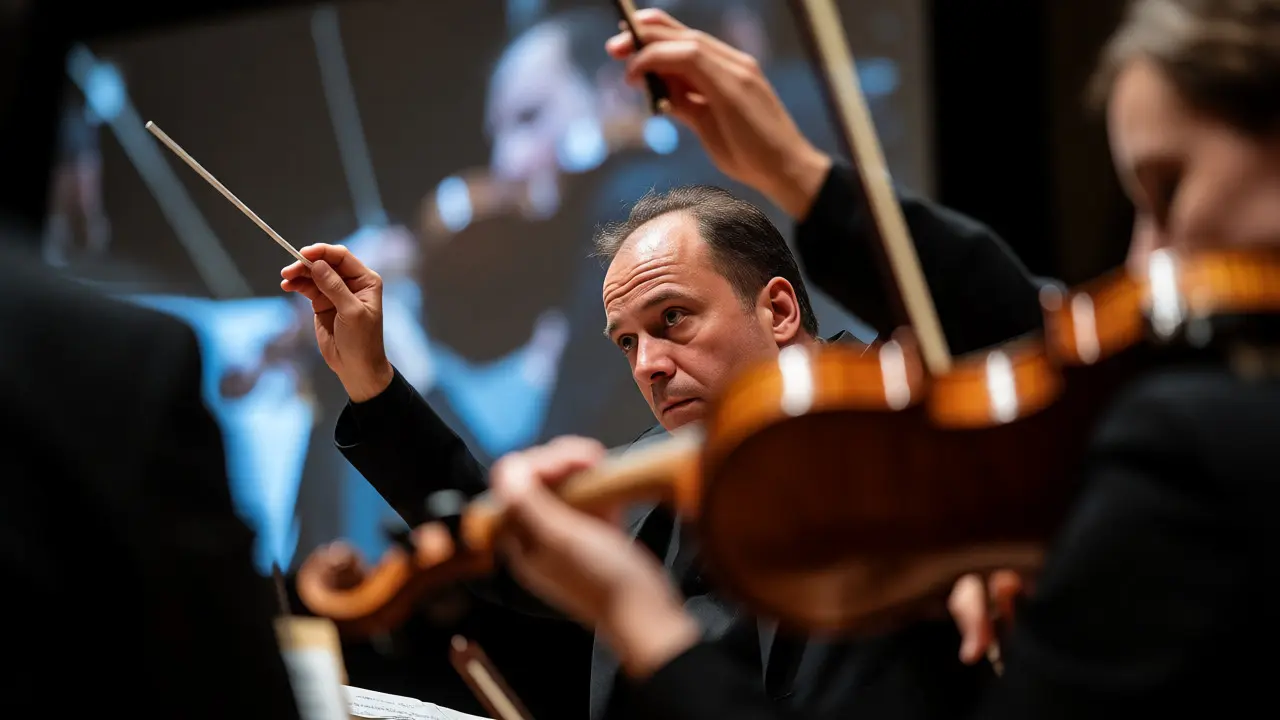
We rarely think about the person holding the baton, but they are the unsung heroes of these events. Conductors like Sarah Hicks, who frequently leads Star Wars concerts, describe the job as "air traffic control for music." They must manage tempo changes, dynamic shifts, and complex time signatures while keeping eye contact with both the screen and the musicians.
The conductor uses a visual cue called a "streamer"-a flashing light on the screen-and a "punch" (a black frame) to signal exact start and stop points. If the film runs slightly fast due to projector calibration issues, the conductor adjusts in real-time. It’s a high-pressure environment where split-second decisions determine whether the climax lands emotionally or falls flat.
This human element is why no two performances are identical. Sometimes the tempo drags slightly; other times, the energy peaks higher than expected. That unpredictability is part of the charm. You’re witnessing a living, breathing interpretation of the composer’s intent, filtered through the skill of hundreds of artists.
Pitfalls to Avoid
Not every live-to-picture event is a triumph. Here are common complaints to watch out for:
- Bad Screen Visibility: In some venues, the screen is mounted too high, forcing you to crane your neck. Check seating charts carefully. Aim for seats directly below the center of the screen.
- Audio Imbalance: Occasionally, the orchestra overpowers the dialogue. While rare in professional tours, it happens in amateur productions. Look for reviews mentioning "clear dialogue" before buying tickets.
- Copyright Issues: Be wary of unofficial screenings. If a group advertises "Harry Potter in Concert" but lacks official licensing, the audio mix might be poor, or the film might be cut awkwardly to fit the runtime.
To mitigate these risks, stick to established producers or reputable local orchestras. Check social media pages for recent photos of the setup. If the stage looks cluttered or the screen seems small relative to the venue, proceed with caution.
The Future of Cinematic Music
The trend is growing. As streaming saturates our homes, people crave unique, tangible experiences. Video game concerts like The Legend of Zelda: Symphony of the Goddesses have proven that non-film content works equally well. Similarly, anime scores performed by Japanese orchestras are gaining traction worldwide.
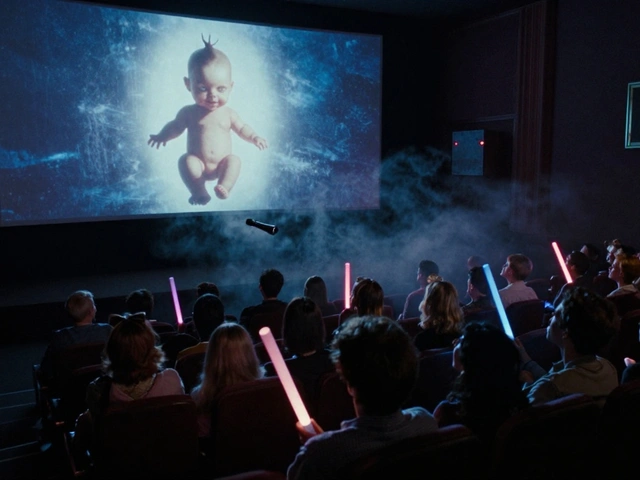
We’re also seeing hybrid models. Some theaters now offer "sing-along" versions of musicals like La La Land with live accompaniment. Others integrate interactive elements, where audience applause triggers specific lighting effects timed to the music. The boundary between cinema and concert continues to blur, offering richer ways to engage with storytelling.
For composers, this format provides a second life for their work. A score that felt background noise in a theater becomes the main event in a concert hall. It invites listeners to dissect the composition, appreciating leitmotifs and harmonic progressions without the distraction of plot twists.
Do I need to know music theory to enjoy a live-to-picture concert?
Absolutely not. These events are designed for general audiences. You don’t need to understand counterpoint or time signatures to feel the emotion of the music. If you enjoyed the film’s atmosphere, you’ll likely appreciate the live performance. Think of it as experiencing the movie’s emotional engine in isolation.
Is the film shown with English subtitles?
It depends on the producer and the film. Most Hollywood blockbusters shown in English-speaking countries do not require subtitles unless specified. Foreign films usually include subtitles. Always check the event description beforehand, as subtitle placement can sometimes interfere with the view depending on your seat.
Can I take photos during the performance?
Usually, yes, but rules vary. Flash photography is almost always prohibited because it distracts musicians and ruins the ambiance. Many venues encourage quiet smartphone shots for social media. However, some strict classical halls ban all devices. Check the venue’s policy posted on their website or program notes.
Which seats offer the best balance of sight and sound?
For optimal audio, sit in the middle of the auditorium, about two-thirds back. This position captures the natural blend of the orchestra without being overwhelmed by nearby instruments. For visual comfort, avoid the front rows where you’ll look up sharply. Mid-rear center seats generally provide the best compromise for both senses.
Are children allowed at these concerts?
Yes, many family-friendly films like Star Wars or Harry Potter welcome children. However, consider the runtime (often 2+ hours with intermission) and volume levels. Young kids might struggle with the length or find the sudden loud noises startling. If bringing toddlers, choose a matinee showing if available.