
Imagine this: it’s 9 PM on a Tuesday. Your friend texts you, “Are you watching the new Interstellar sequel?” You check your phone. You’re not. You canceled Netflix last month because the price went up, and you’ve been sticking to free ad-supported tiers ever since. Now, a major studio drops a blockbuster on Day One of their platform. Do you resubscribe? Or do you just wait for it to hit the next service?
This is the reality of streaming churn in 2026. The era of “subscribing to everything” is dead. Audiences are now highly selective, treating each subscription like a utility bill they scrutinize monthly. For streaming giants, the battle isn’t just about acquiring subscribers; it’s about keeping them from leaving after the novelty wears off. And the most powerful tool in that arsenal? Premium film releases.
The Economics of Churn: Why Subscribers Leave
To understand how films retain audiences, we first need to look at why they leave. In 2026, the average US household subscribes to only 1.8 paid streaming services, down from 4.5 in 2021. This decline is driven by three main factors: cost fatigue, content overlap, and lack of exclusive value.
Cost Fatigue is the psychological barrier where users perceive the total cost of multiple subscriptions as exceeding the perceived value of the content. When a user pays $15.99 for one service and $13.99 for another, they start calculating. If Service A doesn’t have something unique worth paying for, they cancel. This is where Churn Rate comes into play. Industry leaders now track monthly churn rates with laser precision. A healthy churn rate for a mature platform hovers around 3-5%. If it spikes above 7%, it’s a red flag that the content library isn’t delivering enough “must-watch” moments.
Films act as a shock absorber against this fatigue. Unlike series, which require long-term commitment, films offer immediate gratification. A high-budget release creates a spike in engagement that can offset months of passive viewing. It reminds the subscriber why they are paying in the first place.
The Power of Day-One Exclusives
In the early days of streaming, movies would sit in theaters for six months before hitting a digital storefront. That window has collapsed. By 2026, many major studios have shortened theatrical windows to 45 days or less, with some bypassing theaters entirely for direct-to-streaming premieres. This shift has changed the psychology of the viewer.
A Day-One Exclusive is a film available for streaming immediately upon its release date, often competing directly with theatrical showings. These releases serve as “anchor content.” They give a specific reason to subscribe *now* rather than later. For example, when Dune: Part Three dropped in late 2025, it wasn’t just a movie; it was a cultural event. Platforms that had the rights saw a 15% increase in new sign-ups in the two weeks surrounding the release.
The key here is timing. If a film is released on a Friday, the platform needs to market it aggressively that same week. The goal is to convert casual browsers into paid subscribers before the hype cycle cools. This requires a sophisticated understanding of Customer Lifetime Value (CLV), which measures the total revenue a customer generates during their time with the platform. A single film might not justify a subscription for a low-engagement user, but if that user stays for three months to finish the rest of the library, the CLV calculation shifts in the platform’s favor.
Strategic Release Calendars vs. Random Drops
Not all film releases are created equal. Some platforms treat their film slate like a calendar of events, while others dump titles randomly based on production schedules. The former approach wins in retention.
A Release Calendar is a planned schedule of premium content launches designed to maintain consistent audience engagement throughout the year. Platforms like Max and Apple TV+ have mastered this. They space out their big tentpole films so there’s always something significant coming within the next 60 days. This creates a sense of anticipation. Users stay subscribed because they know what’s coming next.
In contrast, random drops lead to “content blindness.” If a great indie film is released in January and no one knows about it, it fails to drive retention. The platform loses the marketing momentum. Strategic calendars allow for targeted advertising. You can tell a lapsed subscriber, “We have Oppenheimer 2 coming in October. Come back for that.” That’s a much stronger hook than “We have 10,000 movies.”

The Role of Originals vs. Licensed Content
A common misconception is that only original films matter for retention. While originals build brand identity, licensed films drive volume. In 2026, the line between the two is blurring. Many “originals” are actually co-productions with major studios, giving platforms access to bigger budgets and star power.
However, licensed content has a drawback: it expires. When a license deal ends, those films disappear. This can cause a secondary wave of churn if the platform hasn’t replaced that content with new releases. Therefore, a balanced strategy involves using licensed blockbusters to fill gaps in the calendar while relying on originals to create long-term equity. If a platform owns the rights to a hit film, it can keep it in the catalog indefinitely, providing a stable baseline of value even during quiet months.
Measuring Success: Beyond Viewership Numbers
How do you know if a film actually retained an audience? Looking at total views is misleading. A viral trailer might get millions of views without converting a single subscriber. Instead, platforms focus on Retention Cohorts, which track groups of subscribers who joined during a specific period to measure how long they stay over time.
If a cohort of users who signed up for the Avatar: The Last Frontier premiere has a 6-month retention rate of 60%, compared to the platform average of 40%, that film was a retention success. It didn’t just bring people in; it kept them. This data informs future budget decisions. If sci-fi blockbusters consistently outperform dramas in retention metrics, the platform will likely allocate more capital to sci-fi acquisitions.
Another critical metric is Engagement Depth, which measures the percentage of a title watched and the frequency of re-watches. A film that gets watched once and never again contributes little to long-term retention. A film that sparks discussion, re-watches, and social media trends keeps the user engaged with the platform interface, reducing the likelihood of cancellation.

The Future: Personalized Retention Triggers
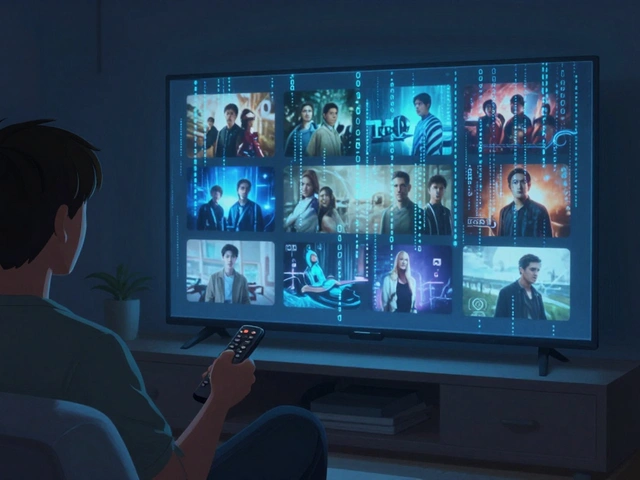
By late 2026, artificial intelligence is playing a bigger role in how films are used for retention. Platforms are moving away from generic notifications (“New Movie Out Now”) toward personalized triggers. If a user watches three Marvel movies in a row, the system knows they are likely to stay for the next MCU release. If a user cancels, the exit survey might ask, “Did you miss our latest action thriller?” If yes, the platform might offer a temporary discount tied specifically to that genre.
This level of granularity allows for surgical retention efforts. Instead of spending millions on broad TV ads, the platform targets specific segments with relevant film offers. It’s a shift from “broadcast” to “narrowcast” marketing, driven entirely by data on how individual users interact with film releases.
Practical Takeaways for Content Strategists
If you’re working in streaming strategy, here are the actionable steps to leverage film releases for retention:
- Map Your Calendar 6 Months Ahead: Ensure there is at least one “tentpole” film every 8-10 weeks. Gaps larger than 12 weeks risk churn spikes.
- Align Marketing with Launch Windows: Start promoting a film 3 weeks before release to build anticipation among existing subscribers, not just new ones.
- Monitor Cohort Retention: Don’t just look at sign-ups. Track how long subscribers acquired via a specific film stay. Adjust your slate based on these cohorts.
- Balance Cost vs. Impact: Not every film needs to be a $200 million blockbuster. Mid-budget thrillers ($50M-$80M) often offer better ROI for retention because they appeal to broader demographics without the massive financial risk.
- Use Films as Onboarding Tools: For new users, highlight your best recent film releases in the onboarding flow. This sets expectations for quality and exclusivity immediately.
Frequently Asked Questions
Do film releases really affect streaming churn rates?
Yes. Data from 2025-2026 shows that months with major film releases see a 10-15% lower churn rate compared to months with only series premieres. Films provide a distinct, time-bound reason to maintain a subscription.
What is the ideal frequency for releasing new films on a streaming platform?
For major platforms, the sweet spot is 1-2 premium films per month. This maintains a steady drumbeat of excitement without overwhelming the audience or diluting the impact of each release.
How does a film differ from a series in terms of retention value?
Films offer immediate, high-intensity engagement but shorter tail effects. Series create longer-term habit loops through weekly episodes. A balanced strategy uses films for spikes in engagement and series for sustained weekly activity.
Can smaller platforms compete with big studios using film releases?
Yes, but they must focus on niche genres or high-quality independent films. Competing on scale is impossible, but competing on curation and community can build a loyal, low-churn base that values specific types of cinema.
What role does AI play in using films for retention?
AI helps personalize recommendations and timing. It identifies which users are at risk of churning and sends them targeted notifications about upcoming films that match their viewing history, increasing the likelihood of re-engagement.





Comments(8)