
The Mystery of the Missing Movie
You just sat down with your popcorn, popped open your favorite app, and there it is-the dreaded error message. Licensing cycles are the reason behind those vanished titles. You remember watching that specific show last week, but today it’s gone, replaced by something you don’t care about. It feels frustrating, almost random, until you realize there’s a method to the madness.
This isn’t a glitch. In fact, it’s a fundamental part of how the modern media landscape operates. By March 2026, the streaming wars have evolved into a stable ecosystem where content is currency. Every movie and series has a price tag attached to its digital distribution rights, and that price expires. When you see a title vanish, a contract has simply reached its end date.
Key Takeaways
- Licenses are temporary leases, not permanent purchases.
- Studios prefer selling content to their own platforms over third-party apps.
- Rights vary by region, meaning a film can disappear in one country but stay in another.
- Creative contracts often force rotation to keep libraries fresh.
- Tracking changes requires understanding the difference between exclusive and non-exclusive deals.
How Streaming Deals Actually Work
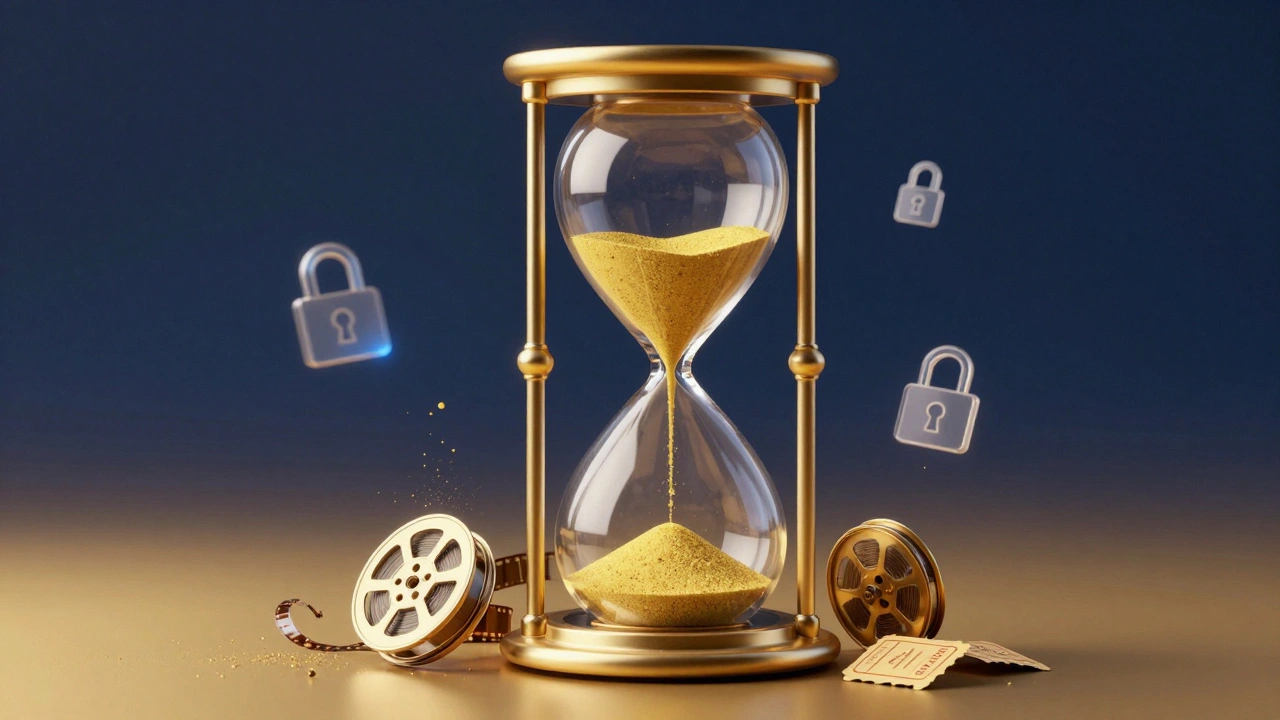
Most people assume they are buying access to a library, but you are really renting temporary viewing permission. Content Licensing AgreementA legal contract granting a platform the right to display copyrighted material for a specific period and territory. These contracts are not infinite. They usually span anywhere from six months to five years, depending on the negotiation power of both sides.
Think of it like renting an apartment. You pay rent to live there, but eventually, the lease ends. You either renew the lease or move out. Streaming services act the same way. NetflixA global subscription video-on-demand service known for original programming and licensed content. pays huge sums to license shows from networks like HBO or CBS. That agreement has a start date and an end date. When the clock strikes zero, the file gets pulled unless a renewal is signed.
Why don’t they just sign forever? Because perpetual rights cost an astronomical amount upfront. If a studio believes their show will grow in popularity, selling the rights for 50 years at a flat rate makes no financial sense. They want to re-negotiate when the content becomes hot property again. This strategy allows the owners to adjust prices based on the cultural relevance of the IP.
| Type of Deal | Duration | Exclusivity | Renewal Likelihood |
|---|---|---|---|
| Legacy Content | 1-3 Years | Often Non-Exclusive | Low |
| New Release Window | 6-12 Months | High (First Look) | Moderate |
| Original Co-Productions | 5-10 Years | Exclusive | Very High |
The Shift to Owned Platforms
A major factor driving these rotations is the corporate strategy shift seen across Hollywood giants. During the late 2010s and early 2020s, almost every major studio realized the value of direct-to-consumer relationships. Owning the platform allows them to sell subscriptions, capture user data, and control the narrative around their intellectual property.
This phenomenon created Direct-to-Consumer ServicesStreaming platforms owned and operated by content creators themselves, such as Disney+ or Max. For instance, Warner Bros. DiscoveryA media conglomerate operating the Max streaming service with a vast library of legacy and original content. moved massive blocks of their catalog onto Max. If they left those shows on a competitor’s service like Hulu, they lose valuable marketing space for their own brand. So, when a license expires, the priority isn’t necessarily to extend it; it’s to bring it home.
In 2026, this consolidation has stabilized. We have fewer apps overall, but the "walled gardens" are tighter. A user might find that a beloved sitcom is now exclusively on a service they already subscribe to, which simplifies things slightly. However, the initial removal still creates confusion. The logic follows a clear pattern: Studios pull content to bolster their own subscriber numbers. Without your subscription to their specific service, they lose revenue potential. Therefore, rotating content away from third parties increases the urgency to sign up.
Economics of the Rotation
Beyond corporate strategy, hard math drives these decisions. Acquiring licenses is expensive. Inflation impacts production costs and acquisition fees alike. Streaming EconomicsThe financial model underpinning subscription video-on-demand services involving CAC, LTV, and content spend. involve balancing Customer Acquisition Costs against Lifetime Value. If a movie brings in very few clicks relative to the licensing fee, keeping it on the roster might make poor financial sense.
Consider a library of older movies. Many were acquired years ago when budgets were different. As inflation rises, the market rate for acquiring rights increases. If the current market price for a 1980s blockbuster has tripled since the original deal was signed, the platform might choose to let the deal lapse rather than pay the premium. They’d rather invest that capital in high-performing originals that offer better retention metrics.
Furthermore, ad-supported tiers have changed the game. Advertising slots are sold based on viewership volume. If a piece of content performs poorly-meaning nobody watches it-it generates less ad revenue. A platform might calculate that swapping out a low-performing license for a trending reality show yields higher returns. This constant evaluation process results in the churning library viewers experience regularly.

The Role of Regional Rights
Geography plays a silent role in what you see on your screen. A license granted in North America does not automatically apply in Europe or Asia. Territorial RestrictionsLegal limitations defining where a digital product can be legally viewed or distributed. define exactly which zip codes can access specific files. Sometimes, a show disappears because a local broadcaster bought the exclusive rights for your specific region.
This complexity creates a confusing patchwork. You might travel to a different country and notice a different selection available. This occurs because local distributors often hold the master rights for international distribution. When a streaming giant negotiates a deal, they must bypass these local holders. If they cannot afford the regional fee, the title simply remains hidden from users in that zone. Consequently, seeing a title vanish in London while it stays on in New York is a standard occurrence driven by local laws.
Managing the Frustration
While we can’t stop the business mechanics of entertainment, you can manage how these changes affect your viewing habits. Since you know these rotations are predictable contracts expiring, you can adapt your discovery strategies. Don’t treat the platform as a fixed library. Treat it as a revolving door. Always prioritize finishing a show before you know the license is expiring.
Utilize tracking tools designed specifically for this purpose. Apps and sites like JustWatch aggregate real-time data on availability. They monitor the digital inventory across all platforms simultaneously. Before committing to starting a series, check the metadata for an expiration alert. Some tools even send notifications when a title’s contract is set to end within thirty days.
Additionally, supporting Digital OwnershipPurchasing a permanent copy of a media file, typically through DRM-protected storefronts. ensures permanence. While less convenient than streaming, buying a digital download guarantees that the file remains yours regardless of licensing cycles. This option is growing in popularity again as users demand stability in the volatile streaming market.
Frequently Asked Questions
Can a film come back after it leaves?
Yes, sometimes. If the streaming service negotiates a renewal after the old contract expires, the title may return. However, in many cases, the rights have shifted to a competitor’s service, making a return unlikely unless a cross-license deal is struck years later.
Why do studios pull their own content?
Studios remove content from third-party apps to drive subscriptions to their own branded platforms. Keeping the content exclusive incentivizes users to subscribe directly to the studio’s service, reducing dependency on other distributors.
Is it legal to record movies before they expire?
No, recording content via screen capture or ripping violates copyright laws and terms of service. Digital ownership involves purchasing legitimate copies, whereas unauthorized copying infringes on the rights managed by the licensing agreements.
Do newer movies have longer licenses?
Usually, yes. Recent releases often command higher prices for longer durations because they are in high demand. Older legacy content tends to have shorter terms because studios view it as less critical for their primary revenue goals compared to new hits.
How do I know why a specific show left?
Official public announcements are rare. Usually, the departure is silent. You can infer the reason by checking if the show appeared on the studio’s own platform shortly after vanishing, indicating a rights transfer to a walled garden.






Comments(5)