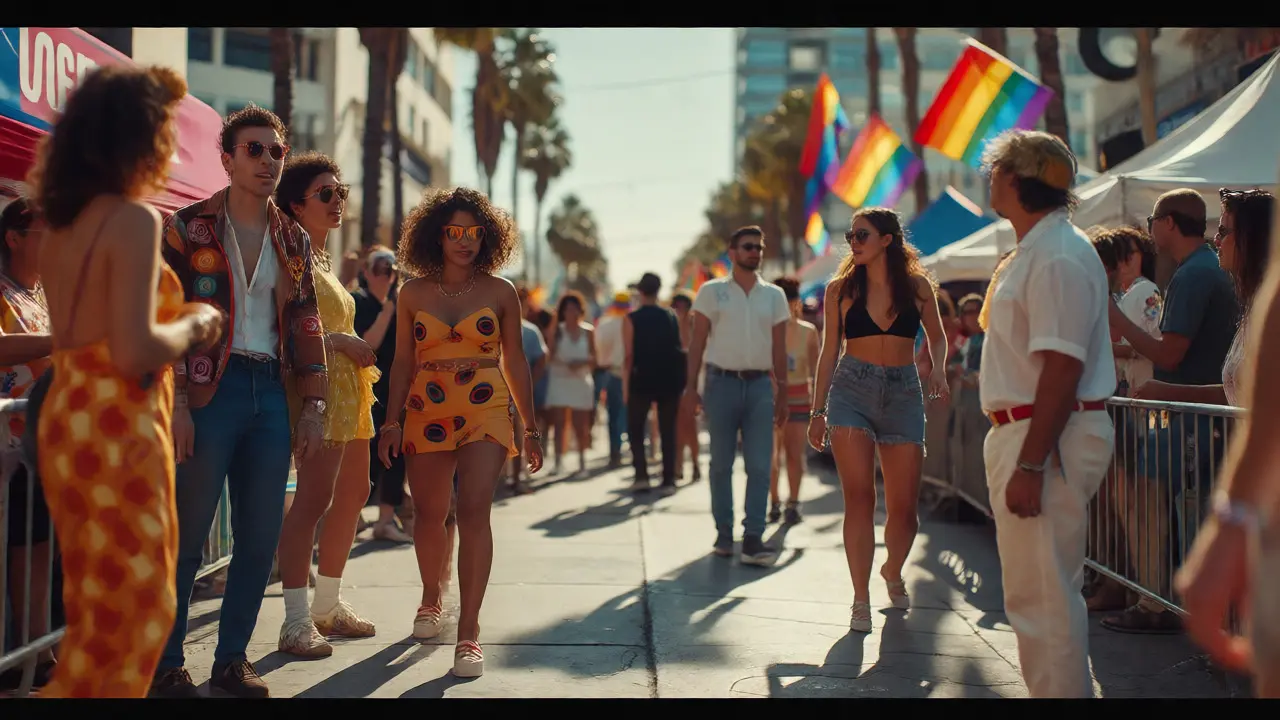
You think you know LGBTQ+ film festivals because of the rainbow flags and the parties. But if you only show up in June, you’re missing half the story. Most major queer film events aren’t just weekend bashes; they are year-round cultural institutions that sustain independent queer voices when Hollywood ignores them. The real value isn’t in the glitter-it’s in the access to stories that never hit streaming platforms.
Here is what you actually need to know before you buy a ticket or submit your short film. This guide breaks down how these festivals operate, why timing matters more than location, and which events are worth your time and money in 2026.
The Myth of the "June Only" Festival
Most people assume LGBTQ+ film festivals happen exclusively during Pride Month. That’s a misconception driven by marketing, not reality. While June sees a spike in visibility, the most influential programming happens outside this window. Take NewFest, the largest annual LGBTQ+ film festival in the United States based in Los Angeles. It typically runs in October. Why? Because it aligns with awards season momentum and avoids the summer blockbuster noise.
Similarly, Frameline, San Francisco’s premier queer film festival, usually takes place in June but has expanded its reach through year-round community screenings. The shift toward autumn programming allows festivals to secure higher-profile premieres. Studios want their films seen by critics and voters when attention spans are longer and competition is different.
If you are looking for premieres, check the fall calendar. If you want community celebration and street fairs, stick to June. Knowing this distinction saves you from showing up to a small local screening expecting a red-carpet event.
How Programming Actually Works
Festival programmers don’t just pick movies they like. They build narratives. A typical program includes four distinct categories, each serving a specific purpose for the audience and the industry:
- Narrative Features: These are the headliners. Think polished dramas or comedies with recognizable actors. They drive ticket sales and press coverage.
- Documentaries: Often the heart of the festival. These films tackle urgent social issues, historical retrospectives, or personal memoirs. They frequently win awards and spark post-screening Q&A sessions.
- Short Films: The incubator for new talent. Many shorts shown at festivals like BFI Flare in London or New York’s Reel Affirmations go on to become series pilots or feature directors’ first works.
- Experimental/Avant-Garde: Niche selections that challenge traditional storytelling. These attract hardcore cinephiles and artists rather than general audiences.
Programmers look for balance. A festival might pair a heavy documentary about trans healthcare rights with a lighthearted romantic comedy to keep the energy varied. If you are attending as a viewer, read the thematic descriptions. They tell you what emotional journey you are signing up for.
Top Tier vs. Regional Gems: Where to Go
Not all festivals offer the same experience. Some are industry hubs where deals get made; others are community centers where locals connect. Here is how the landscape looks right now:
| Festival Name | Location | Typical Timing | Primary Focus | Industry Presence |
|---|---|---|---|---|
| Outfest | Los Angeles, USA | July (Summer) | Hollywood integration, star power | High |
| NewFest | Los Angeles, USA | October (Fall) | Awards buzz, diverse global voices | Very High |
| BFI Flare | London, UK | March/April | European indie, emerging talent | Medium-High |
| Reel Affirmations | Washington D.C., USA | October | Community focus, political activism | Low-Medium |
| Inside Out Film Festival | Toronto, Canada | May/June | North American breadth, accessibility | Medium |
Notice the geographic spread. You don’t have to fly to LA. Toronto, London, and Berlin host massive events that rival US festivals in scale. If you are in Europe, BFI Flare is essential. If you are in North America, NewFest and Inside Out are critical stops for serious cinephiles.
The Digital Shift: Hybrid Models Are Here to Stay
Pandemic-era changes didn’t disappear. In 2026, almost every major festival offers a hybrid model. This means you can attend physically or stream selected titles online. This shift has democratized access. Someone in rural Asheville, North Carolina, can watch a premiere from Brazil without leaving home.
However, digital tickets come with restrictions. Geo-blocking is still common due to licensing rights. Always check if your virtual pass covers your region. Also, note that live Q&As with directors often require physical attendance or specific Zoom links that fill up fast. Don’t assume buying a general virtual pass gets you into every conversation.
For filmmakers, this hybrid nature opens doors. Smaller festivals now accept submissions from anywhere, knowing they can screen digitally if travel costs are prohibitive. This has increased diversity in lineups, allowing voices from underrepresented regions to break through.
Why Year-Round Programming Matters More Than Ever
The term "Pride Month" implies a temporary state. Queer life isn’t temporary. Festivals that run year-round provide consistent visibility. Organizations like GLAAD, the media advocacy organization that monitors representation in entertainment, work closely with these festivals to highlight gaps in mainstream coverage.
Year-round programming allows for thematic deep dives. For example, a festival might dedicate February to Black queer cinema or November to trans narratives. This specificity helps audiences find content that resonates personally. It also gives distributors time to market niche films properly. A release in June gets lost in the noise. A targeted release in September can capture dedicated subscribers.
Consider the impact on local economies. Festivals bring tourism, hotel stays, and restaurant traffic. Cities that support these events see sustained engagement beyond the parade route. If you are a business owner or city planner, supporting off-season screenings builds brand loyalty among a highly engaged demographic.
How to Get Your Film Into a Festival
Are you a filmmaker? Don’t just blast your submission link everywhere. Target strategically. Use platforms like FilmFreeway or Withoutabox to track deadlines, but do your homework. Does the festival specialize in documentaries? Do they have a strong history of showcasing non-binary creators?
Follow these steps to maximize your chances:
- Analyze Past Lineups: Watch trailers from previous years. Match your tone and style to what they’ve accepted.
- Respect Deadlines: Early bird discounts save money, but late entries sometimes stand out if the initial pool was weak. Aim for regular deadline windows.
- Prepare Press Kits: Include high-res stills, director bios, and synopsis. Make it easy for programmers to pitch your film internally.
- Engage Before Submitting: Follow the festival on social media. Comment genuinely. Attend their smaller online events. Visibility helps.
Remember, rejection is part of the process. Even Oscar-winning films were rejected by multiple festivals. Persistence pays off. A film turned down in January might be perfect for a regional showcase in August.
Attending as an Audience Member: Tips for Success
Going to a festival feels overwhelming. Hundreds of films, limited hours, and FOMO (fear of missing out) kick in. Here is how to navigate it without burning out:
- Prioritize Premieres: These films won’t be available elsewhere immediately. If a title has a director Q&A, prioritize it over a repeat viewing.
- Read the Synopses: Don’t judge by posters alone. A boring-looking poster might hide a masterpiece. Conversely, flashy art might mask a weak script.
- Leave Room for Spontaneity: Talk to strangers in line. Recommendations from fellow attendees are often better than curated lists.
- Hydrate and Rest: Sitting in dark theaters for eight hours drains you. Step outside. Eat real food. Your brain needs breaks to process emotions.
Also, respect the space. Queer festivals are safe havens. Be mindful of pronouns, consent, and volume levels during screenings. It’s a community gathering, not just a commercial transaction.
The Future of Queer Cinema Distribution
Festivals are no longer just launchpads; they are gatekeepers. With streaming algorithms favoring broad appeal, niche queer films struggle to find organic discovery. Festivals bridge this gap. They validate films, generating reviews and word-of-mouth that algorithms miss.
Expect more collaborations between festivals and streamers. Platforms like Netflix and Hulu increasingly acquire titles directly from festival circuits. This creates a pipeline: Premiere at a reputable festival → Generate buzz → Secure distribution deal. For viewers, this means watching festivals helps shape what ends up on your screen later.
As we move further into the decade, expect more intersectional programming. Stories blending race, disability, gender identity, and class will dominate. Single-issue narratives are becoming less common in favor of complex, layered human experiences.
Do I need to identify as LGBTQ+ to attend these festivals?
No. These festivals are open to everyone. Allies are welcome and encouraged. The goal is education, celebration, and community building. Just come with an open mind and respect for the space.
Are tickets expensive compared to regular cinemas?
Prices vary. Individual screenings often cost slightly more than standard theater tickets ($15-$20), but passes for full days or weekends offer significant savings. Many festivals also offer pay-what-you-can options or free outdoor screenings.
Can I watch festival films at home?
Yes, thanks to hybrid models. Most major festivals offer virtual passes. However, geo-restrictions apply due to licensing. Check the specific festival’s website for details on regional availability.
What is the difference between Outfest and NewFest?
Both are major LA-based festivals. Outfest traditionally focuses on Hollywood integration and summer visibility. NewFest operates in the fall, aligning with awards season, and often features a broader international selection. Both are prestigious, but their timing and industry connections differ.
How do festivals support emerging filmmakers?
Through grants, mentorship programs, and networking mixers. Many festivals offer cash prizes for shorts and features, helping fund future projects. They also provide exposure to agents and producers who scout talent at these events.