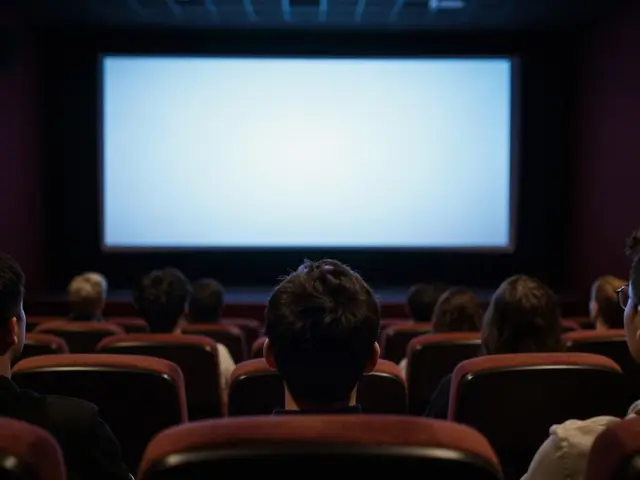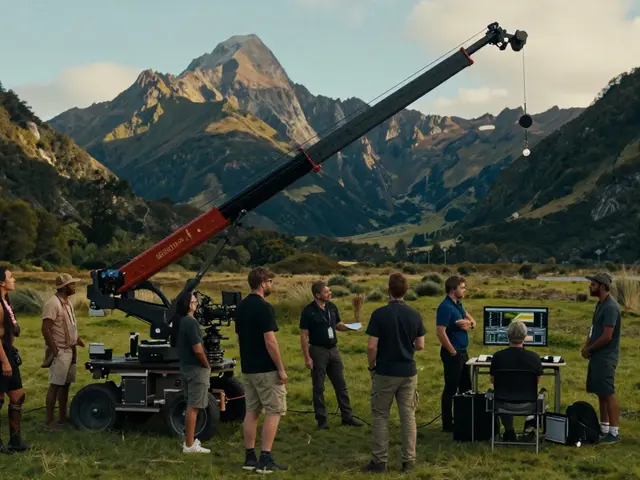
Imagine standing inside a war zone, not watching it through a lens, but feeling the dust kick up around you. Or perhaps you are sitting in a quiet forest, choosing which path to walk down while a narrator whispers secrets about the ecosystem. This is no longer science fiction; it is the current reality of interactive documentaries. By 2026, the line between audience and participant has blurred significantly. Creators are moving beyond passive observation into active exploration, using technology to change how we understand real-world stories.
The shift isn't just about flashy graphics. It is about empathy. When you control the camera or choose the next scene, you make decisions that mirror the choices of the subjects. This creates a deeper emotional connection than traditional linear editing allows. But with great power comes great complexity. How do you maintain journalistic integrity when the viewer controls the flow? Let’s break down the formats that are redefining the genre right now.
The Rise of Branching Narratives
Traditional documentaries follow a single timeline. A director cuts scenes together to tell one specific story. In contrast, branching narratives offer multiple paths. Think of it like a video game where your choices matter, but the content is non-fiction. You might watch a documentary about a political election and choose to follow the campaign manager or the voter. Each path reveals different facets of the same event.
This format requires careful structural design. If the branches diverge too much, the story loses coherence. If they stay too close, the interactivity feels fake. Successful projects use what creators call "convergent divergence." The paths start separate but meet at key emotional beats, ensuring every viewer gets a complete arc regardless of their choices. Platforms like YouTube and specialized web apps have made this accessible without needing expensive hardware. You can click, swipe, or hover to reveal hidden layers of information, turning a static image into a dynamic archive.
Virtually There: The Impact of VR
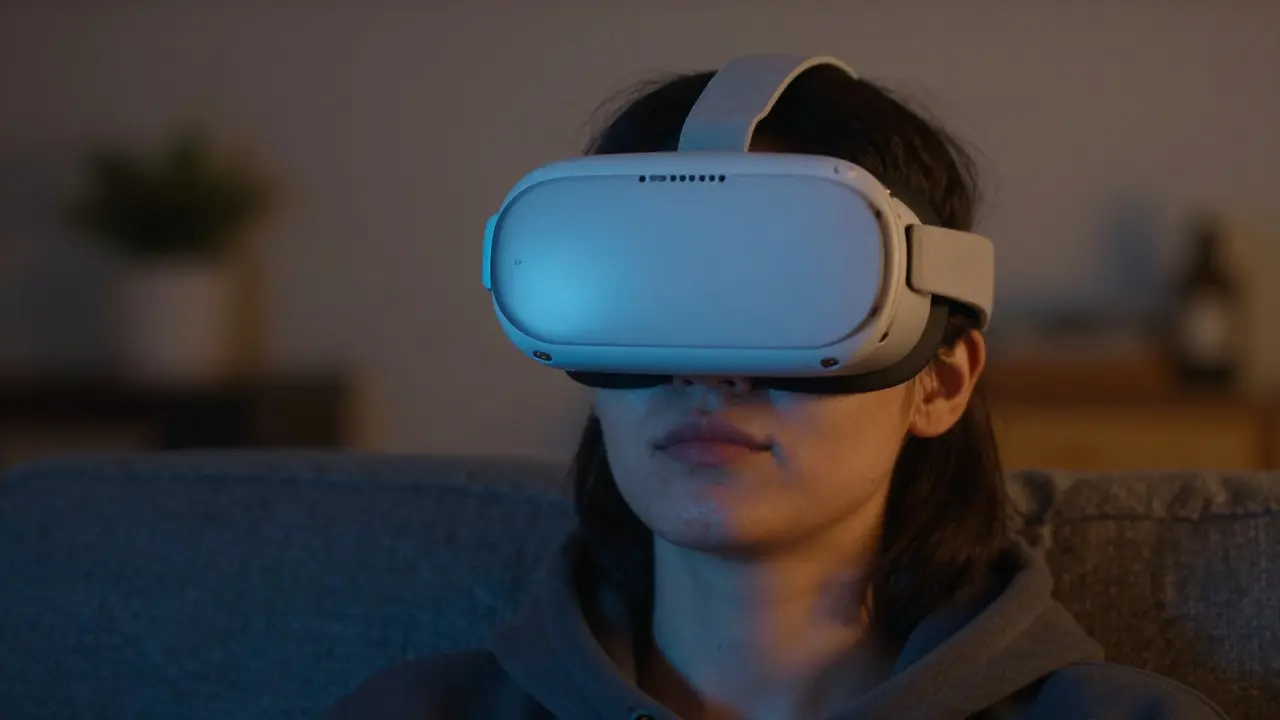
Virtual Reality (VR) takes immersion a step further by removing the screen entirely. Headsets place the viewer directly in the environment. For VR documentary makers, the challenge is scale. How do you direct a shot when there is no frame? The answer lies in sound and spatial awareness. Instead of cutting away from an interview, the subject might be standing three feet to your left, speaking softly so you lean in to hear them.
In 2026, standalone headsets have become lighter and cheaper, making VR docu-content more mainstream. However, comfort remains a hurdle. Motion sickness can still affect some users if the virtual movement doesn't match physical sensation. To combat this, many filmmakers use static camera positions within the VR space, allowing viewers to look around freely without being jostled. The goal is presence-the feeling of actually being there-rather than just seeing there.
Audio as a Narrative Driver
Often overlooked, audio is becoming a primary interface for immersion. Spatial audio uses object-based mixing to place sounds in a 3D space. In an interactive piece, moving your head might bring a distant conversation into focus. This technique guides attention without visual cues. It is particularly effective in dark or low-light environments where visuals are limited.
Podcasts have also adopted interactive elements. Some audio dramas allow listeners to choose dialogue options via voice commands or app buttons. While less visually stunning than VR, these audio-first experiences are highly portable and often achieve higher completion rates because they fit into daily routines like commuting or walking dogs. The intimacy of audio makes it a powerful tool for personal stories, such as memoirs or investigative journalism pieces where nuance matters more than spectacle.

Maintaining Journalistic Integrity
Critics often argue that interactivity compromises truth. If the viewer chooses the ending, is it still a documentary? The consensus among modern editors is that the facts remain fixed, even if the sequence changes. Every branch must be factually accurate. The challenge is avoiding bias in the structure itself. If one path is clearly more exciting or longer, viewers will gravitate toward it, potentially skewing the public's understanding of the core message.
To mitigate this, producers use data analytics to track user behavior. They see where people drop off, which choices they make, and how long they spend on certain nodes. This feedback loop helps refine the narrative structure for future releases. It is a data-driven approach to storytelling that balances artistic vision with audience engagement. Transparency is key; labeling a piece as "interactive" rather than "cinematic" sets the right expectations for the viewer.
Production Tools and Workflows
Creating these formats requires new tools. Traditional NLEs (Non-Linear Editors) like Premiere Pro are good for linear cuts but struggle with complex branching logic. Specialized software has emerged to handle node-based editing. These tools allow editors to map out story trees visually, linking clips based on conditions. For example, "If user clicks left, play Clip A; if user stays idle for 5 seconds, play Clip B."
Integration with game engines like Unreal Engine or Unity has also surged. Filmmakers now build interactive worlds using the same tech stacks as game developers. This enables real-time rendering, meaning scenes don't need to be pre-rendered, saving massive amounts of time and storage. However, this skill gap means production teams now include programmers alongside cinematographers. The cost of entry is higher, but the payoff in engagement metrics is significant for funded projects.
| Format | Hardware Requirement | Primary Engagement Driver | Best Use Case |
|---|---|---|---|
| Branching Web Video | Smartphone or Computer | Choice of Path | Investigative Journalism, History |
| VR Experience | VR Headset | Spatial Presence | Environmental Issues, War Zones |
| Interactive Audio | Headphones/App | Narrative Choice | Personal Memoirs, True Crime |
| Augmented Reality (AR) | Smartphone Camera | Layered Information | Museum Exhibits, Local History |
The Future of Audience Agency
Where does this go next? We are seeing early experiments with AI-driven narratives. Imagine a documentary where an AI narrator adjusts the pacing based on your heart rate, monitored via wearable devices. If you seem bored, it speeds up; if you seem anxious, it slows down. This level of personalization is on the horizon, though privacy concerns loom large.
For now, the most impactful works are those that respect the viewer's intelligence. They offer freedom of exploration but provide enough guardrails to ensure a coherent experience. The best interactive documentaries feel less like games and more like puzzles that reveal a deeper truth. As technology improves, the barrier to entry will lower, allowing smaller crews to produce high-quality immersive stories. The era of the passive spectator is ending, replaced by an era of active participants who help shape the story as they consume it.
Frequently Asked Questions
What is the difference between an interactive documentary and a video game?
The primary difference is intent and source material. Interactive documentaries are based on real events, real people, and factual reporting. Their goal is to inform or evoke empathy regarding a true story. Video games, even narrative ones, are typically fictional or heavily stylized interpretations designed primarily for entertainment mechanics. While both use interactivity, the documentary format prioritizes journalistic accuracy over gameplay loops.
Do I need special equipment to watch interactive documentaries?
Not always. Many branching narrative documentaries work perfectly well on a standard smartphone or computer browser. You only need a VR headset for full immersive VR experiences. For audio-centric pieces, good quality headphones are recommended to appreciate spatial audio effects, but any standard earbuds will function. The accessibility of web-based formats has made this genre widely available without hardware investment.
How do directors maintain control of the story in interactive formats?
Directors use structural constraints. They design the narrative tree so that all possible paths lead to similar thematic conclusions or emotional resolutions. They also use "guardrails," such as limiting the number of choices or using timed sequences where the story progresses automatically after a set period. Data analytics help them see where viewers stray and adjust the structure in updates to keep the narrative focused.
Are interactive documentaries more expensive to produce than traditional ones?
Generally, yes. Producing multiple narrative branches, integrating interactive software, and testing user flows require additional labor and technical expertise. VR productions also involve higher costs for 360-degree cameras and post-production processing. However, web-based interactive pieces can be produced on budgets comparable to high-end traditional documentaries if the scope of interaction is kept manageable. The return on investment often comes from higher viewer retention and shareability.
What are the biggest challenges facing this genre today?
The main challenges are distribution and discovery. Unlike standard videos, interactive pieces often require specific platforms or plugins, making them harder to share on social media. Additionally, educating audiences on how to interact can be a friction point. If users don't know they can click or move, they may treat it as a passive video and miss the intended experience. Clear onboarding instructions are crucial for success.