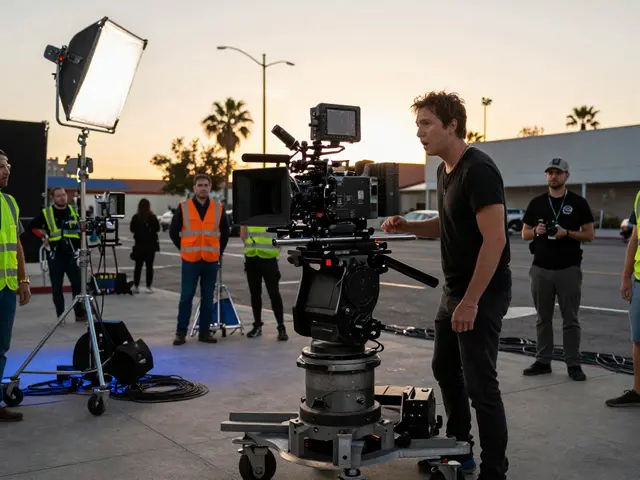
You watch a blockbuster hit the screen, and you assume the studio just wrote a check. It’s rarely that simple. Behind every greenlight is a complex web of cash flow, risk management, and contractual obligations that keep Hollywood moving. If you think studio financing is just about having deep pockets, you’re missing half the picture. The real game is about leveraging assets before they even exist.
Major studios like Warner Bros., Disney, and Universal don’t just fund movies; they engineer financial structures to minimize exposure while maximizing upside. This process involves everything from foreign pre-sales to tax incentives and distribution guarantees. Understanding these mechanisms explains why some risky indie projects get funded while safe sequels sometimes stall. Let’s break down exactly how the money moves.
The Core Engine: Negative Cost vs. Print and Advertising
First, let’s clear up a common misconception. When people talk about a $200 million budget, they usually mean the Negative Cost. This covers production expenses: cast salaries, crew wages, equipment rental, and post-production. It does not include marketing. Marketing costs, known as P&A (Prints and Advertising), can easily double the total investment. For a global release, P&A might add another $150 million on top of the production budget.
Studios often separate these two pots of money. Production funds come from the studio’s balance sheet or special purpose vehicles. Marketing funds often come from regional distribution branches. Why? Because a movie might flop in the US but crush it in China or Europe. By splitting the books, studios can offset losses in one territory with profits in another. This structure allows them to take bigger creative risks on the negative cost side because the marketing spend is tied to performance metrics rather than upfront commitment.
Pre-Sales: Selling Before You Shoot
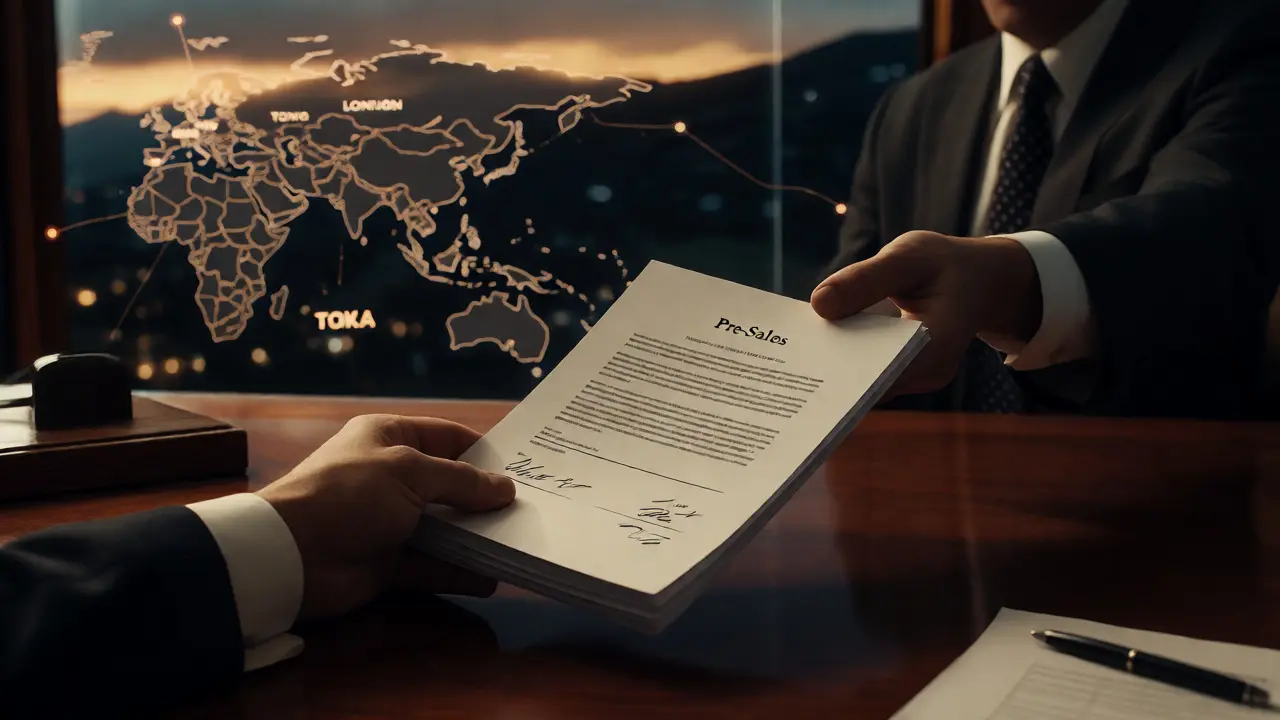
One of the oldest tricks in the book is Pre-Sales. This is where distributors commit to buying rights to a film in specific territories before production begins. If you have a star like Dwayne Johnson attached, international buyers might guarantee $40 million for Asian markets alone. These contracts serve as collateral.
Banks love this. They lend against confirmed revenue streams rather than speculative box office guesses. A completed script with a bankable director and signed actors reduces the lender’s risk significantly. In 2026, this model has evolved. Streaming platforms now participate in pre-sales, offering minimum guarantees for global streaming rights. This hybrid approach-part theatrical pre-sale, part streaming license-provides immediate cash flow to cover initial production days.
| Source | Risk Level | Speed of Cash | Typical Use Case |
|---|---|---|---|
| Studio Balance Sheet | Low (for investor) | Immediate | Franchise Sequels, Tentpoles |
| Bank Loans | Medium | Slow (Due Diligence) | Mid-Budget Dramas, Action |
| Tax Credits | Low | Delayed (Post-Production) | Location-Based Shoots |
| Equity Investors | High | Variable | Indie Crossovers, Risky Genres |
Tax Incentives and Rebates
Geography matters more than you’d think. States and countries offer massive rebates to attract production. Georgia, for instance, offers a transferable tax credit worth up to 30% of qualified expenditures. If you spend $10 million on labor in Atlanta, you might get $3 million back. But here’s the catch: you don’t get the cash immediately. You receive a certificate after the audit.
Studios bridge this gap using Tax Credit Monetization. Financial institutions buy the future rebate at a discount, say 85 cents on the dollar. This provides instant liquidity during production. Without this mechanism, many films would run out of cash halfway through shooting. The key is ensuring the local government honors the credits long-term. Political shifts can threaten these programs, adding a layer of regulatory risk to the financing model.
Distribution Deals and Minimum Guarantees
Once the film is made, how does the money return? Traditional distribution involves a Distributor taking a percentage of gross receipts plus recouping their P&A spend. However, major studios often use internal distribution arms. This simplifies accounting but complicates profit participation calculations for talent.
For independent films distributed by majors, the deal might be an "All Rights" acquisition. The studio pays a lump sum upfront, effectively capping its downside. If the movie becomes a hit, the studio keeps all the upside beyond that payment. Conversely, if it flops, the producer walks away with guaranteed cash, avoiding bankruptcy. This model shifted post-pandemic. Streamers prefer subscription-driven value over per-ticket revenue, leading to different valuation metrics based on subscriber retention rather than opening weekend numbers.
Gap Financing and Completion Bonds
What happens when you raise $80 million but need $100 million? You fill the gap. Gap Financing covers the difference between secured funds and the total budget. Lenders accept the risk that the film might not recoup enough to pay back the gap loan. Interest rates are higher here, reflecting the increased uncertainty.
To protect against overspending, producers purchase a completion bond. This insurance policy guarantees the film will be finished and delivered according to the contract. If the director goes over schedule or budget, the bond company steps in, potentially replacing the director to finish the job. Banks require this bond before releasing final tranches of loans. It’s a safety net that ensures investors get a deliverable product, not just raw footage.

The Role of Equity Investors
Not all money comes from banks. High-net-worth individuals and family offices provide equity capital. They want a piece of the backend profits. In exchange for accepting higher risk, they demand priority in repayment schedules. Often, they sit behind the lenders but ahead of the producers in the waterfall.
This dynamic creates tension. Producers want to defer fees to stretch the budget. Investors want their cash back first. Negotiating the "waterfall"-the order in which revenues are distributed-is critical. A poorly structured waterfall can leave everyone unhappy even if the film makes money. Transparent reporting and clear definitions of "net profits" versus "gross profits" prevent disputes years down the line.
How Streaming Changed the Equation
Netflix, Amazon, and Apple changed the rules. They often fund 100% of the budget in exchange for exclusive rights. There are no theatrical windows to manage, no P&A splits with exhibitors. The metric shifts from box office dollars to hours viewed and subscriber acquisition cost.
This stability attracts talent who want guaranteed paychecks without gambling on audience turnout. However, it removes the long-tail revenue potential of traditional theatrical releases. A movie that runs for six months in theaters generates residual income for decades. A streaming movie often disappears from view once the algorithm rotates content. Studios now blend both models, testing theatrical releases for prestige titles while dumping volume content directly onto platforms.
What is the difference between negative cost and total budget?
Negative cost refers strictly to production expenses like cast, crew, and equipment. Total budget typically includes marketing (P&A) and distribution fees. Studios often finance these separately to manage risk across different territories.
Why do studios use pre-sales?
Pre-sales reduce risk by securing guaranteed revenue before production starts. Banks use these contracts as collateral to issue loans, providing immediate cash flow to cover early production costs.
How do tax credits affect film financing?
Tax credits act as indirect subsidies. Since they are paid after production, producers monetize them by selling the certificates to financial institutions at a discount, gaining immediate liquidity.
What is a completion bond?
A completion bond is an insurance policy that guarantees the film will be finished and delivered on time and within budget. If the production fails, the bond company intervenes to complete the film.
Do streaming services still use traditional financing models?
Many streamers now fully fund productions internally, removing the need for external debt. However, they may still use tax credits and co-production treaties to optimize costs across different regions.