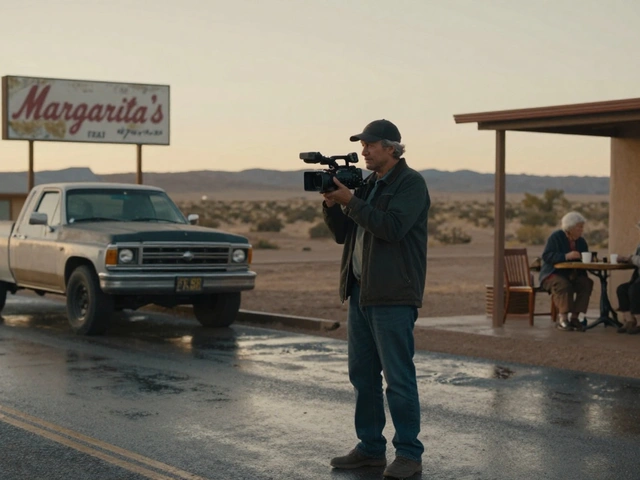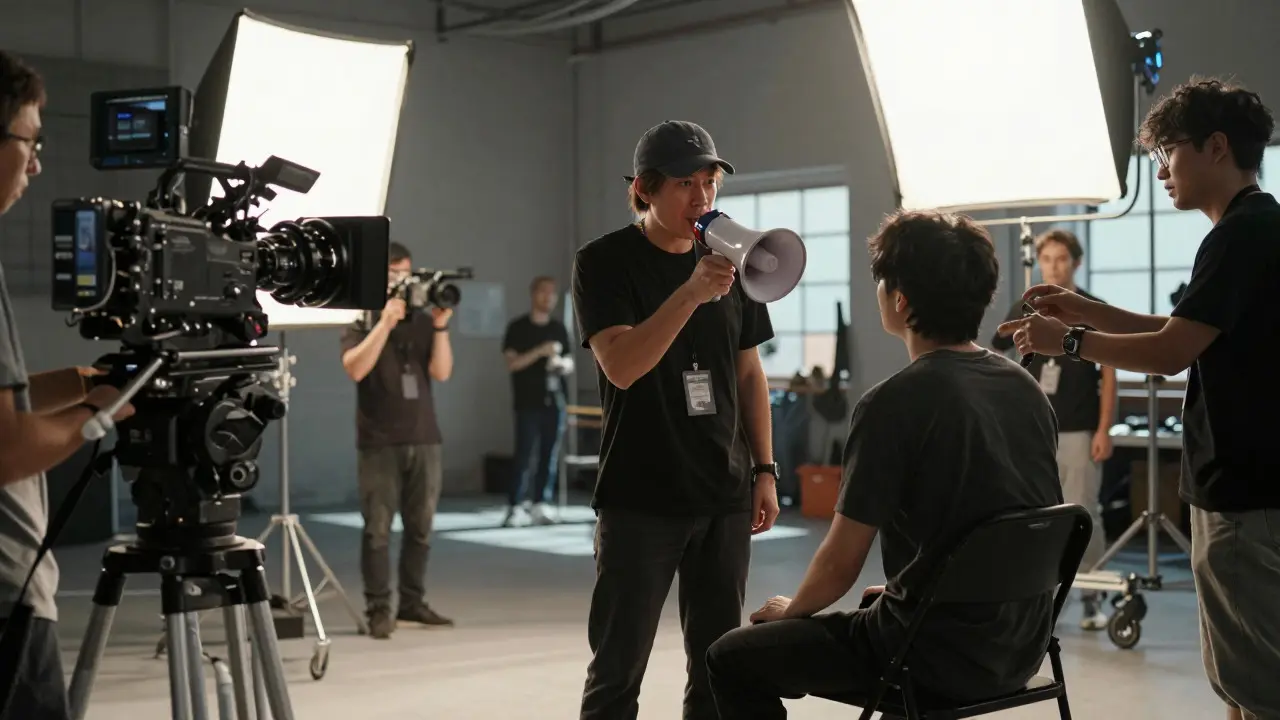
Ever watched a blockbuster and wondered who actually made it happen? It’s not just the actors in front of the camera. Behind every frame is a complex machine of specialized professionals working in tight coordination. Understanding film crew roles helps you appreciate why some movies feel seamless while others stumble. The three pillars of visual storytelling are the Director, the Cinematographer, and the Editor. Each has a distinct job, but their work overlaps constantly.
Most people think the Director does everything. In reality, they are the vision holder. They don’t usually operate the camera or cut the film themselves. Instead, they guide the performance and ensure every department aligns with the story’s emotional core. This distinction is crucial for anyone interested in how films are actually built, from indie shorts to studio epics.
The Director: The Visionary Leader
Director is the creative head of a film production responsible for interpreting the script and guiding all artistic elements. Think of them as the conductor of an orchestra. They don’t play every instrument, but they ensure the music sounds right. Their primary attribute is decision-making power. From casting choices to final color grading, their approval is often required.
A Director’s day starts before the cameras roll. They spend hours in pre-production meetings with the Production Designer and Costume Designer to set the look. On set, they focus heavily on actor performance. You might see them whispering notes to an actor between takes. This isn’t just about blocking; it’s about extracting specific emotional beats. For example, a Director might ask for "more hesitation" rather than just "say the line faster."
Common misconceptions include thinking Directors choose the lighting setup directly. Usually, that’s the Cinematographer’s domain. However, the Director sets the mood. If the scene needs to feel claustrophobic, the Director tells the Cinematographer to use tighter framing and harsher shadows. This collaborative dynamic defines the first major relationship in the crew structure.
The Cinematographer: Painting with Light
Cinematographer, also known as the Director of Photography (DP), is the technical and artistic leader responsible for capturing the visual image of the film. While the Director decides *what* to show, the DP decides *how* it looks. This role combines engineering with artistry. They manage the lighting, camera movement, lens selection, and exposure.
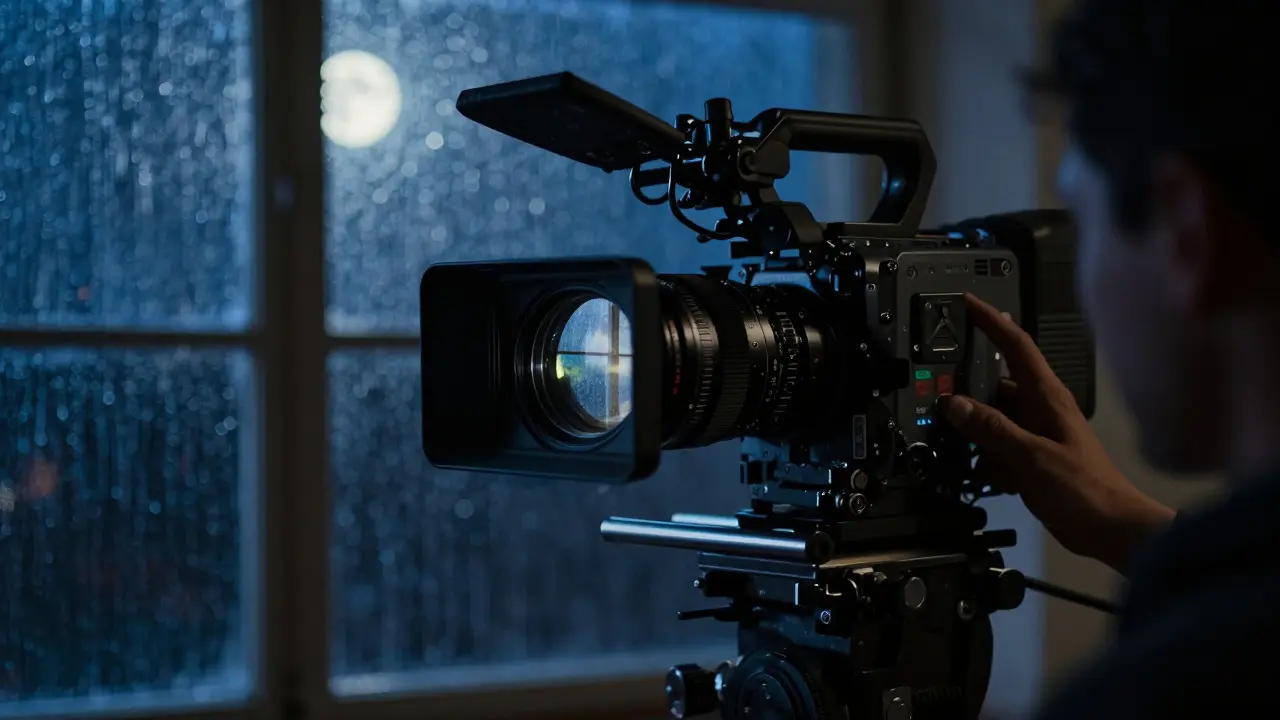
Let’s break down the attributes of this role. A DP works closely with the Gaffer (lighting lead) and Camera Operator. If a scene is set at night in a rainstorm, the DP calculates how much artificial light is needed to simulate moonlight without blowing out the highlights. They choose lenses based on focal length. A wide-angle lens (like 24mm) distorts space, making rooms look larger. A telephoto lens (like 85mm) compresses depth, isolating subjects. These choices subconsciously affect how the audience feels.
In modern productions, DPs also oversee digital workflows. They monitor images on high-end reference monitors to check color accuracy in real-time. This ensures that what you see on set matches what will be delivered to the Editor later. Without this consistency, post-production becomes a nightmare of mismatched shots.
The Editor: The Invisible Architect
Editor is the professional who assembles raw footage into a coherent narrative structure during post-production. Many directors say the film is "made in the edit." That’s because the Editor controls pacing, rhythm, and clarity. If a scene drags, the Editor trims it. If a transition is confusing, they fix it. This role requires a deep understanding of storytelling logic, not just software skills.
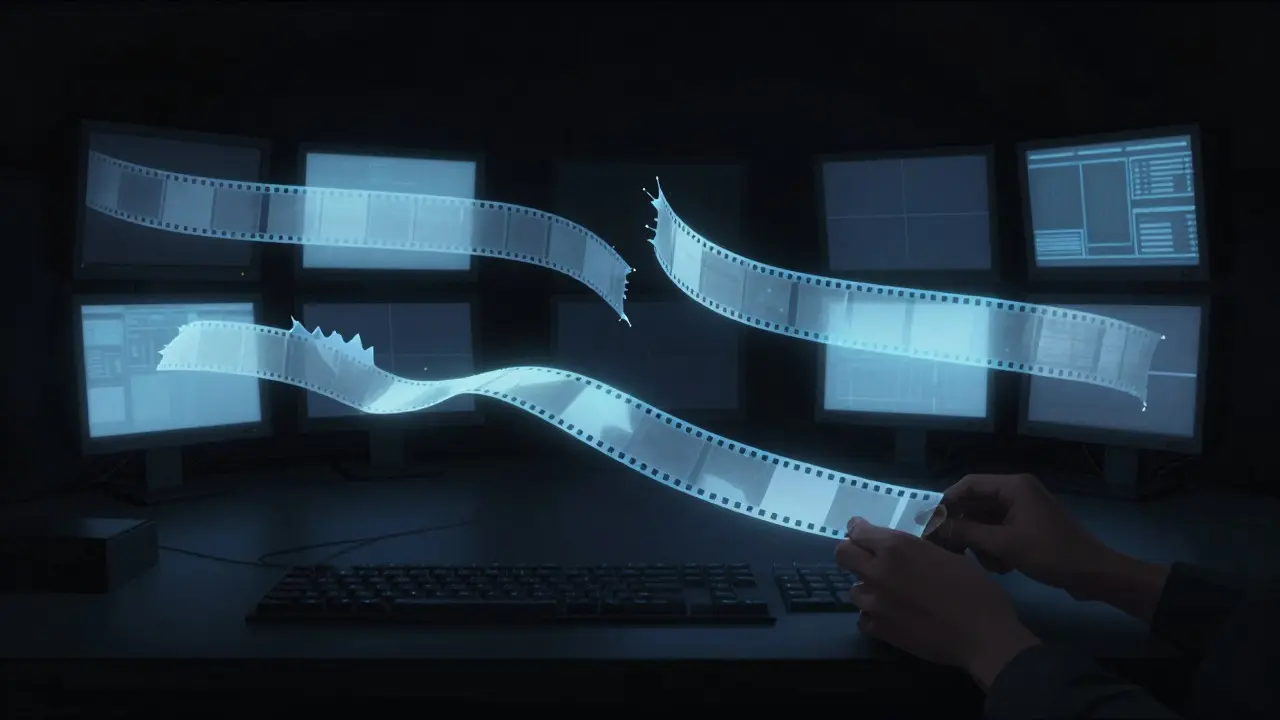
The editing process begins once shooting wraps, though some editors start reviewing dailies (raw footage) during production. They organize thousands of clips into sequences. Then, they build the rough cut. This initial version is often messy and long. The Director reviews it, provides notes, and the Editor refines. This cycle can repeat dozens of times.
Key attributes of an Editor include timing precision and emotional intuition. They know when to hold a shot to let emotion land versus when to cut quickly to build tension. For instance, in a thriller, rapid cuts increase anxiety. In a drama, longer takes allow empathy to develop. The Editor balances these tools to serve the Director’s vision while keeping the audience engaged.
How These Roles Interact: A Practical Workflow
These three roles don’t work in silos. They form a triangle of collaboration. Here’s how a typical sequence unfolds:
- Pre-Production: The Director and DP storyboard the key scenes. They discuss visual themes. The Editor isn’t usually involved yet, but they may review the script for structural issues.
- Shooting: The Director guides actors. The DP captures the image. The Camera Operator executes the moves. The Sound Mixer records audio. All departments report to the Director for final approval on set.
- Post-Production: The Editor assembles the footage. The Director reviews cuts. The DP might grade the color later, but the Editor ensures continuity. If a shot was missed during filming, the Editor might have to hide it with a cutaway or insert.
This interdependence means that if one role fails, the whole project suffers. A great Director with a weak DP might have beautiful performances but ugly visuals. A brilliant DP with a poor Editor might have stunning images that don’t tell a clear story.
Comparison of Core Responsibilities
To clarify the boundaries, here is a breakdown of who handles what. This table simplifies complex duties into clear categories.
| Role | Primary Focus | Key Tools | Phase of Production |
|---|---|---|---|
| Director | Story, Performance, Vision | Script, Storyboards, Notes | Pre-prod, Shoot, Post-prod |
| Cinematographer | Lighting, Composition, Color | Cameras, Lenses, Lights | Pre-prod, Shoot |
| Editor | Pacing, Structure, Continuity | NLE Software, Timeline | Shoot (Dailies), Post-prod |
Notice that the Director spans all phases. The DP is most critical during shooting. The Editor dominates post-production. This timeline overlap creates potential friction points, especially when the Director wants changes late in the edit that require reshoots, which then involve the DP again.
Common Pitfalls and How to Avoid Them
Even experienced crews make mistakes. Here are three common issues and how to prevent them.
- Mismatched Visual Tones: If the DP shoots Scene A with warm tones and Scene B with cool tones without intent, the Editor will struggle to blend them. Solution: Establish a color palette in pre-production.
- Over-Directing: When a Director micromanages the Camera Operator, it slows down shooting. Solution: Trust the DP’s team to execute the vision efficiently.
- Late Script Changes: Changing dialogue after shooting confuses the Editor, who must re-cut around new lines. Solution: Lock the script before principal photography begins.
Communication is the antidote to these problems. Daily wrap meetings where the Director, DP, and Assistant Editor share updates help keep everyone aligned.
Frequently Asked Questions
Who has more creative control: the Director or the Cinematographer?
The Director holds final authority over the story and performance. However, the Cinematographer has significant autonomy over technical execution. In practice, they collaborate. If they disagree, the Director usually wins, but a good DP explains why a certain look serves the story better.
Can a Director also be the Cinematographer?
Yes, many independent filmmakers wear both hats to save budget. However, this can dilute focus. The Director may miss performance nuances while adjusting lights. Large productions almost always hire separate specialists for each role.
What software do Editors typically use?
Adobe Premiere Pro, DaVinci Resolve, and Avid Media Composer are industry standards. The choice depends on the production scale. High-end features often use Avid for its robustness, while smaller projects prefer Premiere or Resolve for speed and cost-efficiency.
When does the Editor join the project?
Ideally, during pre-production to understand the narrative flow. Practically, they join during shooting to review dailies. Full-time editing begins after principal photography wraps, though some editors start assembling scenes immediately after shooting ends.
How do these roles differ in television versus film?
Television often uses multiple cameras and shorter setups, leading to less coverage per scene. This gives Editors fewer options. Film allows for more coverage and slower pacing. Consequently, TV Editors must be quicker in assembly, while Film Editors have more material to shape the rhythm.