You might think the most groundbreaking LGBTQ+ cinema comes from Hollywood or European arthouse circuits. But look closer at what’s happening south of the border, and you’ll see a seismic shift. Latin America is no longer just exporting telenovelas or political thrillers; it’s becoming a global powerhouse for queer storytelling that feels raw, urgent, and deeply human.
This isn’t about tokenism. It’s about filmmakers who are rewriting the rules of narrative, identity, and desire. From the bustling streets of Mexico City to the vibrant beaches of Rio de Janeiro, directors are using the camera lens to challenge centuries of machismo and religious conservatism. If you’re tired of the same old coming-out tropes, these new voices offer something far more complex: stories where being queer is just part of the character, not the entire plot.
The Shift from Marginalization to Mainstream Recognition
For decades, queer characters in Latin American media were either punchlines or tragedies. Think of the "sissy" sidekick or the gay man who dies by the end of the movie. That dynamic has shattered. The turning point? A combination of legal changes, social movements, and a new generation of filmmakers who grew up with smartphones and access to global culture.
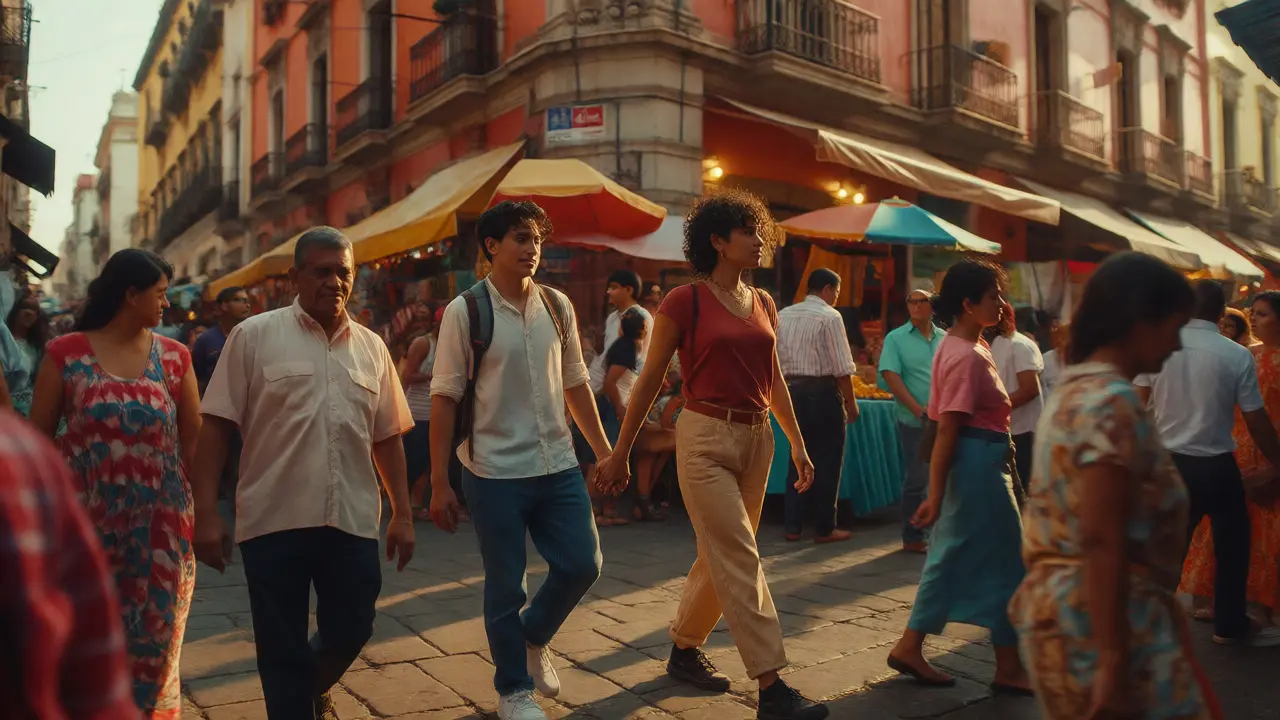
Take Mexico as a prime example. After the legalization of same-sex marriage in various states and nationwide recognition, the film industry responded with nuanced narratives. Films like Taxi Center or Los Adorables Mundos don’t just show love; they show the friction between traditional family structures and modern identities. These aren’t abstract concepts. They are real conflicts played out in living rooms across Puebla and Guadalajara.
Brazil offers a different but equally compelling angle. Despite political turbulence, Brazilian cinema remains one of the most prolific producers of LGBTQ+ content in the region. Directors like Daniel Ribeiro have moved beyond simple romance to explore intersectionality-how race, class, and sexuality collide. His earlier work paved the way for current hits that tackle HIV stigma and trans visibility with unflinching honesty.
Key Countries Driving the Movement
Not every country is moving at the same speed, but several stand out as hubs of innovation. Understanding where the energy is helps you know what to watch next.
| Country | Dominant Theme | Notable Trend | Key Festival Influence |
|---|---|---|---|
| Argentina | Urban Identity & Politics | High production value; strong state funding support | Buenos Aires International Independent Film Festival (BAFICI) |
| Mexico | Family Dynamics & Tradition | Blending magical realism with queer reality | Guadalajara International Film Festival (FICG) |
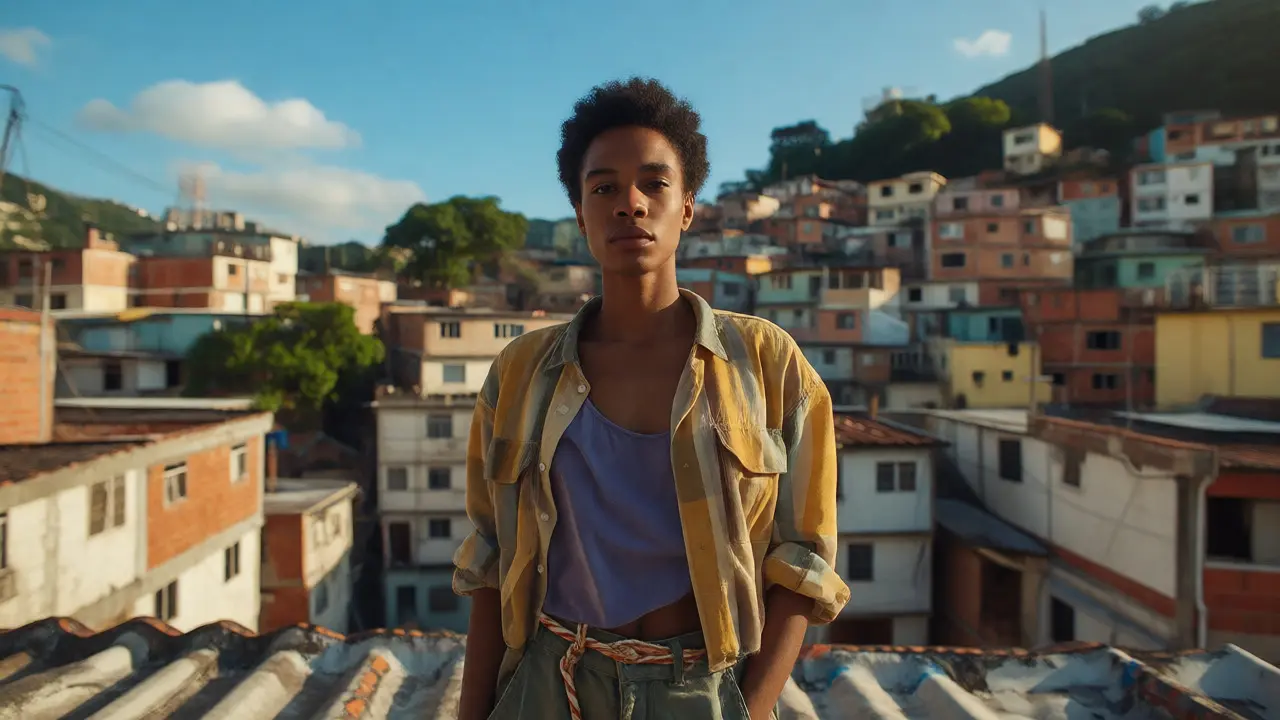
| Brazil | Social Justice & Intersectionality | Focusing on Black queer experiences and favela life | Rio de Janeiro International Film Festival |
| Chile | Historical Memory & Repression | Exploring the legacy of Pinochet-era censorship | Santiago International Film Festival (SANFIC) |
Argentina leads the pack when it comes to institutional support. The Instituto Nacional de Cine y Artes Audiovisuales (INCAA) actively funds projects that reflect diverse identities. This financial backing allows directors like Lucrecia Martel to experiment with form, even if her work is broader than strictly queer themes. Her influence trickles down to younger filmmakers who prioritize aesthetic risk-taking.
Mexico, meanwhile, leverages its proximity to the US market while maintaining a distinct cultural voice. The rise of streaming platforms has allowed Mexican queer comedies to find massive audiences without relying solely on theatrical releases. Shows and films alike now feature openly gay actors playing roles that aren’t defined by their sexuality alone.
Breaking Stereotypes: Beyond the "Coming Out" Narrative
Here’s the thing: we’ve seen enough movies where the climax is a character telling their mom they’re gay. While those stories matter, they can become repetitive. The new wave of Latin American cinema moves past this milestone quickly. In many recent films, the protagonist is already out. The drama comes from other places-career struggles, romantic breakups, economic hardship, or navigating friendships.
Consider the film El Camino de San Diego or similar contemporary works. The tension isn’t "Will they accept me?" It’s "How do I build a life when society still treats my existence as a debate topic?" This shift reflects a maturing society. When acceptance becomes partial, the conflict shifts from survival to thriving.
Trans representation has also evolved. Early portrayals often focused on tragedy or transition surgery. Now, films like A Fantastic Woman (though Chilean, it resonates across the region) showed us that trans characters can be complex, flawed, and central to mystery or thriller plots. The focus is on agency. Trans actresses are increasingly directing and writing, ensuring their stories aren’t filtered through a cisgender male gaze.
The Role of Festivals and Digital Platforms
You might wonder how these niche films find an audience. Two engines drive this distribution: regional festivals and digital streaming.
Festivals like BAFICI in Argentina or FICG in Mexico serve as launchpads. They provide critical validation and press coverage that independent films desperately need. Winning an award at BAFICI can secure distribution deals in Europe or North America. For emerging directors, these events are networking goldmines. You meet producers, sales agents, and fellow artists who share your vision.
Digital platforms have democratized access. Services like Netflix, Amazon Prime Video, and specialized LGBTQ+ streamers have invested heavily in Latin American original content. Why? Because the audience is there. Younger viewers in Bogotá, Lima, and São Paulo consume content on phones, not TV sets. Algorithms push queer content to users who engage with it, creating a feedback loop that encourages more production.
This accessibility matters. A teenager in rural Colombia can now watch a film made by someone in Buenos Aires who shares their specific cultural context. That connection builds community. It tells young people they aren’t alone, even if their local town doesn’t have a pride parade.
Challenges Still Face the Industry
Let’s not paint too rosy a picture. Progress isn’t linear. Conservative backlash remains a real threat. In countries like El Salvador or parts of Central America, anti-LGBTQ rhetoric from political leaders can chill investment in queer arts. Funding cuts under right-wing administrations have stalled projects mid-production.
There’s also the issue of homogeneity within the movement. Most prominent queer films still center white, middle-class protagonists. The experience of a gay indigenous man in Oaxaca differs vastly from a gay lawyer in Mexico City. Filmmakers are working to bridge this gap, but progress is slow. We need more stories that highlight racial diversity within the queer community.
Additionally, censorship persists in subtle forms. Self-censorship by producers fearing advertiser backlash means some scenes get toned down. Explicit sexual content involving queer couples often faces stricter scrutiny than heterosexual equivalents. Navigating this requires clever storytelling techniques-using metaphor, silence, and implication to convey intimacy without triggering conservative gatekeepers.

Why This Matters Globally
Why should you care about films from Santiago or Recife? Because they expand our understanding of what queer life looks like outside Western liberal democracies. Hollywood often presents a sanitized version of LGBTQ+ rights-one tied to consumerism and corporate pride. Latin American cinema reminds us that queerness is also tied to labor, land, religion, and resistance.
These films export empathy. When a viewer in Berlin watches a story about two men hiding their relationship in a small Colombian village, they connect with universal emotions of fear and hope. This cross-cultural dialogue breaks down stereotypes about Latin America being uniformly homophobic. It shows nuance. It shows humanity.
Furthermore, the aesthetic styles emerging from the region influence global cinema. The use of long takes, natural lighting, and non-professional actors creates a visceral realism that polished Hollywood productions often lack. Directors like Sebastián Lelio in Chile or Karim Aïnouz in Brazil are shaping international tastes, proving that authenticity sells.
What to Watch Next
If you want to dive deeper, start with these recommendations based on current trends:
- For Emotional Depth: Look for Argentine dramas focusing on family secrets. Films exploring the impact of the dictatorship on queer lives offer historical weight.
- For Comedy and Lightness: Mexican rom-coms featuring queer leads are booming. They normalize relationships without making them the sole source of conflict.
- For Social Commentary: Brazilian documentaries highlighting trans activists and sex workers provide crucial educational value alongside entertainment.
- For Visual Innovation: Chilean thrillers often use genre conventions to mask queer subtext, offering a sophisticated viewing experience.
The landscape is changing fast. What was considered controversial five years ago is now mainstream conversation. Keep your eyes on emerging talent from Peru and Ecuador, where smaller industries are producing surprisingly bold work despite limited budgets.
Is LGBTQ+ cinema popular in all Latin American countries?
No, popularity varies significantly. Countries like Argentina, Brazil, and Mexico have robust markets and festival circuits supporting queer films. However, in more conservative nations such as Honduras or Guatemala, production is lower due to social stigma and limited funding, though underground scenes are growing.
Do these films only appeal to LGBTQ+ audiences?
Absolutely not. While they resonate strongly with queer viewers, their themes of family, love, and identity are universal. Many straight audiences enjoy these films for their artistic merit and emotional depth, much like they would any acclaimed foreign-language drama.
Where can I watch Latin American LGBTQ+ films?
Major streaming services like Netflix and Amazon Prime have expanded their Latin American libraries. Additionally, specialized platforms like MUBI often curate high-quality selections from regional festivals. Local theaters in major cities also host special screenings during Pride months.
How does religion influence these films?
Religion, particularly Catholicism and Evangelical Christianity, plays a significant role. Many films depict the tension between faith and sexuality. Some characters reject religion entirely, while others seek to reconcile their beliefs with their identity, adding layers of internal conflict to the narrative.
Are there famous LGBTQ+ directors in Latin America?
Yes. Directors like Pedro Almodóvar (Spain, but influential in LatAm), Lucrecia Martel (Argentina), and Sebastián Lelio (Chile) have shaped the discourse. Emerging talents include Yorgos Lanthimos-influenced creators in Mexico and socially conscious filmmakers in Brazil who identify as queer or ally-led.