You have a script. You have passion. You probably have a friend who owns a decent camera. But do you have the cash? Most first-time producers think an independent film budget is just the sum of gear rentals and coffee runs. That assumption kills more projects than bad acting ever will.
Here is the hard truth: money in indie film doesn't just disappear; it evaporates through inefficiency. If you are aiming for a festival-ready feature in 2026, understanding where every dollar goes isn't optional-it's survival. Let’s break down the real numbers, not the Hollywood fantasy.
The Three Tiers of Indie Budgets
Before we open the ledger, you need to know which bucket you’re falling into. There is no single "average" indie budget because the range is massive. We generally see three distinct tiers based on current market standards.
| Tier | Budget Range | Production Quality | Distribution Potential |
|---|---|---|---|
| Microbudget | $15k - $75k | Raw, digital, guerrilla style | Niche festivals, online platforms |
| Low-Budget | $75k - $500k | Professional crew, polished look | Sundance, SXSW, regional distributors |
| Mid-Range Indie | $500k - $2M | Cinema cameras, known actors | Theatrical release, streaming deals |
Notice the gap between Micro and Low? That jump is brutal. Crossing from $50k to $100k often means hiring a full-time producer and paying everyone above union scale minimums. It changes the entire workflow.
Pre-Production: The Hidden Cost Center
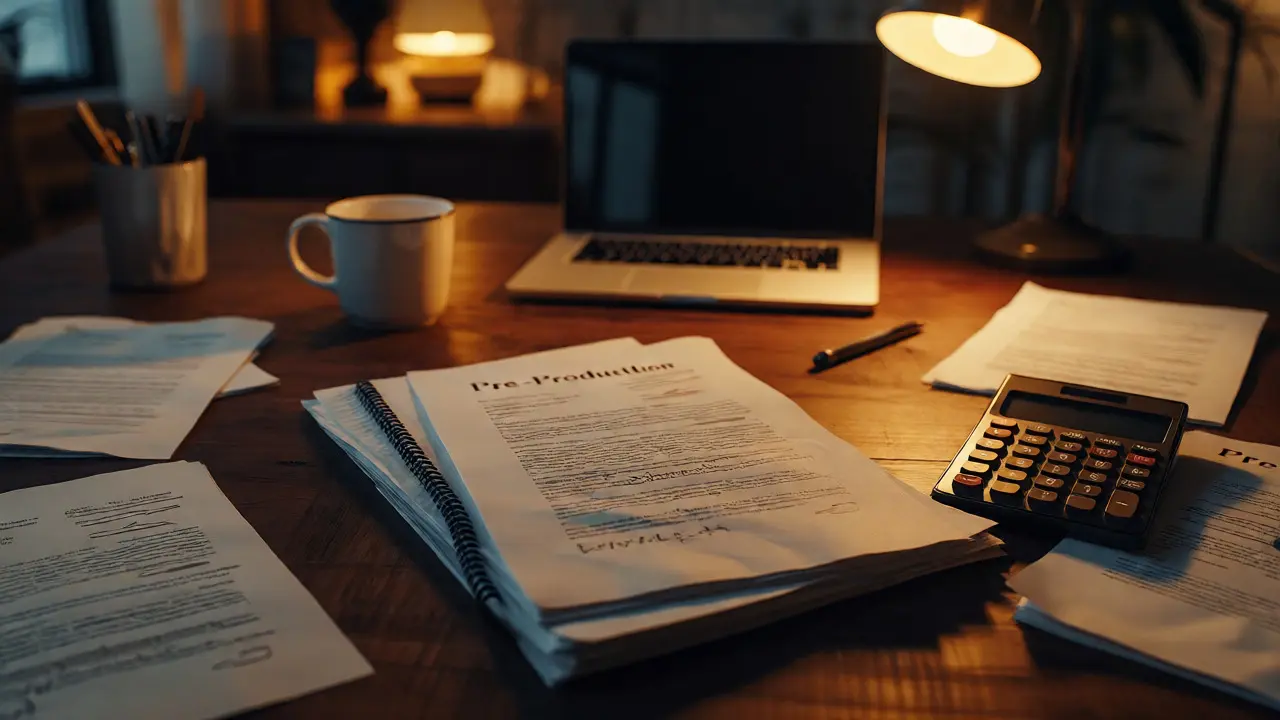
Most beginners skip this line item or underfund it severely. They assume prep is free because they aren't shooting yet. Wrong. Pre-production is where you spend money to save money later. This phase includes script development, casting, location scouting, and insurance.
Script Development alone can cost $2,000 to $10,000 if you hire a professional script doctor. Do not skip this. A messy script leads to reshoots, and reshoots destroy budgets. Next, consider Insurance. No serious distributor will touch your film without Errors and Omissions (E&O) insurance and general liability coverage. For a low-budget shoot, expect to pay $3,000 to $8,000 depending on stunt work and cast size.
- Legal Fees: Contracts for cast, crew, and locations. Never rely on handshakes.
- Casting Directors: Even for non-stars, a good CD finds talent that fits the role, saving days of failed auditions.
- Location Permits: In cities like New York or Los Angeles, permits are mandatory and expensive. Ignoring them risks shutdowns.
Production Costs: Crew, Gear, and Catering
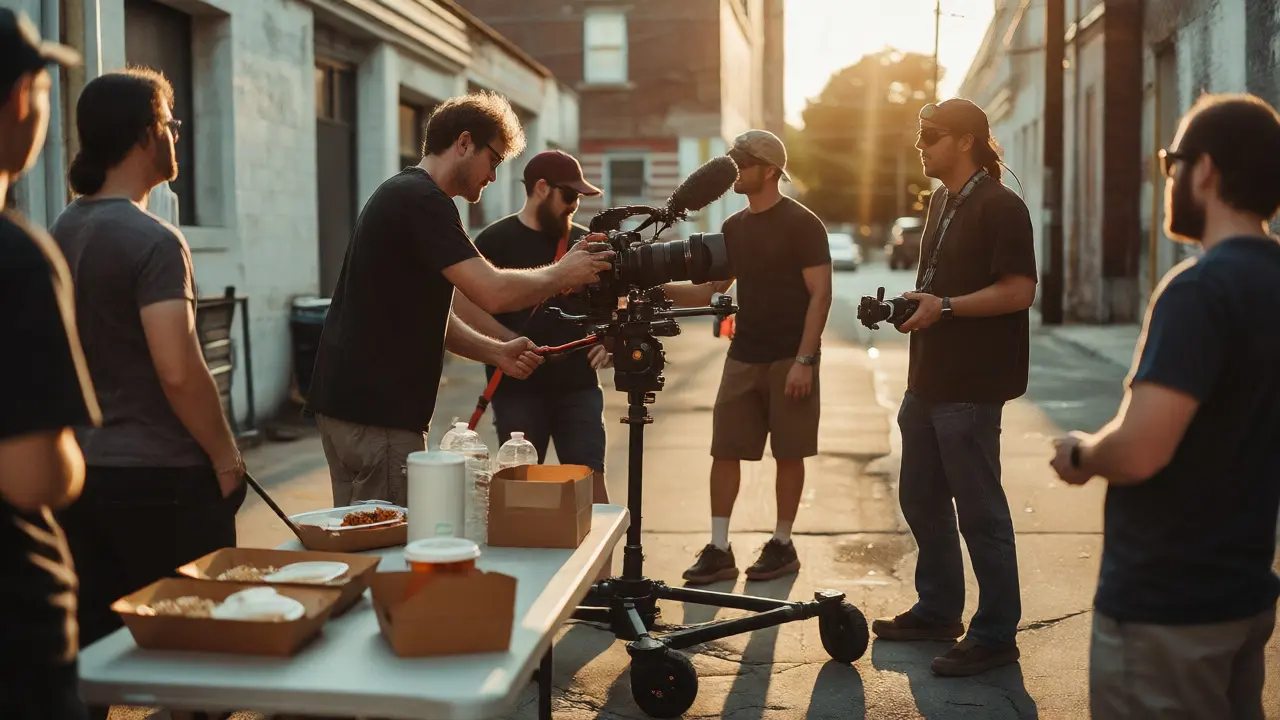
This is the biggest chunk of your pie chart. Typically, production consumes 40-50% of the total budget. The biggest variable here is labor. Are you paying day rates or deferred payments?
In 2026, the average day rate for a skilled Director of Photography (DP) on a low-budget indie ranges from $800 to $1,500. Add a gaffer, key grip, sound mixer, and boom operator, and you are looking at $3,000 to $5,000 per day just for technical crew. If you shoot for 20 days, that’s $60,000 to $100,000 before you buy a single battery.
Then there is food. People forget catering until their crew is starving and angry. Budget $25 to $40 per person per day. For a crew of 15, that’s nearly $1,000 daily. It sounds small, but over a month, it adds up to $30,000. Feeding people well keeps morale high and prevents costly mistakes caused by fatigue.
Equipment rental is another trap. Renting top-tier cinema cameras like ARRI Alexa or RED Komodo can cost $1,000+ per day including lenses and support gear. Many smart indie producers opt for mirrorless hybrids like Sony FX3 or Canon C70, which offer cinematic depth at half the rental price. Or, they buy used gear. Buying a reliable package for $15,000 might be cheaper than renting for 20 days.
Post-Production: Where Films Are Made
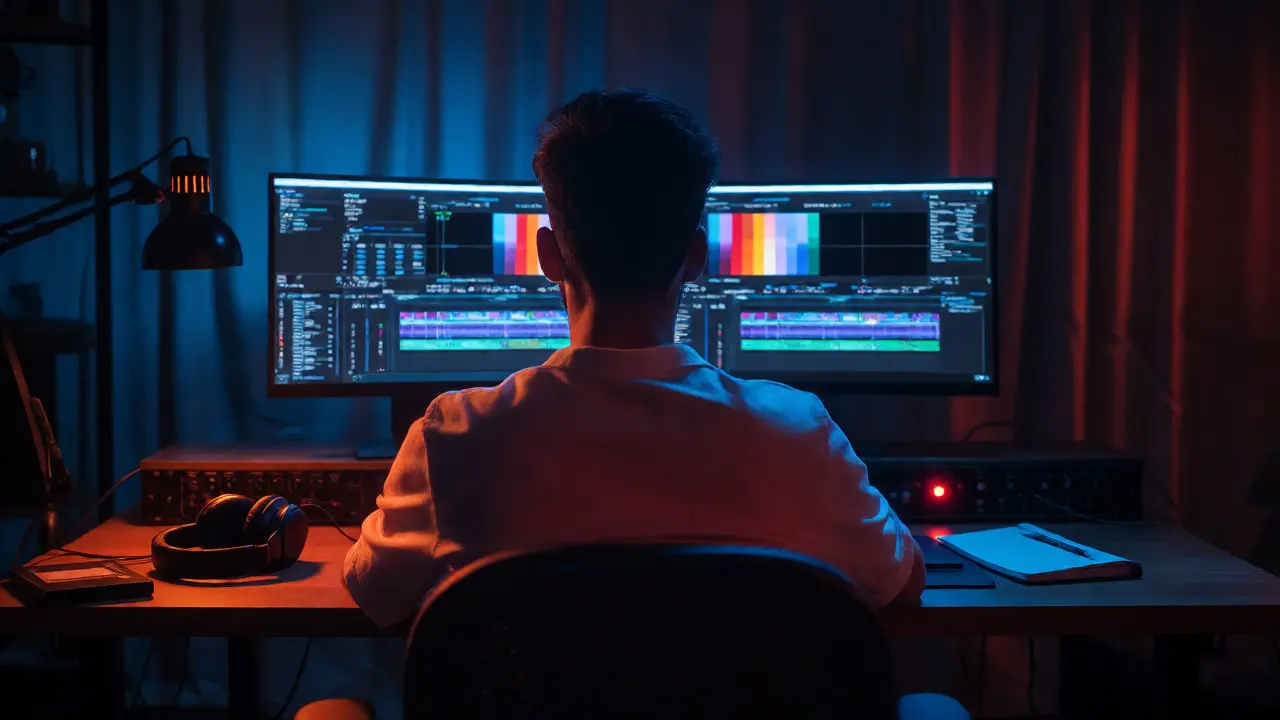
You shot the movie. Now what? Post-production usually takes 15-20% of the budget. This is where editing, color grading, sound design, and music happen.
Editing is time-intensive. An editor working part-time might charge $50-$75/hour. A feature-length edit can take 300-500 hours. That’s $15,000 to $37,500. Don’t skimp here. Bad pacing ruins good footage.
Sound is often undervalued. Audiences forgive blurry visuals but hate muffled audio. Hiring a dedicated sound designer for dialogue cleanup and ambient effects costs $5,000 to $15,000. Music licensing is tricky too. Using popular songs requires sync licenses, which can cost thousands per track. Instead, commission original scores from local composers ($2,000-$5,000) or use royalty-free libraries carefully vetted for quality.
Color grading gives your film its visual identity. A professional colorist charges $500-$1,000 per day. You might only need two or three days, but that polish separates amateur footage from professional cinema.
Marketing and Distribution: The Final Hurdle
Many filmmakers finish their movie and run out of money. Then they wonder why nobody saw it. Marketing isn't an afterthought; it’s a necessary expense. Budget 10-15% for marketing.
Festival submission fees are steep. Major festivals like Sundance or Toronto charge $75-$100 per entry. Submitting to 20 festivals costs $2,000. Plus, you need press kits, trailer creation ($1,000-$3,000), and website hosting. If you aim for distribution, aggregators like FilmHub or Quiver take a percentage of revenue, but upfront marketing helps secure those deals.
Digital advertising on social media targeted to niche audiences can yield better results than broad TV ads. Spend $500 on targeted Instagram ads for horror fans rather than $5,000 on a billboard nobody looks at.
Contingency: The Safety Net
If you don’t have a contingency fund, you are gambling. Always reserve 10% of your total budget for emergencies. Rain delays, broken equipment, lost locations, sick actors-things go wrong. Without a safety net, these issues force you to stop shooting or beg investors for more cash mid-project.
For a $100,000 film, keep $10,000 untouched until wrap. If you don’t use it, great. It becomes profit or covers post-production overruns. If you do use it, you saved the shoot.
Realistic Sample Budget: 0,000 Feature
Let’s put this into perspective with a hypothetical breakdown for a 20-day shoot in a medium-sized city.
- Pre-Production ($15,000): Script revisions, legal, insurance, casting, permits.
- Production ($50,000): Crew salaries ($30k), Equipment ($10k), Catering ($5k), Transport/Fuel ($5k).
- Post-Production ($20,000): Editing ($10k), Sound Design/Mix ($5k), Color Grade ($3k), Music ($2k).
- Marketing/Distribution ($10,000): Festival fees, PR, Trailer, Website.
- Contingency ($5,000): Emergency funds.
This structure leaves little room for error. Notice how tight the production margin is? One extra day of shooting wipes out your contingency. This is why planning matters more than spending.
Common Budget Killers
What actually drains wallets? First, scope creep. Adding one night scene with rain machines doubles your lighting and grip needs. Second, poor scheduling. Shooting scattered scenes across town wastes travel time and gas. Third, unpaid crew burnout. When volunteers quit halfway, you lose continuity and may need to recast, costing weeks of re-shooting.
Avoid the "free labor" myth. If you promise exposure instead of pay, expect flakiness. Paying even modest stipends ensures commitment. In Asheville, where I live, many local crew members will work for deferred pay if the project has strong potential, but they still need gas money and meals covered.
How to Cut Costs Without Losing Quality
You don’t need millions. You need efficiency. Limit your locations. Every new location costs setup time, permits, and transport. Write for fewer characters. Fewer actors mean simpler scheduling and lower insurance risks.
Shoot during off-peak seasons. Rentals are cheaper, and locations are less crowded. Use natural light whenever possible. Lighting setups consume power and time. If you shoot golden hour, you get beautiful visuals for free.
Barter services. Need a poster? Trade screen credit for a graphic designer’s time. Need a composer? Offer soundtrack sales rights. Creative partnerships stretch dollars further than cash sometimes.
Is it possible to make a feature film for under $50,000?
Yes, but it requires significant compromises. You will likely rely on volunteer crew, own equipment, and minimal locations. The film may lack polish in sound or color, and distribution options will be limited to smaller festivals or self-distribution platforms. Expect longer production timelines due to limited resources.
Do I need to join SAG-AFTRA for my indie film?
Not necessarily. Many indie films operate outside union agreements using non-union contracts. However, if you want recognizable actors, they may require union compliance. Union scales increase costs significantly but provide legal protections and credibility for larger distribution deals.
What is the most underestimated cost in indie filmmaking?
Catering and transportation. Filmmakers often overlook the cumulative cost of feeding a crew daily and moving equipment between locations. These recurring expenses can easily exceed $1,000 per day on a modest set, eating into funds allocated for creative elements.
Should I rent or buy camera equipment?
For short shoots (under 10 days), renting is usually cheaper and offers flexibility. For longer productions or multiple projects, buying used mid-range gear can be more economical long-term. Consider resale value when purchasing; brands like Blackmagic Design hold value well compared to older DSLR models.
How much should I budget for marketing?
Allocate at least 10-15% of your total budget. This covers festival submissions, press materials, social media ads, and potentially a publicist. Without marketing, even a great film risks being invisible to audiences and distributors.