This year, the big screen didn’t just welcome new faces-it launched them. Child actors in 2025 delivered performances so powerful, so emotionally raw, that they didn’t just stand out-they rewrote what audiences expect from young talent. These aren’t kids playing roles. They’re carrying entire films on their shoulders, often with no professional training beyond a few auditions and a lot of heart.
Isabela Merced in Stillwater
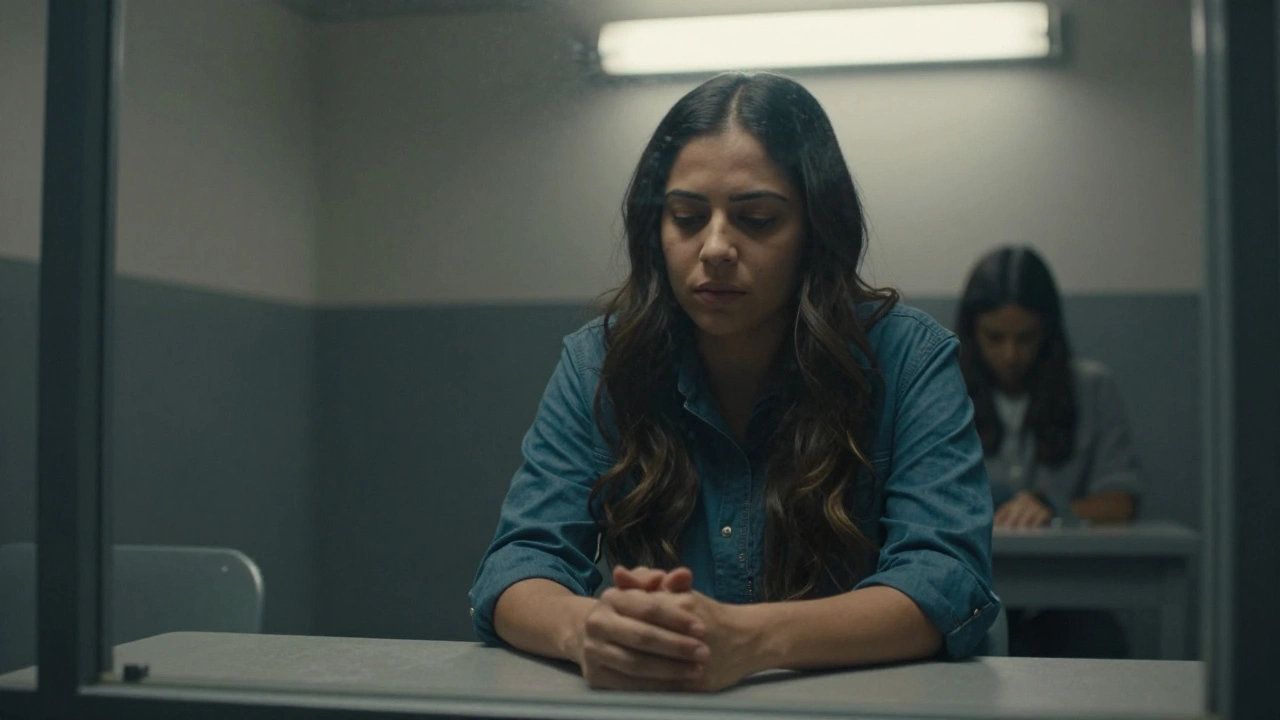
Isabela Merced, 18, didn’t just act in Stillwater-she became the emotional anchor of a film about grief, justice, and a father’s desperate search for his daughter. Merced played Allison, a young woman wrongfully accused of murder, and her performance was quiet but devastating. She didn’t shout. She didn’t cry dramatically. Instead, she sat in silence, eyes hollow with trauma, and made viewers feel every unspoken fear. Critics called it the most restrained and haunting performance by a teenager in years. The film’s director said he cast her after watching a 30-second self-tape where she mimicked the way a real inmate’s daughter would look at a visitor through glass. No rehearsal. No coaching. Just instinct.
Leo Fitzpatrick in The Quiet Room
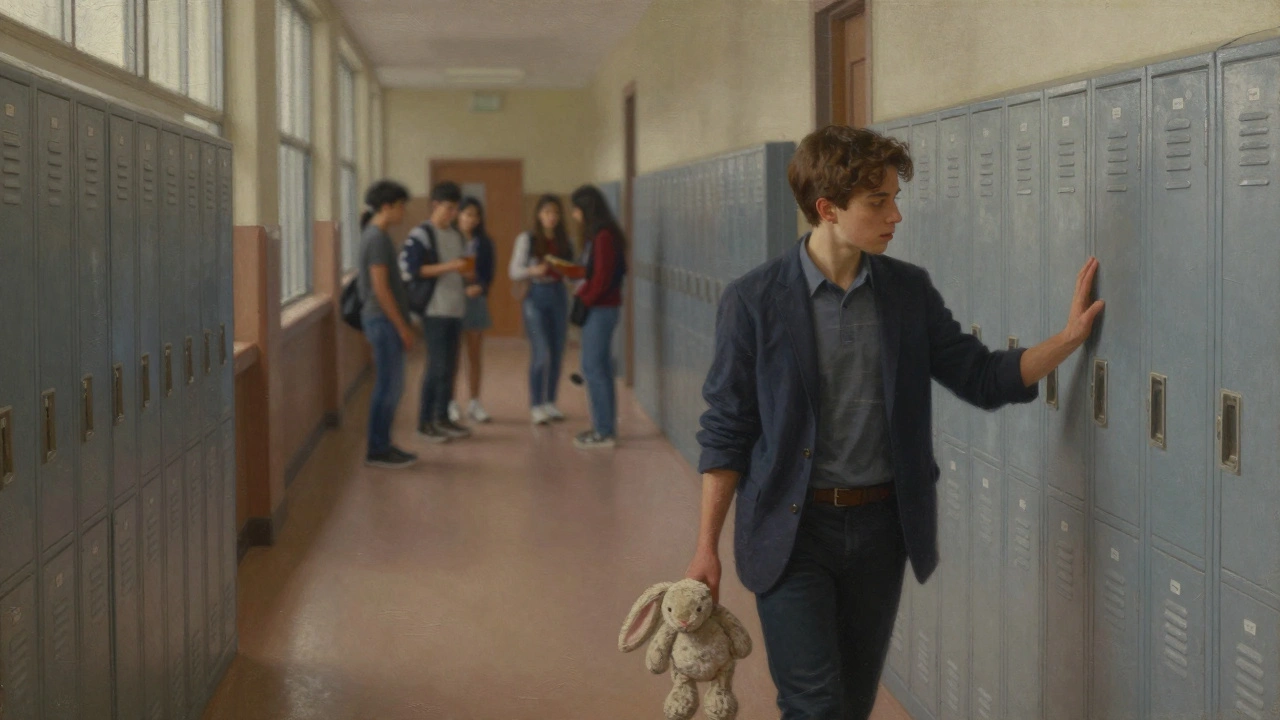
Leo Fitzpatrick, 12, was a first-time actor when he landed the lead in The Quiet Room, a psychological drama about a boy who stops speaking after his mother disappears. The script had almost no dialogue for him. His entire performance relied on facial expressions, body language, and the way he held a stuffed rabbit. In one scene, he walks through a school hallway while classmates whisper about him. He doesn’t look up. He doesn’t flinch. He just keeps walking, one hand gripping the rabbit, the other brushing the lockers like he’s counting them. That scene alone earned him a nomination for Best Young Performer at the Golden Globes. What made it work? He’d spent weeks observing children with selective mutism at a clinic in Portland. He didn’t mimic them-he absorbed them.
Amara Chen in Wildflower
Amara Chen, 11, stole the show in Wildflower, a coming-of-age story set in rural Alaska. She played a girl raised by her grandmother after her parents died in a car crash. The film’s most talked-about moment comes when Amara’s character finds her mother’s old journal and reads a letter aloud to no one. Her voice cracks. She pauses. Then she says, ‘I didn’t know you were scared too.’ The line isn’t written as a climax. It’s just a quiet truth. And Amara delivered it like she’d lived it. She grew up in a small Alaskan town herself, raised by her grandmother after her mother passed. The director didn’t tell her to cry. He just said, ‘Tell her you miss her.’ She did. And the crew stayed silent for a full minute after they rolled cut.
Jayden Torres in First Light
Jayden Torres, 14, played a non-verbal autistic boy who communicates through light patterns in First Light, a sci-fi drama about a family trying to save their son from a mysterious illness. The film’s visual language depended entirely on Jayden’s ability to create emotional rhythm through movement. He spent months working with a behavioral therapist to understand how autistic children use light, shadow, and repetition to express feelings. In one scene, he taps a flashlight against a wall 47 times-each tap a heartbeat, each pause a breath. The sound design team had to match the rhythm exactly. Jayden didn’t rehearse the pattern-he invented it. And when the film premiered, the audience didn’t clap. They wept.
Why Now? Why These Kids?
This isn’t a coincidence. It’s a shift. Studios used to cast kids based on cuteness, compliance, or marketability. Now, they’re casting based on emotional truth. Directors are working with child actors like they’re method actors-giving them time, space, and real-life experiences to build their roles. Many of these young performers didn’t go to acting school. They went to therapy, to grief support groups, to community centers. They listened. They watched. They felt.
There’s also a cultural change. Audiences are tired of polished, overly rehearsed performances. They want authenticity. They want to see a child who doesn’t know how to act because they’re too busy being real. Social media didn’t create these stars-it exposed them. Clips from behind-the-scenes footage of Amara Chen reading her mother’s letter went viral. People didn’t share it because it was ‘cute.’ They shared it because it felt like a secret they weren’t supposed to hear.

What Comes Next?
These kids aren’t just breakout stars-they’re changing the rules. Studios are now hiring child psychologists as part of the production team. Some are limiting shooting hours to under four a day. Others are giving young actors the script weeks in advance so they can sit with it, not memorize it. One casting director told me, ‘We don’t look for kids who can act anymore. We look for kids who can survive.’
And the industry is responding. The Screen Actors Guild has created new protections for child performers under 13, including mandatory emotional check-ins and the right to refuse scenes that trigger trauma. It’s not perfect. But it’s progress.
Where Are They Now?
Isabela Merced has already been offered three leading roles in upcoming dramas. Leo Fitzpatrick turned down a Disney pilot to stay in public school. Amara Chen is writing a memoir about growing up in Alaska. Jayden Torres is learning ASL and wants to become a voice for non-verbal children in film.
They’re not just actors. They’re witnesses. And the stories they’ve told this year? They’re not going away anytime soon.
Who are the most talked-about child actors in 2025 films?
The most talked-about child actors this year include Isabela Merced in Stillwater, Leo Fitzpatrick in The Quiet Room, Amara Chen in Wildflower, and Jayden Torres in First Light. Each delivered performances that relied on emotional authenticity over technical skill, earning critical acclaim and audience recognition.
Why are child actors in 2025 getting such strong roles?
Directors are prioritizing emotional truth over polished acting. Many of these young performers are cast after real-life experiences that mirror their characters-grief, trauma, or isolation. Studios are also responding to audience demand for raw, unfiltered storytelling, which means kids who can feel deeply are now more valuable than those who can recite lines perfectly.
Are these child actors professionals or newcomers?
Most are newcomers. Isabela Merced had only done small indie roles before Stillwater. Leo Fitzpatrick had never acted before being cast in The Quiet Room. Amara Chen had no prior experience, and Jayden Torres was discovered through a community theater program. Their power comes from lived experience, not training.
How are studios supporting child actors emotionally?
Many productions now include child psychologists on set, limit work hours to under four per day, and give young actors time to process heavy scenes. Some studios require emotional check-ins before and after filming. The Screen Actors Guild introduced new protections in 2025 for performers under 13, including the right to refuse triggering scenes without penalty.
What makes these performances different from past child roles?
Previous child roles often relied on charm, humor, or exaggerated emotion. This year’s breakout performances are quiet, subtle, and grounded. They avoid melodrama. Instead, they focus on stillness, hesitation, and unspoken pain. Audiences connect because these kids don’t feel like actors-they feel like real children living through real pain.



Comments(7)