For decades, if you wanted to see a same-sex kiss on screen, you had to look hard. And even when you found one, it was often framed as a tragedy or a punchline. That era is officially over. Today, LGBTQ+ cinema is a vibrant and essential sector of the film industry that focuses on creating authentic narratives for queer audiences. It has moved from the fringes of indie festivals to the center of mainstream blockbusters. But just because we see more rainbow flags doesn’t mean the job is done. The real conversation now isn't about visibility-it's about authenticity.
We are past the point where "representation" means casting an actor who happens to be gay in a role that has nothing to do with their identity. We are talking about stories that feel lived-in, messy, joyful, and complex. This shift is reshaping how movies are written, cast, and marketed. If you’re a filmmaker, a critic, or just a movie lover, understanding this evolution helps you spot the difference between tokenism and true inclusion.
The Shift From Tragedy to Joy
Historically, queer characters were defined by their suffering. Think of the early AIDS crisis films like Philadelphia (1993) or Angels in America. These were vital, necessary works that brought awareness to a devastating epidemic. But they established a pattern: to be taken seriously, LGBTQ+ stories had to be painful. This created what critics call the "burden of trauma." Every new queer character seemed destined to die young, come out tragically, or suffer rejection.
In 2025 and 2026, the landscape looks different. Audiences are hungry for joy. Films like Bottoms (2023) and Poor Things (2023) proved that queer narratives can be absurd, funny, and wildly successful without relying on pain. Authentic storytelling is the practice of crafting narratives that reflect the genuine experiences, emotions, and complexities of marginalized communities without stereotyping. When a story centers on a queer couple navigating a mundane problem-like buying a house or dealing with in-laws-it normalizes their existence. It says, "Our lives matter beyond our struggle."
This shift requires writers to dig deeper. It’s not enough to change the gender of a love interest. You have to understand the cultural nuances. A trans woman’s experience in rural Texas is vastly different from a cisgender gay man’s life in Brooklyn. Authenticity demands specificity. When filmmakers get these details right, the audience feels seen. When they get it wrong, the backlash is immediate and loud.
Why Behind-the-Camera Diversity Matters
You cannot write authentic stories if the room where decisions are made lacks diverse voices. For years, LGBTQ+ roles were written by straight directors and actors. While some produced beautiful work, many fell into clichés. The stereotype of the flamboyant best friend or the tragic villain persisted because no one in the writer’s room challenged it.
Today, the push for inclusive film production is an industry effort to ensure that LGBTQ+ individuals hold key creative roles such as director, writer, producer, and showrunner. Look at the success of Euphoria, driven by creator Sam Levinson and star Zendaya, but heavily influenced by queer consultants. Or consider the impact of directors like Barry Jenkins (Moonlight) and Chloe Zhao (The Rider, though not explicitly queer-coded, her lens often highlights marginalized voices). When queer people control the narrative, the subtleties emerge.
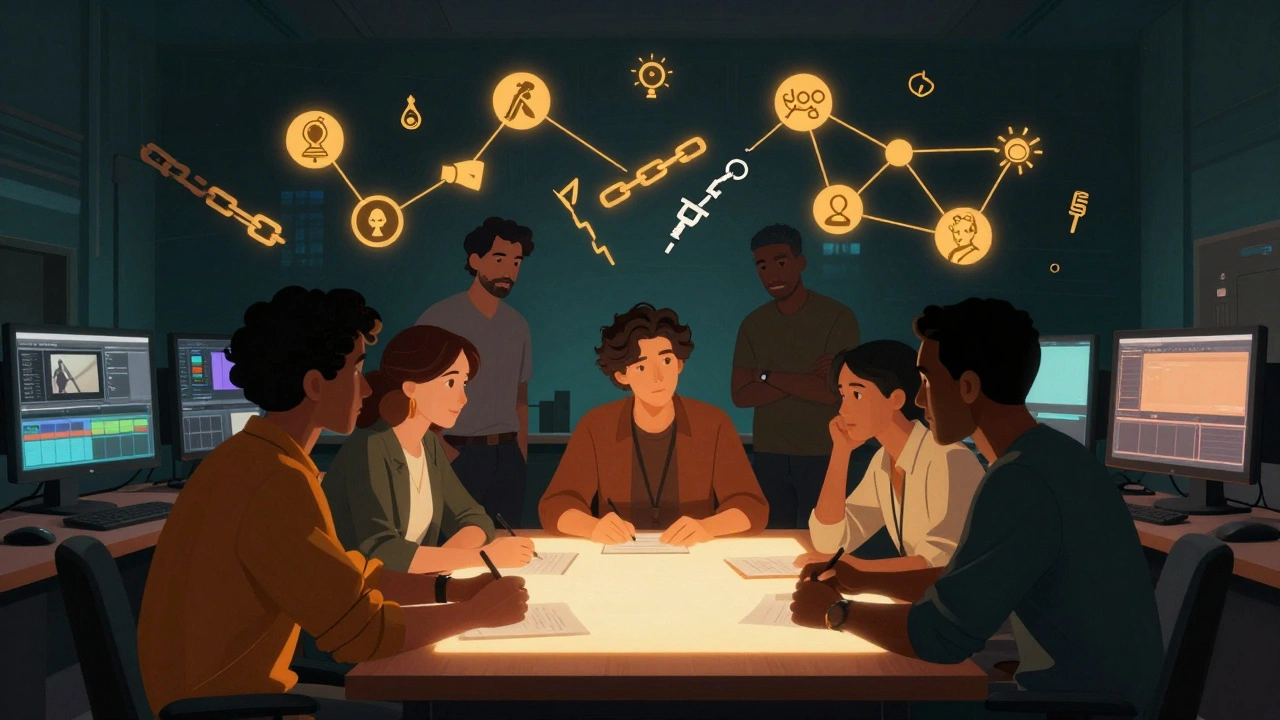
It’s not just about big names. It’s about hiring queer script doctors, editors, and cinematographers. A queer editor might notice that a scene cuts away too quickly during a tender moment, robbing it of intimacy. A queer producer might flag a line of dialogue that sounds like caricature. These small adjustments accumulate to create a texture of reality that outsiders often miss. Studios are finally realizing that this isn’t just "nice to have"-it’s good business. Authentic stories resonate with wider audiences because they feel human.
Avoiding Tokenism and Stereotypes
With great power comes great responsibility. As studios rush to meet diversity quotas, there’s a risk of slipping into tokenism. This happens when a queer character exists solely to check a box. They have no arc, no depth, and no connection to the main plot other than their sexuality. You’ve seen them: the sidekick whose only purpose is to make the protagonist look progressive.
Tokenism fails because it treats LGBTQ+ identities as accessories rather than core aspects of humanity. To avoid this, filmmakers need to ask tough questions:
- Does this character have goals unrelated to their sexuality?
- Is their relationship portrayed with the same weight and chemistry as heterosexual counterparts?
- Are they allowed to be flawed? Queer characters shouldn’t be perfect martyrs or villains; they should be complicated humans.
Stereotypes also persist in subtle ways. The "bury your gays" trope-where queer characters are killed off to motivate straight protagonists-is still being called out. In 2024, several high-profile films faced criticism for killing off beloved queer subplots while straight leads survived unscathed. Audiences are savvy. They remember every death. They notice when a trans character is played by a cis actor without strong justification. Authenticity requires respect for the community’s history and current realities.
The Global Perspective
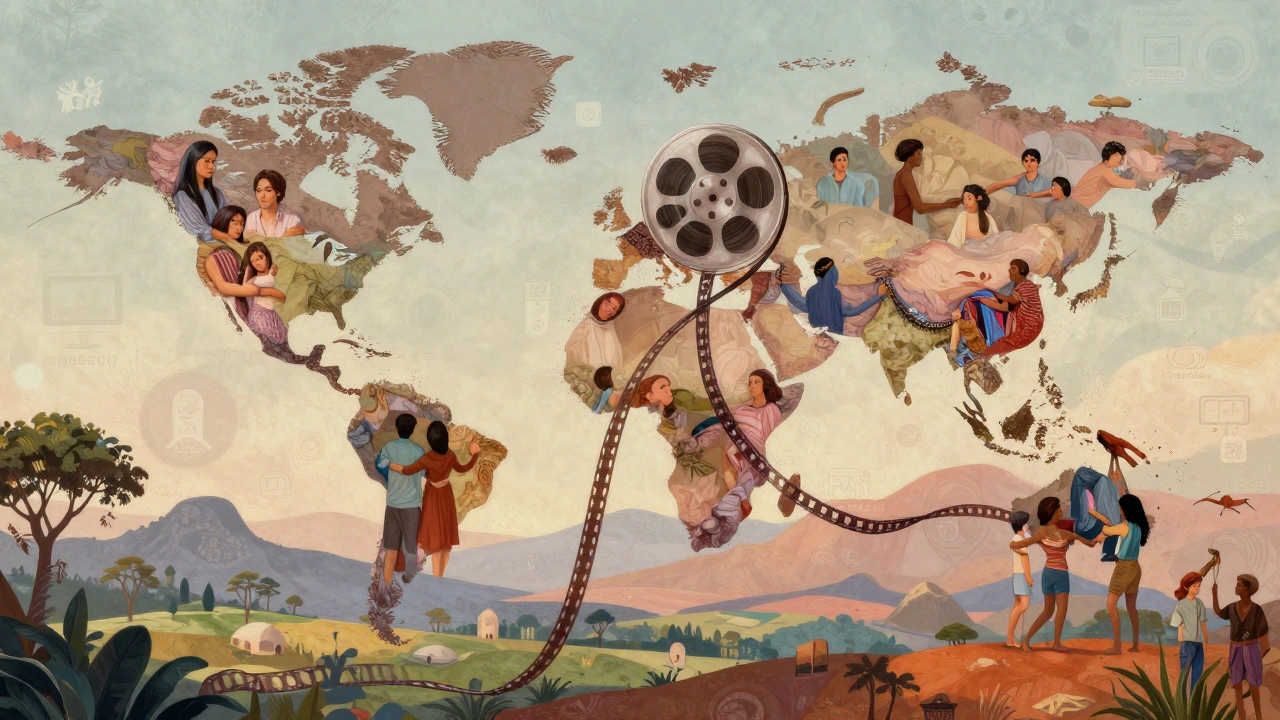
Hollywood isn’t the only player here. Global LGBTQ+ cinema is film movements outside the US and UK that explore queer identities through local cultural lenses. Countries like Thailand, South Korea, and Brazil have produced groundbreaking queer content that challenges Western norms. Thai BL (Boys’ Love) dramas have exploded globally, offering a softer, more romanticized view of male relationships that differs from the gritty realism of American indie films. Korean cinema, with hits like Burning and Parasite, often uses subtext to explore desire in conservative societies.
These international perspectives enrich the global conversation. They remind us that queerness isn’t monolithic. A queer person in Mumbai faces different legal and social hurdles than someone in Berlin. Films like Shubh Mangal Zyada Saavdhan (India) tackle family pressure and marriage expectations in ways that resonate across borders. By watching these films, we expand our empathy. We learn that while the struggles may differ, the desire for love and acceptance is universal.
How to Spot Authentic Storytelling
As viewers, we become curators. We vote with our tickets and our streaming clicks. Here’s a quick checklist to evaluate whether a film is doing the work:
- Credits Check: Are there queer writers, directors, or producers attached? You don’t need to be an expert to look up IMDbPro or read press kits.
- Consultation: Did the production hire sensitivity readers or cultural consultants? Reputable studios often mention this in their marketing materials.
- Nuance: Does the character exist outside of their identity? Do they have hobbies, jobs, and quirks that aren’t tied to stereotypes?
- Agency: Does the queer character drive the plot, or are things happening to them?
- Community Response: What are queer critics and audiences saying? Listen to voices within the community before forming your own opinion.
If a film checks most of these boxes, it’s likely aiming for authenticity. If it fails, it’s probably treating queerness as a trend. Trends fade; authentic stories endure.
The Future of Queer Narratives
Looking ahead to late 2026 and beyond, the frontier is intersectionality. We’re seeing more stories that blend queerness with disability, race, class, and religion. A film like Rafiki (Kenya) tackled homophobia in Africa, while Heartstopper (UK) showed a wholesome, neurodivergent-friendly romance. The next wave will likely focus on older queer adults, challenging the notion that queer life ends after youth.
Technology also plays a role. Virtual production and AI tools allow smaller budgets to achieve high-quality visuals, enabling independent queer filmmakers to compete with major studios. Platforms like MUBI and Criterion Channel are dedicating entire sections to queer classics, preserving history for new generations.
The goal isn’t perfection. No single film can represent millions of diverse experiences. The goal is progress. It’s about creating a culture where a kid watching a movie thinks, "That could be me," and feels proud, not afraid. That’s the power of cinema. It mirrors reality, but it also imagines better ones.
What makes LGBTQ+ cinema different from general mainstream film?
LGBTQ+ cinema specifically centers queer experiences, relationships, and identities as the primary narrative focus, rather than treating them as secondary subplots. It prioritizes authentic representation, often involving queer creators behind the camera, to ensure stories reflect the nuanced realities of the community rather than relying on stereotypes or tragic tropes common in earlier mainstream portrayals.
Why is behind-the-camera diversity important for authentic storytelling?
When queer individuals hold key creative roles like writer, director, or producer, they bring lived experience to the project. This helps avoid clichés, ensures cultural accuracy, and adds emotional depth that outsiders might miss. It shifts the perspective from observing queerness to experiencing it, resulting in more respectful and resonant narratives.
What is the "bury your gays" trope?
The "bury your gays" trope refers to a harmful storytelling convention where LGBTQ+ characters are killed off, often violently or tragically, primarily to serve the emotional development of straight protagonists. Critics argue this reinforces the idea that queer lives are expendable and perpetuates trauma-based narratives instead of allowing queer characters to thrive or live full arcs.
How can viewers identify tokenism in films?
Tokenism occurs when a queer character exists solely to signal inclusivity without having depth, agency, or a meaningful plot arc. Signs include the character having no goals unrelated to their sexuality, lacking backstory, serving only as comic relief or moral support for straight leads, and disappearing once their "diversity function" is served. Authentic characters are complex, flawed, and integral to the story.
Are there notable examples of global LGBTQ+ cinema outside Hollywood?
Yes, countries like Thailand, South Korea, Brazil, and Kenya have produced significant queer content. Thai BL (Boys' Love) dramas offer unique romantic perspectives, while Kenyan films like Rafiki address local legal and social challenges. These global narratives provide diverse cultural contexts that enrich the worldwide understanding of queer identity beyond Western frameworks.