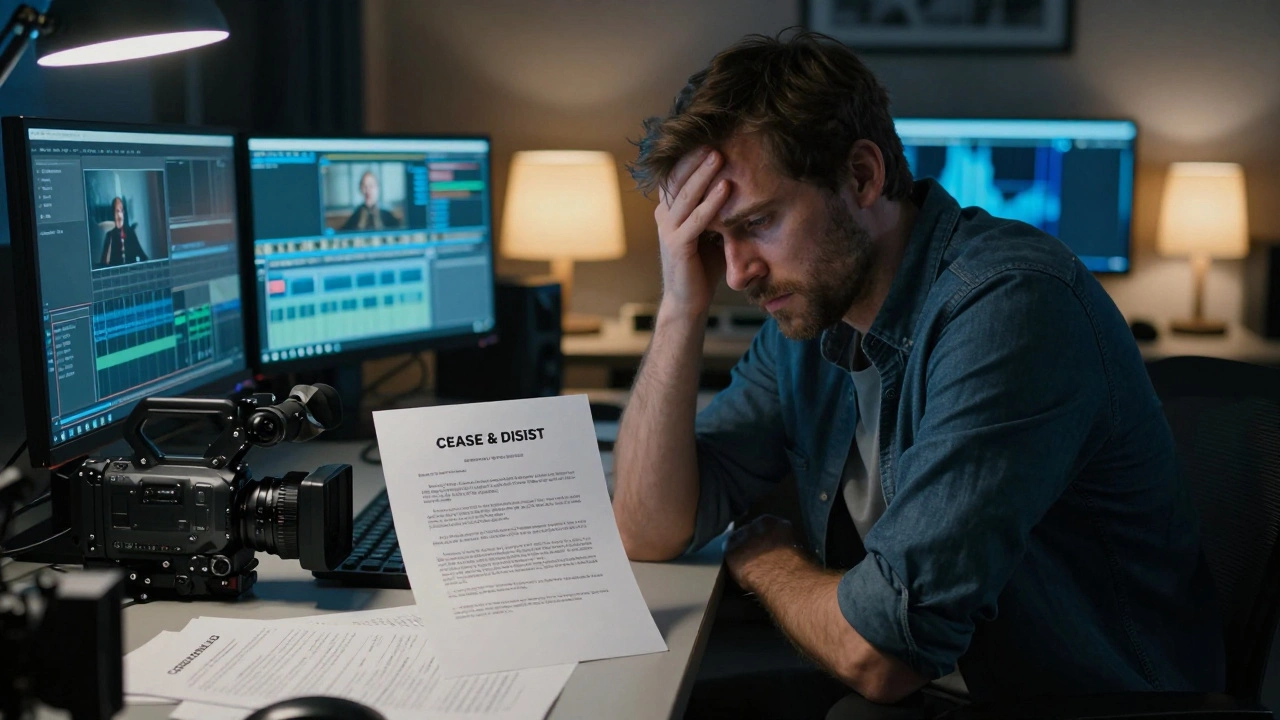
You spend months shooting interviews, gathering archival footage, and crafting a narrative that exposes the truth. Then, you receive a cease-and-desist letter. The subject of your film claims you violated their privacy rights or committed defamation by publishing false statements that damaged their reputation. For documentary filmmakers, this is not just a hypothetical nightmare; it is a common occupational hazard. Navigating the intersection of artistic expression and legal liability requires more than just good storytelling-it demands a solid understanding of media law and risk management strategies.
The stakes are high. A lawsuit can halt distribution, drain production budgets, and ruin careers. However, knowing the rules allows you to protect your work without sacrificing its integrity. This guide breaks down the essential legal concepts every filmmaker needs to know before hitting record.
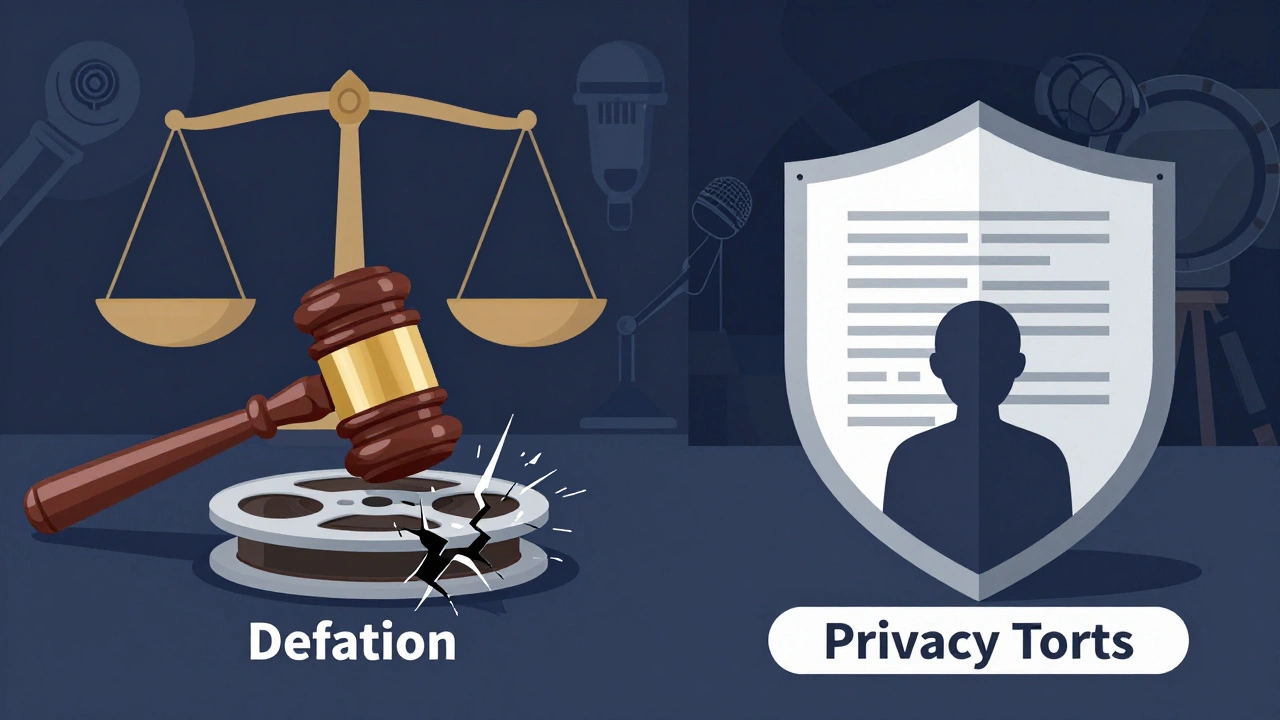
Understanding Defamation in Documentaries
Defamation occurs when a statement harms someone’s reputation. In the context of filmmaking, this usually takes two forms: libel, which involves written or broadcasted falsehoods, and slander, which involves spoken words. Since documentaries are distributed via video (broadcast, streaming, theatrical), they fall under libel laws.
To prove defamation, a plaintiff must generally show four things:
- Falsity: The statement is factually incorrect. Truth is an absolute defense against defamation.
- Publishation: The statement was communicated to a third party.
- Identification: A reasonable person would understand the statement refers to the specific individual.
- Damages: The statement caused harm to the person’s reputation, leading to financial loss or social ostracization.
If your subject is a public figure-such as a politician, celebrity, or business leader-they face a much higher burden of proof. They must demonstrate actual malice, meaning you knew the statement was false or acted with reckless disregard for the truth. This standard, established by the Supreme Court case New York Times Co. v. Sullivan, protects robust debate on public issues. Private individuals, however, only need to prove negligence, making them easier targets for lawsuits.
Privacy Torts: Beyond Reputation
Even if everything you say is true, you can still be sued for violating privacy. There are four main privacy torts relevant to filmmakers:
- Intrusion upon Seclusion: This happens when you physically or electronically intrude into someone’s private space without consent. Examples include hidden cameras in restrooms or hacking into private emails. Even if the footage reveals newsworthy information, the method of acquisition can lead to liability.
- Public Disclosure of Private Facts: Publishing truthful but highly offensive private details about a person’s life, such as medical history or sexual orientation, without their permission. Unlike defamation, truth is not a defense here.
- False Light: Similar to defamation, this occurs when you portray someone in a misleading way that would be highly offensive to a reasonable person. It often involves editing interviews out of context to suggest opinions or actions they never held.
- Appropriation: Using someone’s name, likeness, or identity for commercial advantage without permission. While news reporting is protected, using a recognizable person’s image in a promotional poster for your film might require a release.
Context matters significantly. Footage shot in a public place generally carries no expectation of privacy. However, audio recording laws vary by state. In one-party consent states, you only need one person’s permission to record. In all-party consent states like California and Florida, everyone involved must agree to being recorded.
The Importance of Releases and Clearances
The best defense against litigation is preparation. Model releases are contracts signed by interviewees granting you permission to use their name, likeness, and voice. Without a signed release, you lose significant legal protections and may face claims of appropriation or breach of implied contract.
Effective releases should include:
- Clear identification of the project.
- Broad rights to edit and distribute the footage.
- A waiver of moral rights (in jurisdictions where applicable).
- An indemnification clause protecting the producer from future claims.
For subjects who refuse to sign, you must rely on fair use or newsworthiness defenses. This is risky. Always consult with an entertainment attorney before featuring non-consenting subjects, especially if the portrayal is critical. Additionally, perform thorough rights clearances for all third-party materials, including music, archival footage, and photographs. Assuming something is "fair use" without legal analysis is a common mistake that leads to costly disputes.

Insurance: Your Financial Safety Net
No amount of legal knowledge replaces proper insurance. Errors and Omissions (E&O) insurance is mandatory for most distributors and festivals. It covers legal defense costs and settlements arising from claims of defamation, privacy invasion, copyright infringement, and right of publicity violations.
When purchasing E&O coverage, ensure the policy includes:
- Retroactive date: Coverage for incidents that occurred before the policy start date but were discovered later.
- Sufficient limits: Typically $1 million to $5 million per occurrence, depending on the film’s scope.
- Worldwide territory: Protection against lawsuits filed in different countries.
Distributors will often require a certificate of insurance before signing a deal. Failing to secure E&O insurance can stall your release indefinitely. Work with a broker specializing in media insurance to tailor the policy to your specific risks.
Practical Steps for Risk Mitigation
Integrate legal checks into your production workflow. Before filming, conduct background research on subjects to identify potential sensitivities. During post-production, have a legal advisor review the final cut for defamatory language or privacy violations. Keep detailed records of all interactions with subjects, including email chains and signed releases.
If you encounter resistance from a subject, consider offering them a chance to respond. Including their perspective can strengthen your credibility and reduce the risk of false light claims. Transparency builds trust and mitigates legal exposure.
Can I sue someone for defamation in my documentary?
Yes, if the statement is false, published to others, identifies you, and causes harm. Public figures must also prove actual malice. Consult an attorney to assess the strength of your case.
Do I need a release for every person in my documentary?
Ideally, yes. Releases protect against privacy and appropriation claims. For incidental appearances in crowds, releases are less critical, but featured subjects should always sign one.
What is the difference between libel and slander?
Libel refers to written or broadcast defamation, while slander refers to spoken defamation. Documentaries typically involve libel because the content is recorded and distributed visually.
How does fair use apply to privacy violations?
Fair use primarily applies to copyright, not privacy. While newsworthiness can defend against some privacy claims, it is not a blanket protection. Each case depends on the balance between public interest and individual privacy.
Is E&O insurance expensive?
Costs vary based on budget, cast size, and distribution plan. Premiums can range from a few hundred to several thousand dollars. It is a necessary investment to secure distribution and protect against lawsuits.