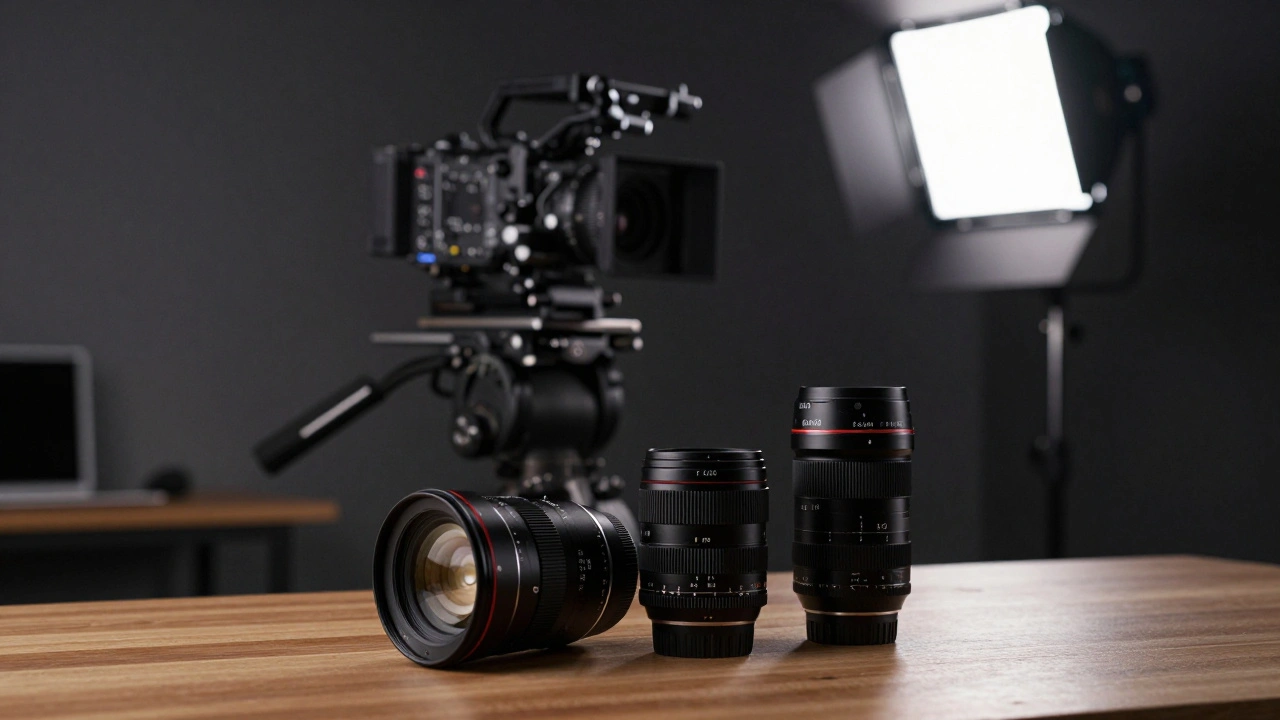
Key Takeaways for Cinematographers
- Focal length dictates the field of view and the perceived distance between subjects.
- Prime lenses offer superior sharpness and wider apertures compared to zooms.
- The "character" of a lens refers to its unique optical flaws, like flare and bokeh.
- Anamorphic glass provides a distinct cinematic widescreen look with oval bokeh.
- Choosing glass is a balance between technical precision and emotional storytelling.
The Mechanics of Focal Length
At its core, focal length is the distance between the lens's optical center and the image sensor, measured in millimeters (mm). It determines how much of the scene you see and how large the subjects appear. A shorter focal length gives you a wider view, while a longer one narrows your focus.
When you use a wide lens, say 24mm, you capture a vast amount of the environment. This is great for establishing shots or making a room feel cavernous. However, wide lenses distort space. If you get too close to a subject, their nose might look larger, or the edges of the frame might stretch. This is why you'll see directors use wide lenses in psychological thrillers to make the world feel distorted and unstable.
On the flip side, long lenses-like an 85mm or 135mm-compress the image. They pull the background closer to the subject, creating a flatter look. This is the gold standard for close-ups because it minimizes facial distortion and separates the actor from the background using a shallow depth of field. If you want a character to feel isolated or scrutinized, a long lens from a distance is your best bet.
Prime Lenses vs Zoom Lenses
The eternal debate in cinematography is whether to use prime lenses or zoom lenses. A prime lens has a fixed focal length, meaning if you want a different shot, you have to physically move the camera or swap the glass.
Why bother with the hassle of swapping lenses? Primes are generally faster, meaning they have a wider maximum aperture (like f/1.4 or f/2.0). This allows you to shoot in lower light and create a creamy, blurred background. They also tend to be sharper and have less optical distortion than their zoom counterparts. Most high-end feature films are shot on primes because the intentionality of picking a specific focal length for every scene leads to a more cohesive visual language.
Zoom lenses, however, are the kings of efficiency. In a fast-paced documentary or a chaotic action scene, you can't always stop to change glass. A 24-70mm zoom allows you to transition from a medium shot to a close-up in a second. The trade-off is usually a smaller maximum aperture and a slight loss in image quality. While they are incredibly useful, relying too heavily on zooms can lead to "lazy" cinematography, where the operator just zooms in rather than moving the camera to find a more interesting angle.
| Feature | Prime Lenses | Zoom Lenses | Anamorphic Lenses |
|---|---|---|---|
| Aperture | Very Wide (f/1.2 - f/2.8) | Moderate (f/2.8 - f/5.6) | Variable (usually f/2.0+) |
| Image Quality | Highest Sharpness | Good to High | Stylized / Organic |
| Versatility | Low (Fixed) | High (Adjustable) | Specific Widescreen Use |
| Field of View | Specific | Flexible Range | Ultra-Wide Aspect Ratio |
Understanding the Character of Glass
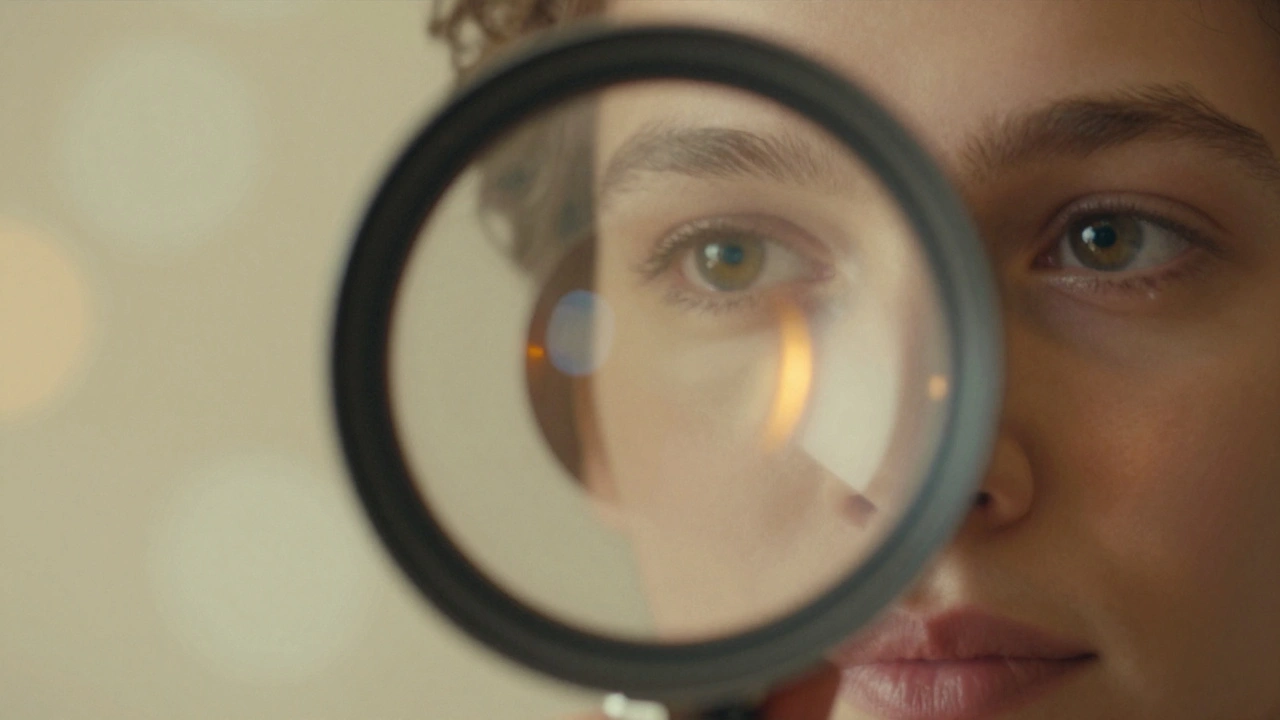
In the world of high-end film, "character" refers to the optical imperfections that make a lens feel human. Modern spherical lenses are designed to be mathematically perfect. They produce a clean, sharp image with minimal distortion. But perfection is often boring. Sometimes, you want a lens that "breathes" or has a bit of a glow.
Vintage glass, such as the old Canon K-35s or Super Baltars, is highly prized today. These lenses often have softer edges and a more organic way of handling highlights. When light hits these old elements, you get beautiful, unpredictable flares and a softer skin tone that doesn't require as much digital grading. If you're shooting a period piece or a dreamy romance, the clinical sharpness of a modern lens can actually work against you.
Then there is bokeh, which is the aesthetic quality of the out-of-focus areas. Some lenses produce "cat-eye" bokeh, while others create smooth, round orbs. The way a lens renders the background tells the viewer whether the environment is a threat or a sanctuary. A harsh, jagged bokeh can feel aggressive, while a buttery, soft background creates a sense of intimacy and safety.
The Magic of Anamorphic Glass
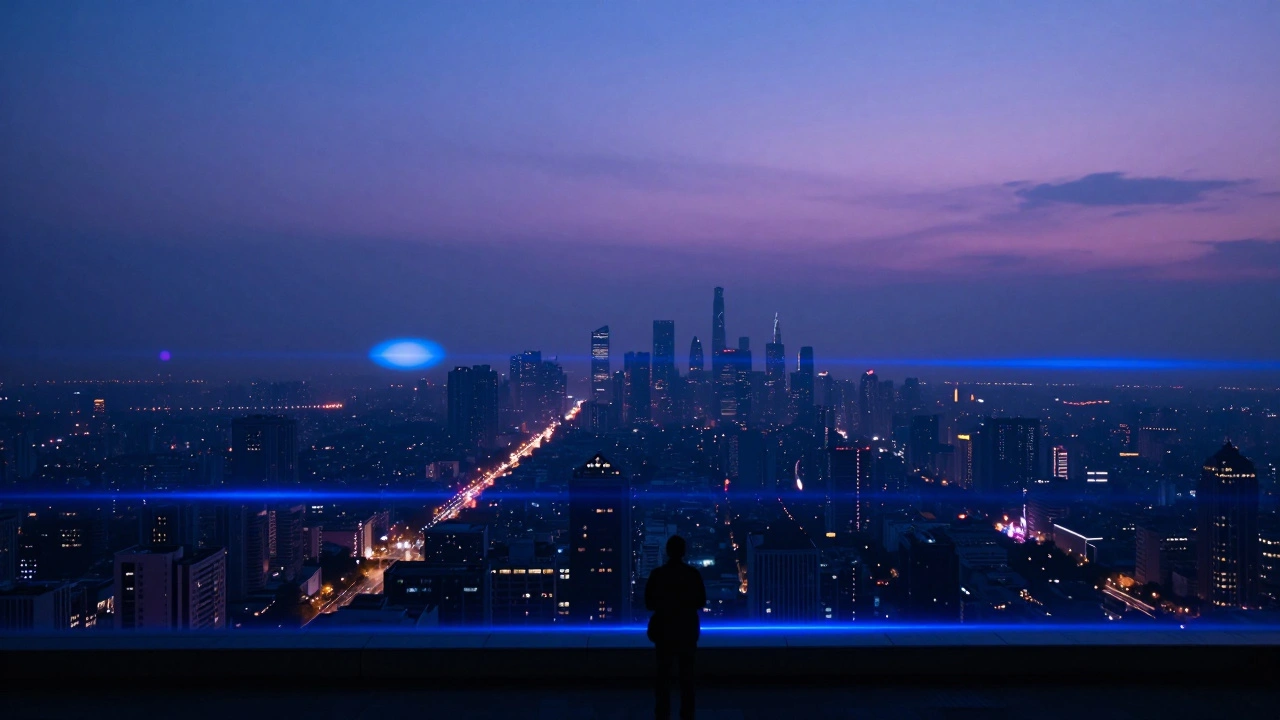
If you've ever wondered why some movies have those long, horizontal blue streaks of light and oval-shaped blurred lights in the background, you're looking at anamorphic lenses. Unlike spherical lenses, which project a circular image onto the sensor, anamorphic lenses squeeze a wider field of view into a narrower frame using a cylindrical element.
The image is "de-squeezed" in post-production, resulting in a wide aspect ratio (like 2.39:1) without having to crop the top and bottom of the image. But the real draw isn't just the width; it's the personality. Anamorphic glass has a unique way of handling depth. It gives you a wide field of view but maintains a shallow depth of field, which is a combination that's nearly impossible with spherical glass.
The artifacts of anamorphic glass-the lens flares and the elliptical bokeh-have become shorthand for "cinema." When you see those traits, your brain immediately registers that you are watching a "movie" rather than a TV show or a YouTube video. However, anamorphic lenses are notoriously difficult to focus and can be incredibly expensive, making them a luxury for big-budget productions.
Practical Guide to Lens Selection by Scene
Choosing your lens kit shouldn't be random. You need a strategy based on the emotional beats of your script. Consider the following scenarios to understand how to apply these rules of thumb.
For a high-tension interrogation, start with a 35mm for the medium shots to keep the environment present. As the tension peaks, switch to an 85mm prime for tight close-ups. The compression of the 85mm will make the character feel trapped and the pressure more intense. If the character starts to have a panic attack, switching to a 21mm wide lens and getting physically close to their face will create a distorting effect that mirrors their mental state.
In a sweeping landscape shot, you might be tempted to go as wide as possible. But remember that ultra-wide lenses can make a mountain look like a small hill if you're too far away. Using a slightly longer lens, like a 50mm, from a great distance can actually make the background feel more imposing and massive by compressing the layers of the landscape.
When shooting a dialogue scene between two people, the 50mm lens is often called the "normal" lens because it most closely mimics the human eye's perspective. It doesn't distort space or compress it excessively, making it the safest choice for naturalistic storytelling. If the scene is meant to feel like a fly-on-the-wall observation, the 50mm is your best friend.
Avoiding Common Lens Pitfalls
One of the biggest mistakes beginners make is "zooming with the lens" instead of "zooming with their feet." When you zoom in on a subject, you change the relationship between the subject and the background. If you want to maintain the same spatial relationship but just get a closer look, you need to physically move the camera. This is why professionals prefer primes; it forces them to think about the composition of the shot.
Another pitfall is ignoring the T-stop (transmission stop). In cinematography, we use T-stops instead of f-stops. While f-stops are a theoretical calculation of the lens's aperture, T-stops measure the actual amount of light that reaches the sensor. If you're matching two different lenses in a scene, always rely on the T-stop to ensure your exposure remains consistent, otherwise, you'll see a jump in brightness when you cut between shots.
Finally, be careful with wide-angle lenses in close-ups. While a 16mm lens is great for a city street, using it for a talking head can make people look like they're in a funhouse mirror. Unless the distortion is a deliberate choice to show a character's instability, keep your close-ups above 50mm to keep facial proportions natural.
What is the best focal length for a close-up shot?
Generally, focal lengths between 85mm and 135mm are preferred for close-ups. These long lenses compress the image, which prevents the "fisheye" distortion seen in wide lenses and creates a beautiful, shallow depth of field that separates the subject from the background.
Do I really need anamorphic lenses for a cinematic look?
Not necessarily. While anamorphic glass provides a distinct look (wide aspect ratio, oval bokeh, and horizontal flares), you can achieve a similar widescreen feel by using spherical lenses and cropping your image (letterboxing). The decision depends on whether you want the specific optical artifacts of anamorphic glass or just the wide frame.
Why are vintage lenses popular in modern films?
Modern lenses are often so sharp they can look "digital" or clinical. Vintage lenses introduce subtle imperfections, such as lower contrast and softer highlights, which create a more organic, filmic quality that is often more flattering for skin tones.
What is the difference between a prime and a zoom lens?
A prime lens has one fixed focal length, offering better light gathering (wider aperture) and higher image quality. A zoom lens allows you to change the focal length without changing the lens, providing much more versatility and speed on set at the cost of some sharpness and light intake.
How does focal length affect the perception of distance?
Short focal lengths (wide) exaggerate the distance between objects, making them feel further apart. Long focal lengths (telephoto) compress the distance, making the background appear much closer to the subject than it actually is.
Next Steps for Your Gear Kit
If you are just starting out, don't buy every lens available. Start with a "holy trinity" of primes: a 35mm for medium-wide shots, a 50mm for natural perspectives, and an 85mm for portraits and close-ups. This setup covers 90% of the needs for any narrative project and forces you to move the camera and think about composition.
For those looking to experiment with "character," try hunting for old manual lenses from the 1970s. You can find cheap adapters to fit them onto modern mirrorless cameras. Experiment with how they handle light-shoot toward the sun to see how the flares differ from your modern glass. This is the best way to develop your eye for the psychological impact of different lenses.


Comments(7)