Quick Takeaways
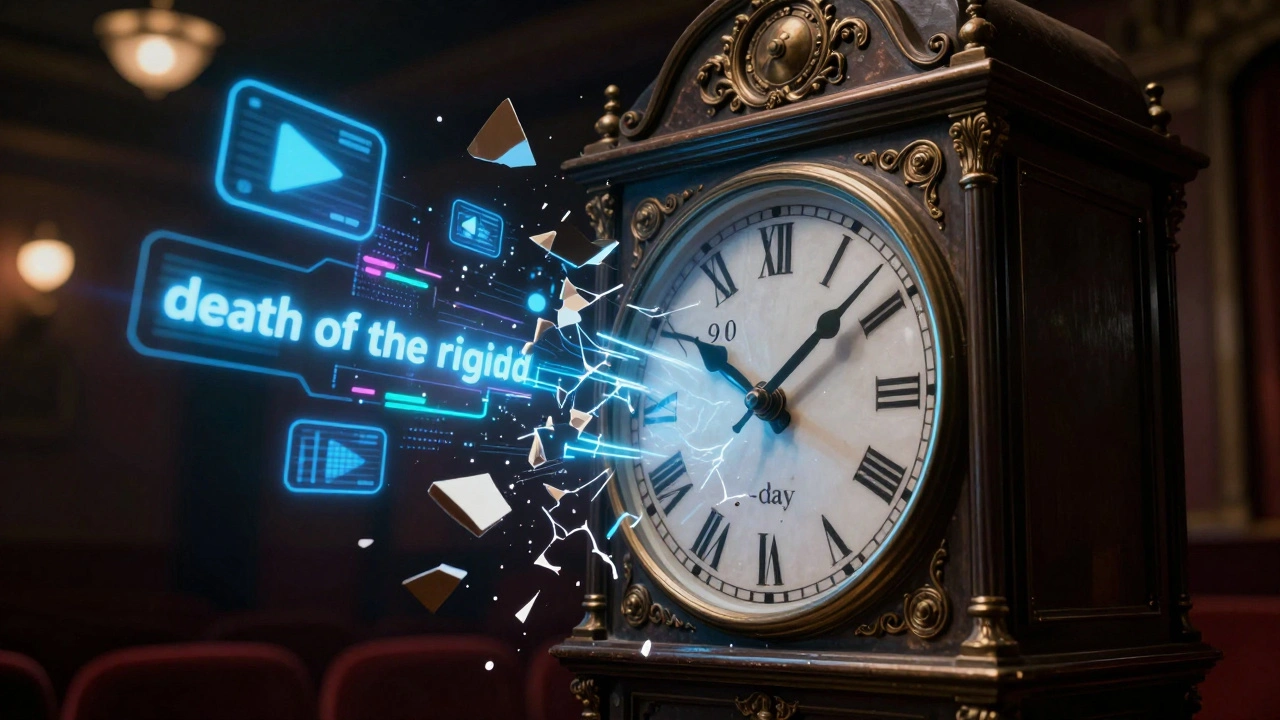
- The rigid 90-day window has been replaced by dynamic, shorter windows (often 17-45 days).
- Streaming platforms use theatrical runs as "marketing events" to boost later digital views.
- Exhibitors are trading exclusive rights for guaranteed revenue shares or co-marketing budgets.
- Hybrid releases are becoming a niche strategy for specific genres rather than a blanket rule.
The Death of the Rigid Window
For decades, the industry lived by a strict clock. A movie hit theaters, and it stayed there exclusively for about three months before hitting DVD or cable. But the rise of Netflix and Amazon Prime Video broke that clock. During the pandemic, we saw the 'day-and-date' experiment where movies dropped on both screens at once. It was a disaster for theater owners and didn't actually help the streamers build long-term prestige.
Now, we've landed on a middle ground. Most platform-exhibitor partnerships center around a "flexible window." For example, a big-budget action flick might get 45 days of exclusivity to maximize ticket sales, while a quirky indie film might move to streaming in just 17 days. This flexibility allows studios to pivot. If a movie is a runaway hit, they keep it in theaters longer. If it flops, they move it to the app quickly to recoup losses through subscriptions.
Why Streamers Want the Big Screen
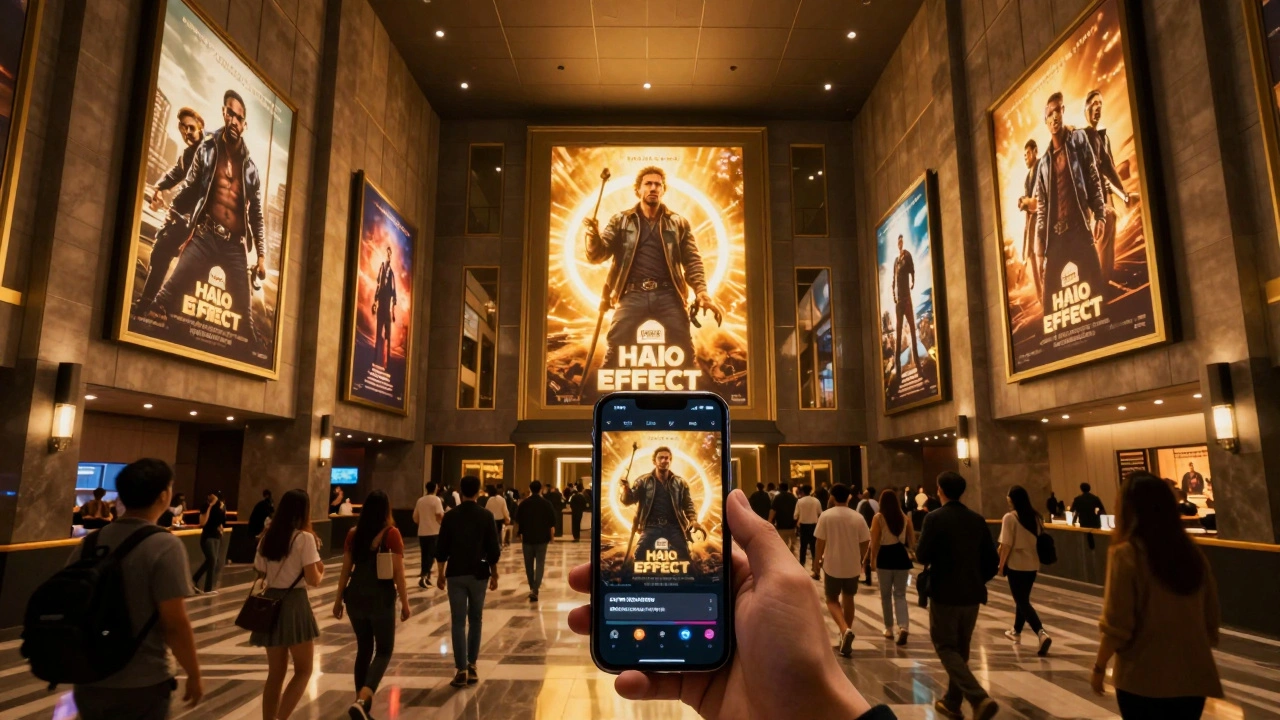
You might wonder why a company like Apple TV+ would spend millions putting a movie in a theater when they want you to stay inside their app. It's all about the "halo effect." A theatrical release acts as a massive, global advertisement. When a movie gets a wide release at AMC Theatres or Regal Cinemas, it gains a level of cultural legitimacy that a "Netflix Original" label just doesn't provide.
Beyond prestige, it's about the numbers. Movies that have a theatrical run tend to perform better on streaming platforms later. The anticipation built by trailers and reviews in the cinema phase drives a huge spike in viewership once the movie finally lands on the platform. It transforms a movie from a "piece of content" into an "event." For the platforms, the theatrical run is essentially a high-budget marketing campaign that partially pays for itself through ticket sales.
The Exhibitor's New Bargaining Power
Cinema owners aren't just taking these deals lying down. They've realized that for a streamer to get that "prestige" boost, they need the theaters. This has led to sophisticated revenue-sharing agreements. In the past, theaters took a flat percentage. Now, we see deals where platforms provide a guaranteed minimum payment to the exhibitor regardless of the box office, or they chip in for local advertising to ensure the theater is full.
| Feature | Traditional Window | Platform-Exhibitor Partnership |
|---|---|---|
| Exclusivity Period | Fixed (approx. 90 days) | Dynamic (17-45 days) |
| Revenue Flow | Box Office $\rightarrow$ Home Video | Integrated Ecosystem Revenue |
| Marketing Goal | Maximize Ticket Sales | Max Visibility $\rightarrow$ App Growth |
| Risk Profile | High (all or nothing opening) | Lower (staged monetization) |
The Role of the "Boutique" Release
Not every movie needs a 3,000-screen rollout. We're seeing a surge in limited theatrical releases. This is where a platform partners with a small chain of independent cinemas to show a film in select cities for a week. This creates a "scarcity' effect. It makes the movie feel exclusive and high-brow, which helps it trend on social media. Once the buzz peaks, the platform drops the movie globally on their service.
This strategy is particularly effective for award-season plays. To win an Academy Award, movies historically needed a theatrical run. While the rules have loosened, the perception remains. By partnering with a few key exhibitors in New York and Los Angeles, streamers can check the "theatrical box" and then move the movie to the digital space where 99% of their audience actually lives.
Pitfalls and Power Struggles
It's not all harmony. There is a constant tug-of-war over data. Cinema chains have incredibly valuable data on who is actually walking through the doors. Streamers have data on exactly what people watch at home. Neither side wants to share their full data set. When a platform-exhibitor deal goes south, it's usually because one side feels the other is using the partnership to steal a customer base.
Another friction point is the "leakage" of value. If a movie is available on a platform too quickly, it kills the incentive for the theater to promote it. If a theater promotes a movie but it's already on the app, the audience feels cheated. The sweet spot is a window that is long enough to respect the cinema experience but short enough to keep the digital hype alive. Finding that number is currently the most contested part of any film contract.
The Future of the Cinema-Streamer Alliance
Looking ahead, we'll likely see more "tiered" exclusivity. Imagine a world where you pay a subscription to a platform that gives you a discount on movie tickets for their theatrical releases. This would merge the two business models into one seamless funnel. The platform becomes the ticket office, and the theater becomes the premium viewing room for the platform's content.
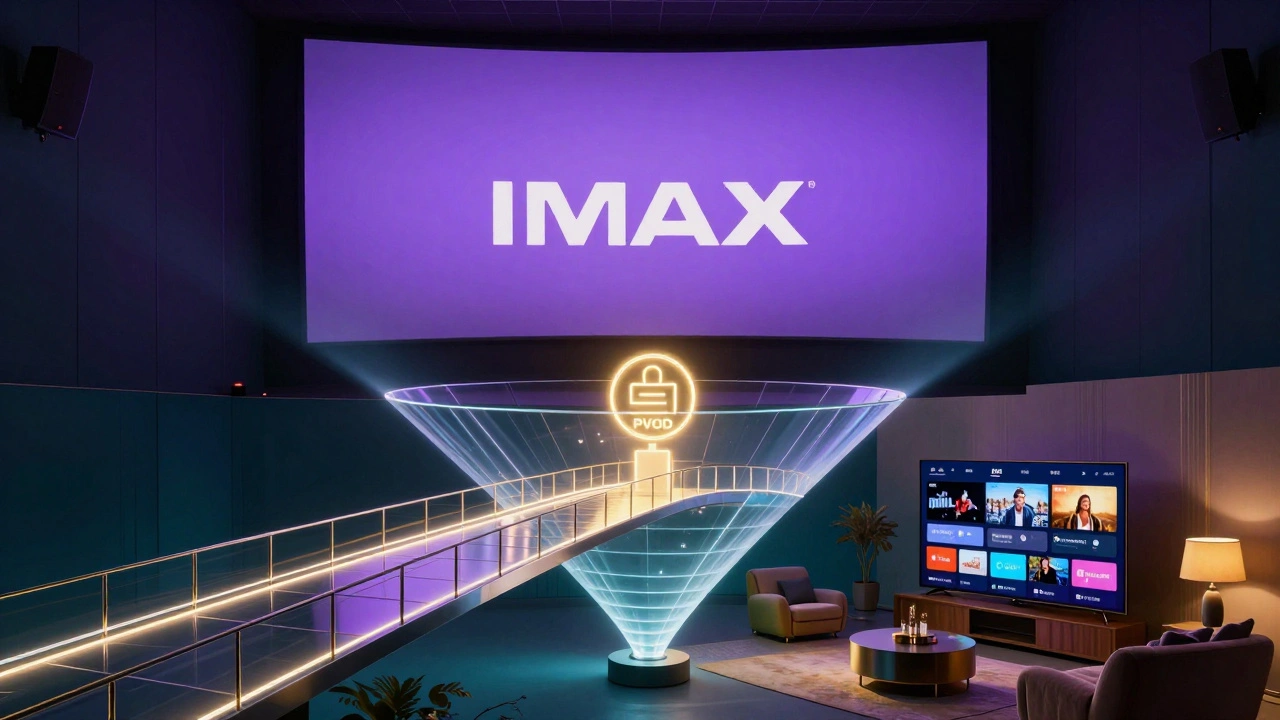
We are also seeing the rise of the "Premium VOD" bridge. This is the gap between the theater and the free streaming tier. In these partnerships, a movie stays in theaters for 30 days, then becomes a paid rental (PVOD) for another 30 days, before finally becoming "free" for subscribers. This maximizes the value of a movie across every possible price point, from a $20 IMAX ticket to a $5.99 rental, and finally to a monthly subscription fee.
What exactly is a theatrical window?
A theatrical window is the period of time during which a movie is shown exclusively in cinemas before it is released on other platforms like streaming services, digital rental stores, or physical media. Historically, this was a rigid 90-day period, but it is now much more flexible and can range from a few days to several weeks depending on the deal.
Why do streaming platforms still put movies in theaters?
Theaters provide cultural prestige, massive marketing exposure, and a different revenue stream. A theatrical run often makes a movie a "cultural event," which significantly increases the number of people who will watch it once it eventually hits the streaming app.
Do theaters make money from streaming-company movies?
Yes. While the deals vary, theaters typically earn a percentage of the ticket sales (the box office). In some exclusive partnerships, they may also receive marketing support or guaranteed payments from the platform to ensure the movie gets a prominent display in the lobby.
How does a limited release differ from a wide release?
A wide release puts the movie in thousands of theaters simultaneously to maximize opening weekend numbers. A limited release puts the movie in only a few theaters (often in major cities like NYC or LA) to build critical buzz, qualify for awards, or test audience reaction before a wider rollout or streaming launch.
What is Premium VOD (PVOD)?
PVOD is a distribution model where a movie is available to rent at a higher price point (usually $19.99 or more) shortly after its theatrical debut. It serves as a high-revenue bridge between the cinema exclusivity window and the general streaming release for subscribers.
Next Steps for Industry Observers
If you're tracking these trends, keep an eye on the quarterly reports of major exhibitors like AMC. Look for mentions of "alternative content" or "partnership revenue." For those in the creative space, the takeaway is clear: the way your work is distributed is now just as important as the content itself. The "window" is no longer a wall-it's a sliding door that studios will open and close based on the data.


Comments(6)