There’s something about cosmic horror that doesn’t just scare you-it unravels you. It’s not the monster under the bed. It’s the realization that the bed, the room, even the concept of "bed" is meaningless in the face of what’s out there. Movies that adapt H.P. Lovecraft’s vision don’t just show monsters. They show the collapse of human understanding. And that’s why these films stick with you long after the credits roll.
What Makes Cosmic Horror Different?
Most horror films rely on fear of the known: killers, ghosts, possessed children. Cosmic horror flips that. It’s about the terror of the unknown-things so vast, so alien, that your brain can’t process them. Lovecraft called it "the fear of the unknown." In film, this translates to scenes where characters stare into the abyss, and the abyss stares back… and it’s not even aware they exist.
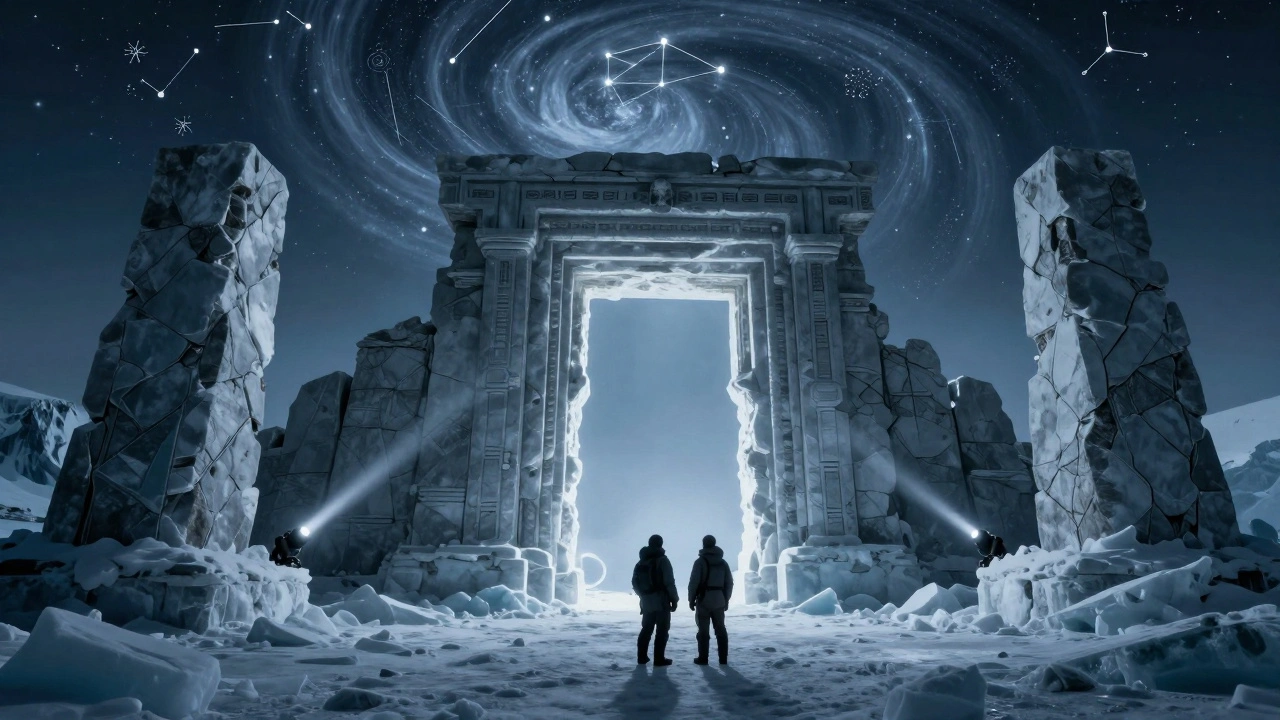
Take At the Mountains of Madness a 2013 film adaptation of H.P. Lovecraft’s novella, directed by Guillermo del Toro. It’s not about a creature chasing people. It’s about explorers in Antarctica uncovering ruins older than humanity, and realizing they were never the first intelligent species on Earth. The horror isn’t in the tentacles-it’s in the silence that follows when a scientist whispers, "We are not alone. And we were never meant to be here."
That’s the core of cosmic horror: insignificance. Not just physical, but existential. Your beliefs, your religion, your science-all of it crumbles when confronted with entities that operate on a scale beyond time, beyond logic. The human mind wasn’t built to handle this. And that’s why so many characters in these films go mad.
Lovecraft’s Influence on Modern Horror Cinema
Lovecraft didn’t write for Hollywood. He wrote for pulp magazines in the 1920s and 30s. His stories were dense, philosophical, and almost unadaptable. But filmmakers kept trying. Why? Because his themes are timeless.
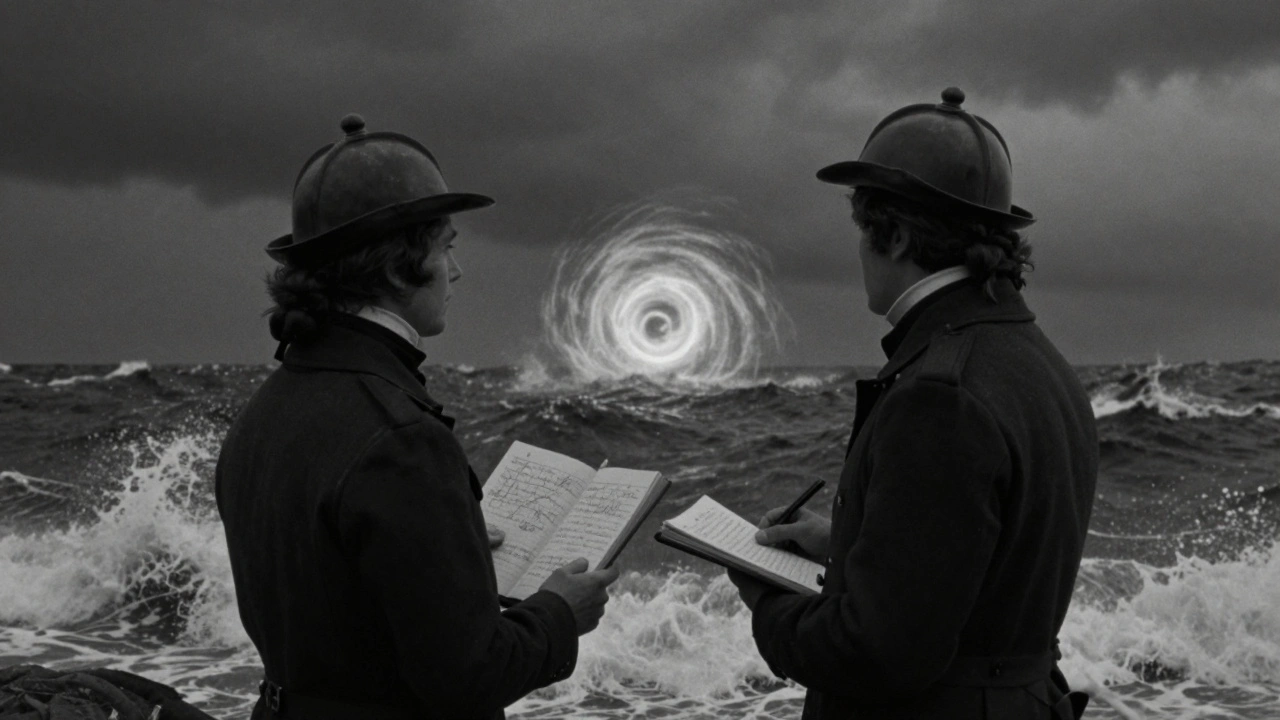
The Call of Cthulhu a 2008 silent film adaptation by the H.P. Lovecraft Historical Society, shot in black-and-white with 1920s-era techniques is one of the most faithful adaptations ever made. No music. No dialogue. Just title cards, eerie shadows, and a slow build toward an ancient god stirring beneath the ocean. It works because it doesn’t try to show Cthulhu. It shows the effect he has on people-the paranoia, the obsession, the quiet descent into madness.
Later films took more liberties. Hereditary a 2018 horror film by Ari Aster that uses Lovecraftian themes of inherited curses and unknowable entities doesn’t mention Lovecraft by name. But the way the family unravels under the weight of a ritual they don’t understand? That’s pure cosmic horror. The final scene isn’t about a demon. It’s about realizing you were never in control. Ever.
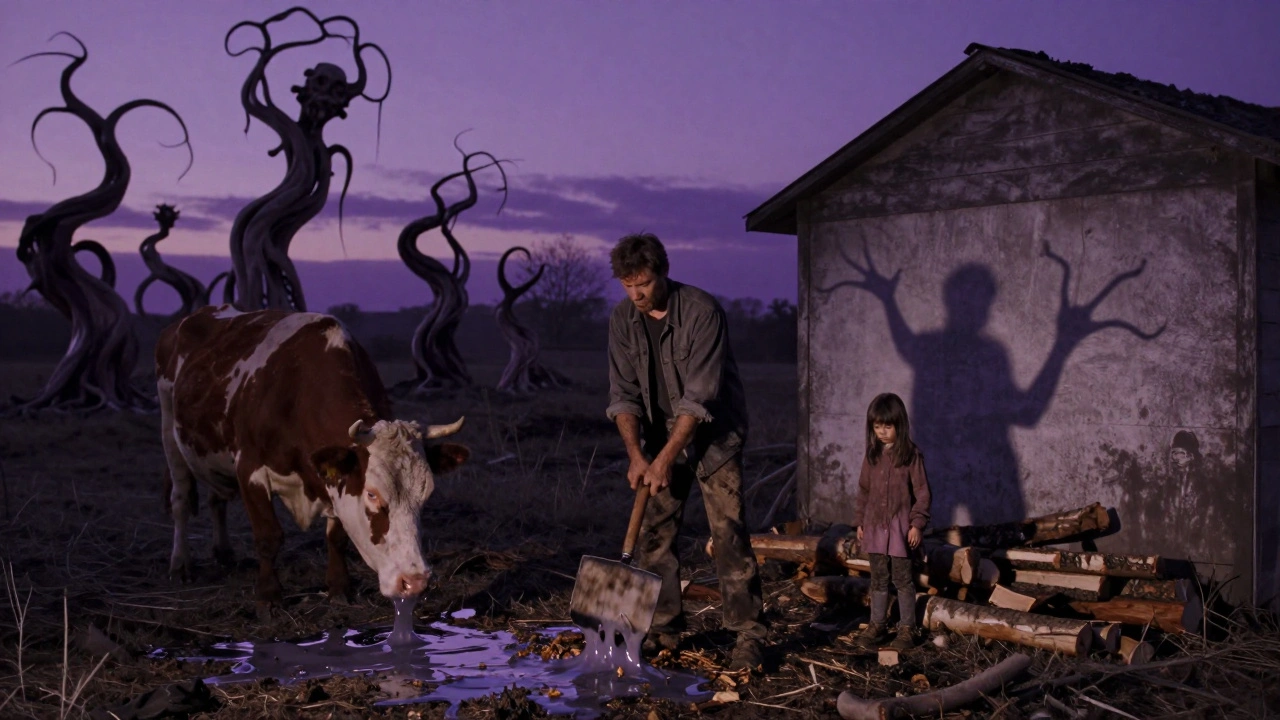
Color Out of Space a 2019 film directed by Richard Stanley, based on Lovecraft’s 1927 short story of the same name takes the idea of an alien force corrupting a family farm and turns it into a slow, surreal decay. The color doesn’t speak. It doesn’t move. It just… changes things. People grow extra limbs. Cows melt into goo. The sky turns purple. And the father? He just keeps chopping wood. Because what else can you do when reality itself is rotting?
Key Elements of a Successful Cosmic Horror Film
Not every dark, moody movie with tentacles is cosmic horror. Here’s what actually works:
- Slow dread-The terror builds over time, not in jump scares. Think of the way the camera lingers on a starry sky too long, or the way a character’s voice cracks as they describe something they can’t explain.
- Unreliable narration-The protagonist doesn’t know what’s real. Their journal entries contradict themselves. Their dreams bleed into waking life. The audience starts doubting their own perception.
- Science as failure-Doctors, astronomers, engineers-they all try to explain the horror with data. And they all fail. Their tools are useless. Their logic is broken. That’s the point.
- Setting as character-Ancient forests, abandoned lighthouses, frozen wastes, deep oceans. These places aren’t just backdrops. They’re relics of something older than humanity.
- No resolution-The hero doesn’t win. The monster doesn’t die. The truth doesn’t set you free. It just changes you. Forever.
Compare this to traditional horror. In Psycho, you learn why Norman Bates kills. In Hereditary, you learn why the family was targeted-but you never understand why the gods care. That’s the difference.
Films That Nail the Vibe (And Why)
Here are three films that get cosmic horror right, and what they got right:
| Film | Year | Key Lovecraftian Element | Why It Works |
|---|---|---|---|
| At the Mountains of Madness | 2013 | Forbidden archaeology | Shows science as a path to madness. The more they learn, the less they can handle. |
| Color Out of Space | 2019 | Corruption of nature | The horror isn’t visual-it’s in the way the land, animals, and people slowly stop making sense. |
| The Lighthouse | 2019 | Isolation and descent into madness | No monsters. Just two men, a storm, and a myth they can’t escape. The sea doesn’t care. The gods don’t answer. |
The Lighthouse a 2019 psychological horror film by Robert Eggers, blending Lovecraftian isolation with mythic symbolism is especially chilling because it never confirms if the events are real. Was there a sea witch? A god? Or were the two men just slowly losing their minds? The film doesn’t care. And that’s the point.
Why Modern Audiences Keep Coming Back
There’s a reason these films are making a comeback. In 2026, we live in a world that feels increasingly unstable. Climate change, AI, political chaos, pandemics-people aren’t scared of zombies. They’re scared that the system is broken, and no one’s in charge.
Cosmic horror mirrors that. It says: You’re not in control. The rules don’t apply. The universe doesn’t care if you survive. And maybe, just maybe, you never really did.
These films aren’t about monsters. They’re about the quiet moment when you realize you’ve been living inside a story you didn’t write. And the author isn’t coming back.
What to Watch Next
If you’ve seen the big ones, here are deeper cuts worth exploring:
- The Whisperer in Darkness (2023) - A low-budget gem that nails the radio-scare vibe of Lovecraft’s original.
- Dead of Night (1945) - Not Lovecraftian, but its "The Ventriloquist’s Dummy" segment is pure cosmic dread in a 1940s package.
- Annihilation (2018) - A sci-fi film that feels like Lovecraft if he wrote for Alex Garland. The shimmer, the mutations, the silence-it’s all there.
- From Beyond (1986) - A campy, gory adaptation that somehow captures the body horror and existential dread of Lovecraft’s writing.
Common Mistakes in Cosmic Horror Adaptations
Not every dark movie is cosmic horror. Here’s what goes wrong:
- Showing the monster too clearly - If you see Cthulhu’s face, you’ve lost. The horror is in the suggestion. Think Jaws. You never see the whole shark.
- Explaining too much - If a character gives a 10-minute monologue about ancient gods, you’re not scared-you’re bored.
- Happy endings - Cosmic horror doesn’t have redemption arcs. If the hero survives, they’re not saved. They’re changed. Forever.
- Using modern tech to solve the problem - A satellite, a drone, a smartphone? No. The horror exists outside technology. It’s older than electricity.
One of the worst adaptations? The 2005 Call of Cthulhu TV movie. It gave Cthulhu a voice. It showed him in full CGI. It ended with a hero defeating him. That’s not horror. That’s a superhero movie with tentacles.
What makes cosmic horror different from regular horror?
Cosmic horror isn’t about personal threats-it’s about existential ones. Regular horror says, "You might die." Cosmic horror says, "You never mattered to begin with." The monsters aren’t evil. They’re indifferent. And that’s scarier.
Do you need to read Lovecraft to understand these films?
No. But knowing his themes helps. You don’t need to read "At the Mountains of Madness" to feel the dread in Color Out of Space. But if you do, you’ll notice how the film mirrors his obsession with forbidden knowledge and the fragility of human sanity.
Why are these films so slow-paced?
Because cosmic horror isn’t about action-it’s about realization. The slow build lets the dread settle into your bones. You don’t jump when the monster appears. You shudder when you realize you’ve been staring at it all along.
Are there any cosmic horror films with happy endings?
Not true ones. Even films that seem hopeful-like Annihilation-end with ambiguity. The protagonist doesn’t win. She merges with something older. The universe doesn’t reward you. It absorbs you.
What’s the most important thing to get right in a cosmic horror film?
The feeling that reality is thin. That the world you know is just a fragile illusion. The moment a character looks up at the stars and realizes they’re not looking at stars anymore-that’s the heart of it.
Final Thought
These films don’t entertain. They unsettle. They don’t give you answers. They take away your certainty. And in a world that’s never felt more uncertain, that’s exactly why they’re needed.




Comments(9)