The Magic of the Unforgettable Performance
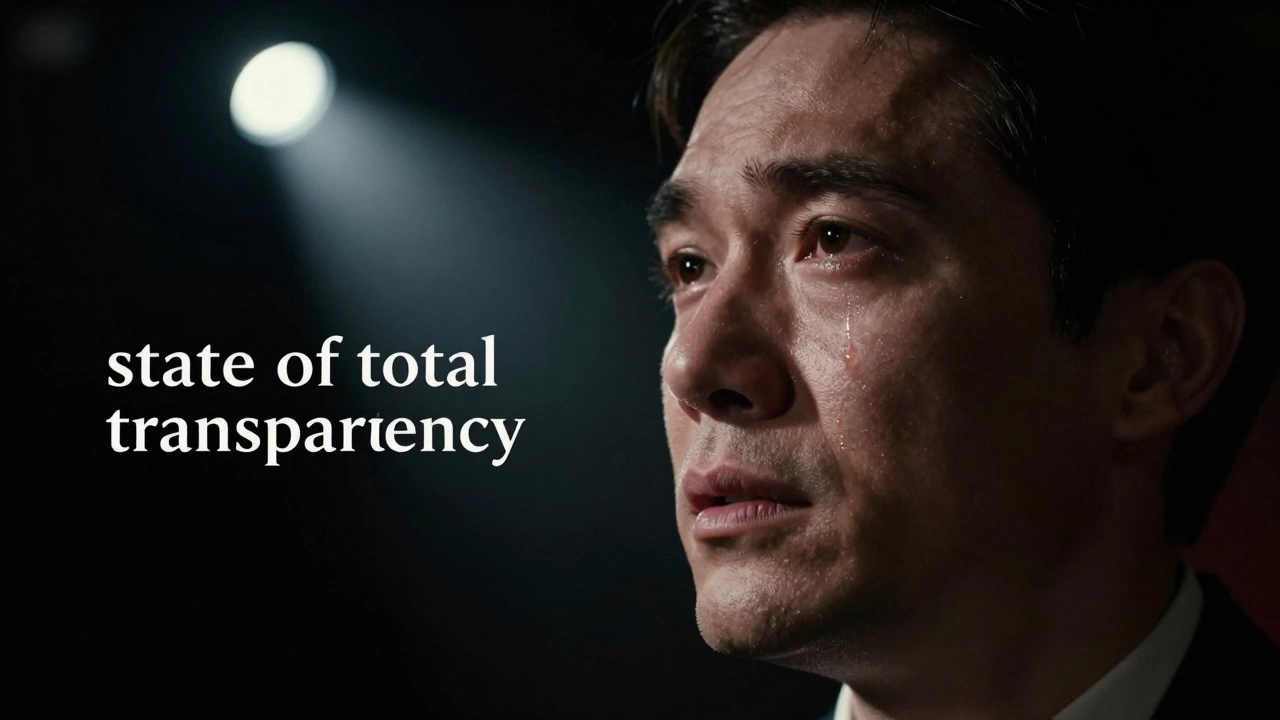
What actually makes a performance legendary? It is not just about crying on cue or shouting during a climax. True cinematic greatness happens when an actor achieves a state of total transparency. When you stop seeing the celebrity and start seeing the soul of the character, you have hit the gold standard of legendary film performances is the pinnacle of screen acting where a performer's portrayal transcends the script to create a cultural touchstone.
Think about the physical transformation. Some actors disappear into a role by changing their voice, their gait, or even their weight. Others do it through internal stillness. Whether it is the calculated intensity of a villain or the fragile desperation of a hero, the goal is always the same: truth. When we talk about iconic moments, we are talking about scenes that feel so authentic they stop being "acting" and start being a documented human experience.
The Power of Method Acting and Physicality
You cannot discuss the greatest roles without talking about Method Acting. This isn't just a buzzword; it is a technical approach derived from Konstantin Stanislavski's system. The idea is to draw upon the actor's own emotional memory to create a believable reaction. It is a risky game. If you go too far, you lose the plot; if you don't go far enough, the scene feels like a stage play in a movie theater.
Take Marlon Brando in "The Godfather". He didn't just play a mob boss; he changed the way he moved and spoke. The mumble wasn't an accident; it was a choice to project power through quietness. By adding cotton to his cheeks to age his face, he shifted the physical reality of the character. This level of commitment is what separates a "good job" from a performance that people still study in film schools sixty years later.
| Actor | Film | Primary Technique | Key Attribute |
|---|---|---|---|
| Meryl Streep | Sophie's Choice | Technical Mastery | Perfect Linguistic Accents |
| Daniel Day-Lewis | There Will Be Blood | Total Immersion | Psychological Intensity |
| Heath Ledger | The Dark Knight | Character Study | Unpredictable Mannerisms |
| Cate Blanchett | Tár | Precise Control | Intellectual Dominance |
Defining Moments: When a Scene Becomes a Monument
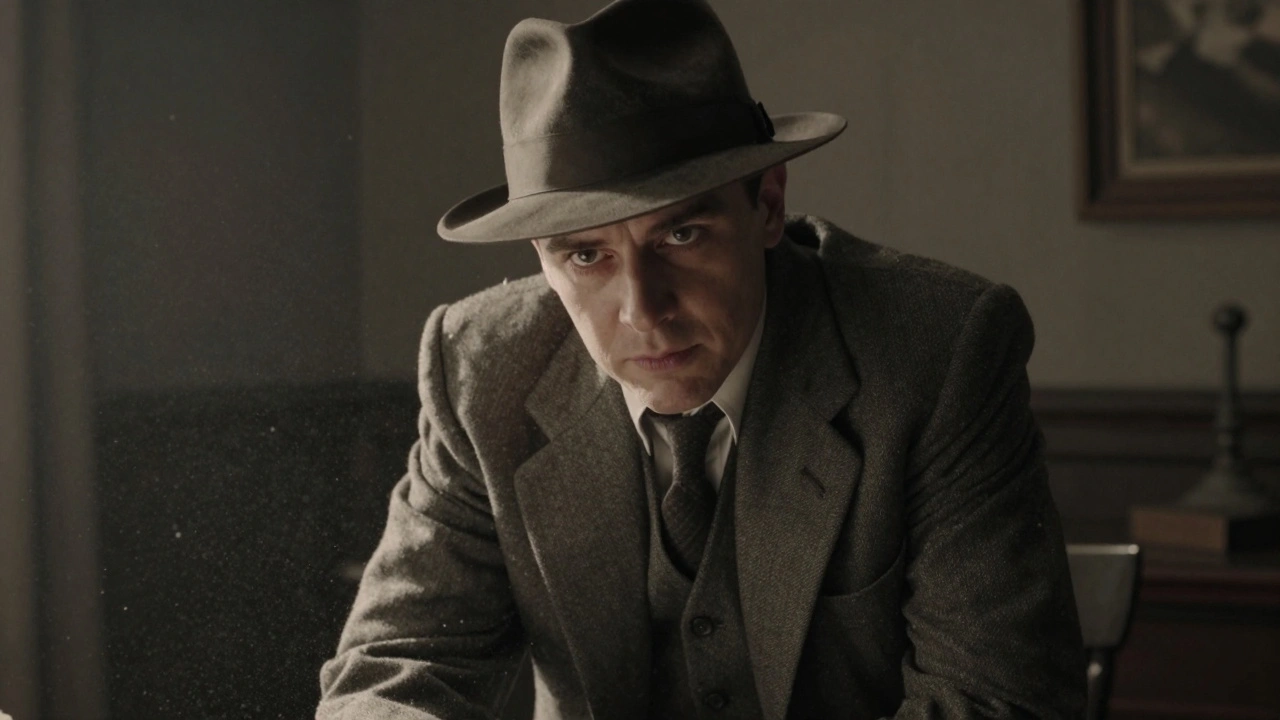
Some of the most legendary moments happen in the smallest spaces. It is rarely the big explosions that stay with us; it is the close-up. The Close-up Shot is the actor's greatest tool because it strips away the scenery and leaves only the emotion. When an actor can communicate a lifetime of regret or a sudden realization of betrayal without saying a single word, that is cinema at its most potent.
Consider the sheer tension of a scene where the character is lying and the audience knows it. The sweat on the brow, the slight tremor in the voice-these are the "micro-expressions" that create a visceral reaction in the viewer. For example, when an actor portrays a descent into madness, the brilliance lies in the gradual shift. It is not a jump from sane to insane, but a slow erosion of stability that keeps the audience on edge.
The Intersection of Casting and Chemistry
An iconic performance is often the result of perfect Casting. You can have a brilliant actor, but if they aren't the right fit for the character's essence, the performance will feel forced. The magic happens when the actor's natural personality clashes or blends with the character's requirements in a way that creates unexpected friction.
Chemistry between co-stars also elevates a performance. A legendary moment often isn't a solo act; it is a conversation. When two actors are truly listening to each other, the dialogue feels improvised, even if it was written months prior. This organic flow makes the audience forget they are watching a scripted event. It turns a movie into a voyeuristic experience, where we feel like we are eavesdropping on a real private moment.
The Evolution of Screen Acting Over Decades
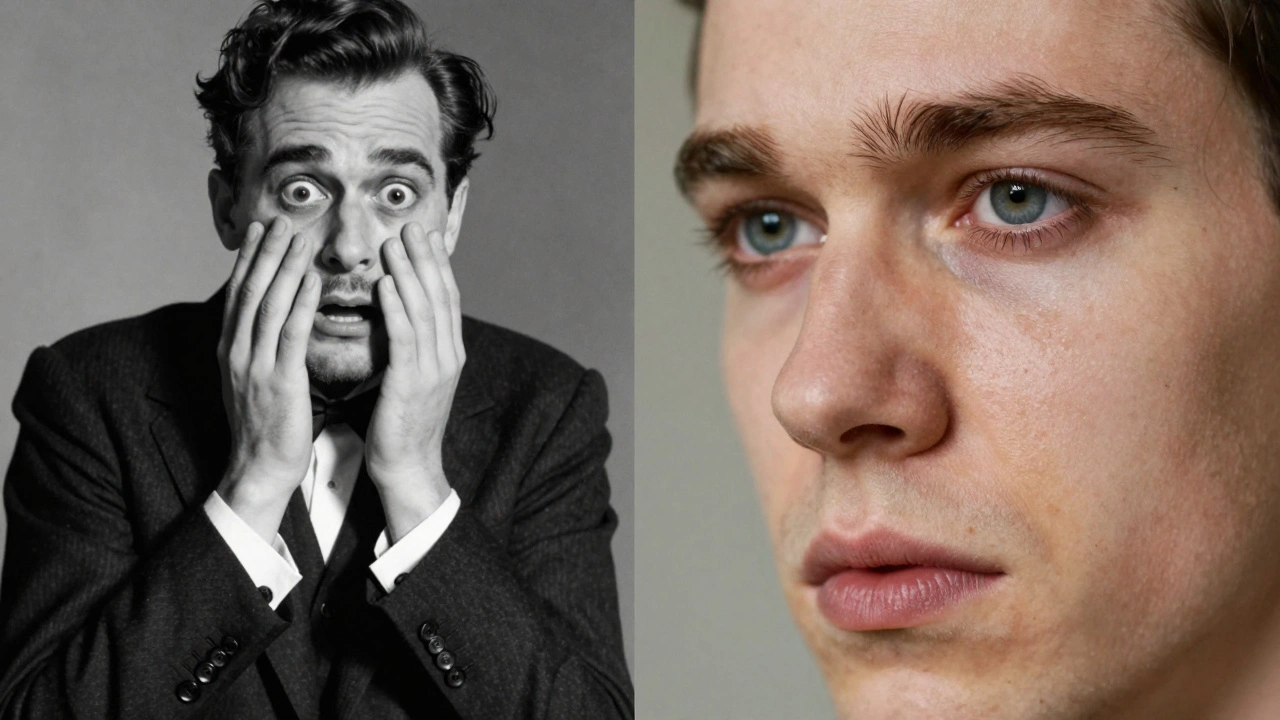
Acting styles have shifted dramatically since the era of Silent Film. In the early days, everything was exaggerated because there was no audio to carry the emotion. Actors had to use their entire bodies to signal grief or joy. As technology evolved, the acting became more subtle. The move toward realism in the mid-20th century paved the way for the psychological depth we see today.
Now, we are seeing a rise in "hyper-naturalism," where actors strive to be so understated that they barely seem to be acting at all. This is a difficult balance. If a performance is too subtle, it disappears into the background. If it is too theatrical, it pulls the viewer out of the story. The legendary performers are the ones who know exactly where that line is and how to dance on it.

The Lasting Impact of a Great Role
Why do we keep talking about these performances? Because they provide a mirror to our own lives. When an actor successfully portrays a universal struggle-loss, ambition, or loneliness-they validate the viewer's own emotions. A legendary performance doesn't just tell a story; it captures a piece of the human condition and preserves it in amber for future generations.
These roles also influence every actor who comes after them. New generations of performers watch these iconic moments to learn how to handle a scene or how to build a character's arc. The legacy of a great performance is not just the award on the shelf, but the ripple effect it creates in the art of storytelling. It sets a benchmark for what is possible when talent meets a perfect script and a visionary director.
What is the difference between Method Acting and traditional acting?
Traditional acting often relies on the actor mimicking the external behaviors of a character based on the script. Method Acting, however, encourages the performer to create a psychological identification with the character. Instead of just "acting" sad, a Method actor attempts to actually feel the sadness by recalling a personal memory that triggers that specific emotion, aiming for a more visceral and organic reaction on screen.
Does physical transformation always lead to a better performance?
Not necessarily. While gaining weight or wearing heavy prosthetics can help an actor get into the right headspace or fit a visual requirement, the core of the performance is always emotional. Some of the most legendary performances involve zero physical change but rely entirely on the actor's ability to manipulate their voice, gaze, and internal energy to convey the character's truth.
How does a close-up change the way an actor performs?
In a wide shot, actors use their whole body to communicate. In a close-up, the "canvas" shrinks to just the face. This requires a massive shift in energy. Over-acting in a close-up looks theatrical and fake. The best actors learn to "think" the emotion rather than "show" it, knowing that the camera will pick up the smallest flicker of thought in their eyes.
Can a movie be great if the acting is mediocre?
A movie can have a great plot, stunning visuals, and a brilliant score, but acting is the primary bridge between the story and the audience. Without a convincing performance, the emotional stakes vanish. While a technically impressive film can be "good," it rarely becomes "legendary" without performances that make the audience care about the characters' fates.
What makes a performance "iconic" versus just "good"?
A "good" performance serves the story well. An "iconic" performance transcends the story. It becomes a cultural reference point-a specific look, a way of speaking, or a particular scene that people recognize even if they haven't seen the full movie. It is the result of a perfect storm: the right actor, the right role, and a performance that captures a universal human truth.
Next Steps for Film Lovers
If you want to truly appreciate these performances, try watching a legendary scene with the sound turned off. Focus entirely on the actor's eyes and body language. You will be surprised by how much information is being conveyed without a single word. Once you do that, watch it again with the sound on to see how the voice complements the physical work.
For those interested in the craft, looking into the history of different acting schools-from the Royal Academy of Dramatic Art to the Actors Studio-can provide a deeper understanding of why certain actors approach their roles the way they do. Exploring the connection between a director's vision and the actor's interpretation is also a great way to understand why some pairings result in masterpieces while others fall flat.



Comments(5)