
Most people think indie films are made by starving artists shooting on iPhones with borrowed gear. But the truth? The best independent films today are backed by smart, diverse funding strategies that have nothing to do with Hollywood studios. If you're a filmmaker trying to make something real without selling your soul to a studio, you’re not alone-and you don’t have to beg for scraps.
Grants Are the Hidden Backbone of Indie Film
Every year, over $300 million flows into independent film through non-profit grants in the U.S. alone. These aren’t small handouts-they’re serious investments. The Sundance Institute’s Documentary Fund gave out $1.2 million to 42 projects in 2024. The National Endowment for the Arts awarded $1.8 million to film projects last year. These aren’t charity checks. They’re competitive, vetted, and often require a matching budget.
Grants don’t ask for equity. They don’t demand creative control. They ask for impact. If your film tackles climate justice, mental health in rural communities, or undocumented youth navigating education systems, you’re not just making art-you’re applying for funding that sees your story as public good.
Start with the Foundation Center’s database. Filter by film, documentary, and U.S.-based. Apply early. Most deadlines are 6-9 months before production. And never apply without a clear plan: who you’re serving, how you’ll measure reach, and who’s on your team. A grant committee doesn’t fund dreams. They fund execution.
Crowdfunding Isn’t Just a Last Resort-It’s a Strategy
Kickstarter and Indiegogo aren’t just for musicians and gadget startups. In 2024, indie films raised over $85 million across crowdfunding platforms. The average successful film campaign raised $42,000. But here’s what most filmmakers miss: the money isn’t the point. The audience is.
Successful campaigns don’t just ask for cash. They build communities. They offer early screenings, behind-the-scenes access, or even co-producer credits. The 2023 film “The Last Light in Marfa” raised $117,000 on Kickstarter by offering backers a physical package: a hand-written letter from the director, a limited-edition poster, and a private Zoom Q&A with the cast. They didn’t just fund the film-they turned viewers into stakeholders.
Don’t launch without a trailer. Don’t launch without a 30-day plan. And don’t launch without telling people you know-your friends, your neighbors, your local theater group-before you go public. The first 48 hours decide everything. If you hit 30% of your goal in the first two days, the algorithm pushes you. If you don’t, you disappear.
Private Investors Who Care About Stories, Not ROI
You don’t need a billionaire. You need someone who believes in your story. There are thousands of high-net-worth individuals who invest in film not for profit, but for legacy. They’re doctors, retired teachers, local business owners who grew up watching indie films and want to give back.
These investors don’t want 10% of the box office. They want their name in the credits. They want to attend the premiere. They want to know their money helped a young filmmaker tell a story no studio would touch. In 2024, a filmmaker from Ohio raised $250,000 from 17 private investors, each putting in $10,000-$25,000. No contracts. No legal teams. Just handwritten agreements and coffee meetings.
How do you find them? Start local. Talk to your city’s arts council. Attend chamber of commerce events. Join film societies. Don’t pitch your film. Pitch the experience. Say: “I’m making a film about a single mom in rural Kentucky who starts a community garden. It’s not about money. It’s about dignity. I’d love for you to be part of that.”
Pre-Sales and Distribution Deals Before You Shoot
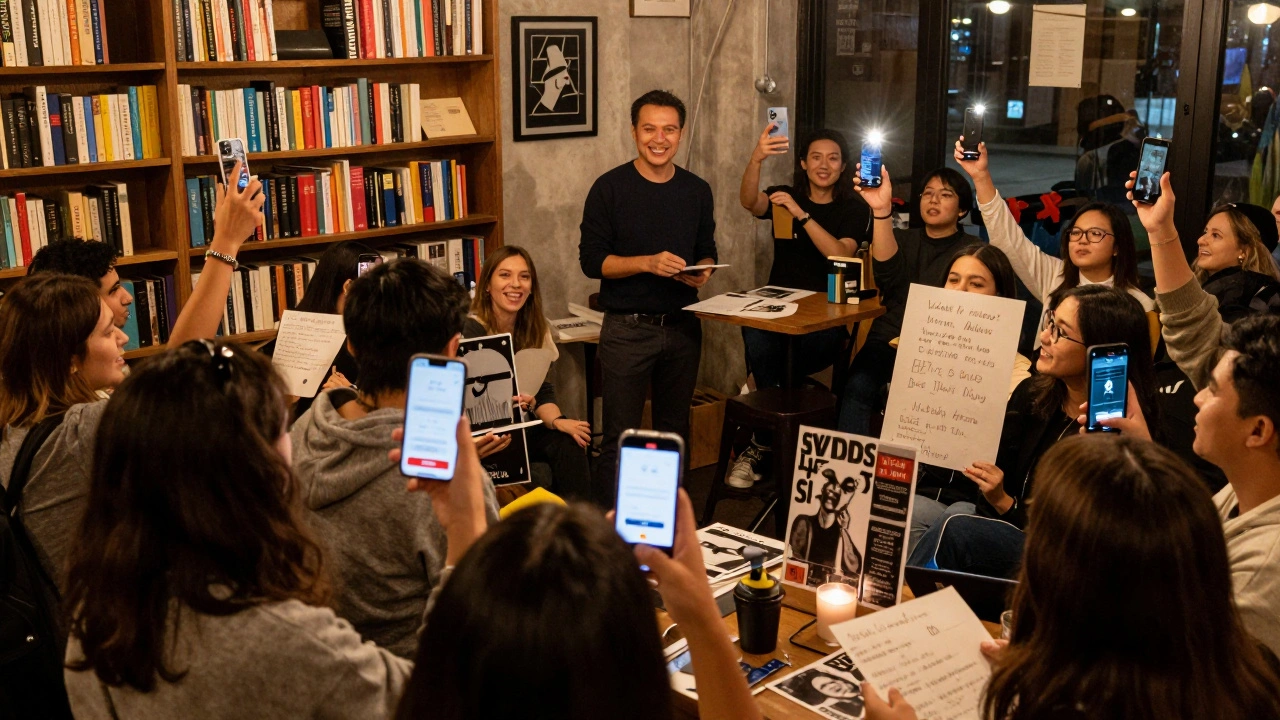
Forget waiting for a festival to sell your film. Smart indie filmmakers lock in distribution deals before they turn on the camera. Platforms like MUBI, Criterion Channel, and even Amazon Prime Video’s indie arm buy films based on treatment, director’s past work, and audience potential-not finished product.
In 2024, a filmmaker in New Mexico secured a $75,000 pre-sale from a Latin American streaming network just by submitting a 12-page treatment and a 5-minute sizzle reel. The deal included a guaranteed minimum distribution fee and marketing support. She shot the film with that money in hand.
You don’t need a finished film to pitch. You need a compelling vision. Write a one-pager. Include your cast, locations, and why this story matters now. Send it to distributors who specialize in your genre. Don’t spam. Target. Find the ones who’ve bought films like yours. Follow their submission guidelines. Be professional. Be persistent.
Corporate Sponsorships That Don’t Sell Out
Big brands don’t just fund sports teams and TikTok influencers. They’re quietly backing indie films that align with their values. Patagonia funded a climate documentary series. REI backed a film about outdoor access for disabled youth. Ben & Jerry’s supported a short about food justice in urban neighborhoods.
These aren’t ads. They’re partnerships. The brand doesn’t get product placement. They get a story that reflects their mission. In return, they provide equipment, crew stipends, or post-production help.
Approach companies whose values match your film’s theme. Don’t ask for money. Ask for alignment. “We’re making a film about clean water in Flint. Your brand stands for environmental justice. Could we partner on this?” If they say yes, you get funding. If they say no, you still made a connection.
Hybrid Models: Mix and Match to Build Your Budget
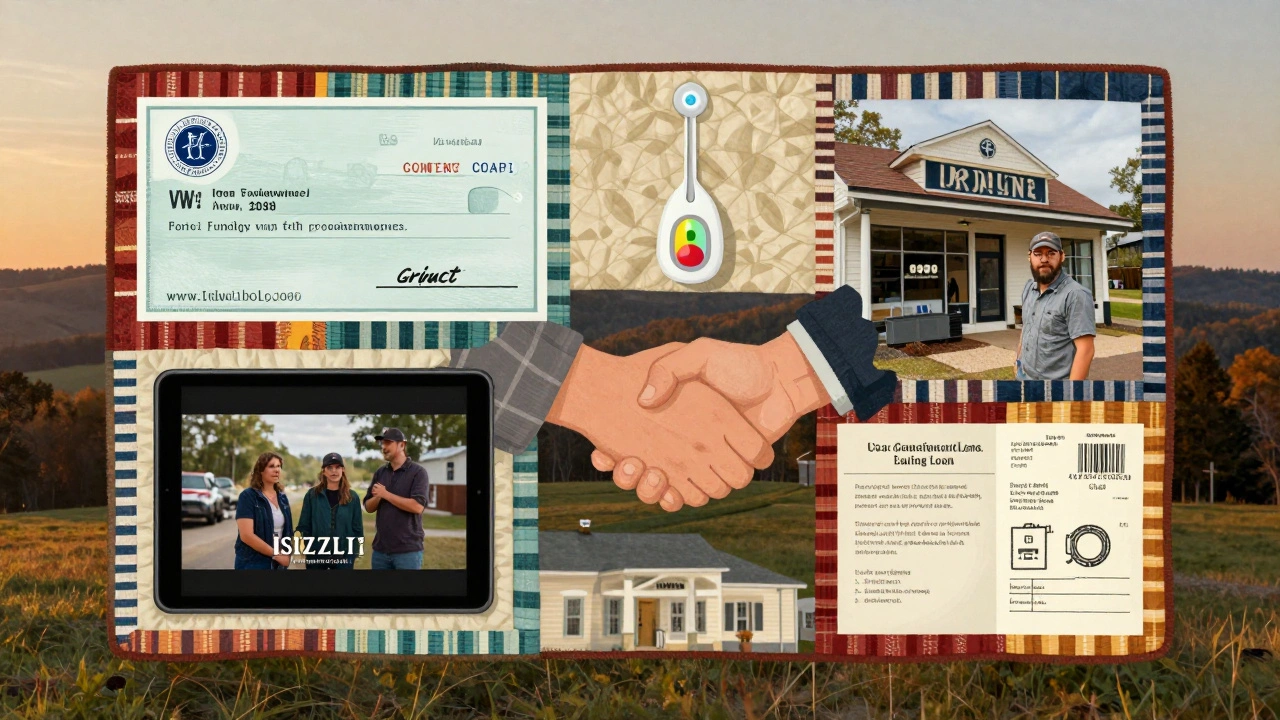
The most successful indie films don’t rely on one source. They stitch together funding like a quilt. One filmmaker from Portland raised $100,000 by combining: $30,000 from a local arts grant, $25,000 from crowdfunding, $20,000 from a private investor, $15,000 in equipment loans from a camera rental house, and $10,000 in in-kind services from a local sound studio.
That’s the secret. No one source has to carry you. You don’t need $1 million. You need $10,000 from five different places. Each piece reduces pressure. Each piece gives you more control.
Build a funding map. List every possible source. Then rank them by likelihood. Start with the easiest. Get one win. That builds momentum. A grant approved? Use it to attract a private investor. A crowdfunding campaign hits its goal? That’s your proof of concept for a distributor.
What Studios Won’t Tell You
Studios want control. They want franchises. They want sequels. They want safe bets. Independent filmmakers don’t need those things. They need freedom. And freedom doesn’t come from a studio check. It comes from a thousand small acts of belief-from a grandmother who donated $50 because your film reminded her of her childhood, from a local bookstore that hosted your premiere, from a filmmaker in another state who lent you their lens.
You’re not fighting the system. You’re building your own.
Can I fund an indie film without any prior experience?
Yes. Many first-time filmmakers have raised funds through grants and crowdfunding by focusing on the story’s impact, not their resume. Grant committees care more about your plan, your team’s passion, and how you’ll reach your audience than your filmography. Start small. Make a short film. Build trust. Then scale up.
How long does it take to secure indie film funding?
It varies. Grants can take 3-8 months to process. Crowdfunding campaigns need 4-6 weeks of prep before launch. Private investors may respond in days if you have a strong pitch. On average, most filmmakers spend 6-12 months building their funding strategy before they start shooting. Patience is part of the process.
Do I need a lawyer for private investor deals?
Not always, but it’s smart. For small amounts under $50,000, a simple written agreement outlining repayment terms (if any), credit, and rights is enough. For larger sums, consult a film attorney through your state’s film commission. Many offer free or low-cost consultations for indie filmmakers.
What’s the biggest mistake indie filmmakers make when fundraising?
Waiting until they’re broke to start. The best funding strategies are built months before production. If you’re scrambling for cash the week before shooting, you’re already behind. Start thinking about money the same day you write your first scene.
Can I use the same funding model for a narrative film and a documentary?
Yes, but with adjustments. Documentaries often qualify for more grants because of their social impact. Narrative films rely more on crowdfunding and private investors who connect emotionally to the story. Both can use pre-sales and corporate sponsorships. Tailor your pitch to the audience you’re asking for help.
Next Steps: Your Funding Roadmap
- Write a 1-page story summary: Who, what, why now?
- Identify 3 potential grant programs that match your theme.
- Reach out to 5 local businesses or individuals who might care about your story.
- Build a 90-second sizzle reel with footage, music, and voiceover.
- Set a realistic budget-then break it into $5,000 chunks you can fund separately.
You don’t need permission to make a film. You just need to start asking.




Comments(6)