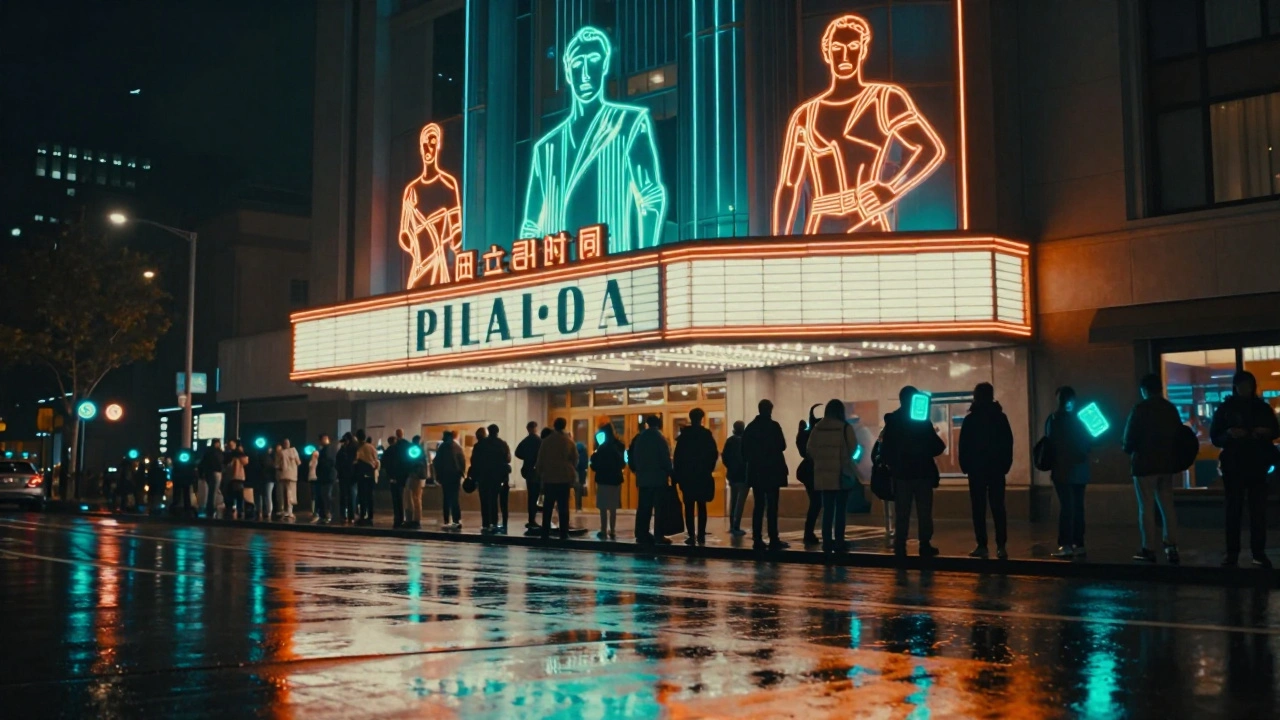
Walk into a cinema in 2026, and you will see a familiar pattern. Almost every blockbuster on the marquee relies on a legacy name. You have seen this before, but the rules have changed. Studios are no longer just cashing in on old titles; they are trying to save them.
We used to think a reboot was a hard reset of a film series where the original story remains canon, but the plot restarts from the beginning with new actors. Also known as Hard Reboot, this model dominated the early 2010s. However, today's studios are leaning into a different approach.
The Shift Toward Continuity
You might be wondering why a simple relaunch isn't enough anymore. The answer lies in the economics of Film Franchises are long-running entertainment series across various media that share a common fictional universe and brand identity. Specifically, the concept of shared universes has forced studios to protect their assets. If one thread breaks, the whole tapestry feels damaged.
This leads us to the "Soft Reboot." Unlike the hard version, a soft reboot keeps the original cast and lore intact but introduces new characters or timelines to lower the barrier for entry. Think of the transition between generations in classic sci-fi properties. It allows veterans to mentor newcomers without erasing history completely.
The Rise of the Multiverse Strategy
In recent years, Cinematic Universes refers to a franchise structure where multiple interconnected films share the same setting, characters, and continuity became the dominant business model. With the explosion of streaming services, this model has evolved further. Studios now treat these universes as playgrounds rather than rigid roadmaps.
This flexibility allows creators to experiment. A character can age differently, die in another timeline, or meet their past self. While this creates complex narrative webs, it solves a critical problem: creative stagnation. Writers aren't bound by strict continuity errors if they can simply say, "That happens in Earth-9." It protects the core asset from bad creative decisions impacting the main canon.
| Strategy | Definition | Typical Audience Response |
|---|---|---|
| Hard Reboot | Complete restart ignoring previous plotlines | High interest from new fans, alienates purists |
| Soft Reboot | New story within existing continuity | Balanced appeal to both new and returning fans |
| Legacy Sequel | Returns original cast for passing torch moment | Nostalgic, often higher box office return |
Managing IP and Creative Rights
One major hurdle in reimagining classics is ownership. Many iconic properties span decades, meaning rights are often fragmented between production companies, talent agencies, and streaming platforms. In 2026, we are seeing a consolidation of these rights.
Major conglomerates prefer to hold onto the master keys of their libraries. Instead of selling off older catalogs, they are licensing them for internal development. This vertical integration ensures that when they want to reboot a property, the green light comes from the same decision-maker who owns the IP. This reduces bureaucratic friction significantly.
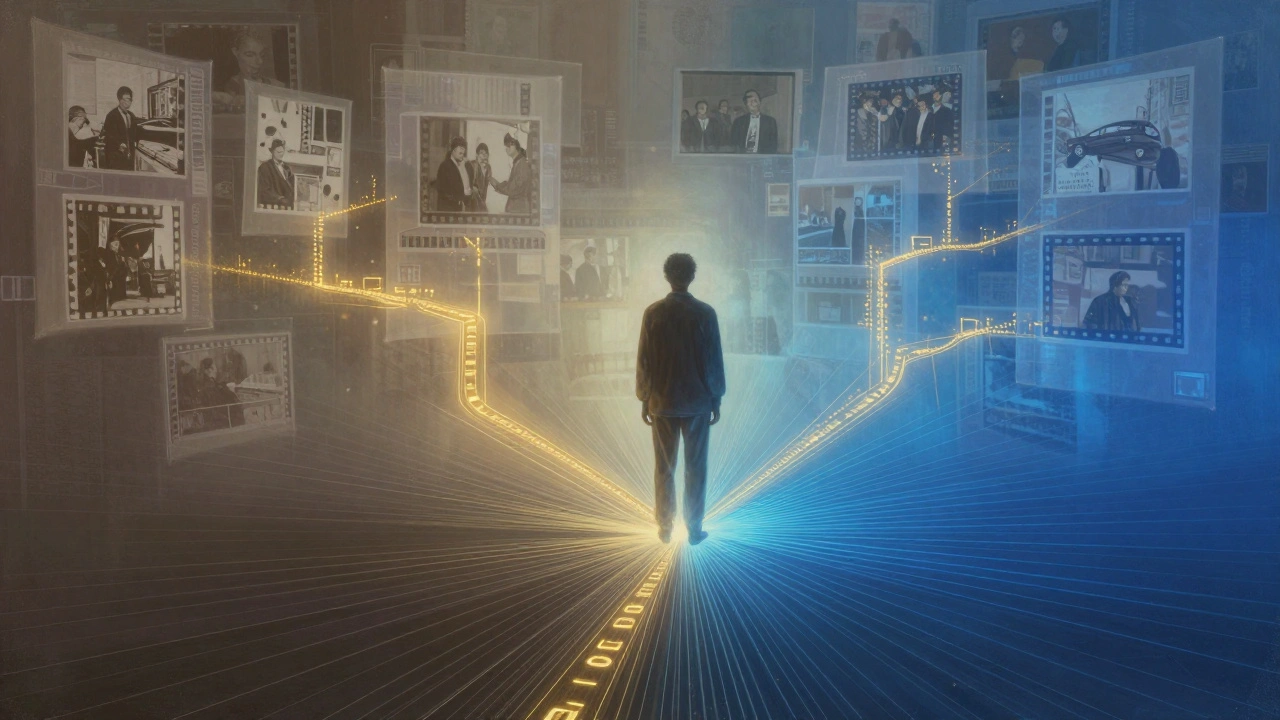
Audience Demographics and Nostalgia Cycles
Have you ever wondered why so many reboots target specific age groups right now? There is a psychological component here. The demographic born in the late 1990s is now spending disposable income. They grew up watching the originals. Studios calculate that marketing a revival of a show from 25 years ago targets this exact wallet.
This cycle creates a demand loop. The audience craves nostalgia, but not the exact same product. They want to feel connected to their childhood heroes but told in a modern style. That tension drives the "reimagined" label. It implies freshness applied to a vintage foundation.
Risk Assessment for Studios
Box Office Volatility describes the unpredictable nature of theatrical film revenue influenced by external factors and public reception
remains a primary concern. Theaters are still gateways to merchandise sales and streaming subscriptions. However, a failed reboot damages the brand equity more than an original film failure.If a studio invests $200 million into a sequel to an unknown original movie, nobody cares if it bombs. If they spend $300 million on a beloved legacy hero and flop, the fanbase revolts. This risk calculation makes producers conservative. They often over-rely on legacy stars to guarantee opening weekends, sometimes at the cost of genuine storytelling innovation.
Streaming Services and Direct-to-Consumer Reboots
The landscape changed drastically when platforms like Disney+ and Max began producing high-budget prequels. These shows allow for deeper world-building that a two-hour movie cannot support. A 10-hour series can flesh out lore better than any reboot feature film.
This creates a dual-track system. Theatrical films get the big action set pieces, while the streaming versions handle the character backstories. It splits the audience but maximizes engagement across all devices. This synergy is vital for sustaining a franchise without exhausting it via annual release schedules.
The Future of Fan Engagement
Social media amplifies every creative choice. A reboot script leak can start a global debate weeks before filming begins. Studios are actively courting fan communities to mitigate backlash. Early focus tests, leaked concept art, and community managers interacting with Twitter/X users are part of the process now.
This feedback loop is faster than ever. Producers know which aspects of a legacy project resonate and which annoy people. They adapt scripts in pre-production based on reaction data. While this might sound cynical, it ensures the final product aligns closely with audience expectations.
Frequently Asked Questions
What is the difference between a reboot and a remake?
A remake usually involves adapting a single previous movie again with new actors, whereas a reboot suggests starting a new chapter within a continuing series. Often, these terms are used interchangeably by marketers, but legally they imply different levels of continuity reset.
Why do studios prefer reboots over original stories?
Original IP takes significant time and money to build recognition. Reboots utilize built-in brand awareness, reducing marketing costs and perceived financial risk for investors.
Is the multiverse concept becoming too complicated for viewers?
While some casual audiences find it confusing, the strategy allows hardcore fans to dive deeper. It is generally considered manageable if the entry points are clear.
Do original creators usually stay involved in reboots?
Not always. Sometimes the original creators sell the IP and lose attachment rights. Others may be brought in as executive producers for moral support or creative oversight, though actual writing duties often pass to new teams.
How does social media influence reboot decisions?
Social sentiment analysis helps studios gauge which characters or eras fans miss. This data drives casting choices and plot outlines to minimize negative reactions upon release.
Can a franchise survive repeated reboots?
Yes, provided the core thematic elements remain consistent. If the emotional resonance of the brand stays strong, audiences accept the new iterations even if the format changes.



Comments(7)