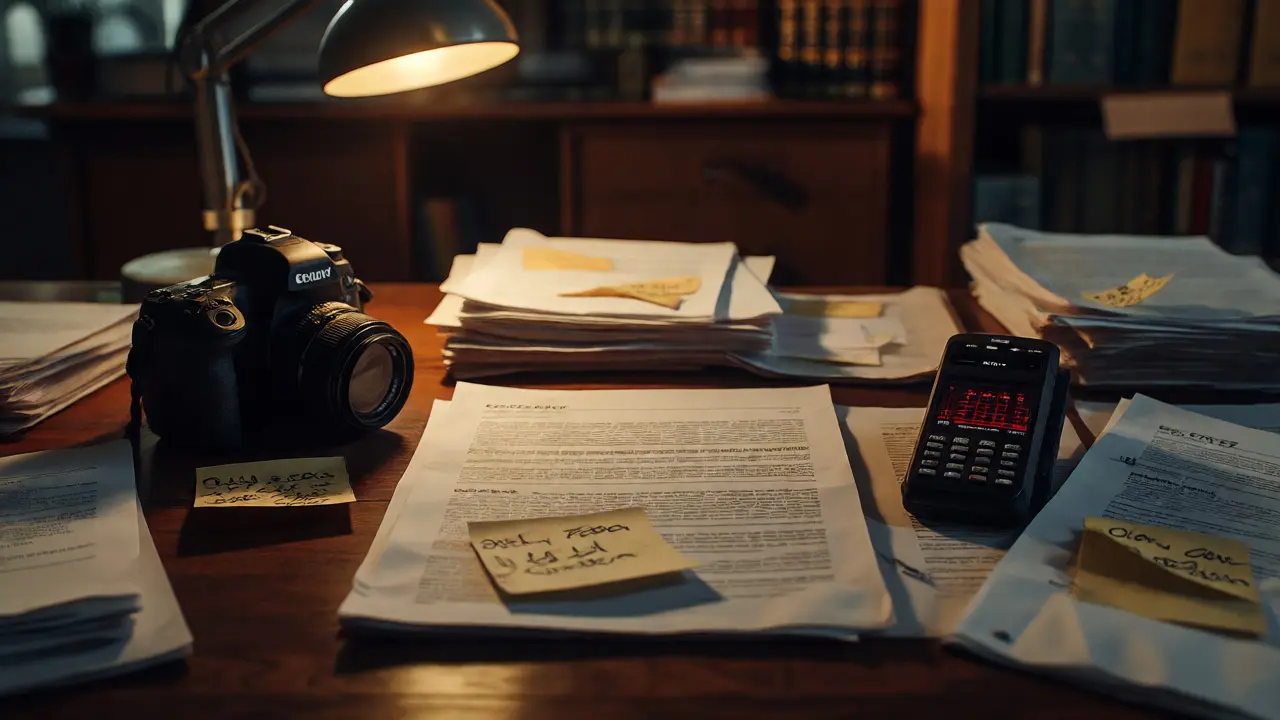
Ever wonder how a documentary can feel as gripping and rigorous as a front-page exposé? It’s not magic. It’s method. When you watch films like Spotlight or the recent series on the FTX collapse, you’re seeing journalism’s toolkit applied to cinema. Filmmakers aren’t just pointing cameras; they are building cases, sourcing truths, and verifying facts with the same scrutiny a reporter uses before hitting publish.
The Core Philosophy: Truth Over Narrative Comfort
Traditional documentaries often prioritize a smooth story arc. Investigative documentaries prioritize accuracy, even if it makes the story messy. This shift changes everything about production. You don’t start with a script; you start with a question. Is this policy actually working? Did this official lie? The answer isn’t known until the investigation ends. This uncertainty is terrifying for directors used to planned shots, but it’s essential for credibility.
Think of it like a trial. In a standard doc, you might be the prosecutor presenting a case you already believe. In an investigative doc, you’re the investigator gathering evidence. Sometimes the evidence points away from your initial theory. If you ignore that, you lose trust. Audiences today are skeptical. They spot bias instantly. By adopting journalistic rigor, filmmakers signal that they care more about the truth than their own ego or narrative convenience.
Sourcing: The Art of Finding People Who Talk
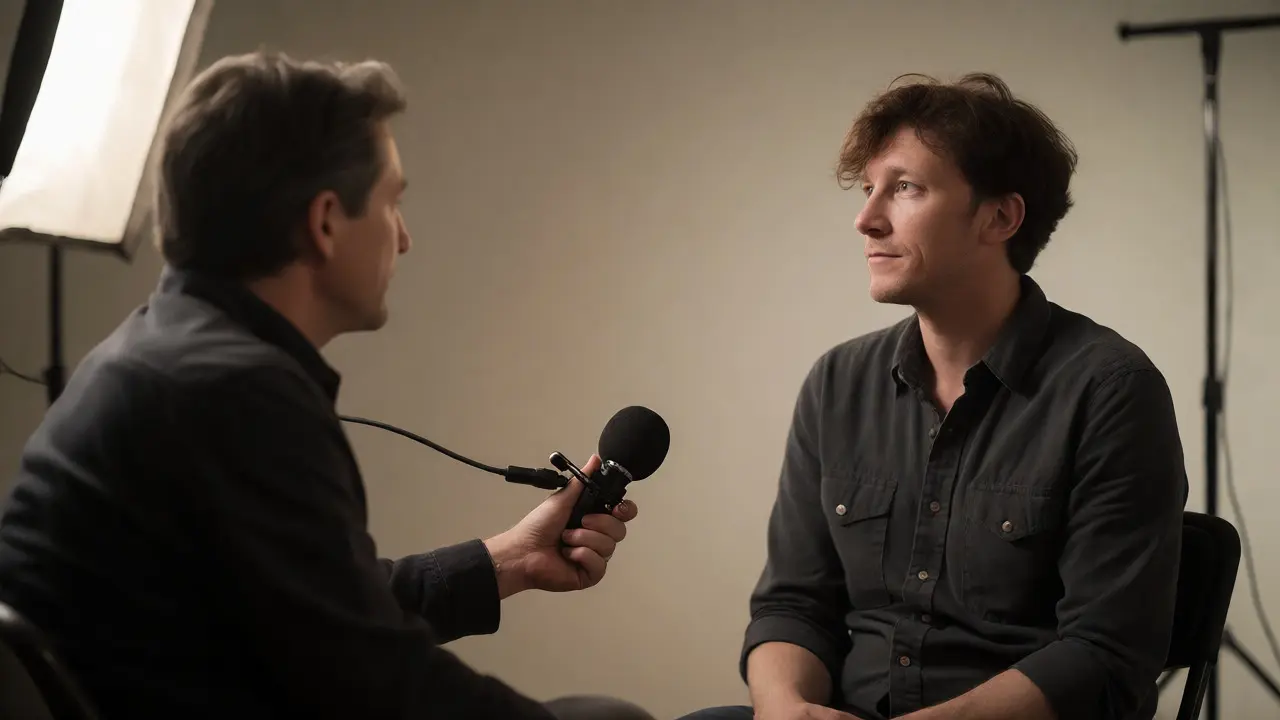
In journalism, a source is gold. In documentary, a source is the entire film. But getting people to talk on camera is harder than writing them down in a notebook. Journalists use off-the-record conversations to build trust before asking for an interview. Documentary makers borrow this heavily. You rarely get a whistleblower to sit in a chair and confess immediately. You meet them first. You listen. You prove you understand their risk.
There’s a specific hierarchy of sources here. Primary sources-people who were there-are irreplaceable. Secondary sources-experts who analyze events-add context. Tertiary sources-news clips or public records-provide background. A weak investigative doc relies too much on tertiary stuff. A strong one gets the primary source to speak directly. How do you find them? You follow the paper trail. Court filings, FOIA requests, and public databases often list names that never make the news. That’s where the real story lives.
Verification: Checking Facts Before Rolling Camera
You cannot edit a lie out of a documentary easily. If a subject says something false, and you leave it in without correction, you mislead the audience. Journalists have editors checking every claim. Filmmakers need to do the same during pre-production and post-production. This process is called verification, and it’s brutal.
Here’s a practical example. Suppose a subject claims they lost $50,000 in a scam. Don’t just take their word. Ask for bank statements. Check the transaction dates. Cross-reference with police reports. If the numbers don’t match, you confront them gently before filming. "I see a discrepancy here," you say. Often, they correct themselves on camera, which adds authenticity. If they refuse, you know they might be hiding something. This step prevents the common criticism that documentaries manipulate facts through editing.
Visualizing Data: Making Numbers Feel Real
Journalism struggles with data visualization. So does documentary. Staring at a spreadsheet doesn’t evoke emotion. But showing the human cost of those numbers does. Filmmakers borrow data journalism techniques to turn statistics into scenes. Instead of saying "crime rates rose by 10%," show the empty storefronts. Show the increased police patrols. Show the fear in residents' eyes.
Use motion graphics sparingly. If you must show a graph, animate it slowly so the viewer can read it. Better yet, overlay the data onto real-world footage. Imagine a map of pollution levels projected onto drone shots of a river. The data becomes part of the landscape. This technique helps viewers grasp complex issues quickly. It respects their intelligence while keeping the visual flow engaging.
Ethics and Consent: Navigating Gray Areas
Journalists have strict ethical codes. Documentarians operate in grayer areas. Do you tell a subject exactly what questions you’ll ask? Usually, no. But you must ensure they understand the potential impact of their words. In investigative work, subjects often face legal or social repercussions. A journalist might protect a source’s identity completely. A filmmaker has to balance transparency with safety.
Consider the concept of informed consent. It’s not just signing a release form. It’s ensuring the person understands the tone of the film. Are you portraying them as a villain? A victim? A bystander? Misrepresentation feels like betrayal. To avoid this, many investigative filmmakers share rough cuts with key participants. Not to let them edit the film, but to check for factual errors. This builds goodwill and reduces lawsuits. It also ensures you haven’t accidentally omitted crucial context that changes the meaning of a quote.
Structuring the Investigation: The Narrative Arc of Discovery
Standard docs follow a beginning, middle, and end. Investigative docs follow the path of discovery. The structure mirrors the research process. You start with a mystery. You gather clues. You hit dead ends. You pivot. Then, you find the breakthrough. Finally, you reveal the conclusion.
This structure keeps viewers engaged because they learn alongside the filmmaker. If you present the answer in minute five, the rest of the film feels redundant. Hold back the resolution. Let the audience piece it together. Use chapter markers to break up long stretches of exposition. Each section should answer one small question while raising a bigger one. For instance, "Who stole the money?" leads to "Why did the bank allow it?" leads to "Who knew beforehand?" This chain of curiosity drives the narrative forward.
Tools of the Trade: From Notebooks to Databases
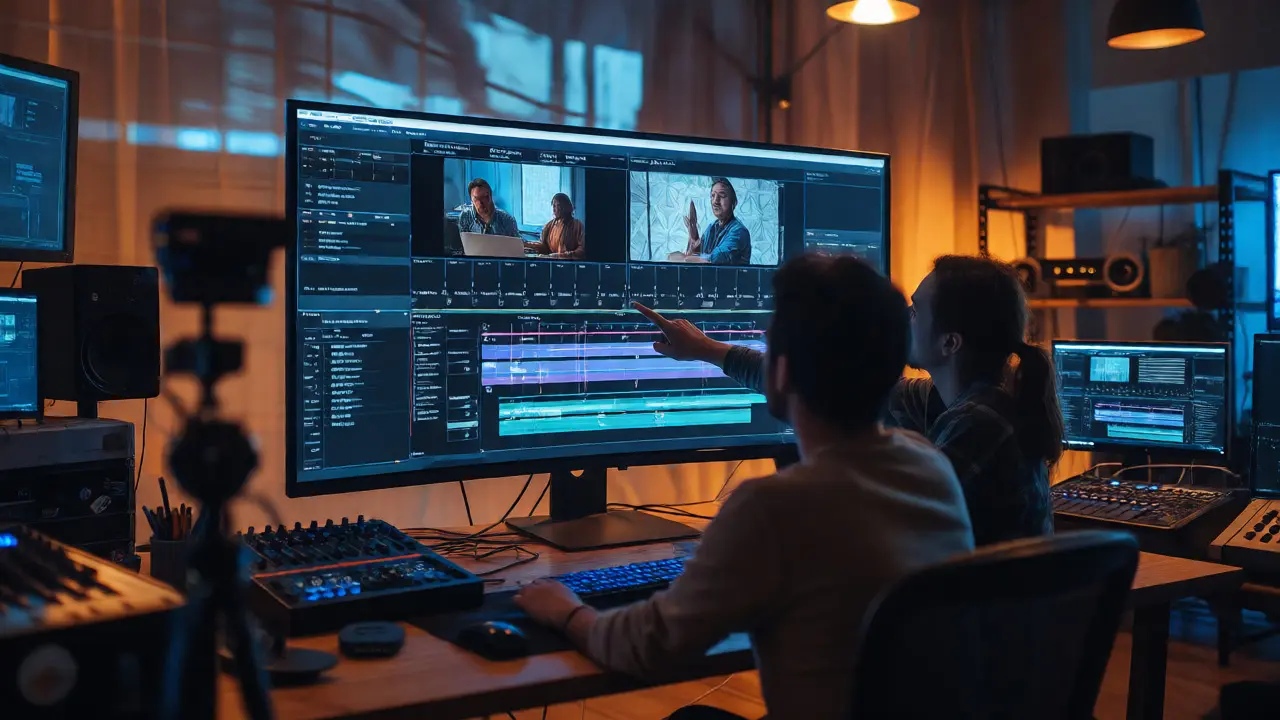
What tools do these hybrid creators use? They carry high-end cameras, yes. But they also rely on digital archives. Tools like DocumentCloud allow teams to annotate and search millions of public documents. They use encryption apps like Signal for secure communication with whistleblowers. They manage massive amounts of unstructured data with software like Airtable or Notion.
Audio quality matters more than video quality in interviews. A bad picture is forgivable; bad audio ruins credibility. Invest in good lavalier mics and field recorders. Also, keep detailed logs. Every timestamp, every document reference, every contact attempt. If someone challenges your film later, you need to produce the receipts. Your logbook is your defense.
| Feature | Traditional Documentary | Investigative Documentary |
|---|---|---|
| Primary Goal | Tell a compelling story | Uncover hidden truths |
| Pre-Production | Scripted outline | Hypothesis-driven research |
| Sourcing | Charismatic personalities | Key witnesses and experts |
| Fact-Checking | Post-production review | Continuous verification |
| Risk Level | Low to Medium | High (Legal/Social) |
Pitfalls to Avoid: When Rigor Becomes Rigidity
There’s a danger in borrowing too heavily from journalism. You might end up with a dry lecture instead of a film. Cinema needs emotion, pacing, and visual rhythm. If you spend twenty minutes explaining tax law, you’ll lose the audience. Balance the hard facts with human moments. Show the stress on the investigator’s face. Show the exhaustion in the late-night editing room. These details remind viewers that real people are doing this work.
Another pitfall is confirmation bias. It’s easy to chase stories that fit your worldview. Actively seek out counter-evidence. Interview the opposition. Give them fair airtime. If you dismiss opposing views without engagement, critics will accuse you of propaganda. Fairness strengthens your argument. It shows you’ve considered all angles and still arrived at your conclusion.
Practical Steps for Aspiring Investigative Filmmakers
- Start Small: Pick a local issue with clear stakeholders. Practice FOIA requests and interviewing reluctant subjects.
- Build a Paper Trail: Save every email, document, and note. Organize files by date and topic.
- Learn Basic Legal Rights: Understand defamation laws and privacy regulations in your region.
- Network with Reporters: Collaborate with print journalists. They have access you don’t, and you have visuals they lack.
- Test Your Thesis: Before shooting, write a one-page summary of what you expect to find. If reality differs, adapt quickly.
Do I need a journalism degree to make an investigative documentary?
No, you don't need a formal degree. However, you must adopt the mindset. Self-study in research methods, media law, and interviewing techniques is crucial. Many successful filmmakers come from film schools but supplement their education with internships at news organizations. The key skill is curiosity paired with discipline, not the diploma itself.
How do I handle sources who want to retract their statements?
This is common. Have a clear agreement upfront. Most releases state that once recorded, the material belongs to the filmmaker. However, ethically, you should verify if the retraction stems from new information or pressure. If it's new info, update the narrative. If it's pressure, consider protecting the source by anonymizing them or using voice-over, depending on the risk level.
What is the biggest difference between TV news and investigative docs?
Time and depth. TV news operates on tight deadlines, often reporting surface-level facts. Investigative docs have months or years to dig deeper. They explore causes, consequences, and personal impacts that news segments cut for time. Docs also allow for more subjective storytelling styles, whereas news aims for detached objectivity.
How important is fact-checking in the editing phase?
It is critical. Editors can inadvertently change the meaning of a sentence by cutting pauses or combining quotes. Always cross-reference edited sequences with original transcripts. A dedicated fact-checker, separate from the editor, provides an objective eye. This step catches subtle errors that could undermine the film's credibility.
Can I use archival footage without permission?
Not always. Public domain footage is free to use. Government-produced media is often public domain. However, most news archives and private collections require licensing fees. Always verify the copyright status. Using footage improperly can lead to costly legal battles. When in doubt, assume it requires permission and budget accordingly.