Ever watch a movie where the character’s outfit clashes with their skin tone or hair texture? It happens more often than you’d think. When costume design and makeup artistry work in silos rather than as a unified team, the result is a visual disconnect that pulls audiences out of the story. The goal isn’t just to make a character look good; it’s to ensure every element-from fabric weave to foundation shade-tells the same narrative truth.
Why Siloed Design Fails on Set
In traditional production workflows, costume departments and makeup units often operate independently until the final call sheet arrives. This separation creates a critical gap in character coherence. A costume designer might select a heavy, textured wool coat for a period piece, assuming it implies ruggedness. Meanwhile, the makeup artist applies smooth, airbrushed skin to match modern beauty standards. The audience subconsciously registers this mismatch without knowing why the character feels "off."
The core issue is that both disciplines rely on different sensory languages. Costumes communicate through texture, silhouette, and color theory. Makeup communicates through skin finish, facial structure enhancement, and prosthetic detail. When these two languages don’t align, the character becomes a collection of parts rather than a cohesive whole. For example, a gritty urban thriller requires matte finishes and visible pores to ground the character in reality. If the makeup is overly glossy while the costume is distressed and worn, the lighting department will struggle to balance exposure, leading to inconsistent visuals across shots.
The Role of Texture and Finish in Visual Continuity
Texture is the bridge between wardrobe and makeup. Fabric has a physical surface that interacts with light differently than skin does. Silk reflects light sharply, creating highlights that can wash out subtle makeup details like bruising or dirt. Conversely, rough canvas absorbs light, casting shadows that emphasize facial contours. Makeup artists must account for these interactions during the design phase, not just during application.
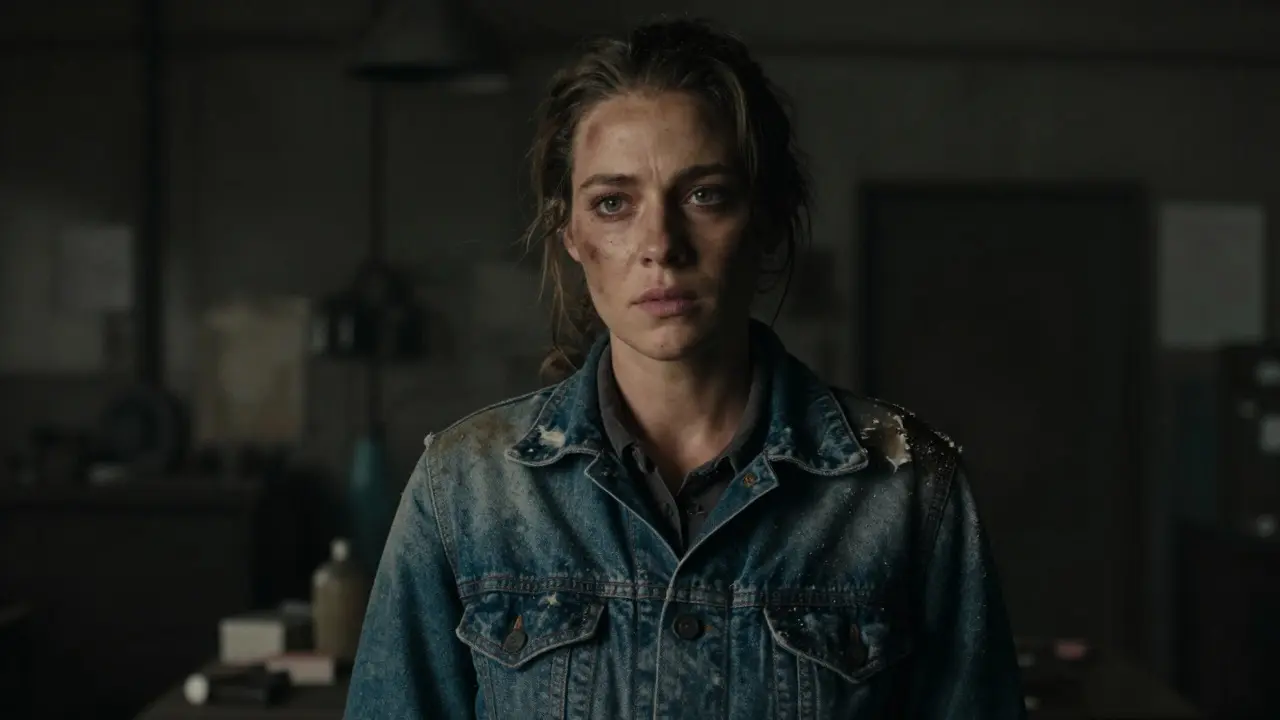
Consider a character who works in a factory. Their costume includes oil-stained denim and heavy boots. If the makeup artist uses a high-shine primer, the face will gleam under industrial lighting, contradicting the grimy environment suggested by the clothes. Instead, a matte foundation with strategic stippling mimics the dust and grime of the setting. This alignment ensures that when the camera zooms in, the character’s face and clothing share the same environmental history. They have been in the same place, breathing the same air, wearing the same sweat.
- Satin/Silk: Requires low-sheen makeup to avoid competing with fabric highlights.
- Wool/Cotton: Pairs well with natural, medium-matte finishes to maintain softness.
- Leather/Vinyl: Demands high-contrast makeup to cut through the reflective surface.
- Distressed Fabrics: Necessitate weathered makeup techniques like stippling and layering.
Color Theory Beyond the Wardrobe
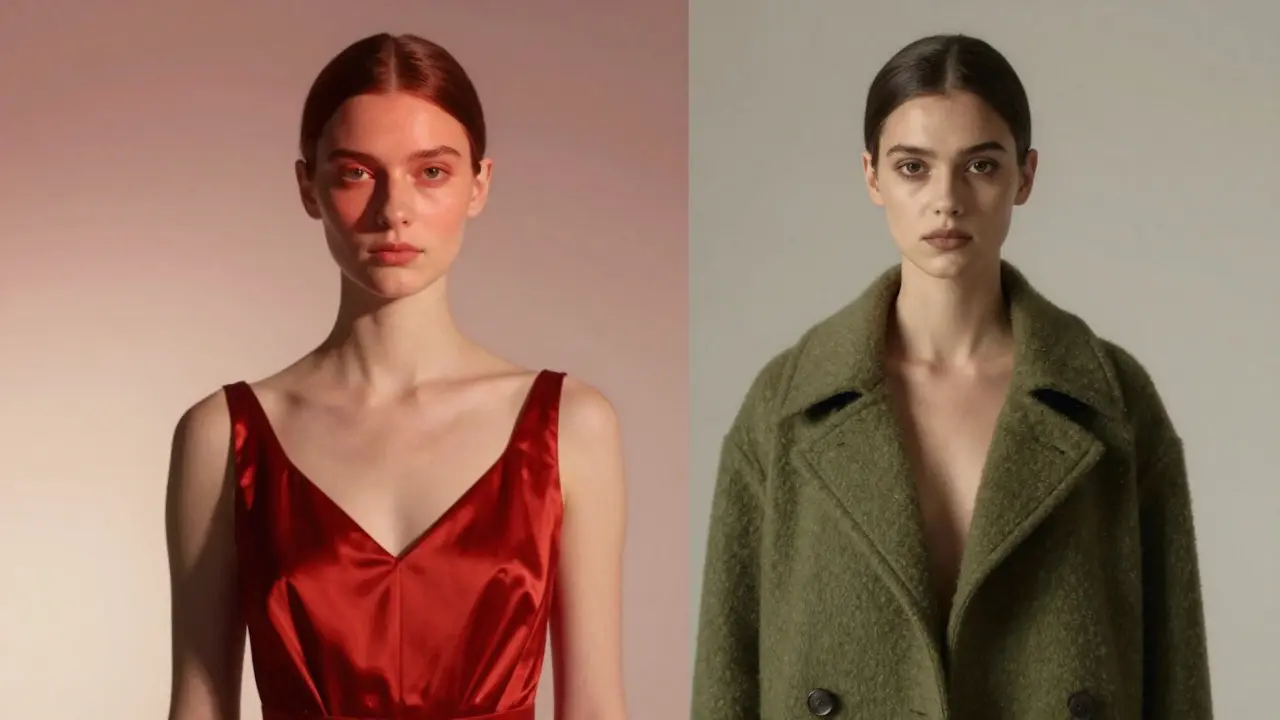
Color coordination goes beyond matching shirts to pants. It involves understanding how costume colors influence perceived skin tones and emotional undertones. A deep red dress doesn’t just add vibrancy; it casts a warm reflection onto the wearer’s face, potentially altering the appearance of eye shadow and lip color. If the makeup palette was chosen in isolation, the red garment might make cool-toned eyeshadows appear muddy or unnatural.
Production designers solve this by using color scripts. These documents map out the dominant hues for each scene and act. Costume designers pick fabrics based on these hues, but makeup artists need access to the same data. They adjust pigment intensity and undertone to complement, not compete with, the wardrobe. For instance, if a character wears a muted olive green jacket, the makeup should feature earthy, neutral tones rather than bright pinks or blues that would create visual noise. This harmony guides the viewer’s eye to the actor’s performance rather than distracting them with clashing elements.
| Aspect | Isolated Workflow | Collaborative Workflow |
|---|---|---|
| Initial Concept | Separate mood boards for clothes and face | Joint character bible integrating both elements |
| Lighting Consideration | Applied after set construction | Tested with actual fabric swatches and skin samples |
| Continuity Errors | Frequent mismatches in texture and tone | Minimal errors due to shared reference materials |
| Actor Comfort | Potential conflict between heavy garments and makeup durability | Makeup formulated to withstand specific costume constraints |
Practical Steps for On-Set Integration
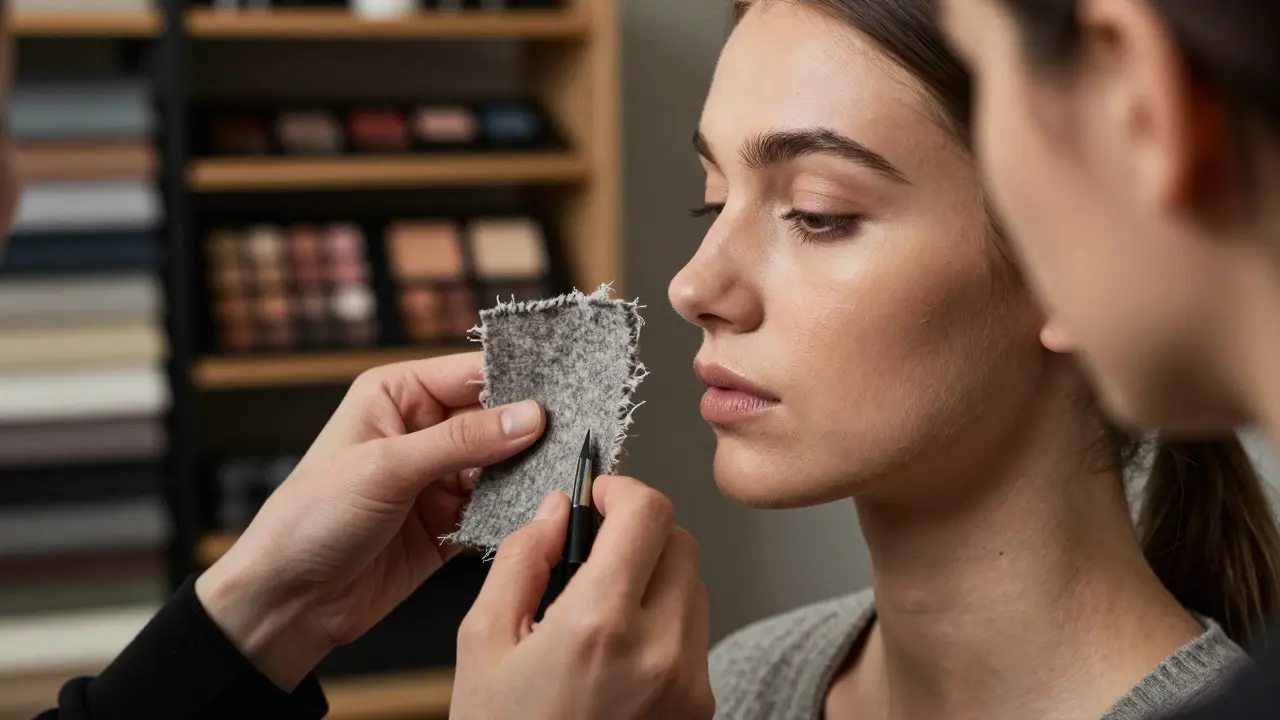
How do you actually get these teams talking? It starts before pre-production wraps. The first step is a joint design meeting where the director, cinematographer, costume designer, and makeup supervisor review the script together. Identify key scenes where the character’s appearance drives the plot. For these moments, create physical mock-ups. Bring fabric samples into the makeup room. Apply test makeup on models wearing those exact fabrics. Photograph them under the planned lighting setups.
This process reveals issues early. Maybe the black turtleneck makes the actor’s neck look too short, requiring a different neckline. Or perhaps the pale blue shirt washes out the actor’s complexion, necessitating a warmer base makeup. By solving these problems on a mannequin or model, you save hours of reshoots later. Communication tools also matter. Shared digital folders with high-resolution images of approved looks ensure that everyone-from the head makeup artist to the assistant costume designer-is working from the same source of truth.
- Script Breakdown: Identify scenes with high visual stakes.
- Mood Board Merge: Combine costume and makeup references into a single document.
- Material Testing: Test makeup durability against specific fabrics (e.g., static cling, friction).
- Lighting Simulation: Use LED panels to mimic scene lighting during trials.
- Documentation: Create a detailed shot list with close-up notes for continuity.
Case Study: The Gritty Period Drama
Take a recent historical drama set in the 1940s. The protagonist is a factory worker turned resistance fighter. Her costume consists of hand-me-down wool dresses and sturdy shoes. Initially, the makeup team planned a classic Hollywood glow to make her stand out. However, when they tested the look with the wool fabric, the contrast was jarring. The smooth skin looked artificial against the rough, dusty texture of the clothes.
The solution was a shift to a "lived-in" aesthetic. The makeup artist used a cream-based foundation that oxidized slightly over time, mimicking the effect of sweat and grime. They added subtle contouring to define cheekbones without using shimmer. The result was a character who looked tired, real, and integrated into her world. Audiences responded positively, noting that the character felt authentic. This success hinged entirely on the decision to treat costume and makeup as a single visual system rather than two separate costumes for the body and face.
Common Pitfalls and How to Avoid Them
One major pitfall is ignoring the actor’s natural features. Sometimes, the costume is so elaborate that it demands a specific facial expression or posture. If the makeup enhances features that are hidden by the costume, it’s wasted effort. Conversely, if the costume hides the jawline, the makeup shouldn’t try to create one that isn’t there. Another common mistake is neglecting the transition between scenes. A character might go from a clean indoor scene to a muddy outdoor scene. The makeup needs to degrade realistically alongside the costume. If the clothes get dirty but the face stays pristine, the illusion breaks.
To avoid this, establish a "degradation timeline." Map out how dirty or disheveled the character becomes throughout the film. Coordinate this with the costume wear schedule. If the costume gets stained in Act II, the makeup should show corresponding signs of stress, dirt, or fatigue in the same sequence. This synchronization creates a believable passage of time.
Tools and Resources for Better Collaboration
Technology plays a significant role in bridging the gap between departments. Digital pre-visualization allows teams to see how makeup and costume interact in virtual environments before shooting begins. Software that simulates lighting conditions helps predict how pigments will behave on screen. Additionally, standardized color charts ensure that what looks right in the makeup room translates accurately to the camera sensor. Different cameras capture color differently, so testing with the specific camera model being used is crucial.
Physical resources are equally important. Keep a library of fabric swatches and makeup products in a shared space. This allows quick adjustments during fittings. If a new fabric is introduced, the makeup artist can immediately test compatible products. This accessibility fosters a culture of experimentation and problem-solving, reducing the fear of making mistakes.
Building a Culture of Unity
Ultimately, successful collaboration is about mindset. It requires breaking down hierarchical barriers between departments. Costume designers should attend makeup tests, and makeup artists should join costume fittings. This cross-pollination of knowledge leads to innovative solutions. When everyone understands the constraints and capabilities of the other discipline, they can push boundaries creatively. The result is a film where the character feels tangible, real, and fully realized. Every stitch and every stroke of eyeliner serves the story, creating a unified visual language that resonates with the audience long after the credits roll.
What is the first step in coordinating costume and makeup?
The first step is a joint design meeting during pre-production where all key departments review the script and identify scenes with high visual stakes. This establishes a shared vision before any physical work begins.
How does fabric texture affect makeup application?
Fabric texture influences how light interacts with the face. Shiny fabrics like silk require matte makeup to avoid competing highlights, while rough fabrics allow for more varied finishes. Understanding this interaction prevents visual clutter on screen.
Why is color coordination important between wardrobe and face?
Costume colors cast reflections onto the skin, which can alter the appearance of makeup pigments. Coordinating color palettes ensures that the face complements the outfit rather than clashing with it, maintaining visual harmony and guiding the viewer's focus.
What is a degradation timeline in character design?
A degradation timeline maps how a character's appearance changes over the course of the film, including dirt, wear, and fatigue. It ensures that costume damage and makeup deterioration happen simultaneously, preserving realism.
How can technology improve costume and makeup collaboration?
Digital pre-visualization and lighting simulation software allow teams to test combinations virtually. This helps predict how makeup will look under specific camera settings and lighting conditions, reducing the need for costly on-set adjustments.




Comments(7)