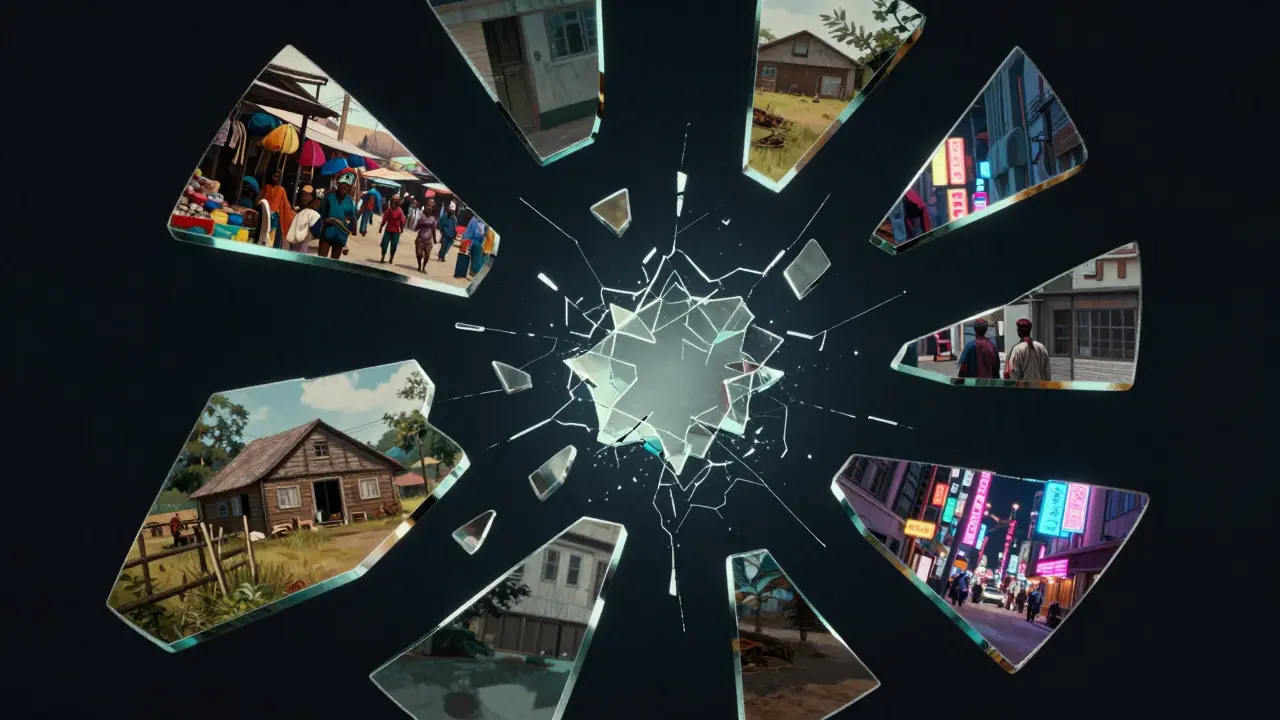
Most people read film reviews to decide whether to buy a ticket. They look for a star rating or a quick verdict on the plot. But if you only consume mainstream critiques from major outlets, you’re missing half the story. Film is not just a product; it’s a cultural artifact that reflects who we are, what we fear, and how we see ourselves. When the lens through which we view these films is narrow, our understanding of cinema becomes shallow.
This guide isn’t about telling you which movies are "good" or "bad." It’s about introducing you to diverse perspectives in film criticism-critics whose backgrounds, locations, and theoretical frameworks change how they interpret the same frame. By reading voices from different corners of the world and different walks of life, you stop seeing films as isolated events and start seeing them as part of a global conversation.
Why Diversity in Criticism Matters
Traditional film criticism often defaults to a specific demographic: white, male, Western-educated, and based in major cities like New York or London. This isn’t necessarily biased by intent, but it creates a blind spot. A critic who grew up in rural Appalachia might notice the economic anxieties in a thriller that a Manhattan-based reviewer overlooks. A female critic might analyze power dynamics in a romance that a male peer dismisses as "fluff."
Diversity in criticism doesn’t mean every critic must agree with you. In fact, disagreement is where the value lies. When you read a review that challenges your initial reaction, you are forced to re-examine your own assumptions. This process builds media literacy. It teaches you to ask: "Who made this film? Who is it for? And why does this scene feel right to me but wrong to someone else?"
Key Voices to Follow Right Now
You don’t need to subscribe to five expensive publications to get these insights. Many of the most vibrant voices in contemporary criticism write for digital platforms, independent blogs, or niche magazines. Here are four distinct types of critics you should be following, along with why their perspective shifts the dial.
- The Global South Observer: Critics from Africa, Latin America, and Asia often critique Hollywood films through the lens of post-colonial theory or local cultural resonance. For example, a Nigerian critic reviewing a superhero movie might focus on how the character’s identity intersects with African diaspora experiences, rather than just the special effects. Following writers from Lagos, Mumbai, or São Paulo helps you understand how American narratives travel and transform abroad.
- The Intersectional Analyst: These critics examine how race, class, gender, and sexuality intersect in a single film. Instead of asking "Is the woman strong?", they ask "How does her strength depend on her class background?" This approach reveals the structural layers of storytelling that standard reviews often miss. Look for critics who specialize in LGBTQ+ cinema or disability representation to deepen this angle.
- The Regional Insider: Cinema is deeply local. A critic writing about indie films in the American South will use different reference points than one covering art-house cinema in Berlin. Regional insiders know the funding struggles, the local talent pools, and the community impact of a theater opening. Their reviews often highlight films that never make national headlines but are vital to local culture.
- The Theoretical Purist: Not all criticism is emotional. Some critics apply rigorous academic frameworks, such as psychoanalysis, semiotics, or formalism. While this can seem dry, it provides a toolkit for analyzing *why* a film works. If you want to understand the mechanics of editing or sound design, follow critics who break down the technical craft alongside the thematic content.
How to Build Your Own Critical Lens
Reading diverse critics is passive learning. To truly benefit, you need to actively engage with the material. Here is a simple method to sharpen your own eye.
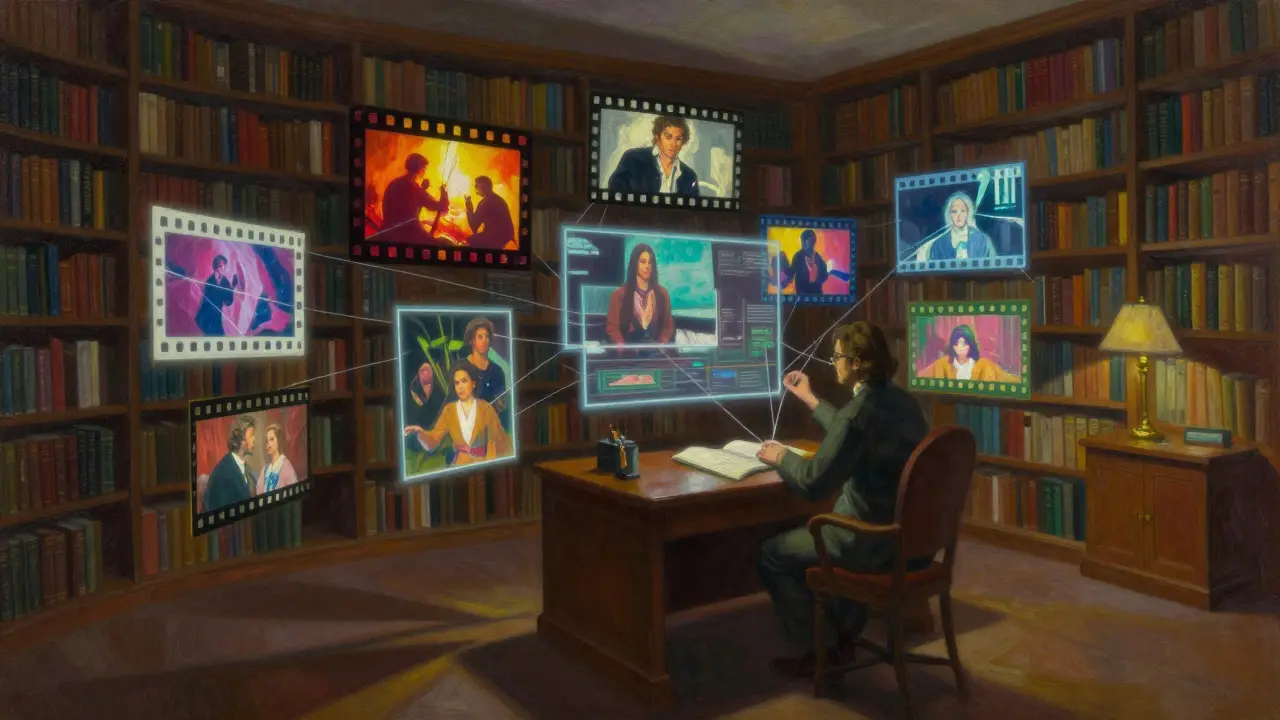
- Read Three Reviews of the Same Film: Pick a popular release. Read one review from a major newspaper, one from an independent blog, and one from a critic with a very different background (e.g., a non-native English speaker). Note where they agree and where they diverge. The divergence is the most interesting part.
- Track the Vocabulary: Do critics use words like "cinematic," "visceral," or "subversive"? Or do they use more concrete terms like "economic tension" or "family dynamic"? The vocabulary reveals the critic’s priorities.
- Contextualize the Release Date: A film released in 2026 has a different cultural weight than one released in 2016. Diverse critics often highlight how current political or social events influence the reception of a film. Always check the publication date and consider the climate at the time of writing.
Common Pitfalls to Avoid
When expanding your reading list, it’s easy to fall into traps that limit your growth.
Mistaking Identity for Monolith: Just because a critic shares your identity doesn’t mean they share your taste. A Black male critic might hate the same action movie you love. Don’t assume alignment; look for argumentation.
Ignoring the Platform: A review written for a 3-minute video essay has different constraints than one written for a 3,000-word magazine feature. Video essays prioritize visual analysis and pacing, while long-form text allows for deeper historical context. Understand the medium before judging the depth.
Chasing Only "Hot Takes": Social media rewards outrage. Diverse criticism is often nuanced, quiet, and complex. It may not go viral, but it offers lasting insight. Seek out sources that take time to develop an argument rather than those that shout the loudest.
Practical Steps to Start Today
You don’t need to overhaul your entire media diet overnight. Start small. Next time you finish a movie, open three different tabs. Find a critic who lives in a different country. Find a critic who focuses on a genre you rarely watch. Read their first paragraph. If it resonates, keep reading. If not, close the tab and try another.
Over time, you’ll build a mental map of how different minds process images and stories. This map makes you a better viewer, a sharper conversationalist, and a more empathetic member of any audience. Film criticism is not just about judging art; it’s about understanding people. By diversifying your sources, you diversify your humanity.
What is the main difference between mainstream and diverse film criticism?
Mainstream criticism often focuses on universal appeal, technical polish, and box-office potential, typically from a Western, urban perspective. Diverse criticism brings in specific cultural contexts, intersectional identities, and regional nuances, offering a broader range of interpretations for the same film.
Do I need to be an expert to understand diverse film critics?
No. Most high-quality critics explain their jargon or context clearly. The key is curiosity. If a term confuses you, look it up. The goal is to expand your vocabulary and perspective, not to pass an exam.
Where can I find free access to diverse film reviews?
Many independent critics publish on personal blogs, Substack newsletters, or niche websites dedicated to specific genres or regions. University film departments also often publish student journals that offer fresh, academic perspectives without paywalls.
How does a critic's location affect their review?
Location influences cultural references, economic concerns, and political climates. A critic in a city with struggling theaters might emphasize the importance of theatrical exhibition, while a critic in a streaming-heavy market might focus on home viewing experiences.
Is it okay to disagree with a diverse critic?
Absolutely. Disagreement is healthy. The point of reading diverse voices is to challenge your assumptions, not to force agreement. If you disagree, note *why*. That reasoning strengthens your own critical thinking.