Key Takeaways for Filmmakers
- Festivals act as a curated marketplace where visibility equals leverage.
- The "bidding war" is fueled by critical buzz and audience reactions.
- Distribution deals vary from traditional theatrical releases to SVOD (Subscription Video on Demand) licenses.
- Sales agents are the essential bridge between an artistic project and a corporate contract.
The Mechanics of the Festival Marketplace
To understand how a movie moves from a festival screen to your living room, you have to look at Film Distribution is the process of making a movie available to an audience through various channels, including theaters, streaming platforms, and physical media. It's essentially the logistics of cinema. When a film is accepted into a top-tier event like the Sundance Film Festival is one of the most influential independent film festivals in the world, known for launching indie hits and discovering new talent., it gains a "stamp of approval" that makes it a safer bet for buyers.
Distribution deals aren't usually signed on the spot. Instead, they follow a pattern: the premiere creates heat, the critics write the reviews, and the buyers evaluate the "commercial viability." If three different companies want the same movie, the price goes up. If only one company is interested, the filmmaker is stuck taking whatever offer is on the table. This is why the timing of a premiere is everything. If you screen too early, the buzz might fade; too late, and you miss the window for a prime autumn release.
Who is Actually Buying the Movies?
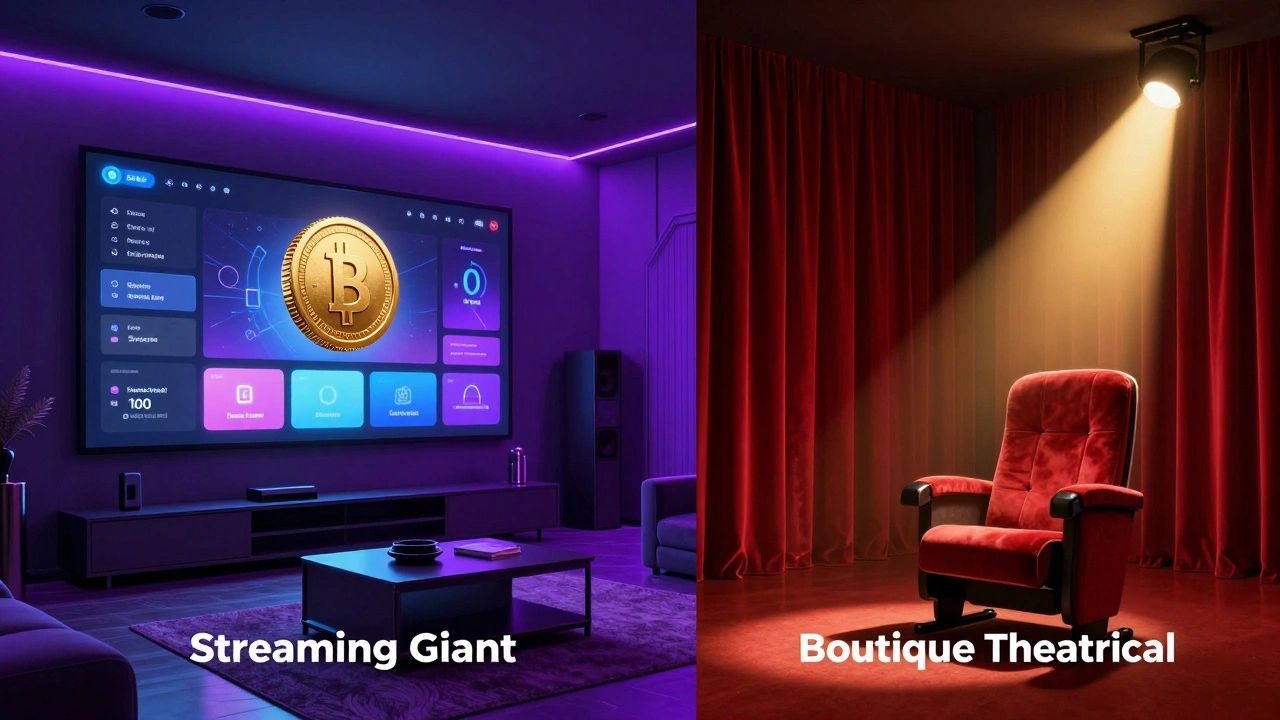
The landscape of who buys films has shifted wildly in the last decade. It used to be all about the "indie majors" like Miramax or Fox Searchlight. Now, the players are split into a few distinct camps. On one side, you have the Streaming Giants is large-scale digital platforms like Netflix and Amazon Prime Video that purchase content for global exclusive access. These companies often offer huge lump sums upfront, which is tempting for filmmakers who need to pay off debts. However, this often means the film will never see a traditional cinema screen.
Then there are the boutique distributors like A24 or Neon. These companies specialize in "elevated genre" or prestige cinema. They might not offer as much cash upfront, but they promise a curated theatrical run and a massive marketing push to ensure the film gets Academy Awards is the prestigious annual honors given for artistic and technical excellence in the film industry. consideration. For a director, the choice is often between a big check from a streamer or the prestige of a theatrical release.
| Feature | SVOD / Streamer Deal | Boutique Theatrical Deal | Hybrid / Day-and-Date |
|---|---|---|---|
| Upfront Payment | Usually High | Moderate to Low | Variable |
| Cinema Access | Limited/None | Priority Focus | Simultaneous |
| Artist Control | Low (Platform controlled) | Medium (Collaborative) | Medium |
| Primary Goal | Subscriber Growth | Critical Acclaim/Box Office | Maximum Reach |
The Role of the Sales Agent
Most filmmakers don't walk into a festival and start negotiating their own contracts. That's a recipe for getting ripped off. Instead, they hire a Sales Agent is a professional who represents the filmmaker to distributors, negotiating the terms of sale and managing the distribution strategy. Think of them as the sports agent of the movie world. They know exactly what Netflix is paying for horror movies this year and what Neon wants for an A24-style drama.
A sales agent does more than just negotiate a price. They manage the "screening strategy." They might suggest holding back a few screenings to build artificial scarcity, making the movie feel more exclusive. They also handle the complex legalities of territorial rights. A movie isn't just sold once; it's sold region by region. A distributor might buy the North American rights, while another buys the rights for France and Germany. This "splitting of rights" allows the filmmaker to maximize their total profit.
Turning the Premiere into a Release Strategy
Once a deal is signed, the clock starts ticking. The transition from a festival premiere to a public release is where many films either soar or vanish. The first step is usually the "festival run." A film that hits at Sundance might then move to TIFF (Toronto International Film Festival) or SXSW to keep the momentum going. This is called "building the heat." Every single positive review from a major publication acts as free advertising for the eventual release.
The distributor then decides on the release pattern. A "platform release" is common for indie hits. The movie opens in just a few theaters in New York and LA. If the per-screen average is high, they expand to more cities. This creates a sense of organic growth. If they just dumped the movie in 3,000 theaters at once without a huge budget, it would likely flop. The goal is to turn the festival's critical acclaim into a narrative that the general public cares about.
Common Pitfalls and "The Festival Trap"
Not every festival premiere leads to a deal. In fact, most don't. There's a dangerous phenomenon known as the "festival trap," where a movie is a darling of the critics but has zero commercial appeal. A film might be a masterpiece of slow cinema, but if there's no clear way to market it to a wider audience, distributors will pass. The buzz is purely academic, and the film ends up in a permanent state of "seeking distribution."
Another risk is signing a "predatory deal." Some distributors offer a small advance and a promise of a huge marketing spend, but they never actually release the film. This is known as "shelving." The filmmaker gets their money, but the movie is buried in a digital vault, never to be seen by the public. To avoid this, experienced filmmakers look for "guarantees"-specific contractual obligations that force the distributor to spend a minimum amount on marketing or commit to a specific number of screens.

Future Trends: The Shift to Direct-to-Consumer
The traditional festival-to-distributor pipeline is changing. We're seeing more filmmakers experiment with self-distribution using tools like Vimeo On Demand is a service that allows creators to sell their videos directly to viewers without a middleman distributor. While this removes the prestige of a major studio, it allows the director to keep 100% of the profits.
We are also seeing a rise in "hybrid premieres," where a film screens at a festival but is simultaneously available for a limited time online. This captures the immediate excitement of the buzz before the general public forgets about the movie. As the industry moves toward a more fragmented viewing experience, the role of the festival is evolving from a simple marketplace into a powerful launchpad for digital brands.
What is a minimum guarantee (MG) in a distribution deal?
A minimum guarantee is an upfront payment made by the distributor to the filmmaker. It is essentially a "buy-in" fee. The distributor keeps all the revenue from the movie until they have recouped this MG plus their marketing expenses. Once those are paid off, the filmmaker starts receiving a percentage of the profits (the "backend").
Why do some movies stay in the "festival circuit" for years?
This usually happens when a film has high artistic value but low commercial appeal. It's a hit with critics and juries but doesn't have a "hook" that a distributor can use to sell tickets. These films often travel to smaller festivals to gain more awards, hoping that a sudden surge in prestige will finally attract a buyer.
What is the difference between an acquisition and a licensing deal?
An acquisition usually implies the distributor is buying the rights to the film for a set period or permanently. A licensing deal is often more specific, granting the distributor the right to show the film on a specific platform (like a cable channel or a streaming service) for a fixed term, after which the rights revert to the filmmaker.
Can a filmmaker sell a movie without a sales agent?
Yes, but it's risky. Without an agent, you're negotiating against professionals who know the current market rates. You might undersell your film or agree to terms that make it impossible to actually get the movie released. Agents provide the industry data needed to push for a better price.
How do streaming platforms decide how much to pay for a festival film?
They look at a mix of data and hype. They analyze the cast's social media reach, the critical reception (Rotten Tomatoes or Variety reviews), and how well similar "comparable" films have performed on their platform. If a movie creates a viral moment at a festival, the price spikes regardless of the data.
Next Steps for Independent Filmmakers
If you're heading into your first festival run, start by building a "press kit" that isn't just a trailer. Include high-res stills and a clear "logline"-a one-sentence summary that sells the hook of your movie. Most importantly, decide early on what your priority is: Do you want the biggest check possible, or do you want the best chance at an Oscar nomination? These two goals often lead to very different distribution partners.
For those who can't secure a major deal, don't panic. The "long tail" of digital distribution means your film can still find an audience. Consider a hybrid approach: take your film to smaller regional festivals to build a portfolio, then launch a targeted self-distribution campaign on a platform like Vimeo or a niche genre streamer. The goal is always the same: get the eyes on the screen.




Comments(5)