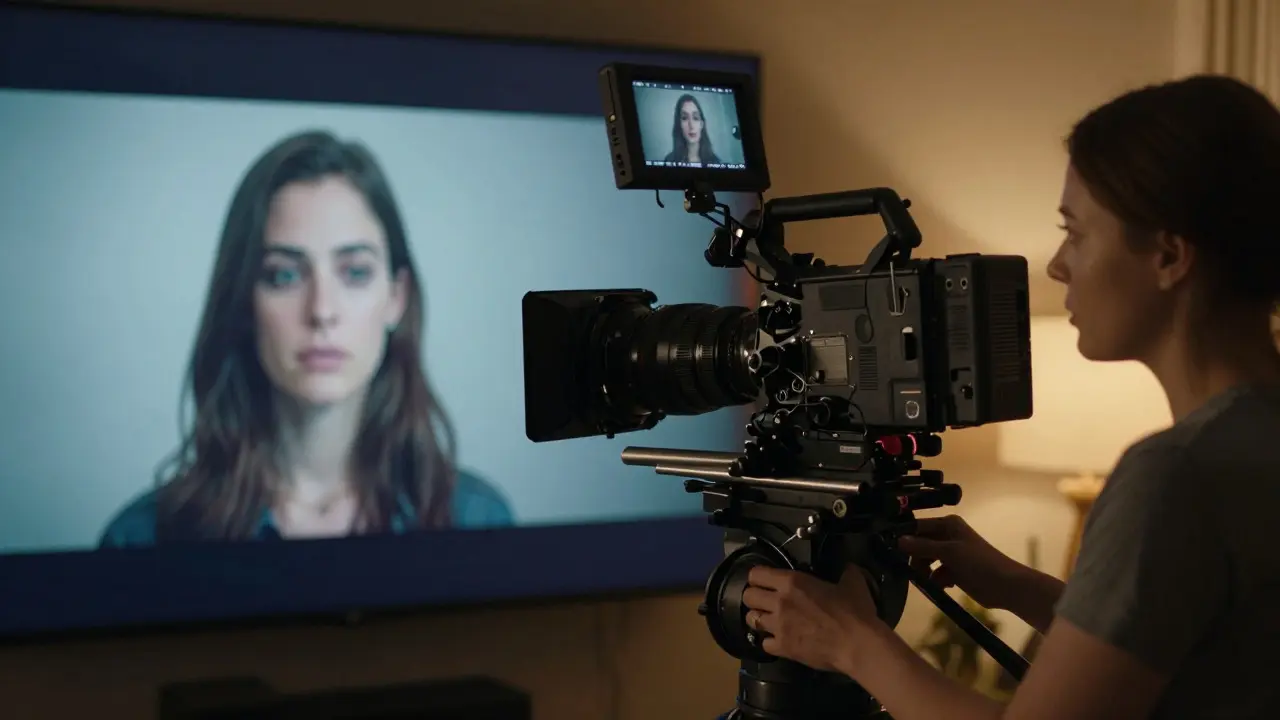
For decades, the conversation about women in cinema focused almost exclusively on what they looked like on screen. But the real story is hidden in the credits. While audiences see a surge of female protagonists, the people directing, producing, and editing those films remain overwhelmingly male. This disconnect creates a unique dynamic where women are often portrayed by men, leading to narratives that feel slightly off-key or stereotypical. Understanding this gap requires looking at hard data rather than just anecdotal evidence.
The core issue isn't just about numbers; it's about perspective. When a woman writes her own story, the details change. The dialogue shifts. The pacing adjusts to reflect different emotional rhythms. Yet, statistically, less than half of the top-grossing films each year are directed by women. This imbalance means that for every ten major blockbusters, only four or five might have a female director at the helm. The result? A subtle but persistent filter through which most mainstream stories are told.
The Statistical Reality of the Industry
To grasp the scale of the disparity, we need to look at specific metrics from recent years. According to data tracked by organizations like the Sundance Institute and the Center for the Study of Women in Television & Film, the percentage of women directors in top grossing films has hovered around 18-20% for much of the last decade. In contrast, the percentage of women serving as leads in those same films is significantly higher, often exceeding 40%. This inversion-more women acting than directing-is a key indicator of the structural barriers in the industry.
Let’s break down the roles:
- Directors: Approximately 19% of the top 250 films released in recent years were helmed by women.
- Producers: Around 30-35% of producers were female, showing a slight improvement but still far from parity.
- Writers: Roughly 35% of writers were women, though this number drops sharply when looking only at original scripts versus adaptations.
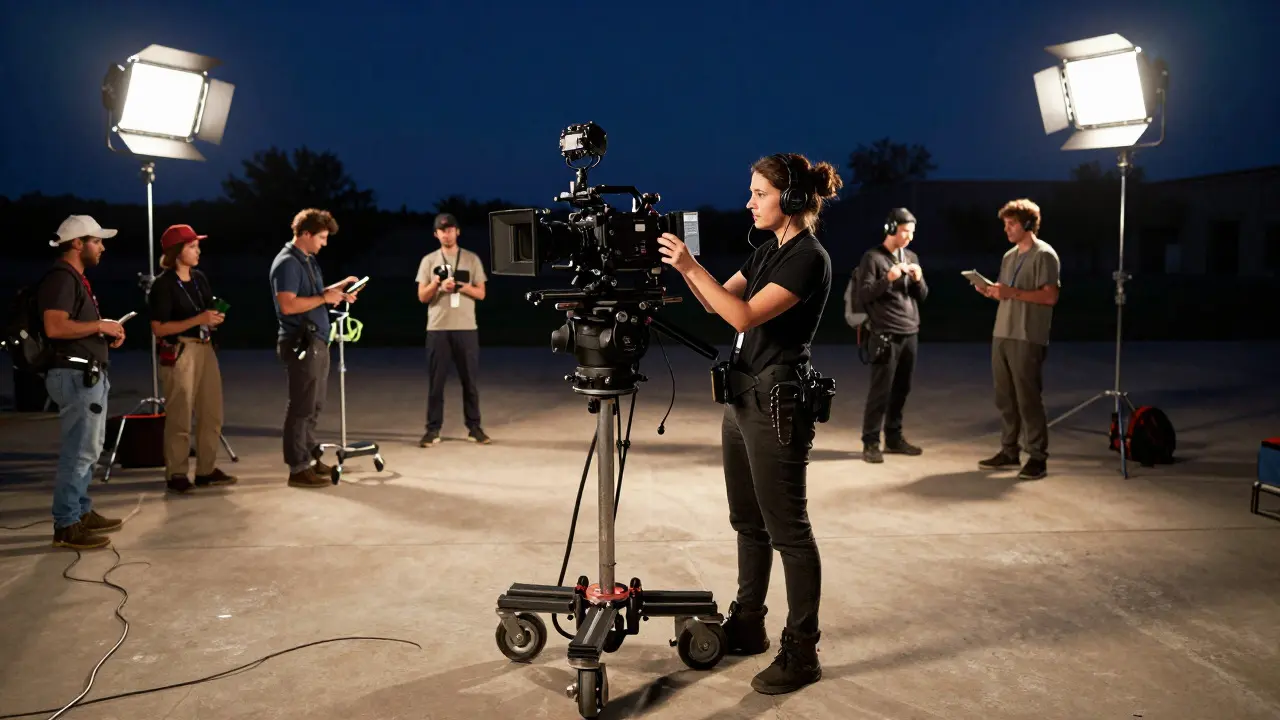
- Cinematographers (DPs): This role remains the hardest hurdle, with fewer than 10% of DPs being women in major studio releases.
These numbers aren’t static. They fluctuate based on market trends and advocacy efforts. However, the trend line has been slow. It took nearly three decades for the percentage of female directors to move from single digits to the high teens. This slow progress suggests that while there is intent to change, systemic inertia remains strong.
Why Does Who Holds the Camera Matter?
You might wonder if the person behind the camera truly changes the final product. The answer is yes, and it’s not just about bias. It’s about lived experience. A scene involving a mother dealing with burnout looks different when directed by someone who has navigated similar societal pressures. The lighting might be warmer, the cuts slower, allowing the audience to sit with the emotion rather than rushing past it.
Consider the concept of the "male gaze," a term coined by film theorist Laura Mulvey. It describes how visual media often frames women as objects to be looked at rather than subjects experiencing the world. When women take control of the camera, this dynamic often flips. The camera becomes an extension of the female character’s point of view. This shift is subtle but powerful. It changes how we perceive agency, vulnerability, and power within a narrative.
Moreover, hiring practices play a huge role. Male directors often hire other men for key creative roles, creating a feedback loop. If a director trusts their network, and that network is predominantly male, the next project will likely follow suit. Breaking this cycle requires intentional outreach and mentorship programs, which many studios have started implementing but still struggle to sustain long-term.
Case Studies: Successes That Shifted the Narrative
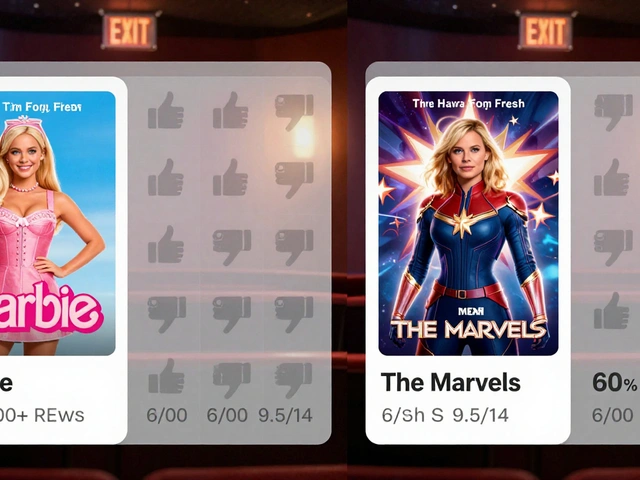
Despite the odds, several women filmmakers have broken through in recent years, proving that commercial success and artistic vision can coexist. Greta Gerwig’s Barbie (2023) is a prime example. It became the highest-grossing film ever directed by a woman, shattering the myth that female-led projects don’t make money. The film wasn’t just a box office hit; it sparked a cultural conversation about gender dynamics that felt authentic because it was driven by a female perspective.
Another notable figure is Chloé Zhao, who won the Academy Award for Best Director for Nomadland. Her work highlights how independent filmmaking can serve as a pipeline for larger opportunities. By starting small and building a reputation for authenticity, she gained the trust of major studios to back her next projects. This path is replicable, though it requires patience and resilience.
We also see growth in television. Shows like The Handmaid’s Tale and Succession feature strong female showrunners who maintain creative control over multiple seasons. This longevity allows for deeper storytelling and more complex character arcs, something that is harder to achieve in the fast-paced film environment.
| Role | % Female | % Male | Trend Over Last 5 Years |
|---|---|---|---|
| Director | 19% | 81% | Slight Increase |
| Producer | 33% | 67% | Steady Growth |
| Writer | 35% | 65% | Plateau |
| Lead Actor | 42% | 58% | Significant Increase |
| Cinematographer | 9% | 91% | Minimal Change |
Barriers Beyond Bias: Structural Hurdles
It’s easy to blame unconscious bias, but the hurdles are often structural. Financing is a major bottleneck. Investors tend to favor proven tracks records. Since fewer women have directed big-budget films, they have fewer "proven" hits to point to. This creates a chicken-and-egg problem: you need funding to get experience, but you need experience to get funding.
Mentorship gaps also play a role. Many young women enter the industry without knowing who to call for advice or introductions. While networks exist, they are often fragmented. Organizations like the Alliance of Women Film Journalists and various guilds are working to bridge these gaps, but individual effort is still required to build connections.
Work-life balance expectations also differ. Historically, the industry has assumed that directors and producers can work erratic hours without personal constraints. As societal norms shift toward better work-life integration, some older executives still hold outdated views, making it harder for women with families or other commitments to advance quickly.
How Audiences Can Drive Change
You don’t need to be a producer to influence the industry. Your choices as a viewer matter. When you buy a ticket to a film directed by a woman, you send a signal to studios that these projects are profitable. Social media amplifies this effect. Sharing reviews and supporting campaigns for female-led projects helps keep the pressure on decision-makers.
Here are practical steps you can take:
- Check the Credits: Before watching a new release, take a second to see who directed and produced it. If it’s a woman, share it with friends.
- Support Independent Films: Many emerging women filmmakers start in indie spaces. Attending local festivals or streaming smaller productions helps build their audience base.
- Engage on Social Media: Use hashtags like #SheDirected or #WomenInFilm to highlight positive examples. Visibility drives opportunity.
- Provide Constructive Feedback: If you watch a film and notice stereotypes, discuss them. Critique helps filmmakers refine their craft.
Additionally, subscription services and streaming platforms are becoming crucial allies. They have lower risk thresholds than theatrical releases, meaning they can bet on diverse voices more easily. Watching these shows contributes to the data sets that justify further investment in female creators.
The Path Forward: What Needs to Happen Next
Reaching true parity won’t happen overnight, but the trajectory is shifting. The next five years will be critical. Studios are under increasing pressure from investors and audiences to diversify their slates. This isn’t just a moral imperative; it’s a business strategy. Diverse teams produce more innovative content, which appeals to a broader global audience.
We should expect more hybrid models where production companies specifically focus on developing female talent. We’ll likely see more mid-level roles filled by women before they reach the top, creating a stronger pipeline. Education also plays a part. Film schools are updating curricula to include more history of women filmmakers, ensuring the next generation enters the industry with a broader perspective.
Ultimately, the goal isn’t just to count heads. It’s to ensure that the stories we tell reflect the full spectrum of human experience. When women are behind the camera, they bring that authenticity. And when audiences see themselves accurately represented, engagement deepens. It’s a win-win scenario that benefits everyone involved.
Is the gender gap in filmmaking getting better?
Yes, slowly. The percentage of women directors has increased from single digits in the early 2000s to around 19% today. While this is progress, it is still far from equal representation. The pace of change varies by region, with some international markets showing faster growth than Hollywood.
Does a female director guarantee better representation of women on screen?
Not automatically, but statistically, it correlates with more nuanced portrayals. Female directors are more likely to cast women in complex, non-stereotypical roles and write dialogue that reflects diverse female experiences. However, individual style and script quality also play significant roles.
Which roles in film production have the lowest female participation?
Cinematography (Director of Photography) and Editing typically have the lowest percentages, often below 10-15%. These technical roles have historically been dominated by men, and breaking into them requires specialized training and networking that is harder to access for women.
How can viewers support women filmmakers effectively?
The most effective way is financial support. Buying tickets, renting digital copies, or subscribing to platforms featuring their work generates revenue data that proves profitability. Additionally, sharing their work on social media increases visibility, which can lead to more funding opportunities for future projects.
Are streaming platforms helping close the gender gap?
Yes, streaming services often have more flexibility in greenlighting diverse content because they rely on volume and variety rather than single-box-office hits. This allows them to take chances on newer female directors and writers, providing a crucial stepping stone to traditional studio deals.


Comments(6)