For decades, moviegoers were fed a diet of one-dimensional characters. The immigrant was the comic relief or the villain. The disabled person was the object of pity. The queer character existed solely to die tragically by the third act. These weren’t just bad writing choices; they were symptoms of a system that viewed identity as a single, isolated box. You could be Black, or you could be a woman, but rarely did the industry understand how being both changed your experience entirely.
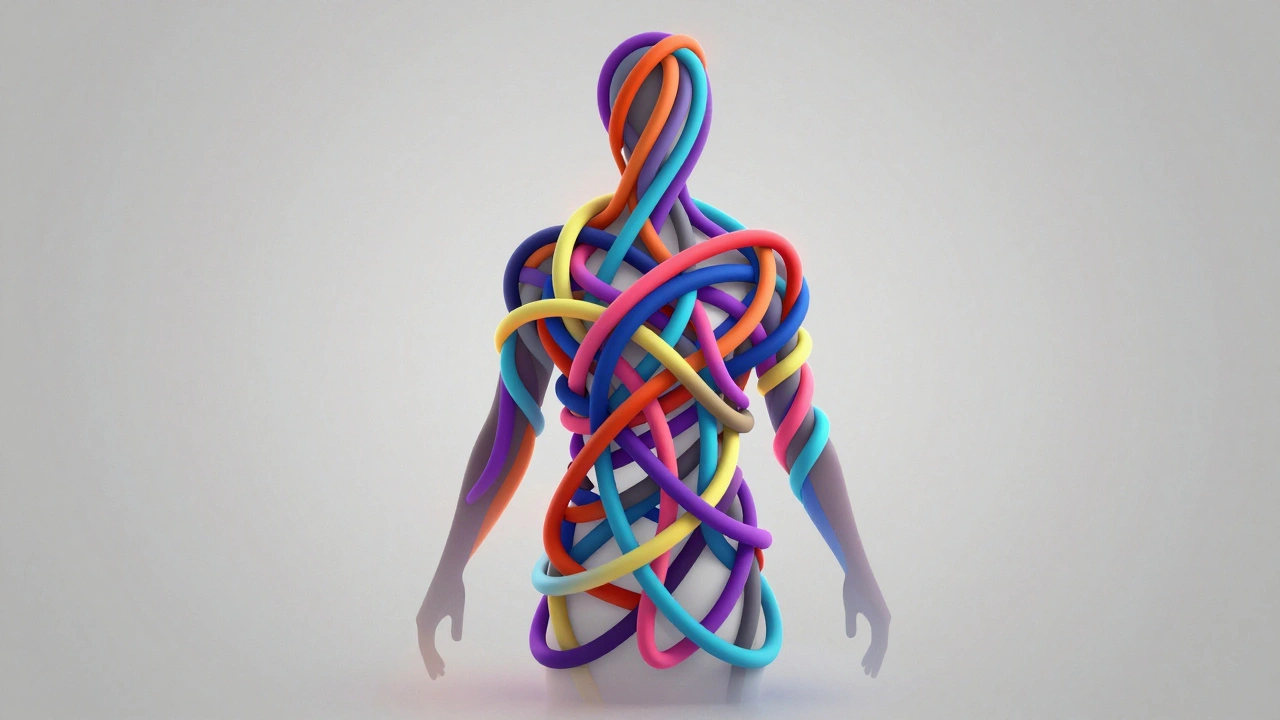
That era is ending. Today, we are witnessing a seismic shift toward intersectionality in film is a framework for storytelling that recognizes how overlapping social identities like race, gender, class, and sexuality create unique modes of discrimination and privilege. This isn't just about adding more diverse faces to the cast list. It’s about acknowledging that human beings are complicated bundles of contradictions and experiences. When filmmakers embrace this complexity, the stories stop feeling like checklists and start feeling like life.
The Origin Story: From Theory to Screen
To understand where we are, we have to look at where the term came from. In 1989, legal scholar Kimberlé Crenshaw coined the term intersectionality to describe how Black women faced compounded discrimination that wasn't captured by looking at racism or sexism alone. For years, this concept lived in academic journals and legal briefs. It felt distant from the glitz and glamour of Hollywood.
But ideas have a way of migrating. As audiences became more critical of flat representations, creators began to apply Crenshaw’s lens to their scripts. They realized that a story about a poor Latina woman couldn't just borrow tropes from "poor white man" narratives or "middle-class Asian woman" narratives. The specific intersection of her economic status, ethnicity, and gender created a distinct reality. This realization forced the industry to move beyond tokenism-where one minority actor is added to appease critics-toward authentic, layered characterization.
Why Single-Axis Storytelling Fails
Traditional Hollywood often relied on "single-axis" frameworks. If a movie wanted to address racism, it focused on Black men. If it wanted to address sexism, it focused on white women. This approach erases millions of people who exist at the crossroads of these identities.
Consider the trope of the "Strong Black Woman." On the surface, this seems empowering. But when applied without nuance, it becomes a burden. It suggests that Black women do not need help, do not feel pain, and are immune to vulnerability. Intersectional storytelling challenges this by showing Black women who are tired, who are scared, and who are flawed. It acknowledges that systemic racism might make their strength necessary for survival, but it doesn't mean they enjoy carrying the weight of the world. By ignoring the intersection of race and gender, previous generations of films stripped these characters of their humanity.
This failure extends to other groups too. Think about the portrayal of disabled characters. Often, they are defined solely by their disability. An intersectional approach asks: What if this disabled character is also an artist? A parent? A member of the LGBTQ+ community? Their disability is part of them, not the sum total of their existence. This shift moves the narrative from "inspiration porn" to genuine relatability.
Casestudies in Complexity
We don't have to look far to see examples of this evolution. Recent years have produced films that refuse to simplify their protagonists.
- Parasite (2019): While primarily a critique of class, Bong Joon-ho’s masterpiece subtly weaves in gender dynamics and national identity. The Kim family’s struggle isn't just about money; it's about dignity in a society that rigidly stratifies people. The female lead, Ki-jung, navigates the male-dominated space of the rich Park household while managing her own ambitions and familial duties. Her agency is tied to her class position and her gender simultaneously.
- Rafiki (2018): This Kenyan film tackles same-sex relationships between two young women in Nairobi. It doesn't just focus on their romance; it explores how their sexuality intersects with their cultural background, their friendship, and the political climate of Kenya. It avoids Western-centric narratives about coming out, instead grounding the story in local realities.
- Minari (2020): Lee Isaac Chung’s semi-autobiographical film portrays a Korean-American family moving to Arkansas. It doesn't shy away from the patriarchal tensions within the family, nor does it ignore the racial isolation they face in rural America. The protagonist, Jacob, is a father trying to provide, a husband struggling with communication, and an immigrant navigating a new land. His failures and successes are inseparable from these intersecting roles.
These films work because they trust the audience to handle complexity. They don't explain every aspect of the character's identity through exposition dumps. Instead, they let the conflicts arise naturally from the character's specific position in the world.
| Aspect | Traditional Single-Axis Approach | Intersectional Approach |
|---|---|---|
| Character Motivation | Driven by a single identity trait (e.g., "the angry black man") | Driven by conflicting pressures from multiple identities (race, class, gender) |
| Villain Portrayal | Often coded with specific ethnic stereotypes | Motivated by systemic incentives or personal flaws unrelated to identity |
| Conflict Resolution | Individual triumph over prejudice | Nuanced outcomes reflecting structural barriers and personal agency |
| Audience Connection | Relies on universalized (often white/male) experiences | Invites empathy through specific, detailed human experiences |
The Role of Behind-the-Scenes Diversity
You cannot achieve intersectional storytelling with a homogeneous room. If the writers' room consists only of wealthy, white, straight men, they may lack the lived experience to write a nuanced scene involving a trans woman of color working in a low-wage job. They might rely on research, which is valuable, but it often lacks the visceral texture of memory.
Diversity behind the camera is not a buzzword; it is a production necessity for authentic storytelling. When directors, producers, and editors come from varied backgrounds, they bring different perspectives on pacing, humor, and tension. A joke that lands well in one culture might fall flat or offend in another. An intersectional crew catches these nuances early.
Moreover, having diverse leadership changes what gets greenlit. Studios have historically been risk-averse, sticking to proven formulas. But those formulas excluded vast segments of the population. New voices argue for stories that reflect their communities. This isn't just about fairness; it's about market expansion. Audiences crave seeing themselves represented accurately. When they do, they engage more deeply. Box office data from the last five years consistently shows that diverse casts correlate with higher global returns, proving that inclusivity is profitable.

Pitfalls to Avoid in Inclusive Storytelling
Despite the progress, many films still stumble. Here are common mistakes that undermine intersectional efforts:
- The Trauma Dump: Assuming that a marginalized character’s entire arc must revolve around suffering. While trauma is real, so is joy, boredom, love, and ambition. Reducing a character to their pain is exploitative.
- Tokenism 2.0: Adding a diverse character who has no impact on the plot. If you remove the character and the story remains unchanged, they were never truly part of the narrative fabric.
- Homogenizing Groups: Treating "Asian" or "Black" or "Latino" as monolithic blocks. There is a massive difference between the experience of a first-generation immigrant and a fourth-generation citizen, or between someone from the Caribbean and someone from West Africa. Ignoring these internal differences is a form of erasure.
- White Savior Narratives: Structuring the plot so that a white character rescues or enlightens the marginalized character. This reinforces power imbalances rather than challenging them.
Authenticity requires listening. Filmmakers should consult with sensitivity readers who belong to the communities being portrayed. But more importantly, they should hire writers from those communities to tell the stories from the inside out.
The Future of Representation on Screen
As we move further into the 2020s, the definition of "mainstream" is expanding. Streaming platforms have accelerated this by catering to niche audiences that traditional theaters ignored. A show about deaf teenagers in sign language (Code Switch) or a series exploring non-binary identities can find a dedicated global audience without needing to appeal to everyone.
This fragmentation allows for deeper exploration. We are seeing more stories about older LGBTQ+ individuals, disabled activists, and religious minorities. The conversation is shifting from "should we include them?" to "how do we represent them with precision?"
Technology also plays a role. Virtual production and AI tools are lowering barriers to entry, allowing independent creators from underrepresented backgrounds to produce high-quality content without massive studio backing. This democratization ensures that the next wave of intersectional cinema will come from the most unexpected places.
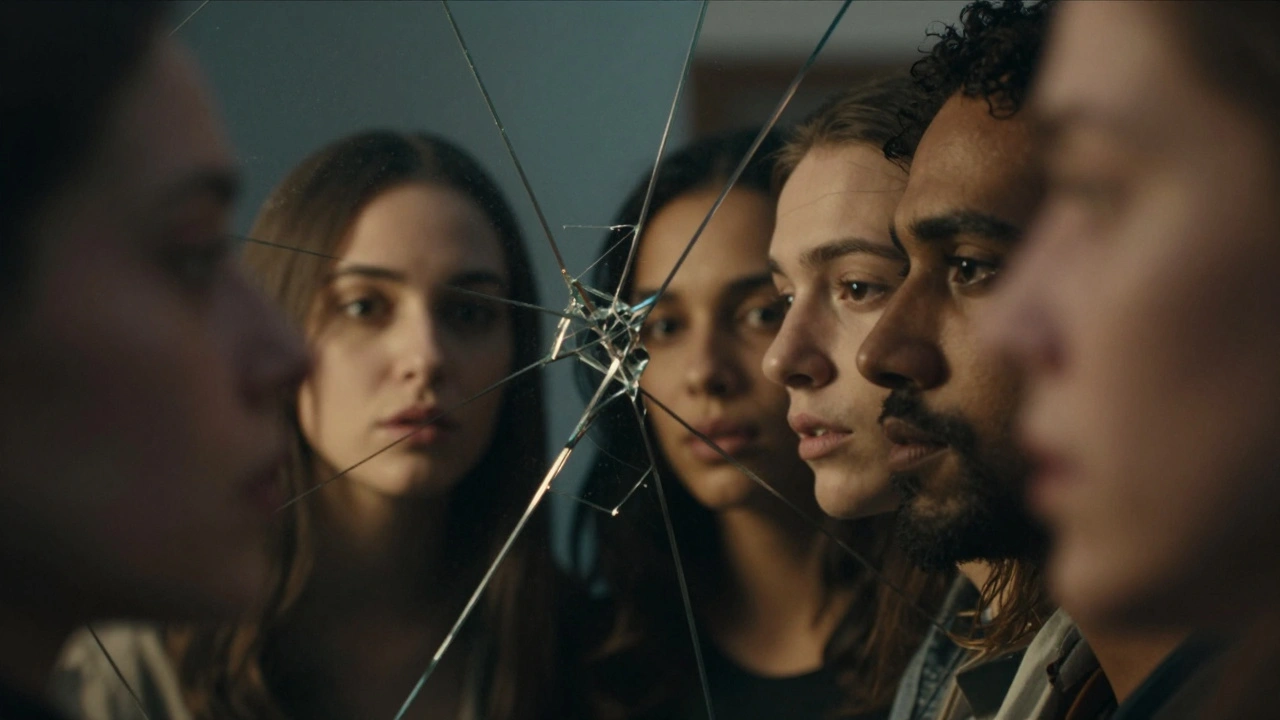
Ultimately, intersectionality in film is about respect. It respects the audience’s intelligence by refusing to oversimplify. It respects the subjects by honoring their full humanity. And it respects the art form by pushing it to evolve. The screen is a mirror. If we want to see ourselves clearly, we need to polish that mirror until it reflects all our complexities, not just the parts that are easy to see.
What is intersectionality in simple terms?
Intersectionality is the idea that people have multiple identities-like race, gender, class, and sexuality-that overlap. These overlaps create unique experiences of advantage or disadvantage that you can't understand by looking at just one identity alone. For example, a poor woman faces different challenges than a rich woman or a poor man.
Why is intersectionality important in filmmaking?
It leads to more realistic and engaging stories. When filmmakers consider how different identities interact, they avoid stereotypes and create characters with depth. This makes the film more relatable to a wider audience and provides accurate representation for marginalized groups.
Can you give an example of an intersectional character?
A great example is the protagonist in Minari. She is not just "Korean" or just a "mother." She is a Korean mother navigating poverty, immigration, and family dynamics in rural America. Her struggles are shaped by all these factors combined, creating a complex and authentic portrait.
How does intersectionality differ from general diversity?
Diversity often focuses on counting heads-ensuring there are women, people of color, etc., in a project. Intersectionality goes deeper by examining how those identities interact. It’s not enough to have a woman of color in the cast; the story must acknowledge how her race and gender shape her specific journey and challenges.
Who coined the term intersectionality?
The term was coined by legal scholar Kimberlé Crenshaw in 1989. She used it to highlight how Black women were overlooked in both feminist movements (which often centered white women) and civil rights movements (which often centered Black men).
Does intersectional storytelling limit creative freedom?
No, it expands it. By removing restrictive stereotypes, filmmakers have more room to explore unique, nuanced, and surprising character arcs. It encourages creativity by demanding that writers dig deeper into the specific realities of their characters rather than relying on lazy tropes.
What are some common mistakes in trying to be intersectional?
Common mistakes include focusing only on trauma, treating entire demographic groups as identical, using diverse characters as tokens with no plot relevance, and relying on white savior narratives. Authentic intersectionality requires research, consultation, and hiring diverse talent behind the camera.