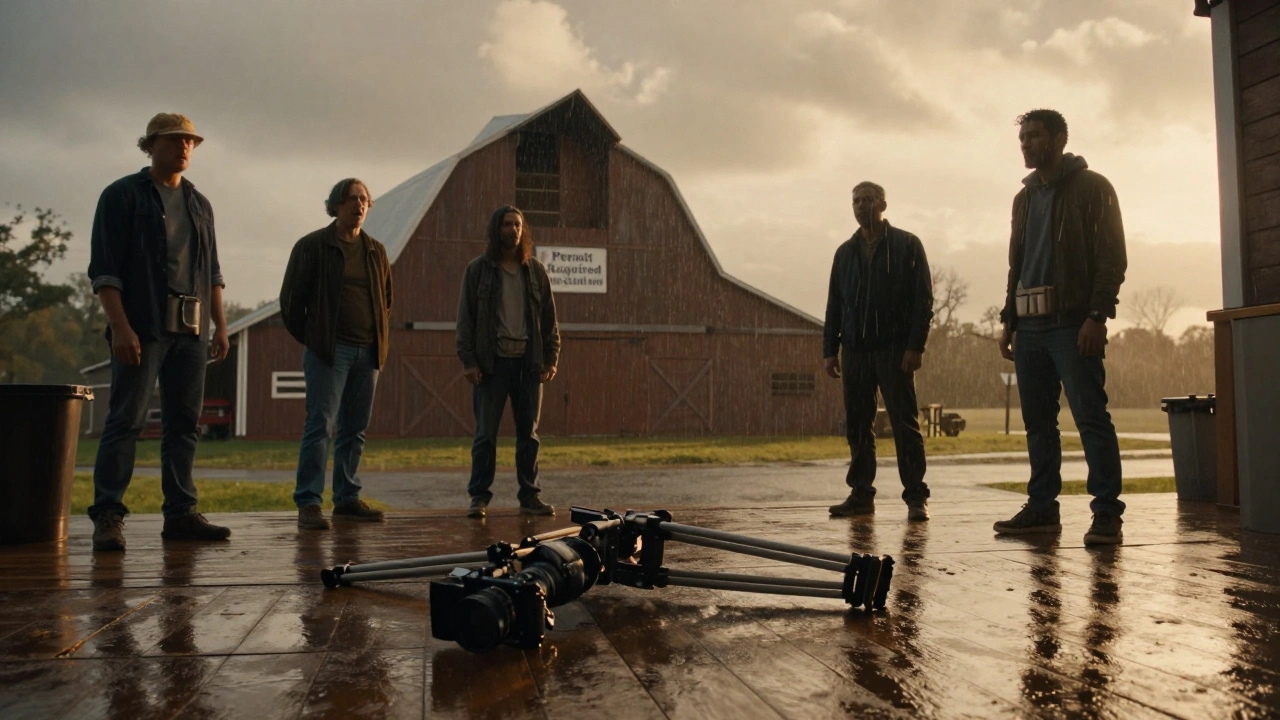
Every film shoot runs on a razor’s edge. One broken lens, a sudden rainstorm, or an actor getting injured can shut down production for days - and cost tens of thousands of dollars. That’s why film production insurance isn’t optional. It’s the backbone of every professional shoot. Whether you’re filming a low-budget indie film or a high-end commercial, skipping insurance is like driving without a seatbelt. You might get lucky, but you’re also one mistake away from financial ruin.
What Film Production Insurance Actually Covers
Film production insurance isn’t one policy. It’s a bundle of protections designed for the unique risks of shooting. Most policies include four core coverages: liability, equipment, cast and crew, and cancellation. Without all four, you’re leaving major gaps.
General liability insurance protects you if someone gets hurt on set - whether it’s a passerby hit by a falling light, a crew member tripping over a cable, or a property owner claiming damage from your shoot. This isn’t just about safety. It’s about lawsuits. A single claim can run $50,000 or more. Most locations require proof of at least $1 million in liability coverage before you can shoot.
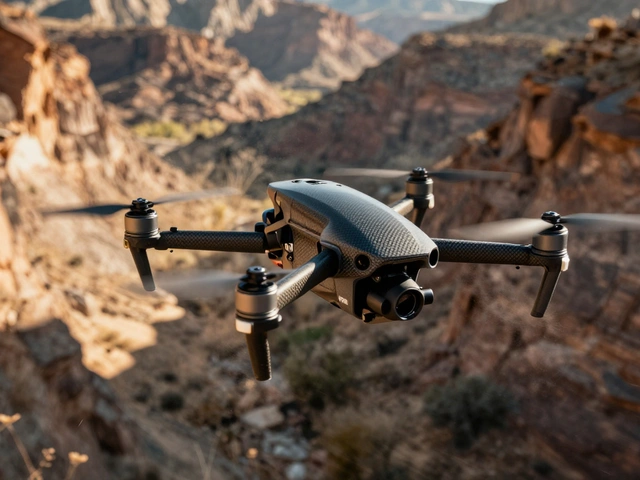
Equipment insurance covers cameras, drones, lights, sound gear, and even laptops used for editing. These aren’t cheap. A RED Komodo camera costs $6,000. A professional drone system? $10,000. If it breaks, gets stolen, or gets damaged in transit, this coverage pays to replace it. Most policies cover accidental damage - not just theft or fire. That’s important. A camera falling off a tripod counts.
Cast and crew insurance is often misunderstood. It doesn’t replace workers’ comp. Instead, it covers the cost of reshoots if a key person gets injured. If your lead actor breaks their leg, and you have to pause production for six weeks, this policy helps pay for the delay. It also covers stunt performers and extras who aren’t on payroll. Without it, you’re on the hook for reshoots, rehiring, and overtime.
Cancellation insurance is your safety net for weather, strikes, or sudden illness. Imagine you’ve booked a mountain location for a week. A snowstorm shuts down the roads. Or a union strike halts all filming in the state. This coverage reimburses non-refundable deposits, permits, and prepaid crew wages. It’s not glamorous, but it’s the difference between recovering and going bankrupt.
The Hidden Risks No One Talks About
Most producers think they’re covered if they have the big four. But there are sneaky risks that slip through the cracks.
Location damage is a big one. You rent a historic barn for a scene. The crew accidentally scuffs the floor with a dolly. The owner demands $20,000 to restore it. Your general liability won’t cover this unless you have a location damage endorsement. Many policies exclude it by default.
Intellectual property is another trap. You use a song in your background. A musician sues because you didn’t get clearance. Or you shoot a logo on a building - a company claims trademark infringement. These lawsuits can cost hundreds of thousands. You need a media liability policy - often sold as an add-on.
Transportation is overlooked. If your grip van gets into an accident on the way to location, your standard auto policy won’t cover it. You need a production vehicle endorsement that covers vehicles used for gear transport, not just personal cars.
And what about animal-related incidents? If your dog actor bites a crew member, or a horse kicks a camera, you’re liable. Animal liability coverage is rare but essential for shoots involving pets, livestock, or wildlife.
Who Needs This - And Who Thinks They Don’t
You might think, “I’m just doing a short film. I don’t need insurance.” But here’s the truth: every shoot, no matter how small, needs coverage. Student films? Yes. YouTube content? Yes. Corporate videos? Absolutely.
One producer in Asheville shot a 30-second ad for a local coffee shop. They didn’t get insurance. A camera fell, cracked a marble countertop. The owner billed them $14,000. They had to sell their car to pay it. That’s not a rare story.
Even if you’re using friends as crew, you’re still legally responsible. If someone gets hurt, they can sue - even if they’re your cousin. Insurance isn’t about trust. It’s about protection.
And don’t assume your personal umbrella policy covers it. Most homeowners or renters policies explicitly exclude commercial filming. You need a production-specific policy.
How Much Does It Cost?
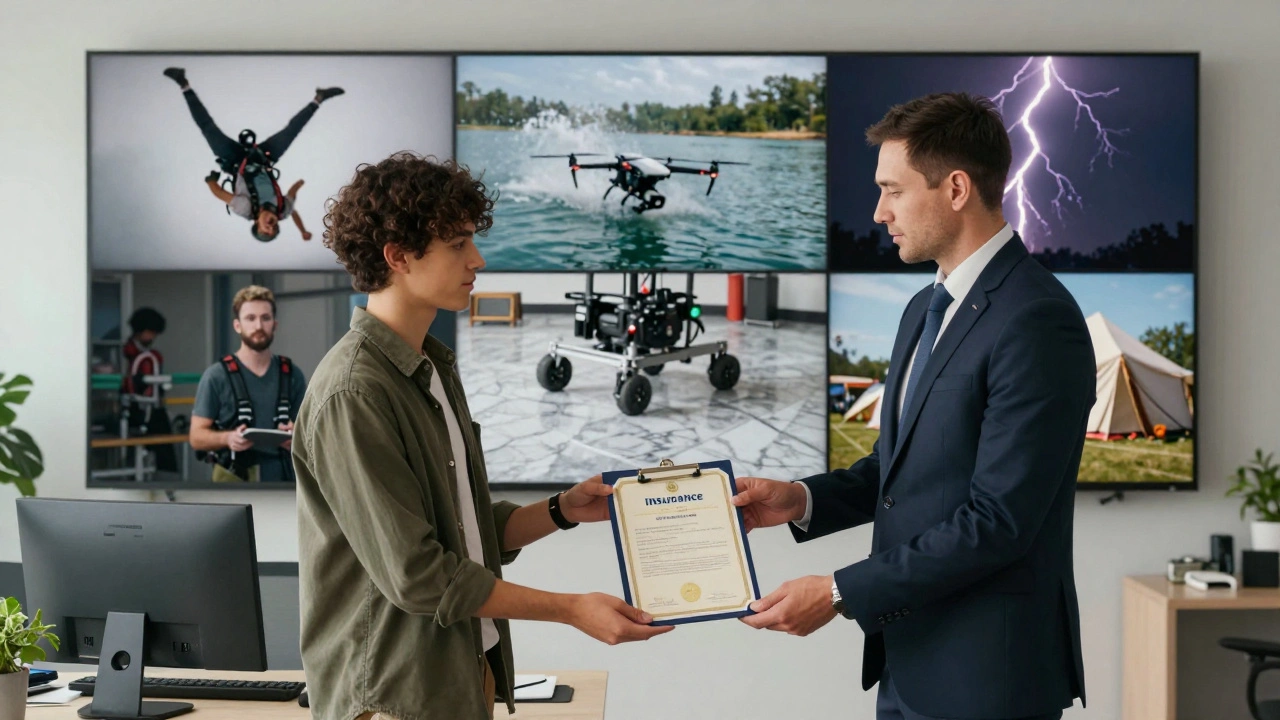
Costs vary wildly. A $50,000 short film might pay $1,500-$3,000 for full coverage. A $2 million feature? $15,000-$30,000. But here’s the trick: the price isn’t just about budget. It’s about risk.
Factors that raise your premium:
- Stunts or pyrotechnics
- Shooting in high-risk locations (crowds, heights, water)
- Using animals or minors
- International shoots
- Using unlicensed equipment
On the flip side, you can lower costs. Get quotes early. Bundle coverage. Use experienced crew - insurers reward safety records. Some companies offer discounts if you complete a safety training course.
Most policies are priced per day. So if you’re shooting 10 days, you pay 10 times the daily rate. But if you’re doing multiple shoots in a year, annual policies can save you 30%.
What Happens If You Skip It?
It’s not just about money. It’s about opportunity.
No location will let you shoot without proof of insurance. No distributor will pick up your film without it. No film festival will accept your entry without a certificate of insurance.
And if something goes wrong? You’re on your own. No insurer means no payout. No backup. No safety net. One mistake can end your career before it starts.
There’s no such thing as a “low-risk” shoot. Even a quiet interview in a quiet room can go sideways. A light falls. A cable sparks. A subject has a medical episode. Insurance doesn’t prevent accidents. It prevents disasters.
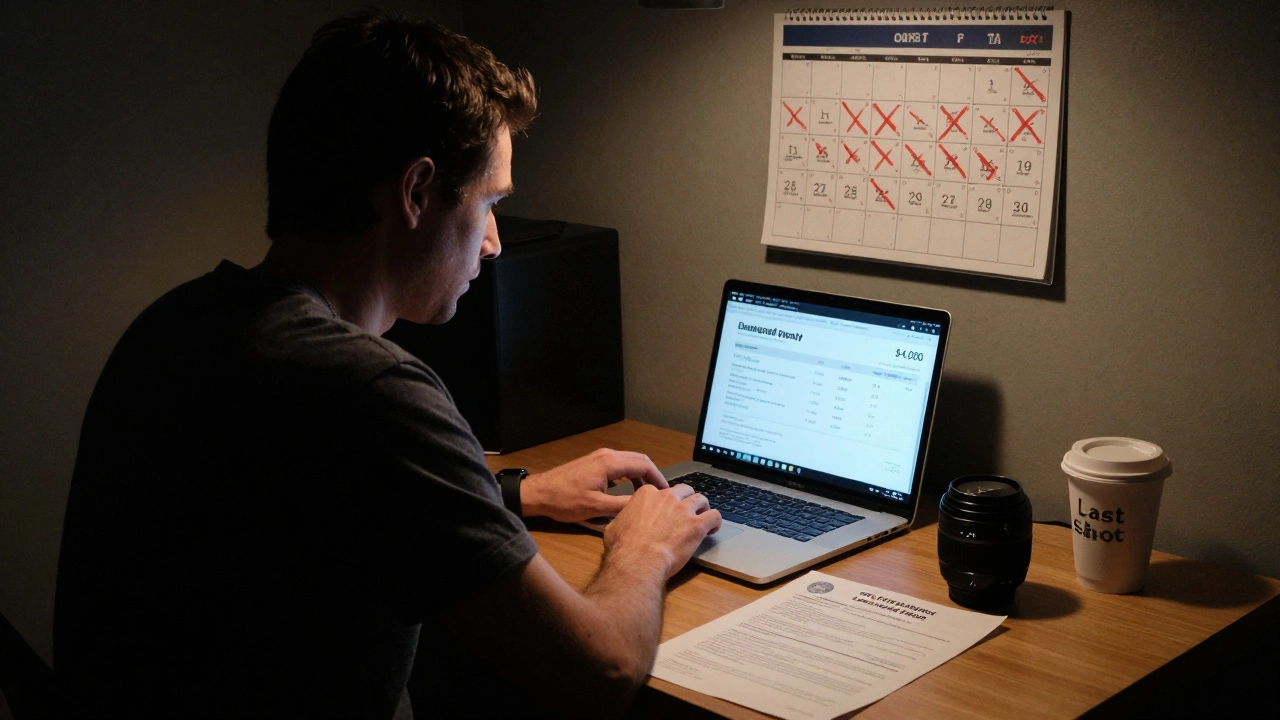
How to Get the Right Policy
Don’t buy from a generic insurer. Use a specialist. Companies like Production Insurance Services (a U.S.-based provider specializing in film and media insurance since 1998), InsureMyShoot (offers digital policies with instant certificates), or MediaPro (covers everything from student films to Netflix productions) know exactly what you need.
Here’s what to ask:
- Do you cover accidental damage to equipment?
- Is location damage included?
- Do you cover international shoots?
- What’s the deductible?
- Can I get a certificate of insurance in under 24 hours?
Always get the policy in writing. Never rely on verbal confirmation. And make sure the certificate lists the location owner, distributor, or client as an additional insured. That’s often required.
Final Reality Check
Film production insurance isn’t a cost. It’s an investment. It’s the price of peace of mind. It’s what lets you focus on your story - not on what could go wrong.
Every successful production starts with a plan. And every plan starts with protection. Skip it, and you’re gambling with your project, your reputation, and your future.
Do I need film production insurance for a one-day shoot?
Yes. Even a one-day shoot carries risk. A camera could fall, a crew member could slip, or a location could be damaged. Most locations require proof of insurance before allowing access. A one-day policy costs as little as $100-$300, depending on budget and location.
Can I use my personal auto insurance for production vehicles?
No. Personal auto policies exclude commercial use. If you’re transporting gear, lighting, or equipment for a shoot, you need a production vehicle endorsement. Otherwise, an accident could leave you fully liable - even if you’re not at fault.
What’s the difference between liability and equipment coverage?
Liability covers injuries or property damage caused by your production - like someone tripping on a cable. Equipment coverage pays to replace or repair your gear if it’s damaged, stolen, or lost. They’re separate protections. You need both.
Does insurance cover COVID-19 or other pandemics?
Most standard policies exclude pandemics. But some insurers now offer optional pandemic coverage as an add-on - especially for shoots involving large groups or international travel. Always ask if it’s available and how much it costs.
Can I get insurance if I’m filming outside the U.S.?
Yes, but it’s more complex. You’ll need a policy that includes international coverage and meets local legal requirements. Some countries require specific liability limits or local insurance partners. Work with a provider experienced in global shoots.



Comments(10)