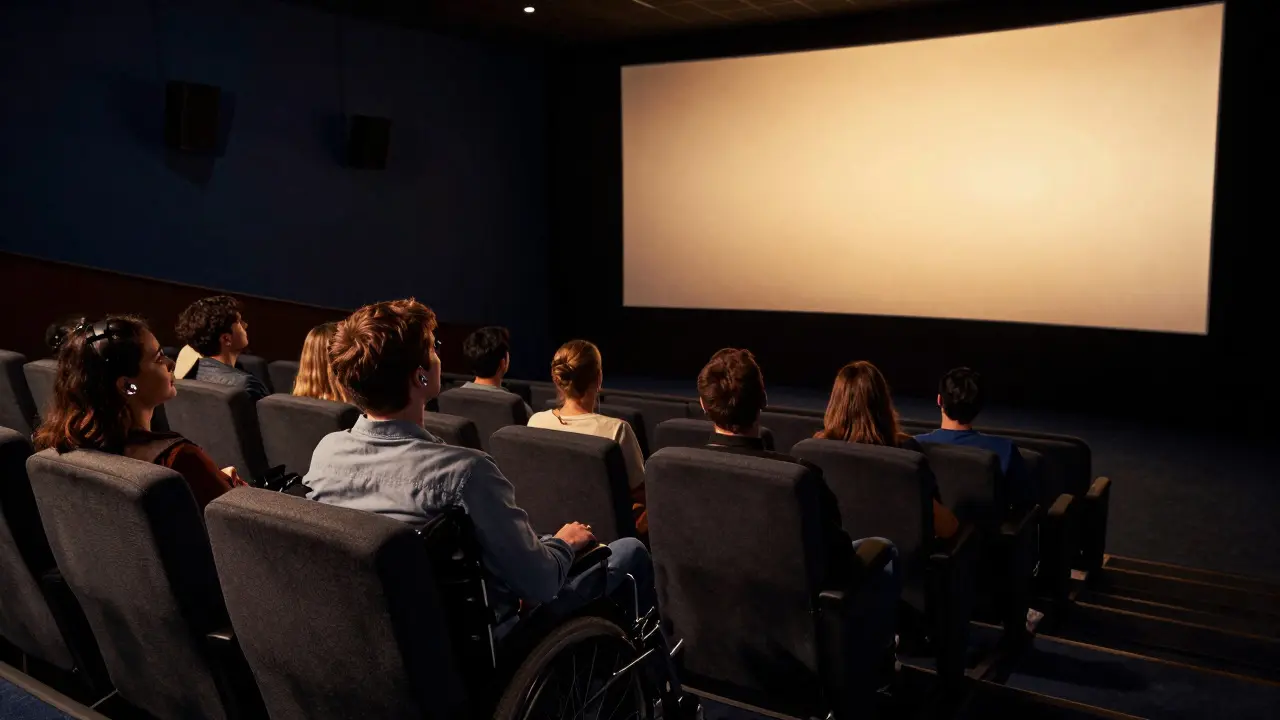
For decades, the screen has told us who belongs in the story. Usually, it’s the able-bodied, straight, or cisgender protagonist. But a quiet revolution is happening in independent theaters and streaming platforms alike. Filmmakers are no longer asking for permission to tell these stories; they are demanding that the camera sees the whole human experience. This shift isn’t just about adding a character with a wheelchair or a non-binary lead. It’s about intersectional cinema, where disability and LGBTQ+ identities overlap to create narratives that challenge every assumption we’ve ever made about love, work, and survival.
If you’ve ever felt invisible on screen, you know the frustration. You see people like you, but only as punchlines, tragic figures, or inspirational props. Intersectional queer cinema flips this script. It treats these identities not as separate boxes to check, but as woven parts of a single, complex life. The result? Films that feel raw, honest, and deeply relatable to anyone who has ever navigated a world not built for them.
Defining the Lens: What Is Intersectional Queer Cinema?
Intersectional Queer Cinema is a filmmaking approach that centers characters whose identities involve multiple marginalized axes, such as race, class, sexuality, gender, and disability, without reducing them to a single trait. Unlike traditional Hollywood narratives that often isolate one identity for dramatic effect, this genre recognizes that a disabled gay man experiences the world differently than an able-bodied gay man or a disabled straight woman.
The core principle here is co-existence. A character doesn’t lose their queerness when they sit in a wheelchair. They don’t lose their disability when they fall in love. These aspects interact. For example, dating apps designed for able-bodied users might exclude deaf partners unless specific accommodations are made. This friction becomes the plot, not just a backdrop. By focusing on these daily frictions, filmmakers create a more authentic portrait of modern life.
This movement draws heavily from the social model of disability, which argues that society disables people through barriers, not their bodies. In cinema, this means showing how inaccessible venues, lack of captions, or rigid workplace norms impact queer lives. It’s a political act disguised as personal drama.
Why Representation Matters Beyond Tokenism
Tokenism is easy. Put a person with a prosthetic leg in a movie, give them a line, and call it a day. But true representation requires depth. When we talk about LGBTQ+ stories through the lens of disability, we’re talking about agency. Who writes the script? Who directs? Who sits in the casting chair?
Historically, actors with disabilities were cast in roles written by able-bodied writers who had never experienced chronic pain or sensory processing issues. The result was often caricature. Today, creators like Greta Gerwig and Margot Robbie have started advocating for broader inclusivity, but the real change is coming from directors like Chloé Zhao and emerging indie talents who prioritize lived experience.
Consider the economic impact. Studies from the Motion Picture Association suggest that diverse films perform better at the box office because they tap into underserved markets. Audiences want to see themselves reflected accurately. When a deaf trans woman sees her specific reality portrayed with nuance, she feels seen. That emotional connection drives ticket sales and streaming subscriptions.
Key Themes in Modern Intersectional Narratives
Several recurring themes define this wave of filmmaking. They aren’t just plot devices; they are reflections of real-world struggles that resonate across communities.
- Access as Love: Scenes where partners negotiate accessibility needs-like finding a hotel with a roll-in shower or planning a date that accounts for fatigue-become intimate moments. It shows that caring for someone includes respecting their bodily autonomy.
- Workplace Exclusion: Many protagonists face discrimination at work due to both their gender expression and their disability. These films highlight the legal gray areas and the emotional toll of hiding parts of oneself to keep a job.
- Community vs. Isolation: While mainstream media often portrays queer disabled people as isolated, recent films show vibrant support networks. Friends, chosen family, and online communities provide safety nets that biological families might fail to offer.
- Medical Gaze: Doctors and therapists often assume patients are heterosexual or cisgender. Films depict the exhaustion of correcting these assumptions, turning medical appointments into sites of resistance.
These themes move beyond tragedy. Yes, there is pain. But there is also joy, humor, and triumph. The goal isn’t to inspire able-bodied viewers; it’s to validate the experiences of those already living these lives.

Case Studies: Films That Changed the Conversation
To understand the impact, let’s look at specific examples that broke new ground. These movies didn’t just entertain; they sparked dialogue in classrooms, boardrooms, and living rooms.
| Movie Title | Year | Primary Focus | Key Contribution |
|---|---|---|---|
| Sound of Metal | 2019 | Deafness & Musician Identity | Portrayed sign language naturally without subtitles for hearing audiences initially, forcing immersion. |
| Promising Young Woman | 2020 | Trauma & Gender Violence | Highlighted how systemic failures affect women, intersecting with physical vulnerability. |
| Everything Everywhere All At Once | 2022 | Aging, Immigrant Experience & Family | Showed multigenerational trauma and acceptance, including subtle nods to neurodivergence. |
| Heartstone (Indie Example) | 2024 | Queer Chronic Illness | Centered a non-binary protagonist managing fatigue, challenging the 'productive' body norm. |
Note how each film addresses a different facet of the intersection. Sound of Metal dealt with sudden loss of ability, while Heartstone (representative of recent indie trends) focused on chronic management. Both are valid, but they require different narrative structures. One is a crisis; the other is a routine. Recognizing this difference is crucial for accurate portrayal.
Barriers to Production: Why More Films Don’t Get Made
If the demand is high, why are there still so few mainstream blockbusters featuring disabled queer leads? The answer lies in the production pipeline. Funding is the biggest hurdle. Investors often fear that niche stories won’t reach a global audience. They mistake specificity for limitation.
Then there’s the issue of set accessibility. Film sets are notoriously chaotic and dangerous environments. Stairs, uneven terrain, and long hours can be physically impossible for some crew members or actors with certain disabilities. Making a set accessible costs money upfront, but it saves time later by preventing delays caused by logistical nightmares.
Casting is another bottleneck. Agents often push clients toward 'safe' roles. A disabled actor might be typecast as a villain or a victim. Breaking out of this requires producers who are willing to take risks. Fortunately, streaming services like Netflix and Apple TV+ have lowered the barrier to entry for smaller budgets, allowing more experimental projects to find audiences.
Practical Tips for Creators and Audiences
Whether you’re an aspiring filmmaker or a viewer looking for meaningful content, here are actionable steps to support this movement.
- Support Indie Festivals: Look for festivals dedicated to LGBTQ+ and disability arts. Tickets are cheaper, and you get direct access to the creators.
- Demand Accessibility Features: When watching films, use closed captions if available. Advocate for audio descriptions in theaters. Your usage data helps studios justify investing in these features.
- Follow Diverse Voices on Social Media: Algorithms reward engagement. If you follow disabled queer writers and directors, your feed will fill with relevant content, signaling market interest.
- Read Screenplays Before Watching: Understanding the context behind a film enhances appreciation. Many indie films release their scripts online for educational purposes.
- Advocate in Your Workplace: If you work in media, push for inclusive hiring practices. Ask questions during development meetings: "Who is missing from this story?"
These small actions compound. Every dollar spent on a ticket, every share on social media, and every question asked in a meeting helps normalize these stories.
The Future of Inclusive Storytelling
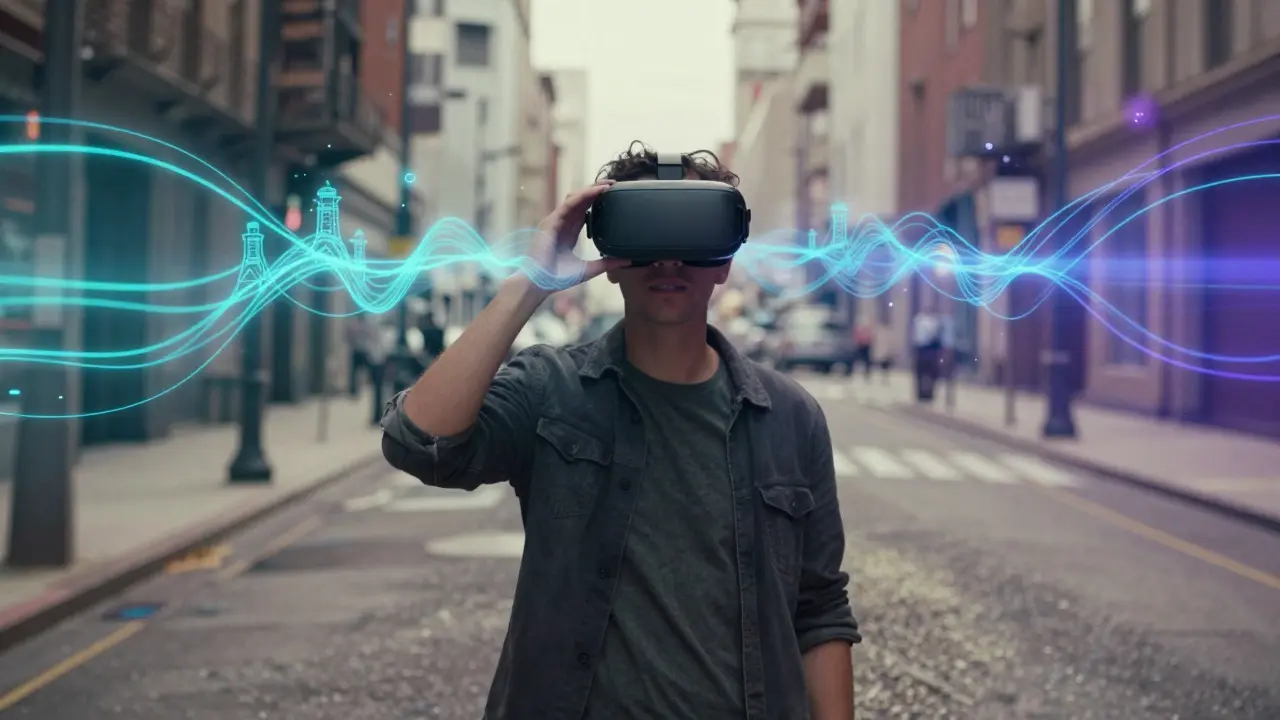
Where does this go next? Virtual reality and augmented reality offer new possibilities. Imagine a VR experience where you navigate a city as a blind person, feeling the texture of walls and the sound of traffic. Or an AR app that overlays historical context onto real-world locations, showing where queer spaces once existed before being erased.
Technology isn’t just a tool; it’s a narrative device. As haptic feedback suits become more affordable, audiences can feel the rhythm of a dance floor or the vibration of a phone notification, creating empathy through sensation rather than just sight.
But technology alone isn’t enough. We need policy changes. Tax incentives for accessible productions, grants for first-time directors from marginalized backgrounds, and stricter diversity quotas in major studios would accelerate progress. The cultural shift is underway, but it needs structural support to last.
The screen is a mirror. For too long, it showed us a distorted reflection. Now, we’re getting a clearer image. It’s messier, more complex, and far more beautiful. And that’s exactly what cinema should be.
What is the main difference between tokenism and intersectional representation?
Tokenism involves including a marginalized character superficially to appear diverse, often without giving them agency or depth. Intersectional representation integrates multiple identities (like disability and sexuality) into the character's core narrative, showing how they interact and influence each other authentically.
Why are streaming platforms important for intersectional queer cinema?
Streaming platforms have lower production thresholds than traditional theatrical releases, allowing smaller, niche stories to find global audiences. They also offer flexible viewing options, such as adjustable playback speeds and detailed subtitle settings, which benefit viewers with various needs.
How does the social model of disability apply to filmmaking?
The social model suggests that disability is caused by societal barriers, not individual impairments. In filmmaking, this means depicting conflicts arising from inaccessible environments or prejudiced attitudes, rather than framing the character's body as the source of the problem.
Are there specific awards recognizing intersectional cinema?
While major awards like the Oscars have expanded categories, specialized festivals like the GLAAD Media Awards and the Independent Spirit Awards often recognize films that break barriers in representation. Additionally, many regional film festivals now have specific tracks for disability and LGBTQ+ narratives.
What role do audiences play in changing the industry?
Audiences drive demand. By choosing to watch, review, and discuss intersectional films, viewers signal to studios that these stories are profitable. High viewership numbers and positive critical reception encourage investors to greenlight similar projects in the future.