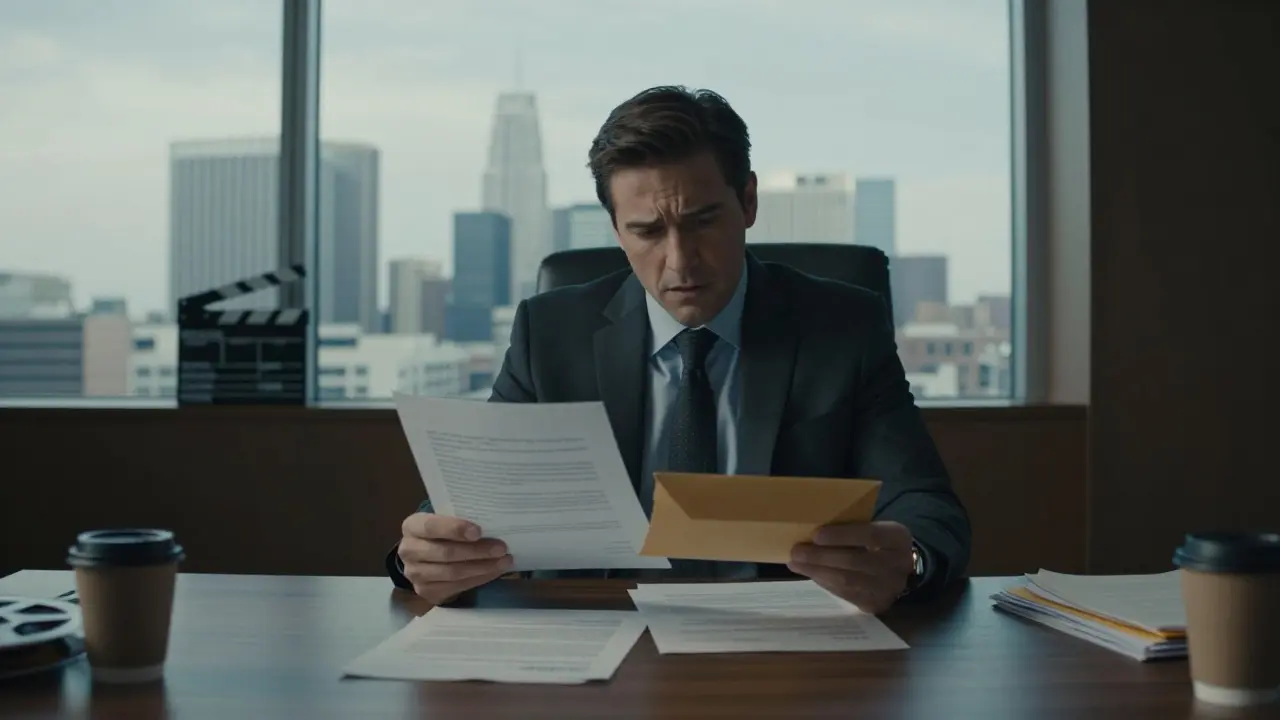
Imagine this: you’ve spent years financing a feature film. The cast is booked, the shoot wrapped, and post-production is done. You’re ready to distribute. But then, a lawsuit arrives. A background actor claims their image rights were violated in a specific scene. Or worse, a distributor alleges you misrepresented the box office potential in your financial disclosures. Suddenly, your hard-earned profits are tied up in legal fees that could bankrupt the project.
This is where Errors and Omissions insurance, commonly known as E&O, becomes your safety net. It’s not just an administrative checkbox; it’s a critical component of modern film financing structures. Without it, lenders hesitate, distributors demand higher margins, and investors sleep poorly. In the high-stakes world of film distribution, E&O covers the professional mistakes that don’t involve physical injury but hit your wallet just as hard.
What Is Errors and Omissions Insurance in Film?
Errors and Omissions insurance is a type of professional liability coverage that protects businesses from claims of negligence, failure to perform, or inaccurate information provided to clients. In the context of film, this differs significantly from general liability or completion bonds. While completion bonds ensure the movie gets made, E&O ensures that the business practices surrounding the film’s sale and distribution are legally sound.
Think of it as protection against your own paperwork and promises. If you tell a distributor that a film has certain international rights, but it turns out those rights were already sold to another party, that’s an omission. If you fail to clear a song used in the trailer, that’s an error. These aren’t creative failures; they are operational ones. E&O covers the cost of defending these lawsuits and any settlements or judgments up to your policy limit.
The core value here is credibility. When a major studio or streaming platform looks at your deal memo, they check for E&O coverage. Its presence signals that you have audited your risks and have a financial backstop. This trust often translates into better terms during negotiations, such as lower upfront payments or more favorable revenue splits.
Why Distributors and Lenders Demand It
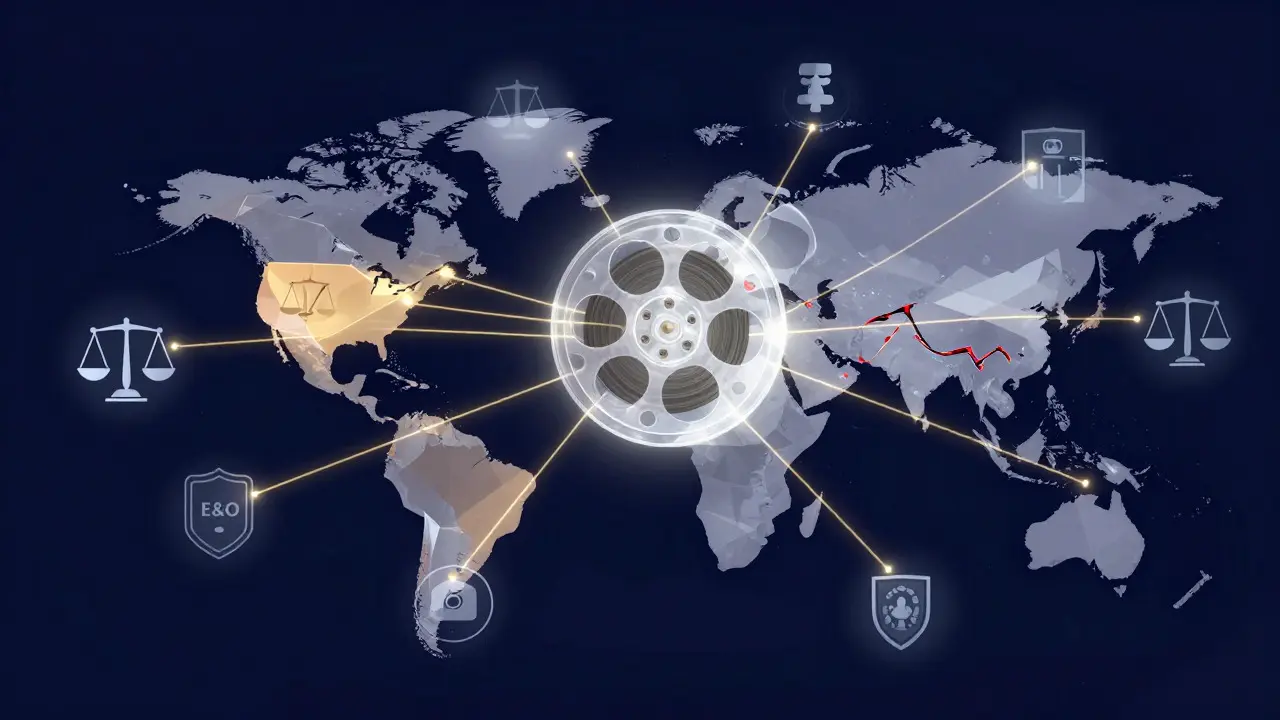
You might wonder why this insurance is so non-negotiable in financing structures. The answer lies in the complexity of global media rights. A single film can be sold in over 100 territories, each with different copyright laws, labor regulations, and tax implications. The probability of a mistake increases with every new contract signed.
Lenders who provide bridge financing or gap financing rely on the projected cash flows from distribution deals. If a distribution deal falls through due to a legal dispute over rights clearance, the lender’s collateral (the film) loses value. E&O mitigates this risk by ensuring that if a deal is voided due to your error, you have the funds to buy out the conflicting claim or pay damages to keep the deal alive.
Distributors, on the other hand, face direct exposure. If they market a film and it turns out to be infringing on intellectual property, they get sued too. They need assurance that the producer/distributor entity above them has the capacity to resolve these issues without dragging the distributor down. This is why E&O is often required before a minimum guarantee (MG) is paid out.
| Insurance Type | Primary Coverage | When It Applies | Typical Cost Range |
|---|---|---|---|
| E&O | Professional negligence, missed deadlines, misrepresentation of rights | During sales, licensing, and distribution phases | 1-3% of insured revenue |
| Completion Bond | Ensures film is completed on time and budget | Pre-production and production | 1.5-3% of budget |
| Casting & Credit Insurance | Replacement costs if key talent drops out | Production phase | Flat fee per principal |
| General Liability | Physical injury, property damage on set | Production and shooting locations | Low fixed premium |
Key Risks Covered by E&O Policies
Not all mistakes are created equal, and not all are covered. Understanding what triggers a claim helps you manage your operations proactively. Here are the most common scenarios where E&O steps in:
- Intellectual Property Disputes: Failure to clear music, stock footage, or archival images. If a record label sues because a snippet of a song wasn’t licensed properly, E&O pays the defense costs.
- Contractual Breaches: Missing delivery dates for dailies or final cuts promised to a broadcaster. If the penalty clause in the contract is triggered, E&O can cover the liquidated damages.
- Misrepresentation of Rights: Selling exclusive territory rights that were already encumbered by a previous deal. This is one of the most expensive errors in film finance.
- Failure to Perform: Promising marketing support or promotional materials that never materialize, leading to a breach of contract claim from a partner.
- Negligent Accounting: Incorrectly calculating residual payments to actors or crew, leading to collective bargaining unit grievances or individual lawsuits.
It’s crucial to note that E&O usually does not cover intentional fraud. If you knowingly sell rights you know you don’t own, the insurer may deny the claim. However, in complex corporate environments, proving "intent" versus "negligence" is often a gray area, which is why having comprehensive documentation is vital.
How E&O Fits Into Financing Structures
In a typical equity financing structure, investors want downside protection. E&O acts as a layer of that protection. For example, in a pre-sale model, banks lend money based on future distribution income. The bank requires a completion bond to ensure the film exists. But they also require E&O to ensure the pre-sales contracts are valid and enforceable.
If you are using a mix of equity and debt, the E&O policy limits must align with your total exposure. A common rule of thumb is to insure for 100% of your expected gross receipts from distribution, capped at a reasonable maximum (often $5M to $10M for mid-budget features). Under-insuring leaves gaps; over-insuring wastes capital on premiums.
Furthermore, many financiers will look at the "claims history" of your production company. If you’ve had prior E&O claims, even if settled, it raises red flags. This makes clean operations and thorough legal review not just good practice, but a financial necessity to maintain access to capital.
Choosing the Right Policy and Provider
Not all E&O policies are created equal. The terms, exclusions, and retroactive dates matter immensely. When shopping for coverage, focus on these three elements:
- Retroactive Date: This determines how far back the insurer will cover errors. If you started developing a film five years ago, you need a retroactive date that goes back to the start of development. Otherwise, early-stage mistakes won’t be covered.
- Worldwide Coverage: Film distribution is global. Ensure the policy covers claims arising in all jurisdictions where you intend to sell rights. Some cheaper policies exclude certain high-risk countries or regions.
- Sub-limit Exclusions: Check for sub-limits on specific types of claims. For instance, some policies cap IP infringement payouts at 50% of the total policy limit. You need to know where your biggest risks lie.
Working with a specialized media insurance broker is highly recommended. General commercial brokers often misunderstand the nuances of film rights and may place you in a generic policy that lacks specific endorsements for digital distribution or streaming platforms. A specialist knows which carriers are willing to write policies for independent films and can negotiate better terms.

Best Practices for Maintaining Coverage
Getting the policy is only half the battle. You must actively manage it to ensure it remains valid when you need it most. Here are practical steps to take:
- Audit All Contracts Annually: Review all distribution agreements, music licenses, and talent contracts once a year. Update your insurer if significant changes occur.
- Document Everything: Keep clear records of all communications regarding rights sales. If a dispute arises, proof of diligence can prevent a claim from being deemed "negligent."
- Notify Insurers of New Markets: If you expand into a new region (e.g., entering the Asian market for the first time), notify your carrier. Adding new territories mid-policy-year can sometimes trigger re-underwriting.
- Review Premiums Against Revenue: As your film’s performance improves, your exposure grows. Re-evaluate your policy limits quarterly to ensure you aren’t under-insured relative to your actual cash flow projections.
Finally, treat E&O as a living document. It should evolve with your business. As streaming becomes the dominant distribution channel, new risks emerge, such as data privacy breaches related to viewer tracking or algorithmic bias claims. Ensure your policy language is broad enough to adapt to these emerging technologies.
Frequently Asked Questions
Is E&O insurance mandatory for all films?
No, it is not legally mandatory. However, it is effectively mandatory for any film seeking institutional financing, large-scale distribution, or entry into major streaming platforms. Small micro-budget films relying solely on self-funding may skip it, but they assume all legal risk themselves.
Does E&O cover creative disputes like artistic differences?
Generally, no. E&O covers professional negligence and factual errors, not subjective creative disagreements. If a director claims the editor changed the tone of the film, that is a creative dispute. But if the editor failed to deliver the cut by the contractual deadline, that is an E&O issue.
How much does E&O insurance cost for a feature film?
Costs vary based on the insured amount and the film's profile. Typically, premiums range from 1% to 3% of the total insured revenue. For a film with $5 million in expected distribution revenue, expect to pay between $50,000 and $150,000 annually for full coverage.
Can I switch E&O providers mid-project?
Yes, but it can be tricky. You need to ensure the new provider accepts the same retroactive date. If you switch, you must coordinate carefully to avoid gaps in coverage. Always consult your current broker before initiating a switch to understand cancellation penalties and notice periods.
What happens if I make a mistake but haven't filed a claim yet?
Most E&O policies are "claims-made," meaning the claim must be reported while the policy is active. If you discover a mistake after your policy expires, you won't be covered unless you purchased an extended reporting period (ERP) endorsement. This is why maintaining continuous coverage is critical.




Comments(10)