Quick Takeaways
- Hyper-local stories often have the most universal emotional appeal.
- Algorithm-driven distribution replaces traditional regional licensing.
- Strategic dubbing and subtitling are now as important as the script.
- Streamers use "tentpole" local hits to penetrate specific regional markets.
The Death of the Regional License
For years, the movie business worked on a fragmented system. A studio in France would sell the rights to a US distributor, who would then decide if the film was "too foreign" for American audiences. Most of the time, these films ended up in limited art-house theaters. Netflix is a global streaming service that pioneered the move away from regional licensing by owning the content globally from day one.
By producing their own "Originals," streamers remove the middleman. When a company owns the global rights to a show like Squid Game, they don't have to negotiate with a dozen different broadcasters. They just hit a button, and the show goes live in 190 countries. This shift has turned the traditional distribution model on its head. Instead of asking "Will this translate?", they ask "How can we make this translate?"
Finding the "Universal" in the "Local"
Here is the paradox: the more specific a story is to its own culture, the more authentic it feels to a global viewer. Streamers have learned that generic, "globalized" content often feels bland. On the other hand, a story about the intense pressure of the South Korean education system or the intricate social hierarchies in a small Spanish town feels real. That authenticity creates an emotional hook that transcends language.
They look for themes that everyone understands: greed, family betrayal, survival, and ambition. For example, Money Heist (La Casa de Papel) wasn't a hit because it was Spanish; it was a hit because the idea of a brilliant mastermind stealing from the system is a universal fantasy. The "local" flavor-the passion, the setting, the specific slang-just added a layer of exoticism that made it more appealing than another generic Hollywood heist movie.
The Engineering of Accessibility
Getting a show onto a platform is easy. Getting people to actually watch it without feeling like they're doing homework is the hard part. This is where the technical side of the strategy kicks in. Localization is no longer just about translating words; it's about cultural adaptation.
Streamers invest heavily in Closed Captioning, which is the process of providing synchronized text versions of the audio for the deaf and hard of hearing, and for non-native speakers. But they've gone further. They use AI-driven dubbing that matches the lip-syncing of the original actor to reduce the "uncanny valley" effect that often kills the mood in foreign films. They also employ cultural consultants to ensure that idioms aren't just translated literally, but are replaced with equivalent expressions that make sense in the target language.
| Feature | Traditional Distribution | Streaming Original Model |
|---|---|---|
| Rights Management | Fragmented by country | Centralized global ownership |
| Audience Reach | Staged regional rollout | Simultaneous global launch |
| Language Barrier | Subtitles only (usually) | Multi-language dubs + adaptive captions |
| Discovery | Critics and cinema listings | Algorithmic recommendation engines |
Algorithmic Amplification
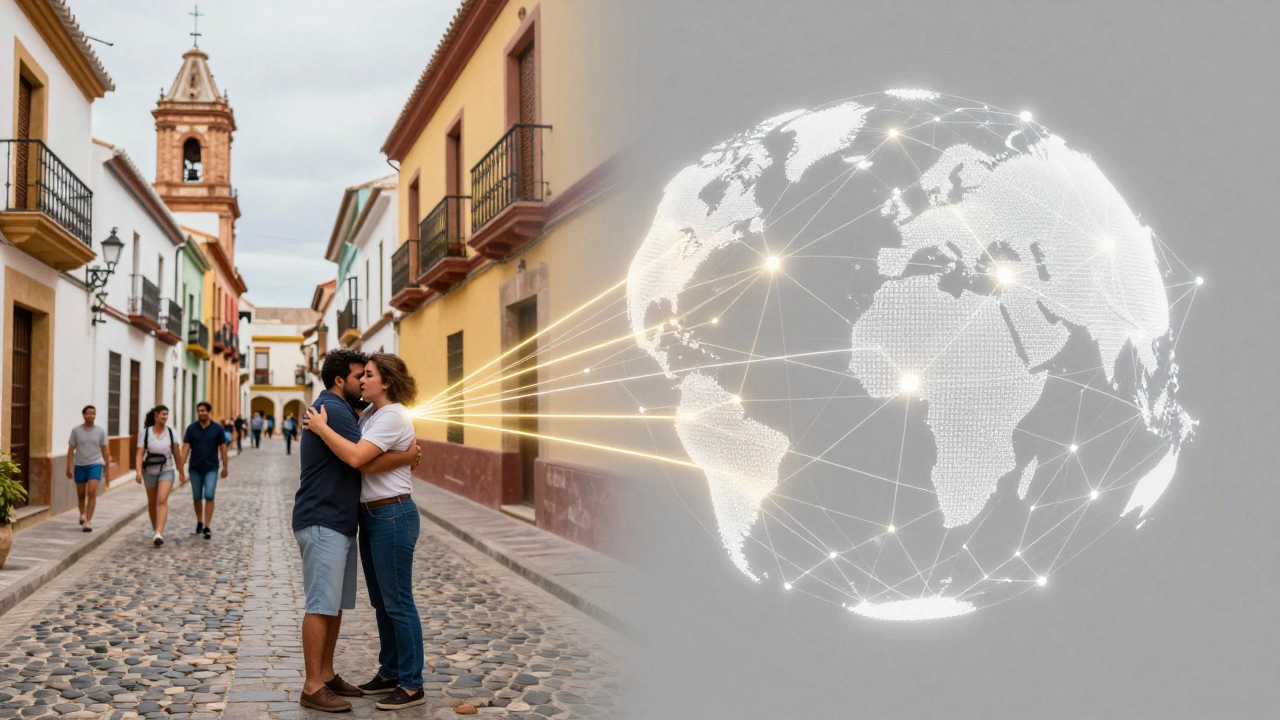
In the old days, a foreign film needed a "champion"-a powerful critic or a famous director-to push it into the mainstream. Today, the Recommendation Engine is the champion. These AI systems don't care if a show is from Mexico or Michigan; they only care about viewer behavior.
If the data shows that people who liked Stranger Things also enjoyed a specific Belgian thriller, the algorithm will start pushing that Belgian show to millions of English speakers. This creates a "snowball effect." Once a local original hits a certain threshold of views in a foreign market, it triggers a wider promotion cycle, leading to a global trend. This is how a show can go from a local production to a global cultural phenomenon in a matter of days.
The "Halo Effect" and Market Penetration
Why spend millions on a show in a language the majority of your paying subscribers don't speak? Because it's a play for the rest of the world. Producing high-quality International Originals is the best way to attract new subscribers in those specific regions. When a streamer produces a high-budget series in Nigeria, they aren't just making a show for the US; they are telling every potential subscriber in Nigeria that this platform values their culture.
This creates a "Halo Effect." By investing in local talent, the streamers gain a foothold in emerging markets. They get access to local creators, understand regional tastes, and build brand loyalty. Once the local audience is on the platform for the local hit, they start discovering the rest of the library, increasing the overall lifetime value of that customer.
The Risks of the "Globalized" Formula
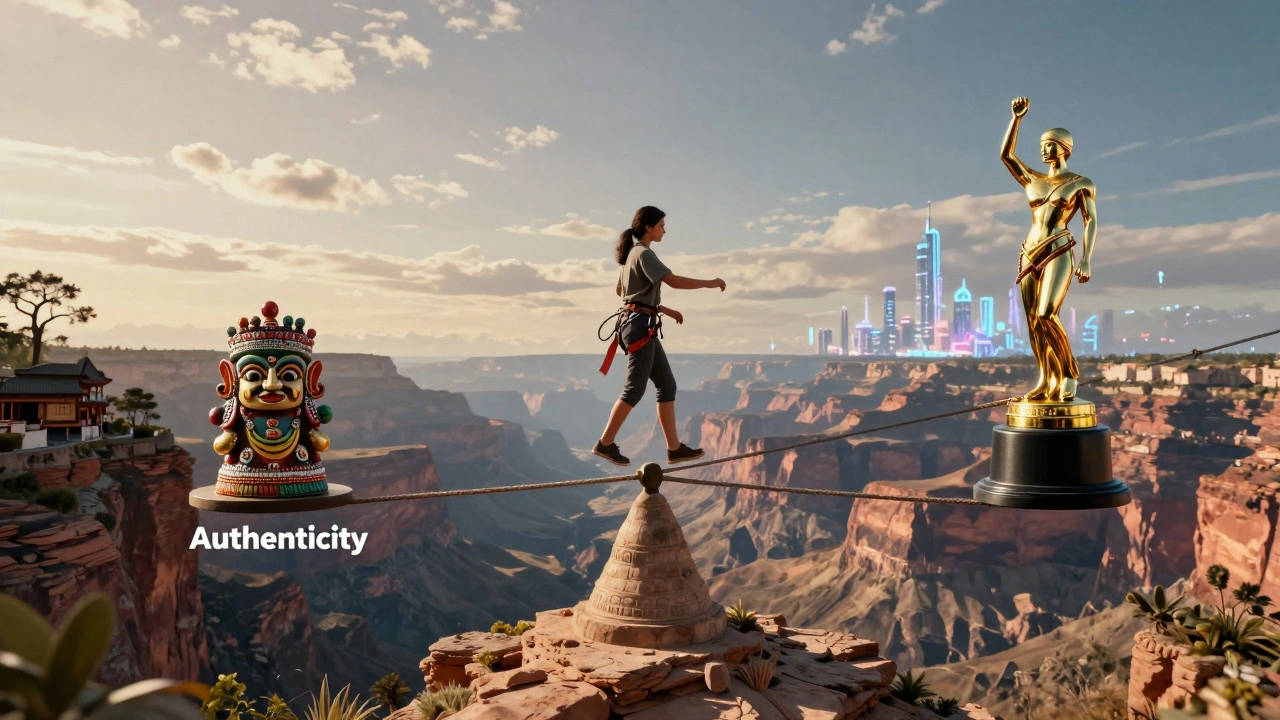
There is a danger here. As streamers figure out the "recipe" for a global hit, there's a risk that local stories will start to feel like "Hollywood films in translation." We are seeing a trend where local creators are pressured to follow certain structural beats-more action, faster pacing, and simplified plots-to ensure the show travels well. This can lead to a loss of the very authenticity that made these shows successful in the first place.
When a story is tailored too heavily for a global audience, it loses its "edge." The magic of Parasite (though a theatrical release, it set the blueprint) was its unapologetic Korean-ness. If it had been written to please a focus group in Ohio, it wouldn't have won the Oscar. Streamers are currently walking a tightrope between maintaining cultural specificity and ensuring broad accessibility.
Why are non-English shows suddenly so popular?
It is a combination of better accessibility (high-quality dubbing and subtitles) and algorithmic distribution. Streamers can now push a show to millions of people regardless of its origin, and audiences are more open to diverse storytelling than they were twenty years ago.
Do streamers prefer dubbing over subtitling?
Generally, yes, for mass-market appeal. Dubbing removes the effort of reading and allows viewers to focus on the visuals, which typically leads to higher completion rates for casual viewers. However, subtitles remain the preference for "purists" and cinephiles.
How does a local show become a "Global Hit"?
It usually starts with a localized launch. If the data shows high engagement and "stickiness," the recommendation engine begins suggesting it to similar users in other regions. Once it hits a critical mass, social media amplifies the trend, turning it into a global phenomenon.
Does this strategy help local filmmakers?
Yes, it provides unprecedented budgets and a global stage. However, the trade-off is that the streaming platform often owns all the rights (Work For Hire), meaning the creators may not have the same long-term ownership they would in a traditional studio system.
What is the most important factor for a show to travel globally?
Universal themes. While the setting and language are local, the core emotional conflict-like the struggle for survival or the fight against corruption-must be something that a person in any country can relate to.
Next Steps for Content Creators
If you're a filmmaker looking to get picked up by a global streamer, don't try to make your story "international." Instead, make it as local and authentic as possible. The data shows that specific, honest portrayals of a particular place or culture are exactly what the algorithms are looking for to fill the gap in their libraries.
Focus on a strong, universal emotional core but wrap it in a unique cultural package. That is the current winning formula for the modern streaming era.



Comments(9)