Most indie films die quietly. Not because they’re bad, but because no one ever saw them. You spent months shooting on a shoestring, edited it in your living room, and now you’re staring at a Vimeo link wondering how to get people in the door. The truth? You don’t need a Netflix deal or a Cannes premiere. You need to show your film to the people who actually care-right where they live.
Why Geo-Targeted Ads Work for Indie Films
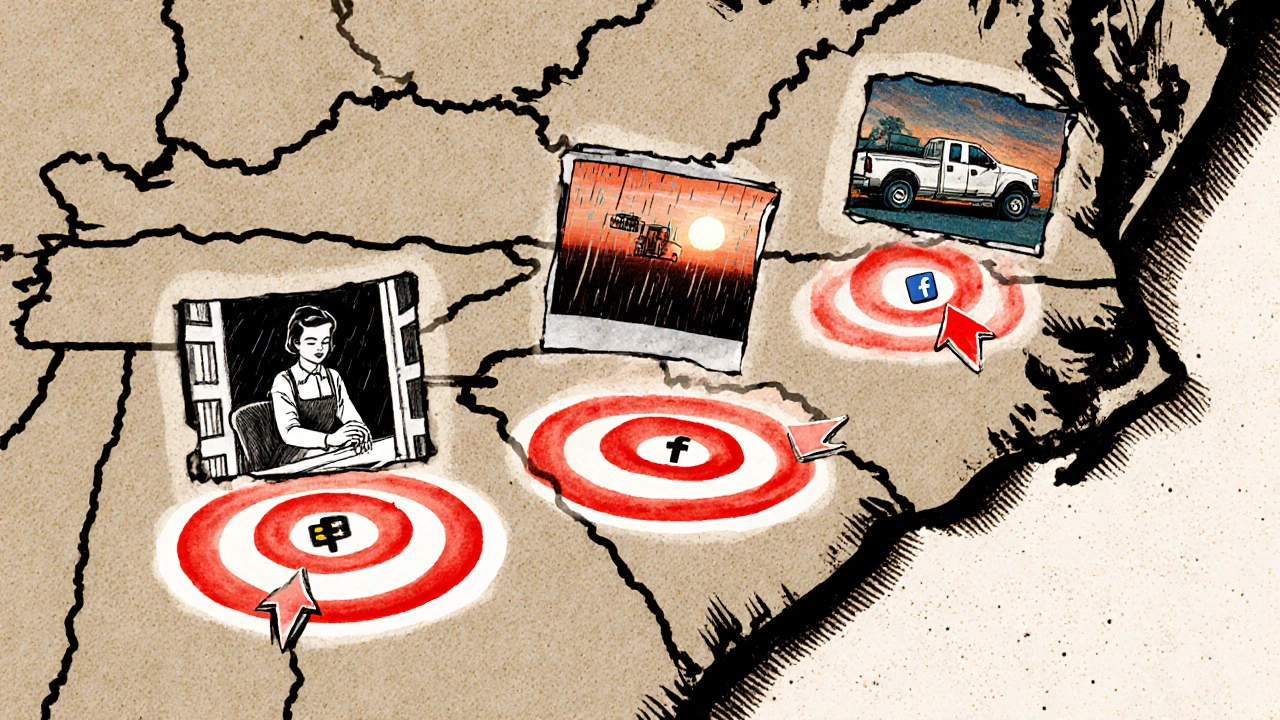
Big studios blast ads everywhere. You can’t compete with that. But you don’t have to. Geo-targeted ads let you focus your budget on specific cities, neighborhoods, or even zip codes where your film has the highest chance of connecting. If your movie is set in a small Appalachian town, target viewers within 50 miles of that location. If your lead actor is from Chicago, run ads in the neighborhoods where they grew up. People don’t just watch films-they connect with places, voices, and stories that feel familiar.
Facebook, Instagram, and YouTube allow you to target by location down to the street level. Google Ads lets you target people searching for ‘indie films near me’ or ‘movie theaters in [city]’. These aren’t just tools-they’re lifelines for filmmakers who can’t afford billboards or TV spots.
A 2024 study by the Independent Film & Television Alliance found that geo-targeted campaigns increased ticket sales for micro-budget films by 37% on average, compared to broad national campaigns. Why? Because people are more likely to show up if the ad feels like it was made for them.
Where to Run Your Ads
You don’t need to be everywhere. Pick two or three platforms and do them well.
- Facebook & Instagram: Best for targeting based on interests (e.g., ‘fans of Sundance films’, ‘people who follow local theaters’) and location. Use carousel ads to show stills, behind-the-scenes clips, and the theater map.
- YouTube: Run skippable ads before indie film reviews, local news segments, or documentaries. Target users who’ve watched films like yours in the past.
- Google Search Ads: Bid on keywords like ‘indie movie screening [city]’, ‘where to watch [film title]’, or ‘film festival near me’. These users are actively looking to see something.
- Nextdoor: Often overlooked, but gold for hyper-local outreach. People trust neighbors. Post your screening info there, and you’ll get word-of-mouth buzz that spreads faster than any paid ad.
Don’t waste money on TikTok unless your film has a viral hook-like a dance, a meme, or a wild behind-the-scenes moment. Most indie films don’t. Stick to platforms where people are already looking for movies.
How to Build Your Target Audience
Forget demographics. Focus on psychographics. Who are the people who would drive 45 minutes to see a film about a single mom running a diner in rural Tennessee? They’re not defined by age or income. They’re defined by values: community, authenticity, quiet resilience.
Start by listing the places your film lives in the cultural landscape:
- What festivals did you screen at? (Sundance, Tribeca, SXSW, local ones)
- Who are your similar films? (Look up titles on Letterboxd or IMDb with similar ratings and tags)
- What local events or causes does your film touch on? (Food insecurity, veteran reintegration, small-town decline)
Now, build audiences around those.
On Facebook Ads Manager, create a custom audience using:
- People who liked pages like ‘The Criterion Collection’, ‘Film Independent’, or your local arthouse cinema
- People who attended events at your city’s film society or library film nights
- People who live near the filming location and have shown interest in ‘independent cinema’ or ‘local history’
Use lookalike audiences based on people who bought tickets to your first screening. You don’t need thousands of sales-just 50 to 100 to build a strong lookalike group.
Timing Matters More Than Budget
Running ads for three months before your premiere? That’s a waste. You’ll burn through your budget and lose momentum.
The sweet spot? Two weeks before your first screening. That’s when people start thinking, ‘What’s on this weekend?’
Here’s the rhythm:
- Week 3 before: Tease the film. Post a 15-second clip with the tagline and date. Use a simple ad: ‘A film made in [town]. Screening in [city] on [date].’
- Week 2: Launch geo-targeted ads. Focus on 3-5 key cities. Spend $15-$25 per day. Use dynamic ads that change based on location-show the theater nearest to them.
- Week 1: Push ticket links. Run retargeting ads to people who clicked but didn’t buy. Offer a ‘bring a friend free’ deal for the first 20 tickets sold.
- Day of: Post a live video from the theater lobby. Show the crowd. Let people feel they’re part of something real.
One filmmaker in Portland ran a $300 campaign over 10 days. Sold out two screenings. The cost per ticket? $7.50. A national ad buy would’ve cost ten times more for half the turnout.
What Not to Do
Here are the three biggest mistakes indie filmmakers make with geo-targeted ads:
- Targeting too wide: ‘All of California’ won’t work. Focus on 5-10 cities where you have real ties-where you shot, where your cast lives, where your festival screenings happened.
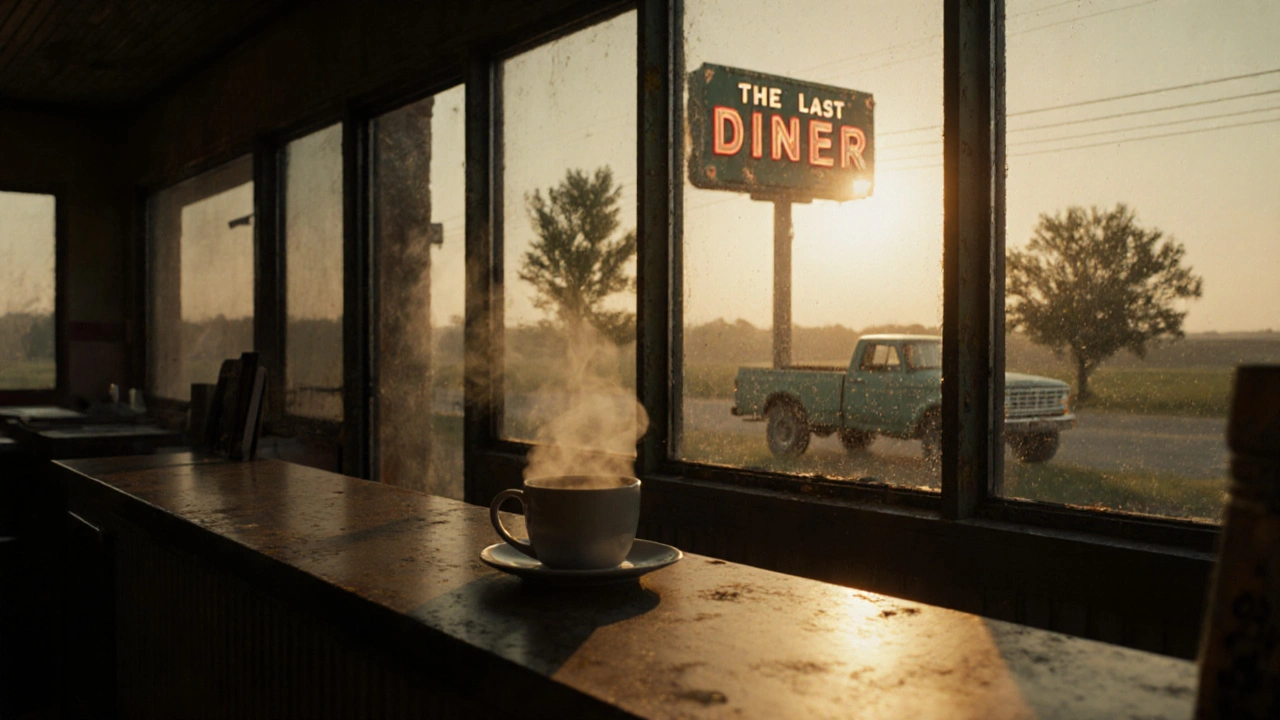
- Using generic images: Don’t use the poster. Use a real moment from the film-a character laughing, rain on a window, a hand holding a coffee cup. People connect with emotion, not logos.
- Not tracking results: Use UTM parameters on every link. Know which city drove the most sales. If your ad in Asheville got 20 ticket sales and your ad in Raleigh got 2, kill Raleigh and double down on Asheville.
Also, avoid using influencers unless they’re local. A TikTok star with 500K followers won’t help if none of their fans live near your theater. A local bookstore owner with 2,000 followers who posts about your film? That’s gold.

Real Example: ‘The Last Diner’
‘The Last Diner’ was shot in a closed-down diner in rural North Carolina. The director had $1,200 for marketing. She didn’t run ads in New York or LA. She targeted:
- People within 30 miles of the actual diner location
- People who followed local history pages
- People who bought tickets to ‘Fried Green Tomatoes’ or ‘Moonlight’ on Eventbrite
She ran 12 ads over two weeks. Each ad showed a different photo from the film-empty booths, a waitress wiping a counter, a truck pulling up at dawn. The caption always said: ‘This place still exists. Come see it before it’s gone.’
She sold 147 tickets across 7 screenings. All in towns under 20,000 people. Her cost per ticket? $8.16. She made back her budget in the first week. And she got a local news feature because the theater owner said, ‘We haven’t had a crowd like this since 2019.’
Your Next Steps
You don’t need a big team. You don’t need a studio. You just need to be smart about where you show up.
Here’s your checklist:
- Identify 3-5 key cities or towns tied to your film’s story, cast, or filming location.
- Choose 2 platforms-Facebook and Google Search are the safest starts.
- Write 3 ad variations: one emotional, one practical (showing dates/locations), one community-focused (‘Made by locals, for locals’).
- Set a daily budget of $15-$25. Run for 10-14 days before your first screening.
- Track every click. Use Bitly or UTM links to see what’s working.
- Ask every person who buys a ticket: ‘How did you hear about us?’ Write it down.
Geo-targeted ads aren’t magic. But they’re the closest thing indie filmmakers have to a superpower. Use them right, and your film won’t vanish into the void. It’ll find its people.
Do geo-targeted ads work for films with no big-name actors?
Yes-sometimes better. Without stars, your film relies on story, place, and emotion. Geo-targeted ads let you speak directly to people who care about those things. A film set in a small Appalachian town will find its audience in nearby counties, not in Los Angeles. The lack of stars becomes an advantage: it means your film feels real, and real stories connect with real places.
How much should I spend on geo-targeted ads for my indie film?
Start with $15-$25 per day for 10-14 days. That’s $150-$350 total. Most successful indie campaigns stay under $500. The goal isn’t to go viral-it’s to fill 50-100 seats. At $10 per ticket, that’s your break-even point. Any profit is bonus.
Can I use geo-targeted ads for virtual screenings?
Absolutely. Instead of targeting zip codes, target regions where your film has cultural relevance. If your movie is about a New Orleans jazz musician, target Louisiana, Mississippi, and parts of Texas. Use ad copy like ‘Stream from home-filmed in New Orleans’. Pair it with a local influencer or radio station to drive traffic. Virtual doesn’t mean global-it means intentional.
What’s the best time of year to run these ads?
Avoid summer and holidays. People are traveling. The best windows are September-October and January-February. That’s when people are looking for something new after the holiday rush or before the spring festival season. Also, align your ad launch with local events-like a farmers market, book fair, or art walk. People are already out and about.
Should I run ads for my film in multiple countries?
Only if your film has universal themes and you have a local partner overseas-like a film society or distributor. Otherwise, focus on one country. The cost of translation, cultural adaptation, and local platform rules isn’t worth it for a micro-budget film. Stick to where you can control the message and track results.
What to Do After Your Screening
Don’t stop when the lights come up. The real marketing happens after the credits roll.
Ask attendees to share a photo with your film’s poster or a quote from the movie. Use those in your next round of ads. Turn your audience into your sales team.
Send a thank-you email with a link to your film’s IMDb page, a request for a review, and a note: ‘If you know someone in [city], pass this along.’
Keep your geo-targeted ads running for another week-this time, retargeting everyone who visited your site or bought a ticket. Offer them a free digital copy or a discount on your next film. Build a list. That’s your real asset.
Indie film distribution isn’t about who has the biggest budget. It’s about who knows where their people are-and has the courage to show up there.



Comments(9)