Why does a Japanese horror movie feel so different from an American slasher? It isn’t just the monsters. It’s the light, the camera movement, and the way space is framed. When you watch international cinematography, which refers to the distinct visual languages developed by filmmakers across different cultures, you are seeing more than just technical choices. You are seeing history, philosophy, and social norms translated into light and shadow.
We often think of film as a universal language, but that’s only half true. The grammar of that language changes depending on where you are. A director in Mumbai uses color differently than a director in Berlin. A cameraperson in Seoul frames intimacy differently than one in Los Angeles. Understanding these differences doesn’t just make you a better critic; it helps you understand how culture shapes what we see and how we feel when we watch.
The Philosophy of Framing: East vs. West
One of the biggest divides in global cinema is how directors treat negative space. In Western cinema, particularly Hollywood, the frame is usually busy. We want to know who is talking, where they are looking, and what object they might grab next. This stems from a narrative tradition that values plot progression and character psychology above all else.
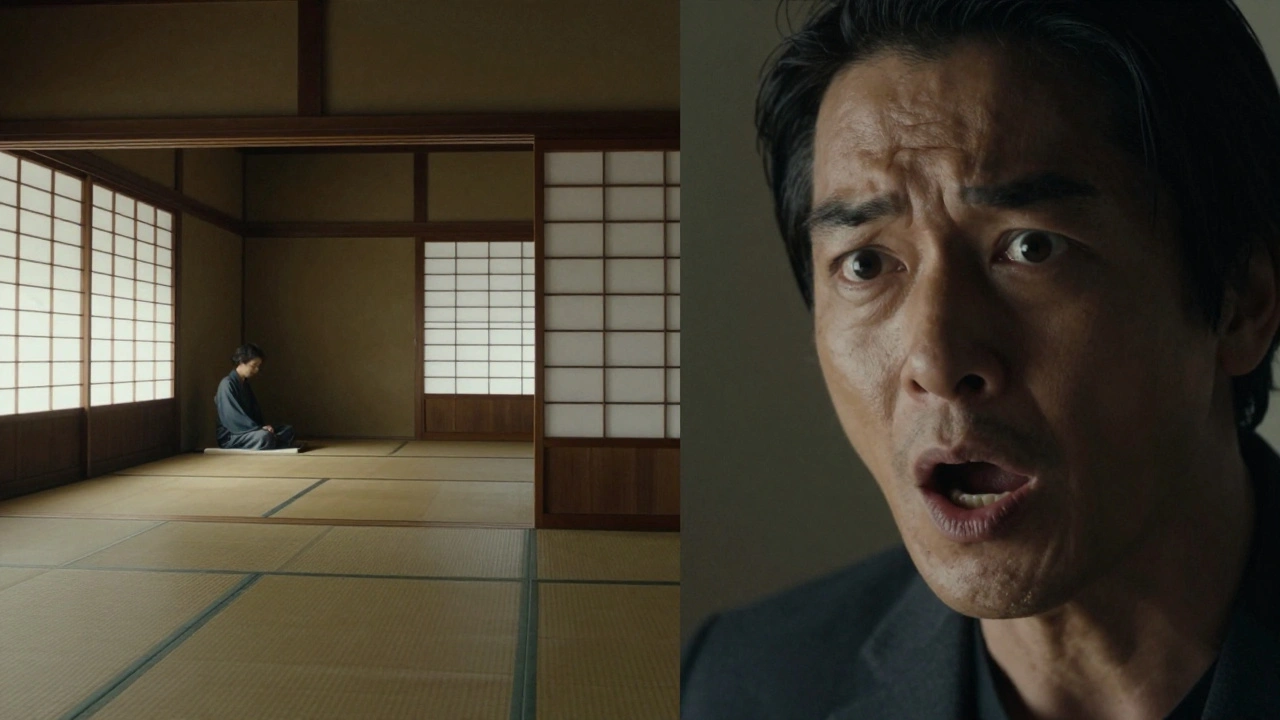
In contrast, many East Asian traditions, influenced by classical painting and calligraphy, embrace emptiness. Think about the films of Hiroshi Teshigahara, a Japanese filmmaker known for his minimalist aesthetic and use of static shots. In his work, characters often occupy a small corner of the screen while vast landscapes or empty rooms dominate the rest. This isn’t lazy framing; it’s intentional. It forces the audience to sit with the silence and contemplate the environment. The void becomes a character itself.
This approach contrasts sharply with the "rule of thirds" obsession in much of mainstream Western TV and film. While Western editors cut quickly to maintain pace, Eastern masters like Yasujirō Ozu, a legendary Japanese director famous for his tatami-shot perspective and family dramas used low-angle static shots that respected the viewer’s eye level, creating a sense of calm observation rather than aggressive intrusion.
Color as Narrative: From Bollywood Brightness to Nordic Grey
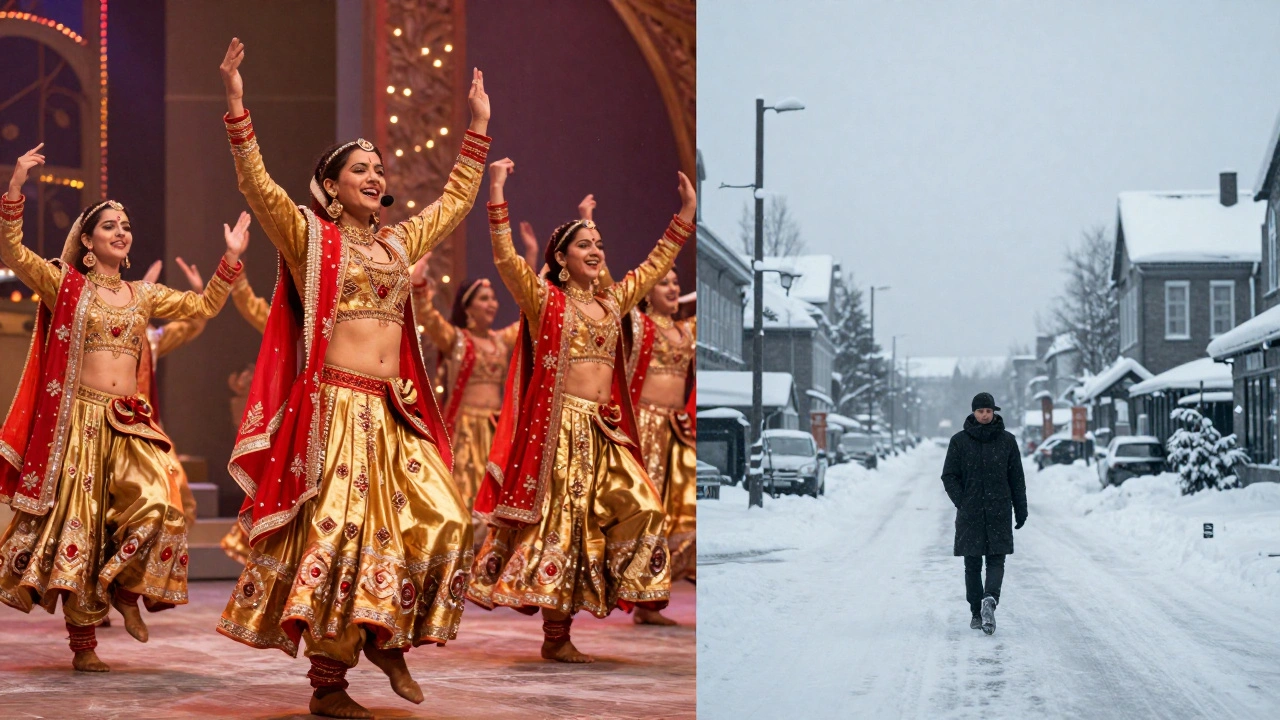
Color grading is often dismissed as a post-production trick, but internationally, it is a deep cultural signifier. If you’ve ever watched a Bollywood film, a major Indian film industry known for its vibrant musical numbers and saturated colors, you’ve seen color used to externalize emotion. Red isn’t just red; it’s passion, danger, and wedding ceremony all at once. The saturation levels are high because the emotional stakes are high. There is no hiding behind naturalism here. The visuals shout what the characters feel.
Now flip that to Scandinavian cinema. Directors like Roy Andersson, a Swedish filmmaker renowned for his surreal, tableau-style comedies often use muted, desaturated palettes. The greys and blues reflect the long winters and the philosophical stoicism associated with Nordic culture. But it’s not just about weather. It’s about restraint. In these films, a burst of bright color feels shocking, almost violent, because it breaks the established norm of subdued reality.
| Region | Dominant Palette | Cultural Influence | Example Style |
|---|---|---|---|
| India (Bollywood) | High Saturation, Warm | Festivals, Textiles, Emotional Expression | Vibrant Musical Numbers |
| Scandinavia | Desaturated, Cool Blues/Greys | Nordic Winter, Minimalist Design | Muted Realism |
| France (New Wave) | Naturalistic, Handheld Contrast | Existentialism, Street Life | Gritty Documentary Feel |
| USA (Hollywood) | Balanced, Teal/Orange Trend | Commercial Appeal, Clarity | Polished Spectacle |
The French New Wave: Breaking the Rules to Find Truth
You can’t talk about international styles without mentioning the revolution that started in Paris in the late 1950s. The French New Wave, a film movement led by directors like Jean-Luc Godard and François Truffaut that rejected traditional studio filmmaking changed everything. Before this, cinema was polished, lit perfectly, and edited invisibly. These young critics-turned-directors said, "No."
They used handheld cameras. They allowed jump cuts-where time seems to skip abruptly. They filmed on location in real streets, not soundstages. Why? Because they wanted authenticity. They believed that the rough edges of the image made the story more truthful. This style influenced every indie filmmaker who followed. If you see a modern movie that looks slightly shaky or uses natural light instead of studio lamps, you’re seeing the ghost of the French New Wave.
Key figures like Jean-Luc Godard, a pioneering French-Swiss film director and co-founder of the French New Wave didn’t just break rules; they questioned why the rules existed. He would have characters look directly at the camera, breaking the "fourth wall." This reminded audiences they were watching a constructed piece of art, not real life. It was a bold intellectual move that prioritized idea over immersion.
African Cinema: Storytelling Through Community
Cinematography in Africa is diverse, spanning 54 countries, but there are common threads related to community and oral tradition. Unlike the Western focus on the individual hero, many African films frame characters within their community. The camera often stays wider, showing the group reaction to an event, not just the single protagonist’s face.
Ousmane Sembène, a Senegalese writer and filmmaker known as the father of African cinema pioneered this approach. His films often blend documentary realism with theatrical staging. Because resources were sometimes limited, he relied on strong composition and meaningful gestures rather than expensive special effects. The lighting is often natural, reflecting the harsh sun or the warmth of communal fires. This creates a visceral connection to the land and the people living on it.
In contemporary African cinema, such as the works of Nairobi-based filmmakers, a group of Kenyan artists blending urban youth culture with traditional narratives, we see a hybrid style. They mix the fast-paced editing of music videos with slow, observational shots of daily life. This reflects the rapid modernization of cities like Nairobi and Lagos, where ancient traditions collide with digital age realities.
Latin American Magic Realism in Visuals
If literature has magical realism, so does cinema. Latin American filmmakers often blur the line between the mundane and the miraculous. This isn’t done with CGI explosions, but through subtle visual cues. A door might open to a landscape that shouldn’t be there. The lighting might shift inexplicably to suggest a spiritual presence.
Alejandro González Iñárritu, a Mexican filmmaker known for his complex narratives and immersive visual style uses long, unbroken takes to create a sense of continuous reality. In *Birdman*, the entire film appears to be one shot. This technique traps the audience in the character’s anxiety. There is no escape, no cutaway to breathe. It mirrors the relentless pressure of fame and ego.
Similarly, Alfonso Cuarón, a Academy Award-winning Mexican director known for his technical mastery and humanistic stories uses wide lenses and fluid camera movements to emphasize isolation. In *Gravity* or *Roma*, the camera glides effortlessly, but the subjects often feel alone. This juxtaposition of smooth technical perfection with emotional vulnerability is a hallmark of top-tier Latin American direction.
How to Train Your Eye for Global Styles
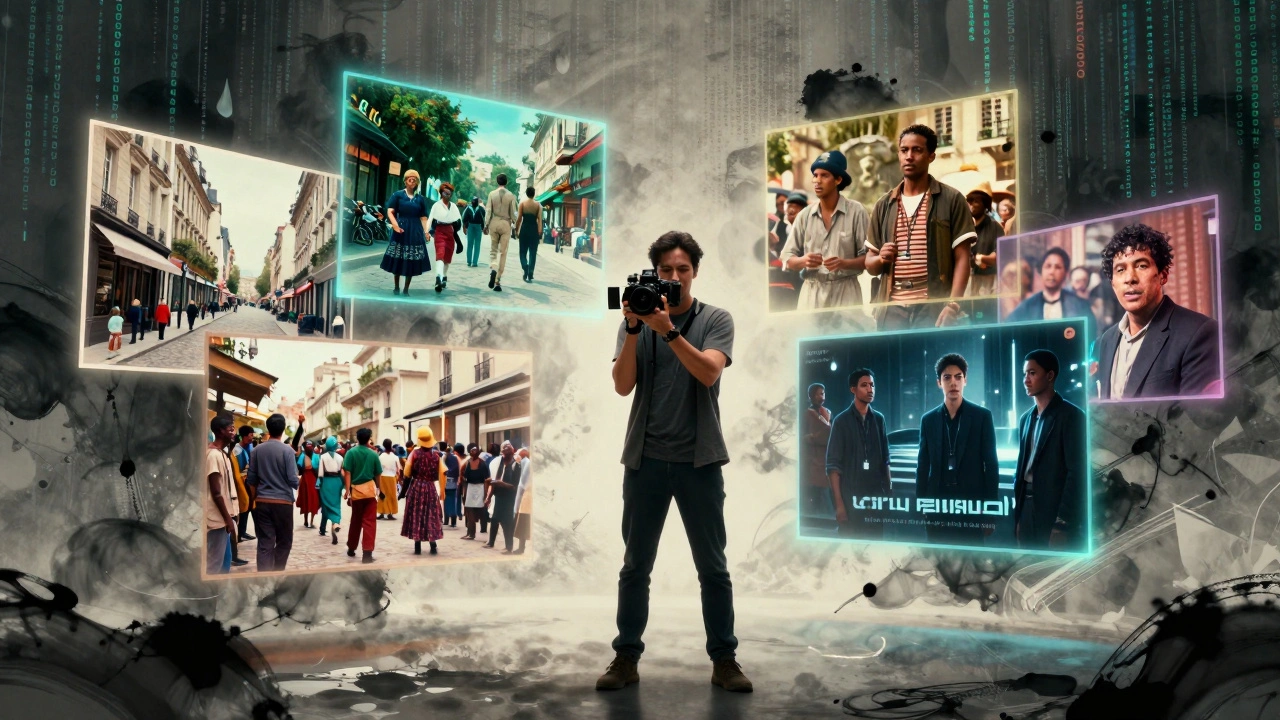
You don’t need a film degree to start noticing these differences. Here is a simple checklist for your next movie night:
- Watch the Edges: Is the frame tight on faces (Western/Hollywood) or wide including the environment (Asian/European)?
- Note the Light Source: Does the light come from practical sources like lamps and windows (Realism/French), or is it stylized and dramatic (German Expressionism/Bollywood)?
- Observe Camera Movement: Is the camera steady and invisible (Classical Hollywood), or handheld and shaky (Dogme 95/New Wave)?
- Check the Color Temperature: Are the tones warm and golden (Mediterranean/Indian) or cool and blue (Nordic/Sci-Fi)?
By asking these questions, you stop passively consuming content and start actively decoding the cultural message embedded in the pixels.
The Future: Hybridization in Streaming Era
Today, with streaming platforms distributing content globally, these styles are blending. A Korean thriller (*Squid Game*) uses the bright, pop-art colors of commercial design but retains the psychological tension of traditional Korean drama. A Nigerian sci-fi (*The Black Phone* influences aside, local productions like *King of Boys*) mixes local dialects with Hollywood-grade VFX.
The boundaries are dissolving. Directors are free to borrow from any tradition. However, the core cultural instincts remain. Even when a Chinese director makes a Hollywood blockbuster, you can often spot the influence of wuxia choreography or traditional ink-wash aesthetics in the background design. Recognizing these roots enriches the viewing experience, turning a simple movie into a window onto another world.
What is the most influential international cinematography style?
While subjective, the French New Wave is widely considered the most influential because it broke the rigid rules of studio filmmaking, introducing handheld cameras, natural light, and jump cuts. These techniques became standard in independent cinema worldwide.
How does Japanese cinematography differ from American?
Japanese cinematography often emphasizes negative space, static compositions, and vertical framing, influenced by traditional painting. American cinema typically favors dynamic camera movement, close-ups on facial expressions, and balanced, cluttered frames to drive plot momentum.
Why do Bollywood movies use such bright colors?
Bollywood uses high-saturation colors to externalize emotions and celebrate cultural vibrancy. Drawing from India’s rich textile traditions and festive atmosphere, the visual style aims to evoke joy, passion, and spectacle rather than strict realism.
What is Dogme 95?
Dogme 95 was a Danish film movement that demanded extreme realism. Filmmakers had to shoot on location, use handheld cameras, and forbid artificial lighting or special effects. It was a reaction against high-tech Hollywood spectacles.
How can I learn to analyze cinematography?
Start by watching scenes twice: once for the story, and once focusing only on lighting, camera angle, and color. Ask yourself why the director chose a wide shot versus a close-up. Reading interviews with cinematographers also provides insight into their creative decisions.