The Berlin Film Festival in 2025 delivered one of its most electric lineups in years, with audiences and critics alike buzzing over the Golden Bear winner and a handful of standout films that pushed boundaries in storytelling, visuals, and emotional depth. Held from February 13 to 23, the 75th edition of the Berlinale drew filmmakers, distributors, and cinephiles from over 100 countries to the heart of Berlin. This wasn’t just another festival-it was a statement.
Who Won the Golden Bear?
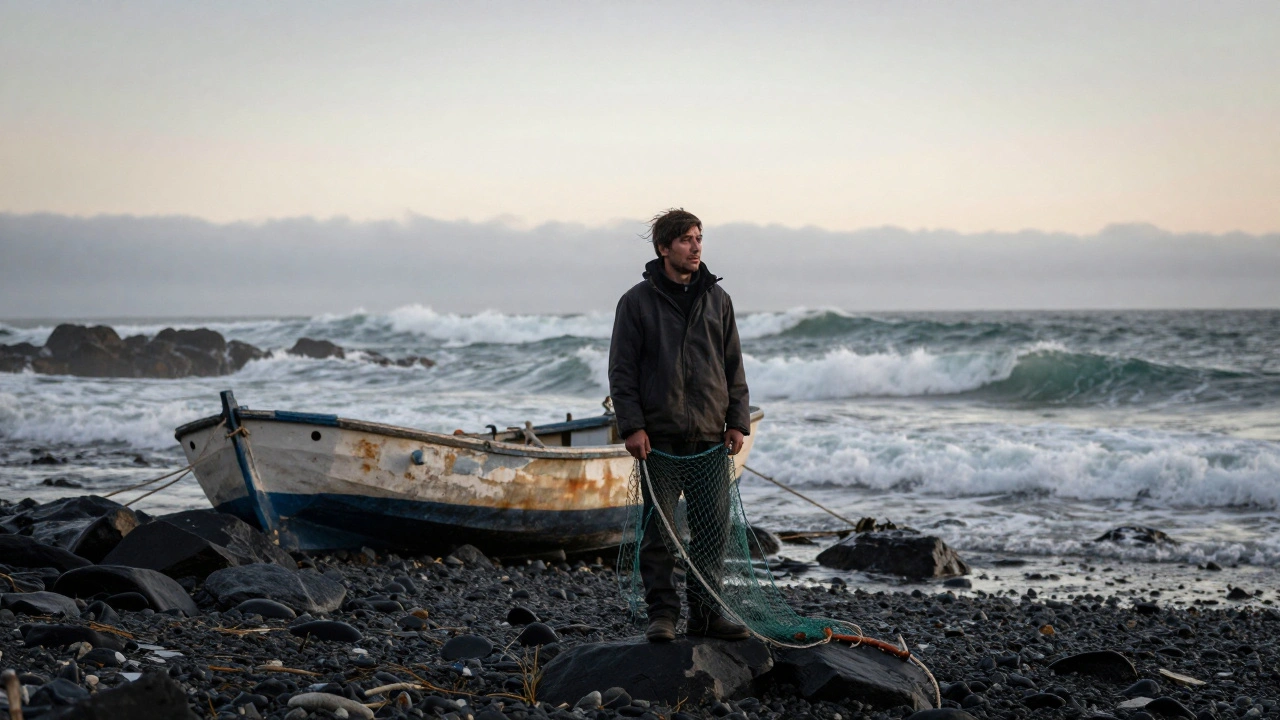
The top prize, the Golden Bear, went to "The Quiet Shore" by Chilean director Mariana Vargas. The film, a slow-burning drama set along the Patagonian coast, explores grief, silence, and the weight of inherited trauma through the eyes of a fisherman returning home after decades at sea. Vargas’s direction was praised for its restraint-no grand speeches, no manipulative music, just long takes of ocean waves and the quiet moments between people who don’t know how to speak to each other anymore.
The jury, led by French actress Marion Cotillard, called it "a masterpiece of emotional architecture." It beat out strong contenders from Japan, Sweden, and Nigeria, including a highly talked-about documentary about climate refugees in the Maldives. What set "The Quiet Shore" apart wasn’t its plot, but its texture. The sound design alone-wind, rustling nets, distant boat engines-became a character. It’s the kind of film that lingers long after the credits roll.
Best Films of Berlinale 2025
Beyond the Golden Bear, the festival had several films that stole hearts and sparked global conversations. Here are the ones that mattered most.
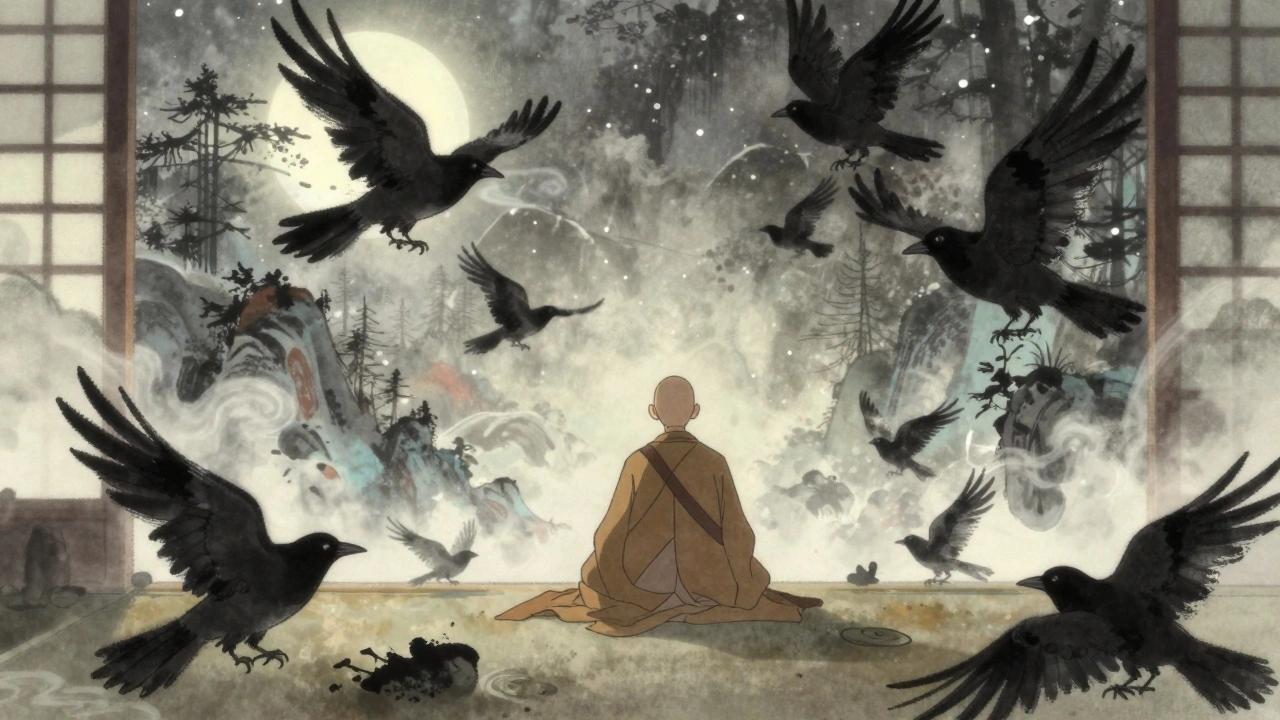
- "Crows in the Snow" (Japan) - A visually stunning animated feature blending traditional ink painting with AI-generated landscapes. It tells the story of a monk who communicates with extinct birds through dreams. Critics called it "the most beautiful film you’ll never see in a theater." It won the Grand Jury Prize.
- "The Last Market" (Nigeria) - Set in Lagos, this gritty, handheld drama follows a street vendor trying to keep her family alive after a government crackdown on informal trade. Shot in real locations with non-professional actors, it felt like a documentary that refused to look away. It took home the Silver Bear for Best Screenplay.
- "Echoes of the Ice" (Sweden) - A haunting sci-fi parable about a scientist who discovers a frozen voice recording from 2047-speaking directly to her. The film’s use of ambient sound and glacial visuals created an eerie, hypnotic atmosphere. It won Best Cinematography.
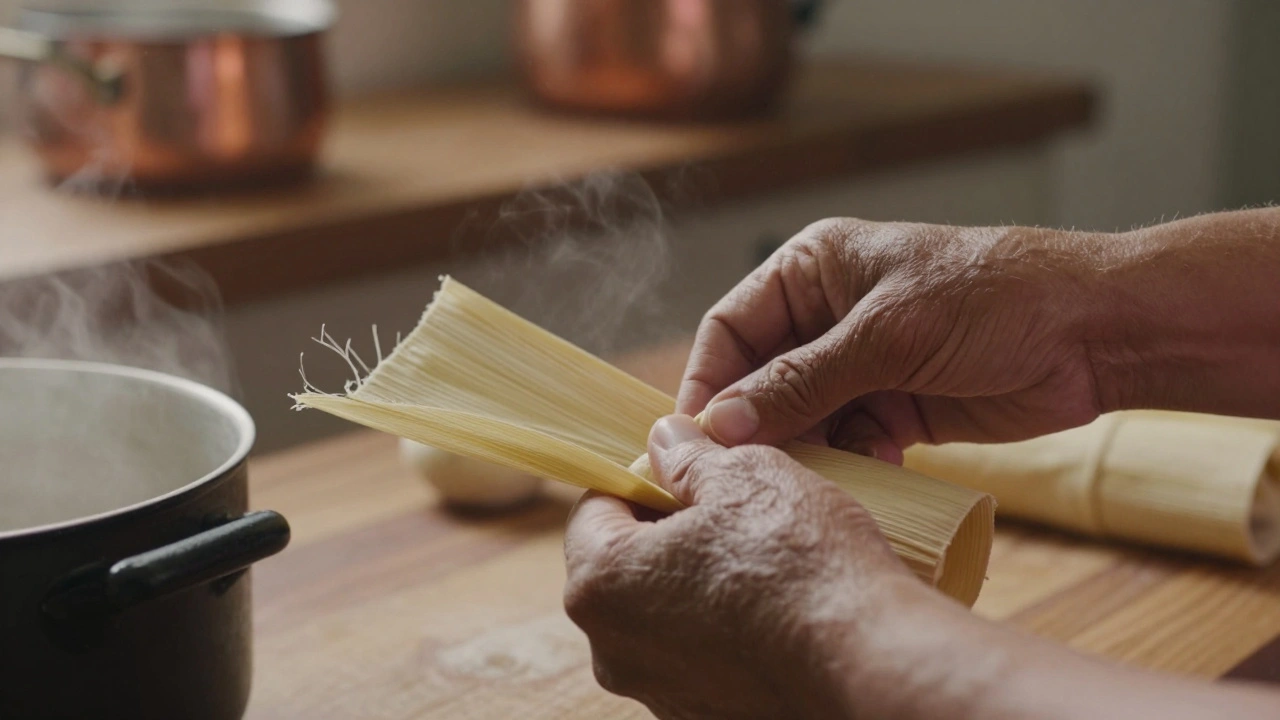
- "Mama’s Hands" (Mexico) - A tender, two-hander between a mother and daughter reconnecting over a single day of making tamales. No flashbacks, no music, just hands-wrinkled, calloused, gentle-working dough, seasoning, wrapping. It won the Audience Award and sparked a wave of social media posts with people sharing their own family recipes.
These films didn’t just entertain-they asked questions. About silence. About loss. About who gets to be seen. And they did it without relying on explosions, CGI, or celebrity cameos.
What Made Berlinale 2025 Different?
This year felt like a pivot. After years of festival fatigue-where big studios dominated with franchise trailers and Oscar bait-Berlinale 2025 leaned hard into the margins. Nearly 60% of the films in competition were debut features. Over half were directed by women. And for the first time, the festival partnered with local community centers to screen films for free in neighborhoods outside the city center.
The programming team, led by artistic director Anna Kowalski, made it clear: this wasn’t about prestige. It was about presence. Films like "The Quiet Shore" and "The Last Market" weren’t chosen because they fit a mold. They were chosen because they refused to be ignored.
There was also a quiet revolution in how films were presented. No red carpets. No VIP lounges. Instead, there were open-air screenings with blankets and hot tea, and Q&As held in small theaters where audiences sat shoulder-to-shoulder with the filmmakers. One director from Papua New Guinea said, "For the first time, I didn’t feel like a guest. I felt like I belonged."
Why These Films Matter
These aren’t just awards. They’re signals. The Golden Bear going to a Chilean film with no English dialogue? That’s a rejection of Hollywood’s dominance. A Nigerian street vendor story winning screenplay? That’s a nod to stories told outside the studio system. A Japanese animated film using centuries-old techniques to tell a futuristic tale? That’s innovation rooted in tradition.
Each of these films was made on tight budgets, often with crews of five or six people. Many were funded through crowdfunding, grants, or personal savings. They didn’t have marketing teams. No trailers with orchestral swells. Just raw, honest work.
And that’s the real win. In a world where algorithms decide what we watch, Berlinale 2025 reminded us that cinema doesn’t need a billion-dollar budget to move us. Sometimes, it just needs a quiet moment, a pair of hands, or the sound of wind over water.
Where to Watch These Films
Most of the award-winning films from Berlinale 2025 are still in limited release. "The Quiet Shore" will hit select theaters in North America in late April. "Crows in the Snow" is streaming on MUBI starting March 20. "The Last Market" is available on Vimeo On Demand. "Echoes of the Ice" will be on Criterion Channel next month. And "Mama’s Hands"-which has no distributor yet-is being screened in indie theaters across the U.S. and Canada through grassroots efforts.
Don’t wait for Netflix. These films aren’t meant to be swallowed in a binge. They’re meant to be felt. One at a time. In silence. With space to breathe.
What’s Next for International Cinema?
The Berlinale 2025 results suggest a shift. Audiences are hungry for films that don’t talk down to them. They’re drawn to stories that don’t explain everything. And festivals are finally listening.
Next year’s Berlinale already has whispers of even more radical programming: films made entirely by AI-assisted indigenous storytellers, immersive audio-only narratives, and documentaries shot with smartphones in refugee camps. The gatekeepers are fading. The real voices are rising.
If you want to know where cinema is going, look beyond the Oscars. Look to Berlin. Look to the quiet shore. Look to the hands that keep making, even when no one’s watching.
Who won the Golden Bear at the Berlin Film Festival 2025?
The Golden Bear at the Berlin Film Festival 2025 was awarded to "The Quiet Shore," directed by Chilean filmmaker Mariana Vargas. The film is a minimalist drama set on the Patagonian coast, focusing on a fisherman returning home after decades at sea. It was praised for its emotional depth, sound design, and restrained storytelling.
What films were the most talked-about at Berlinale 2025?
Beyond the Golden Bear winner, the most talked-about films included "Crows in the Snow" (Japan), an animated masterpiece blending traditional ink art with AI; "The Last Market" (Nigeria), a raw, documentary-style drama about informal trade; "Echoes of the Ice" (Sweden), a sci-fi meditation on time and memory; and "Mama’s Hands" (Mexico), a quiet story of motherhood told through the act of making tamales. All four received major awards and sparked global discussions.
Is the Berlin Film Festival still relevant in 2025?
Yes, more than ever. Berlinale 2025 proved its relevance by championing debut filmmakers, non-English language films, and stories from underrepresented regions. Unlike other festivals that lean on Hollywood stars, Berlinale prioritized authenticity over spectacle. Over half of the competition films were directed by women, and nearly 60% were first-time features. It’s now one of the few major festivals actively reshaping global cinema.
Where can I watch the best films from Berlinale 2025?
Most of the award-winning films are available through independent platforms. "The Quiet Shore" will release in U.S. theaters in late April. "Crows in the Snow" streams on MUBI starting March 20. "The Last Market" is on Vimeo On Demand. "Echoes of the Ice" joins Criterion Channel next month. "Mama’s Hands" is being screened in indie theaters across North America-check local listings or community cinema groups.
Why did "The Quiet Shore" win over bigger films?
It didn’t try to impress. It didn’t have a star-studded cast or flashy effects. Instead, it used silence, space, and everyday details to convey deep emotion. The jury said it "redefined cinematic empathy." In a year filled with loud, polished films, "The Quiet Shore" stood out because it trusted the audience to feel without being told how.




Comments(8)