Just ten years ago, a gay kiss in a film could get it banned in over 40 countries. Today, that number is dropping-fast. In 2024, Brazil lifted its decades-long ban on LGBTQ+ themes in schools and public media. In 2025, South Korea’s film board approved its first queer romantic drama without cuts for nationwide release. Even in places like Nigeria and Uganda, where anti-LGBTQ+ laws are still harsh, underground screenings and encrypted streaming platforms are growing. The censorship of LGBTQ+ films isn’t disappearing, but it’s cracking.
Where LGBTQ+ Films Are Still Banned
Some countries still treat LGBTQ+ stories as illegal content. Russia’s 2013 ‘gay propaganda’ law still blocks any media that portrays same-sex relationships as normal. In 2025, the film Love, Simon was pulled from all Russian theaters after a single complaint. Saudi Arabia doesn’t allow public screenings of any film with LGBTQ+ characters-even if they’re background figures. In Indonesia, the Ministry of Communication banned Heartstopper in 2024, calling it ‘contrary to cultural values.’
But the bans aren’t always official. In India, state-level censorship boards still cut scenes from films like Shubh Mangal Zyada Saavdhan (2020), even though the Supreme Court decriminalized homosexuality in 2018. In Egypt, filmmakers report being pressured to remove queer subtext or face arrest under vague ‘morality’ laws. These aren’t just government actions-they’re cultural enforcement.
How Streaming Changed Everything
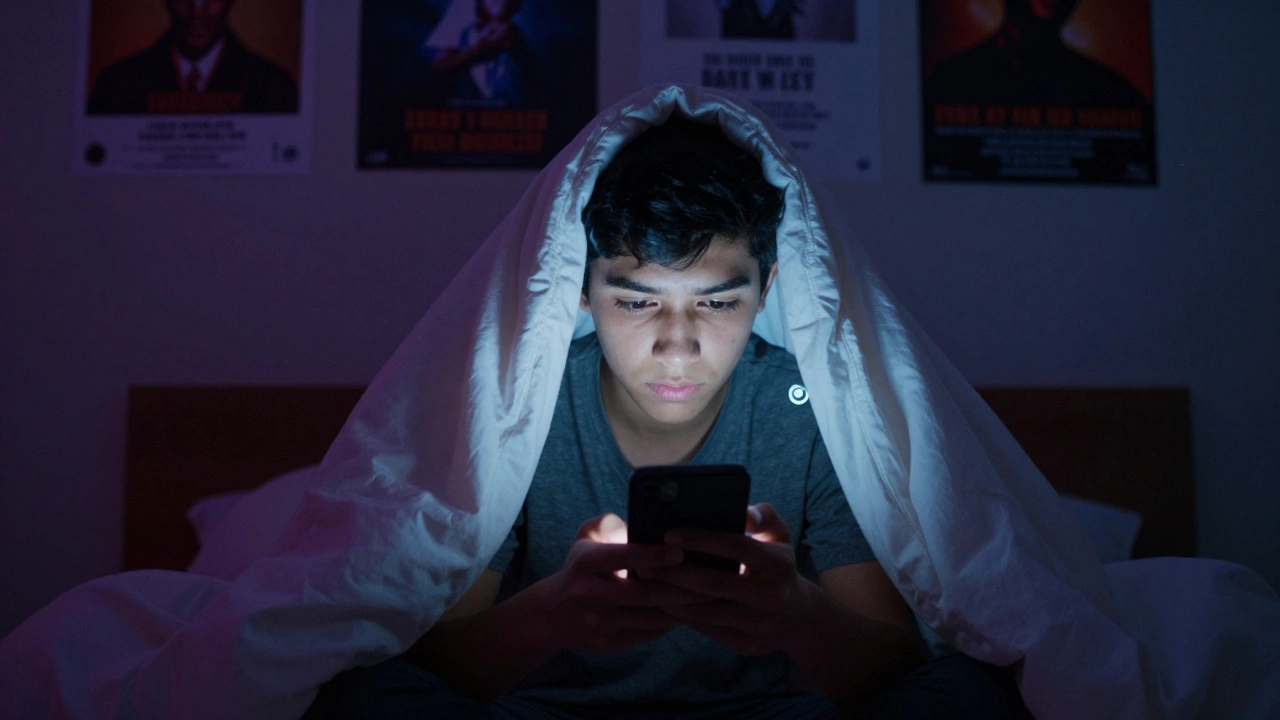
Before Netflix, Hulu, and Apple TV+, LGBTQ+ films were stuck in film festivals or tiny art-house theaters. Now, a teenager in Jakarta can watch Blue Valentine with subtitles on a phone, hidden behind a VPN. In 2023, Netflix reported that LGBTQ+ content in Southeast Asia had a 217% increase in viewership compared to 2020. In Turkey, where public screenings of queer films are banned, Netflix’s LGBTQ+ category became the most-searched genre among users aged 18-25.
Platforms aren’t perfect. In 2024, Amazon Prime removed Disclosure, a documentary about trans representation, from its Turkish library after government pressure. But the damage was done-copies were already downloaded, shared on Telegram, and screened in secret community spaces. Streaming didn’t end censorship, but it broke its monopoly. Now, governments can’t control what people watch-they can only try to block access, and that’s getting harder.
Local Filmmakers Are Fighting Back
It’s not just about streaming. Local directors are finding creative ways to tell stories without getting arrested. In Poland, where the government labels LGBTQ+ content as ‘ideology,’ filmmakers like Katarzyna Klimkiewicz started releasing short films as ‘educational videos’ on YouTube. They used school curriculum language to bypass filters. One film, My Name Is Not a Sin, was tagged as ‘Family Psychology: Gender Identity in Adolescence’-and got 3.2 million views in three months.
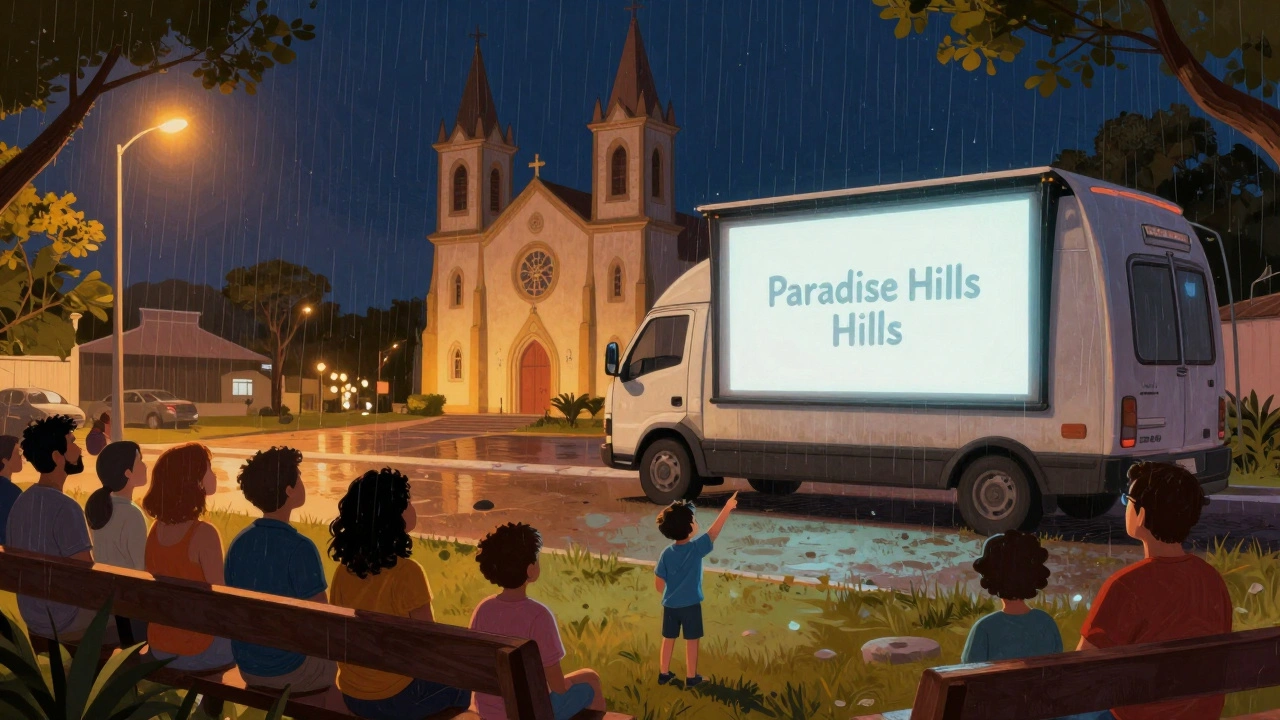
In the Philippines, where the Catholic Church still influences media policy, indie directors began releasing films on USB drives sold in markets. A 2025 survey by the Queer Film Collective found that 68% of LGBTQ+ youth in Manila had watched a banned film this way. In Brazil, after the government tried to ban Paradise Hills for ‘promoting gender confusion,’ a group of filmmakers turned it into a mobile cinema tour, showing it in churches, libraries, and even public buses.
International Pressure Is Working
Global activism is forcing change. In 2024, the European Union blocked a trade deal with Egypt over its censorship of LGBTQ+ films. In 2025, the UN Human Rights Council issued its first formal statement condemning state bans on queer cinema as violations of freedom of expression. That same year, the Cannes Film Festival refused to screen any film from countries that actively censor LGBTQ+ content.
Even corporate pressure matters. When Disney+ refused to remove LGBTQ+ scenes from its catalog in Malaysia, the government threatened to ban the platform. Instead of backing down, Disney partnered with local LGBTQ+ groups to create a ‘Viewer’s Guide’ explaining the cultural context of each film. The move didn’t stop the ban-but it sparked national debate. For the first time, Malaysian newspapers ran editorials asking: ‘Why are we afraid of stories?’
What’s Changed in the Last Five Years
Here’s what’s different now:
- 2021: 43 countries had active bans on LGBTQ+ films. By 2025, that dropped to 31.
- 2021: Only 2% of global box office revenue came from queer-themed films. In 2025, it was 8.7%-and growing.
- 2021: No major streaming platform had a dedicated LGBTQ+ section in the Middle East. By 2025, Netflix, Apple TV+, and Amazon all did.
- 2021: Only 11 countries allowed LGBTQ+ films in public schools. In 2025, 27 did.
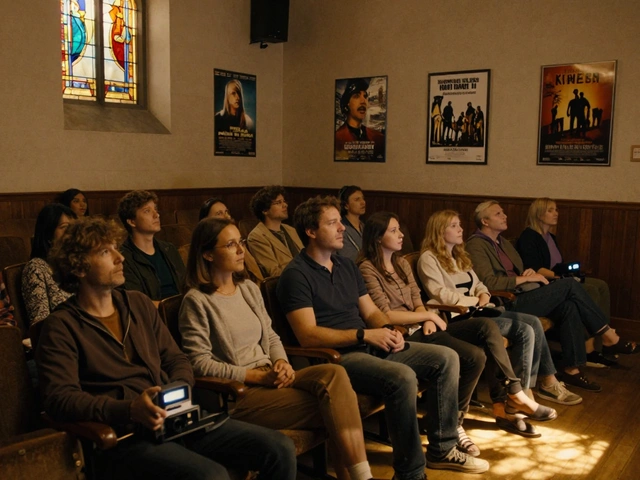
The biggest shift? The audience isn’t waiting for permission anymore. In Argentina, a 14-year-old girl livestreamed her screening of Call Me by Your Name with friends. The video went viral. The government didn’t punish her-they invited her to speak at a national film forum.
What’s Still at Risk
Progress isn’t linear. In Hungary, the government passed a law in 2024 requiring all films with LGBTQ+ content to carry a ‘Parental Advisory’ sticker-even if it’s a historical documentary. In Ghana, police raided a private screening of Portrait of a Lady on Fire and arrested the host. In China, LGBTQ+ films are still removed from platforms overnight without explanation.
And censorship is evolving. Instead of outright bans, many governments now use ‘delayed release’ tactics. A film might be approved for streaming-but only after 18 months. Or it’s allowed in cities but banned in rural areas. These are quiet forms of control, harder to protest, but just as damaging.
What Comes Next
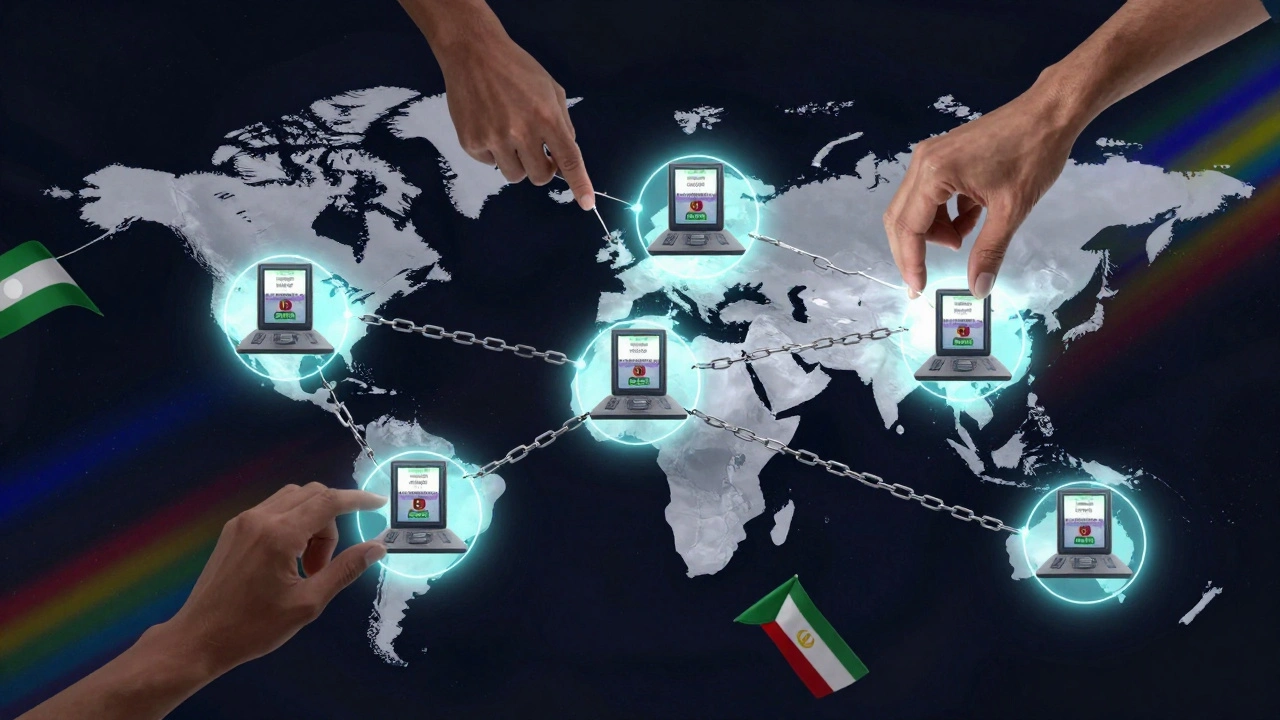
The next wave of change won’t come from governments. It’ll come from creators and viewers. In 2025, a group of filmmakers from Nigeria, Iran, and the U.S. launched FreeFrame, a decentralized network for sharing banned LGBTQ+ films. It uses blockchain to store copies across thousands of devices. No central server. No single point to shut down.
Meanwhile, younger audiences are rewriting the rules. In Mexico City, teens created a TikTok series called ‘Censored Scenes’-each video shows a banned moment from a film, then asks: ‘Why was this cut?’ The series has over 12 million views. And it’s starting to change how people think about stories, rights, and fear.
The fight isn’t over. But the balance of power has shifted. For the first time, the people watching these films are no longer passive victims of censorship. They’re the ones deciding what stories matter.
Are LGBTQ+ films still banned in most countries?
Not anymore. In 2021, 43 countries had active bans on LGBTQ+ films. By 2025, that number dropped to 31. While bans still exist in places like Russia, Saudi Arabia, and Uganda, the trend is clearly moving toward more access. Streaming platforms and grassroots movements are making it harder for governments to enforce these bans effectively.
How are filmmakers bypassing censorship?
Filmmakers are using creative workarounds: releasing films as ‘educational content,’ distributing them on USB drives, using encrypted apps like Telegram, and screening them in non-traditional spaces like buses and churches. Some are even hiding films inside other genres-like labeling a queer love story as a ‘family drama’ to avoid filters. Decentralized networks like FreeFrame are also emerging, storing copies across thousands of devices so no single government can shut them down.
Can streaming services be forced to remove LGBTQ+ content?
Yes, but it’s becoming harder. Governments have pressured platforms like Netflix and Amazon to remove content in countries like Turkey and Malaysia. But these companies are increasingly pushing back. Some now work with local LGBTQ+ groups to provide context instead of removing content. When they do remove films, copies often spread quickly through unofficial channels, making the bans symbolic rather than effective.
Why are LGBTQ+ films gaining popularity globally?
Because audiences are demanding them. In 2025, LGBTQ+ films made up 8.7% of global box office revenue-up from just 2% in 2021. Younger viewers, especially in Asia and Latin America, are using social media to organize watch parties and share banned films. These stories aren’t just about identity-they’re about universal emotions: love, fear, family, and belonging. That’s why they resonate across cultures.
Is international pressure helping?
Yes. In 2024, the European Union blocked a trade deal with Egypt over its film censorship. The UN has officially labeled these bans as violations of free expression. Film festivals like Cannes now refuse to screen films from countries that actively censor LGBTQ+ content. Corporate pressure from platforms like Disney and Netflix is also forcing governments to justify their bans publicly-something they used to avoid entirely.





Comments(5)