Before Hollywood became a global powerhouse, a parallel film industry was building itself in the shadows. In the early 1900s, Black audiences had nowhere to go. Mainstream movies either ignored them entirely or portrayed them with cruel, exaggerated stereotypes. So they made their own films. These were called race films - movies made by Black filmmakers, for Black audiences, with Black casts. They weren’t just entertainment. They were survival.
The Birth of Race Films
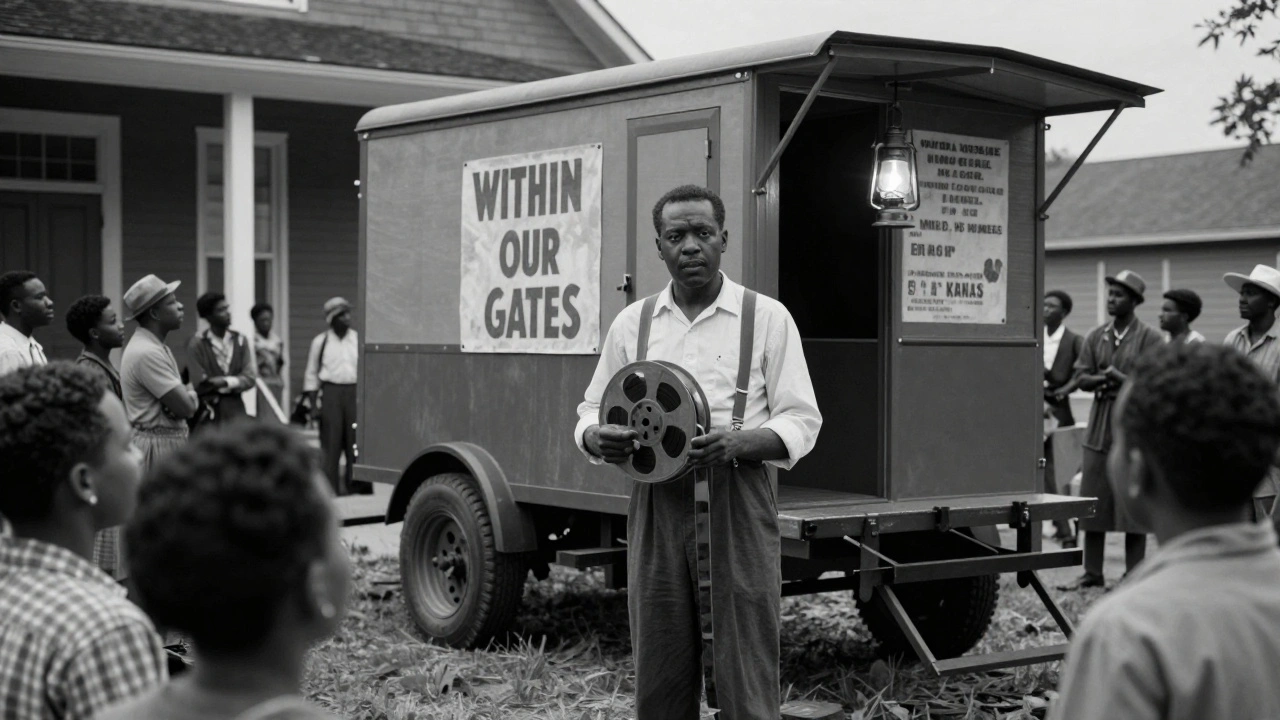
In 1915, Birth of a Nation a silent epic that glorified the Ku Klux Klan and dehumanized Black people with grotesque caricatures became a national sensation. Its success proved one thing: audiences would pay to see stories about race. But Black viewers were left with no choice but to sit through degradation. That’s when pioneers like Oscar Micheaux the first major African American feature film director stepped in. He made his first film, Within Our Gates, in 1920 as a direct rebuttal to Birth of a Nation. His stories showed Black families, ambition, love, and struggle - not minstrel shows.
Micheaux didn’t have studio backing. He raised money by selling shares door-to-door. He shot on location in Chicago and Kansas. His films were shown in Black churches, theaters, and even mobile units that traveled through the South. By the 1930s, he had produced over 40 films. Other Black producers followed: Emory Johnson a producer who focused on working-class Black life, and Madame C.J. Walker the haircare entrepreneur who funded Black films as a form of cultural investment. These weren’t just movies. They were community projects.
From Segregation to Integration
By the 1940s, Hollywood started to take notice - but only when it was profitable. Stormy Weather a 1943 musical featuring Lena Horne and Bill Robinson was one of the first major studio films with an all-Black cast. It was a hit, but studios still refused to cast Black actors in lead roles outside of stereotypical servants or comic relief. Dorothy Dandridge the first Black woman nominated for Best Actress at the Oscars broke ground in 1954 with Carmen Jones. She carried a mainstream film with dignity, but even she was denied the award. The industry wasn’t ready.
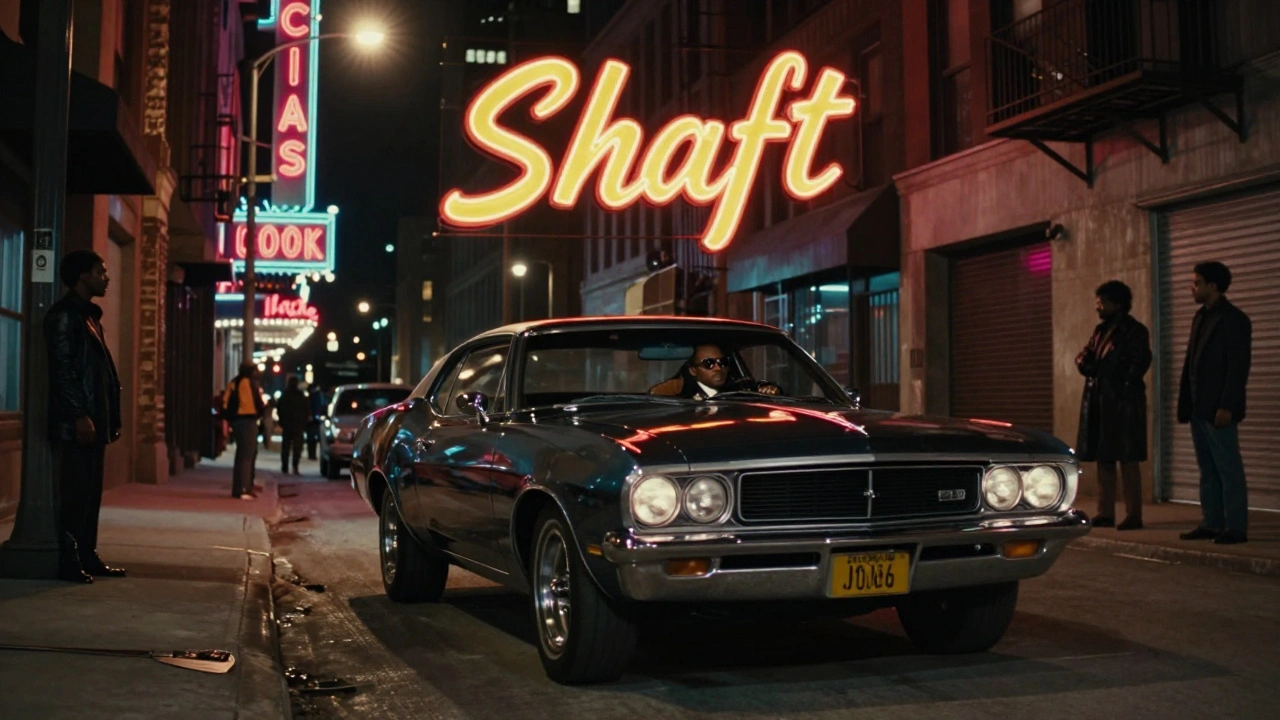
Meanwhile, independent filmmakers kept pushing. John Cassavetes a white director who collaborated with Black artists cast Raymond Green a lesser-known but vital Black actor in Cassavetes’ early films in leading roles long before it was common. The 1960s brought the Civil Rights Movement, and with it, a new wave of Black storytelling. Blaxploitation a genre of 1970s films featuring Black heroes, often in urban crime settings emerged - films like Shaft and Super Fly. They were criticized for their violence and stereotypes, but they also gave Black audiences heroes who fought back. For the first time, Black characters drove the plot, not just supported it.
The Rise of Black Directors
The 1980s and 1990s saw a quiet revolution. Spike Lee a filmmaker who brought Black stories into the mainstream with sharp social commentary exploded onto the scene with Do the Right Thing in 1989. He didn’t wait for permission. He raised $200,000 from friends and family, shot it in Brooklyn, and distributed it himself. The film sparked national debates about race, police, and identity. It wasn’t just a movie - it was an event.
Lee didn’t do it alone. Julie Dash the first Black woman to direct a feature film released in U.S. theaters made Daughters of the Dust in 1991, a poetic, visually stunning film about Gullah women in 1902. It was ignored by studios, but became a cult classic. She proved that Black stories didn’t need to be loud to be powerful.
By the 2000s, Black filmmakers were no longer outliers. Denzel Washington an actor who became a producer, creating space for Black stories behind the camera started producing films like The Great Debaters. Lee Daniels a director who brought raw, emotional Black narratives to the mainstream made Precious in 2009 - a film that won two Oscars and was praised for its unflinching look at poverty and abuse.
Modern Black Cinema
Today, Black cinema is not a niche. It’s a force. Get Out a 2017 horror film directed by Jordan Peele that became a cultural phenomenon grossed over $255 million worldwide. It wasn’t just a hit - it was a masterclass in using genre to expose racism. Black Panther a Marvel film with a predominantly Black cast and crew made $1.3 billion globally in 2018. It wasn’t just a superhero movie - it was a global celebration of African identity.
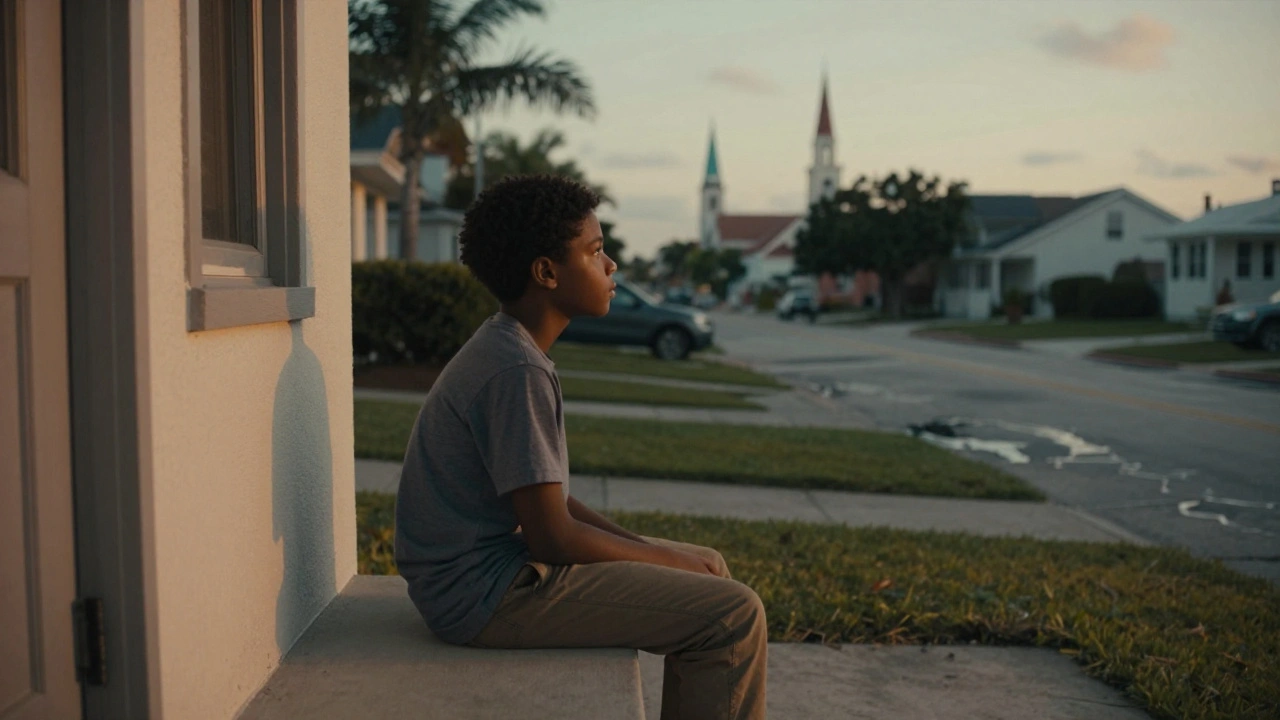
Streaming platforms like Netflix and Hulu have given Black creators new freedom. Issa Rae a writer and producer who created the groundbreaking series 'Insecure' built a show about Black women’s everyday lives - no trauma, no stereotypes, just realness. Barry Jenkins a director whose film 'Moonlight' won Best Picture at the Oscars made a quiet, poetic film about a Black boy growing up gay in Miami. It won the top prize - and changed what audiences thought a “Best Picture” could look like.
Black filmmakers now control their own distribution. They fund films through crowdfunding. They partner with independent theaters. They release films on YouTube. The old gatekeepers - studios, critics, investors - are no longer the only ones who decide what stories get told.
Legacy and Impact
From the silent films of Oscar Micheaux to the Oscar wins of Barry Jenkins, African American film history is not a side story. It’s the backbone of American cinema. Black filmmakers didn’t just want to be seen. They wanted to define themselves. They didn’t just want roles - they wanted authorship.
Today’s Black directors don’t work in isolation. They build networks. They mentor young filmmakers. They fund film schools in underserved communities. The Black Film Center & Archive a major repository at Indiana University preserving over 1,200 race films now holds the largest collection of early Black cinema in the world.
The journey wasn’t linear. There were setbacks. There were compromises. But every time a Black filmmaker picked up a camera, they changed the game. They didn’t wait for permission. They made the space.
What’s Next?
The future of Black cinema isn’t just about more films. It’s about control. Who owns the rights? Who gets the profits? Who decides what stories are worth telling? Today, Black creators are forming their own studios, investing in distribution, and building platforms that don’t rely on Hollywood’s approval.
One thing is clear: African American film history isn’t over. It’s just getting started.





Comments(10)