For decades, the silver screen told a story that wasn't yours. If you weren't part of the dominant culture in Hollywood or major European hubs, your narrative was often filtered through an outsider’s lens, stripped of nuance, or reduced to a stereotype. But something shifted recently. Indigenous filmmakers are no longer just asking for a seat at the table; they are building their own tables, setting the menu, and inviting the world to sit down and listen. This isn't just about diversity quotas. It is a fundamental change in how stories are sourced, funded, and consumed across international cinema.
The movement is visible in award shows, streaming platforms, and festival lineups. From the Andes to the Arctic Circle, directors are using their cameras to preserve languages, challenge historical narratives, and create art that resonates universally because it is rooted specifically in local truth. Let's look at how this shift is happening and why it matters more than ever in 2026.
The Power of Authentic Perspective
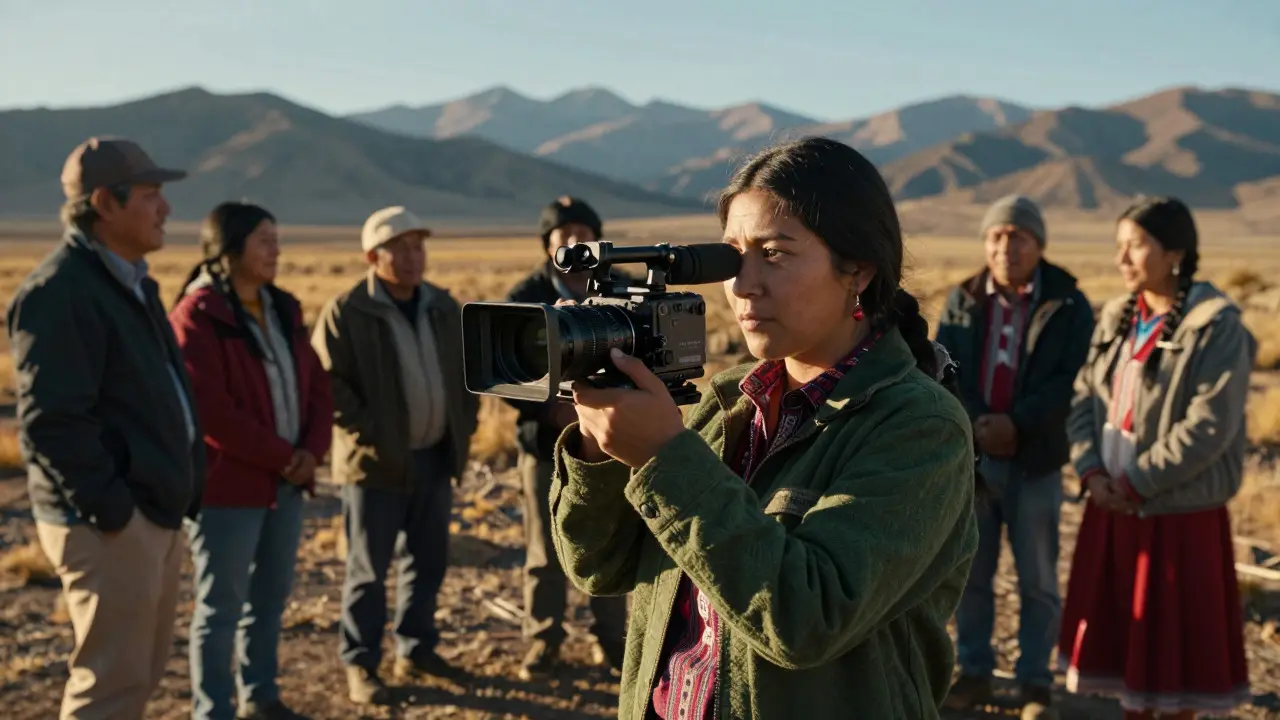
Why does who holds the camera matter? Because perspective shapes reality on screen. When a non-Indigenous director tells a story about Indigenous life, the result often feels like an anthropological study rather than a lived experience. The pacing, the humor, the spiritual context-these details get lost in translation. Indigenous filmmakers bring what scholars call "epistemic authority." They know which words carry weight in their specific dialects. They understand the visual language of their landscapes. They know when silence speaks louder than dialogue.
This authenticity creates a deeper emotional connection with audiences worldwide. Viewers aren't just watching a character struggle; they are witnessing a culture navigate modernity while holding onto ancient roots. This duality is universal. Everyone relates to the tension between tradition and progress. By grounding that tension in specific, real-world contexts, these films achieve a level of specificity that feels paradoxically more relatable than generic blockbusters.
Breaking Through Funding Barriers
Getting a film made is hard. Getting an Indigenous film made is historically harder. Major studios often viewed these projects as "niche" or "risky." But the landscape has changed dramatically over the last five years. Independent production companies and public broadcasters have started recognizing that "local" stories can have "global" reach. Grants from organizations dedicated to preserving cultural heritage have become more substantial. Crowdfunding platforms also play a role, allowing communities to back their own storytellers directly.
However, funding isn't just about money; it's about control. Many Indigenous filmmakers now form their own production houses. This ensures that post-production rights remain within the community. It prevents the common pitfall where a studio funds the shoot but then takes creative control during editing, altering the message to suit mainstream tastes. Owning the pipeline from script to distribution is crucial for maintaining integrity.
| Aspect | Traditional Studio Model | Indigenous-Led Model |
|---|---|---|
| Creative Control | Shared with producers/studio | Retained by community/director |
| Funding Source | Major Studios/Investors | Grants/Crowdfunding/Co-pros |
| Language Use | Often dubbed/subtitled only | Original language preserved |
| Distribution Focus | Global mass market | Community + International Festivals |
The Role of International Festivals
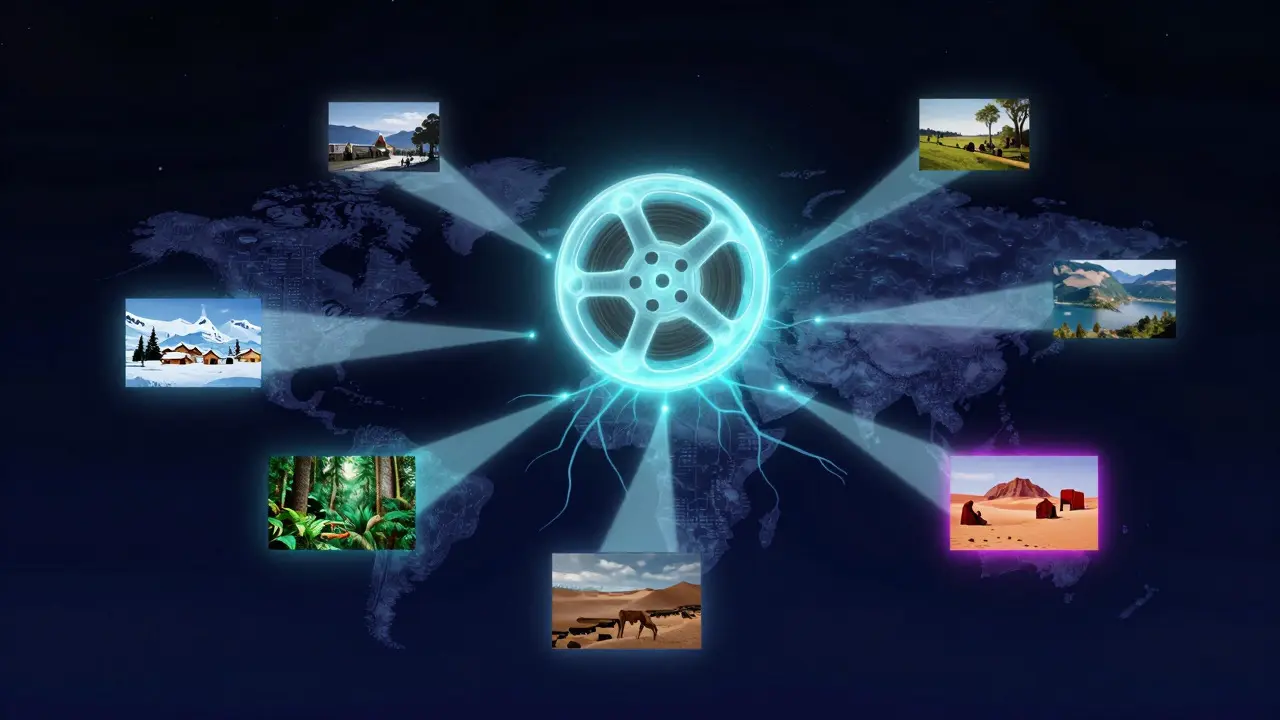
Festivals like Cannes, Venice, Toronto, and Sundance have become critical launchpads. These events don't just show films; they sell them. A strong showing at a top-tier festival can secure distribution deals for North America, Europe, and Asia simultaneously. For Indigenous filmmakers, festivals offer a space where critics and distributors are actively looking for fresh voices. The "discovery" phase happens here. A film might start with a small audience in a side section but gain momentum through word-of-mouth and critical acclaim, leading to wider releases.
Moreover, these festivals provide networking opportunities. Directors meet cinematographers, sound designers, and editors who share their vision. They connect with other Indigenous artists from different continents, creating a global network of support. This cross-pollination helps raise the technical quality of productions while keeping the cultural core intact.
Technology as a Bridge
You don't need a massive budget to tell a powerful story anymore. Advances in digital filmmaking technology have lowered the barrier to entry significantly. High-quality cameras are affordable. Editing software is accessible. Drones allow filmmakers to capture vast landscapes without expensive helicopter rentals. Social media lets them build an audience before the film even premieres. A director in rural Australia or remote Canada can now produce a feature film with professional polish and distribute it directly to viewers via streaming platforms.
This technological democratization means that the gatekeepers are no longer just the big studios. Audiences can discover new voices through YouTube trailers, Instagram reels, and direct-to-consumer streaming services. This bypasses traditional marketing channels, allowing the story itself to be the primary driver of interest.

Challenges That Remain
It hasn't all been smooth sailing. Representation in leadership roles at major studios is still low. Language barriers can limit box office potential in non-English speaking markets if subtitles aren't handled well. There is also the risk of "tokenism," where one Indigenous film is celebrated, but the systemic issues preventing others from getting made remain unaddressed. Additionally, preserving sacred knowledge requires careful navigation. Not every aspect of a culture should be exposed to the global public eye. Filmmakers must balance openness with respect for privacy and protocol.
There is also the issue of archival access. Many historical records were kept by colonizers or missionaries. Accessing these archives can be bureaucratic and slow. Yet, many contemporary films use archival footage to bridge past and present, requiring diligent research and negotiation with institutions.
What This Means for the Future of Cinema
The rise of Indigenous filmmakers signals a broader trend toward decentralized storytelling. The center of gravity in global cinema is shifting from a single hub (Hollywood) to multiple nodes around the world. Audiences are hungry for authenticity. They want to see faces, hear voices, and feel emotions that haven't been homogenized by algorithmic trends. This movement enriches the global film canon, adding depth, texture, and diverse perspectives that make cinema a more complete mirror of human experience.
As we move further into the 2020s, expect to see more co-productions between Indigenous communities and international partners. Expect more original-language films finding wide audiences. The key takeaway is simple: when the people closest to the story tell it, the story lands harder. And in a world that often feels fragmented, that shared human connection is exactly what we need.
Why are Indigenous filmmakers gaining more attention now?
Several factors contribute to this surge: increased demand for authentic representation among global audiences, better access to funding through grants and crowdfunding, advancements in affordable filming technology, and a deliberate effort by major film festivals to diversify their lineups. This combination has created a supportive ecosystem for these stories to reach wider screens.
How do Indigenous films differ from mainstream movies?
The primary difference lies in perspective and pacing. Indigenous films often prioritize communal experiences over individual hero journeys, incorporate non-linear time structures, and use original languages without heavy dubbing. They focus on the relationship between people and land, offering a nuanced view of culture that avoids stereotypes found in older mainstream depictions.
Where can I watch these films?
Many recent titles are available on major streaming platforms like Netflix, MUBI, and Criterion Channel. Independent distributors also release select titles in theaters. Additionally, following specific Indigenous film festivals or cultural centers online can help you discover newer releases and documentaries that may not hit mainstream streaming services immediately.
Is the industry truly changing, or is it just a trend?
While trends come and go, the structural changes suggest a lasting shift. The establishment of independent production houses owned by Indigenous communities, the integration of these films into core festival sections rather than niche sidebars, and the growing audience base indicate sustainable growth. It is less about a temporary fad and more about a correction in how global cinema values diverse voices.
What challenges do these filmmakers still face?
Key challenges include securing consistent funding, navigating complex distribution rights, overcoming language barriers in non-local markets, and balancing cultural sensitivity with global appeal. There is also the ongoing need to fight against tokenism and ensure that success for one filmmaker leads to opportunities for many others in the community.