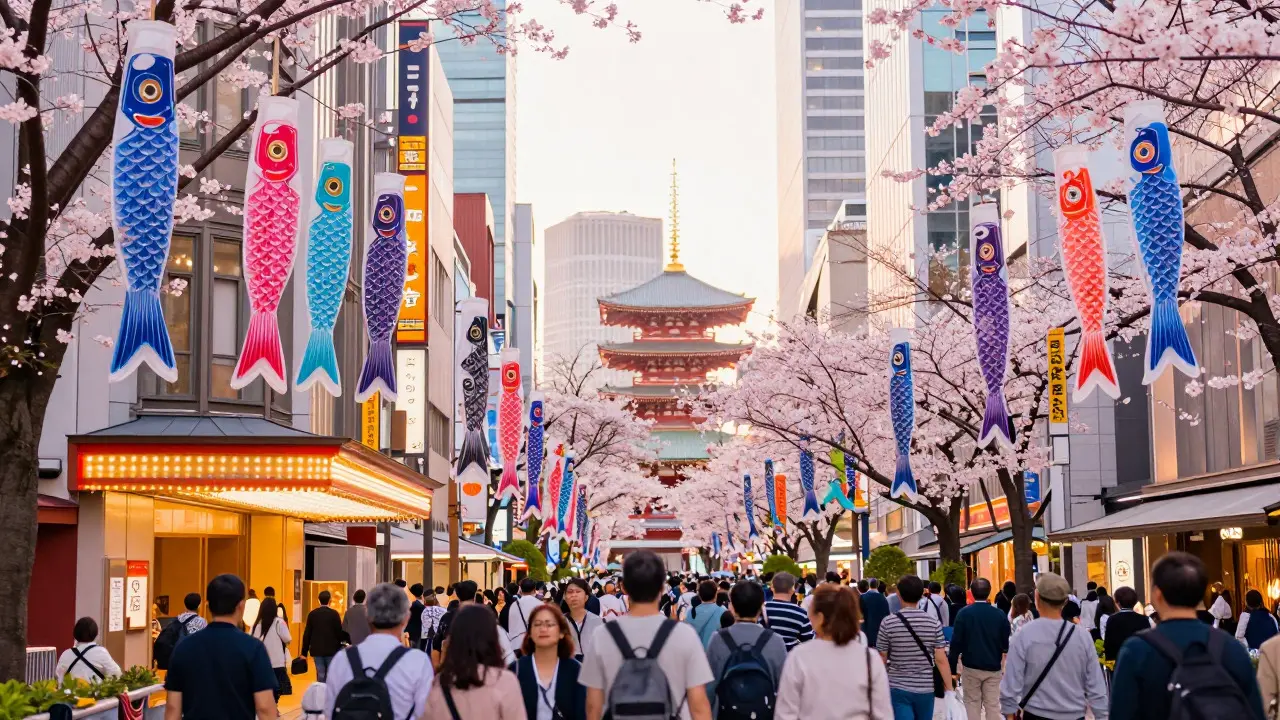
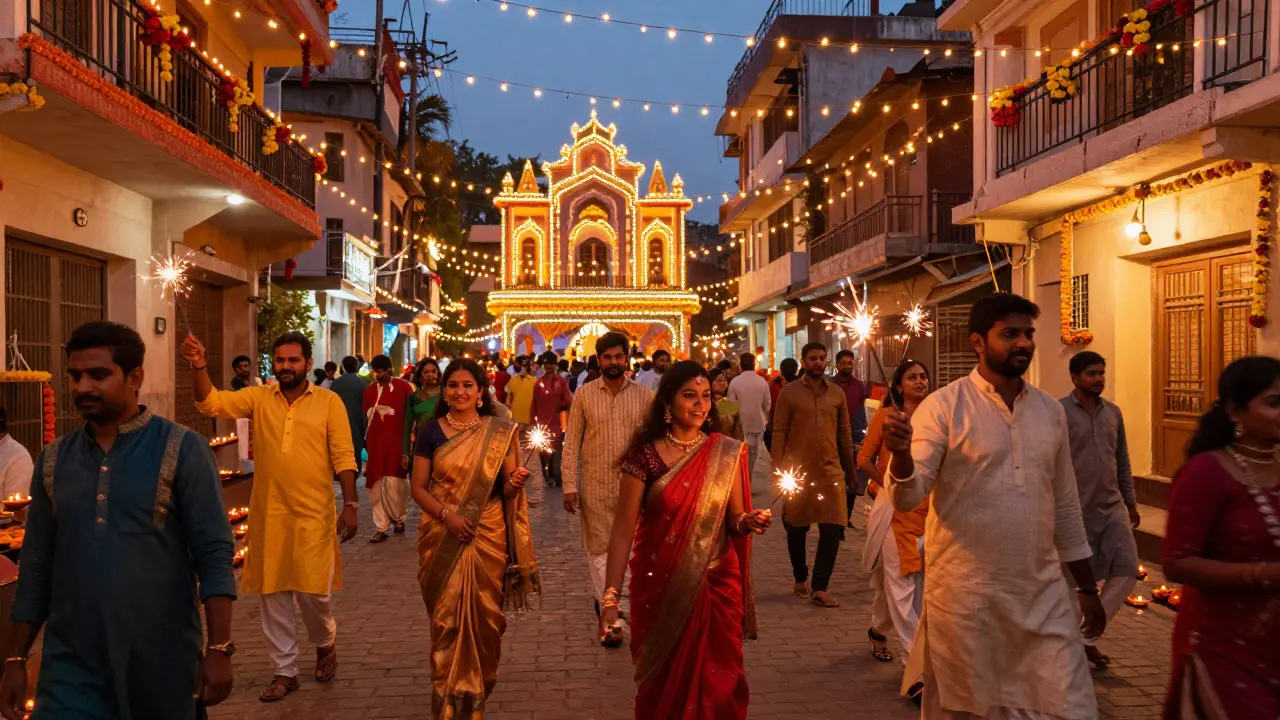
Picture this: It’s late October in Japan, and the streets are packed with families heading to the coast. In India, it’s mid-October, and the air smells of marigolds and fireworks as millions prepare for the festival of lights. In both cases, one thing is certain: movie theaters are about to make a killing. These aren't just random busy periods; they are the two most significant commercial windows for non-US cinema, driving billions in revenue and shaping release strategies worldwide.
Understanding why Golden Week and Diwali matter isn't just for studio executives. For fans, it explains why your favorite action blockbuster hits Japanese screens during a specific week, or why Bollywood's biggest budget films debut in November. These holidays create predictable surges in audience attendance that studios plan around months in advance. Let’s break down how these cultural events translate into hard cash at the box office.
The Power of Golden Week in Japan
Golden Week is a cluster of four national holidays in Japan occurring between April 29 and May 5, providing a long stretch of consecutive days off for workers. This period includes Showa Day, Constitution Memorial Day, Greenery Day, and Children’s Day. Because many Japanese companies give employees additional days off to bridge these dates, people often take five to seven days off work. This is prime vacation time.
For the film industry, this means a massive influx of domestic tourists and leisure seekers. Theaters capitalize on this by releasing high-profile titles-often big-budget anime, major Hollywood imports, or prestige dramas-that benefit from the extended viewing window. A movie released during Golden Week has a much longer tail than one released in a standard week because audiences have more free time to catch up on screenings.
- Duration: Typically 7-10 days of peak attendance.
- Key Demographic: Families, students, and working adults taking vacation.
- Revenue Impact: Can account for 15-20% of a film's total lifetime gross if timed correctly.
Studios like Toho and Kadokawa treat this window with religious precision. They often hold premieres on the first day to generate buzz, knowing that word-of-mouth will spread rapidly through social media over the following week. If a film underperforms in its first three days, it rarely recovers, making the opening weekend of Golden Week a critical litmus test.
Diwali: The Festival of Lights and Cinema
On the other side of the globe, Diwali is the Hindu festival of lights celebrated primarily in India and Nepal, marking the victory of good over evil and light over darkness. Falling between October and November, it is the most important commercial holiday in India. While traditionally associated with family gatherings and spiritual observance, it has evolved into a massive consumer event where entertainment plays a central role.
Bollywood and regional Indian film industries (like Tollywood and Kollywood) align their biggest releases with this period. The logic is simple: families are together, spending budgets are higher, and there is a cultural expectation to go out and celebrate. A film released during Diwali doesn't just compete with other movies; it competes with every other form of leisure activity for the attention of the entire nation.
| Feature | Golden Week (Japan) | Diwali (India) |
|---|---|---|
| Timing | April 29 - May 5 | October - November (varies by year) |
| Primary Audience | Vacationers, families, students | Families, diaspora, general public |
| Content Preference | High-quality drama, anime, major imports | Action, comedy, mass appeal spectacles |
| Marketing Focus | Prestige, awards buzz, critical acclaim | Star power, spectacle, emotional connection |
| Competitive Landscape | Intense but limited number of releases | Extremely crowded, multiple blockbusters competing |
Why Studios Bet Big on These Windows
You might wonder why studios don't just release big films whenever they're ready. The answer lies in predictability. Holiday windows offer a guaranteed baseline of foot traffic. Even a mediocre film can perform decently during Diwali simply because so many people are going to the movies regardless of the title. Conversely, a great film released outside these windows might struggle to find an audience due to lack of leisure time or competing obligations.
This predictability allows marketing teams to allocate budgets efficiently. Instead of trying to create demand from scratch, they amplify existing demand. For example, a major anime film in Japan will see its trailer views spike significantly in the weeks leading up to Golden Week. Similarly, Bollywood stars schedule promotional tours specifically to coincide with the pre-Diwali rush. The synergy between cultural habit and commercial strategy is tight.
There is also a psychological component. During Golden Week, Japanese audiences often seek escapist or culturally resonant content. Films that touch on themes of family, tradition, or national pride tend to resonate deeply. In India, Diwali films often carry messages of hope, unity, or triumph, mirroring the festival's core values. This thematic alignment boosts word-of-mouth recommendations, which are crucial for sustaining a film's run beyond the initial weekend.
The Role of Digital Platforms and Hybrid Models
In recent years, the landscape has shifted slightly with the rise of streaming services. However, rather than replacing theatrical releases, platforms like Netflix and Amazon Prime Video now leverage these holiday windows for their own exclusive premieres. A major anime series might drop on a streaming platform during Golden Week to capture the same audience energy. Similarly, OTT platforms in India release original content during Diwali to compete with theatrical options.
This creates a hybrid model where the "holiday effect" isn't limited to physical theaters. It influences viewing habits across all screens. For traditional studios, this means they must ensure their theatrical release offers something unique-perhaps a larger screen experience or immediate access without waiting for digital release. The competition for attention has intensified, but the fundamental driver remains the same: people have more free time and disposable income during these specific periods.

Strategic Pitfalls to Avoid
Not every release during these windows is a success. Timing alone doesn't guarantee profits. One common mistake is releasing a niche film during a period dominated by mass-market spectacles. For instance, a quiet indie drama released during Diwali in India might get lost among five big-budget action comedies. The audience is looking for a specific type of entertainment, and if your film doesn't fit that mold, you risk being ignored.
Another pitfall is misjudging the competitive landscape. In Japan, if two major studios release flagship titles on the same day during Golden Week, one will inevitably suffer. Historically, the film with stronger star power or prior buzz tends to win, but the loser takes a significant financial hit. Studios carefully monitor each other's schedules to avoid direct clashes when possible, though sometimes a strategic collision is used to weaken a competitor.
- Check the Calendar: Ensure your release date aligns with the peak days of the holiday, not just the start or end.
- Analyze Competitors: Identify what other major titles are releasing simultaneously and position your film accordingly.
- Tailor Marketing: Adjust promotional messaging to match the cultural mood of the holiday (e.g., celebratory vs. reflective).
- Monitor Early Feedback: Be prepared to adjust marketing spend based on opening day performance, as holiday windows move fast.
Global Implications and Future Trends
As globalization continues, the influence of these regional holiday windows is expanding. International distributors now look at Golden Week and Diwali data to inform release strategies in other markets. If a film performs exceptionally well in Japan during Golden Week, it signals strong potential for similar holiday releases in other Asian markets. Similarly, the success of Pan-Indian films during Diwali has encouraged producers to target wider demographics, reducing reliance on single-language audiences.
We can expect these trends to strengthen rather than weaken. As travel becomes more integrated and cultural exchanges deepen, the boundaries between local and global cinema blur. The key takeaway for anyone involved in the film industry is that understanding cultural rhythms is just as important as understanding creative quality. You can have the best script in the world, but if you release it on a Tuesday in August instead of a Friday during Golden Week, you might miss out on half your potential audience.
So, whether you're a fan planning your movie night or a professional analyzing market trends, keep an eye on the calendar. The magic of the box office isn't just in the films themselves; it's in the timing that brings them to life.
What is the exact date range for Golden Week in Japan?
Golden Week typically spans from April 29 to May 5, encompassing four national holidays. The actual number of days off varies by company, but most employees get at least five consecutive days.
Why do Bollywood films prefer the Diwali release slot?
Diwali coincides with the highest consumer spending period in India. Families are together, and there is a cultural norm of entertainment and celebration, leading to higher ticket sales and better word-of-mouth for mass-appeal films.
Can streaming platforms benefit from Golden Week and Diwali?
Yes, streaming platforms use these windows to launch exclusive content, capturing the increased leisure time and viewing habits of audiences who might otherwise go to theaters.
Is it risky to release a small independent film during these major holidays?
It can be risky because the marketing noise is overwhelming. However, if the film targets a specific niche that is underserved during the holiday, it can still find an audience. Generally, mass-market appeal is required to compete effectively.
How does the duration of the holiday affect box office longevity?
Longer holiday periods allow for a slower burn, giving films more time to build momentum through word-of-mouth. Shorter windows require immediate impact to secure a strong opening.







Comments(9)