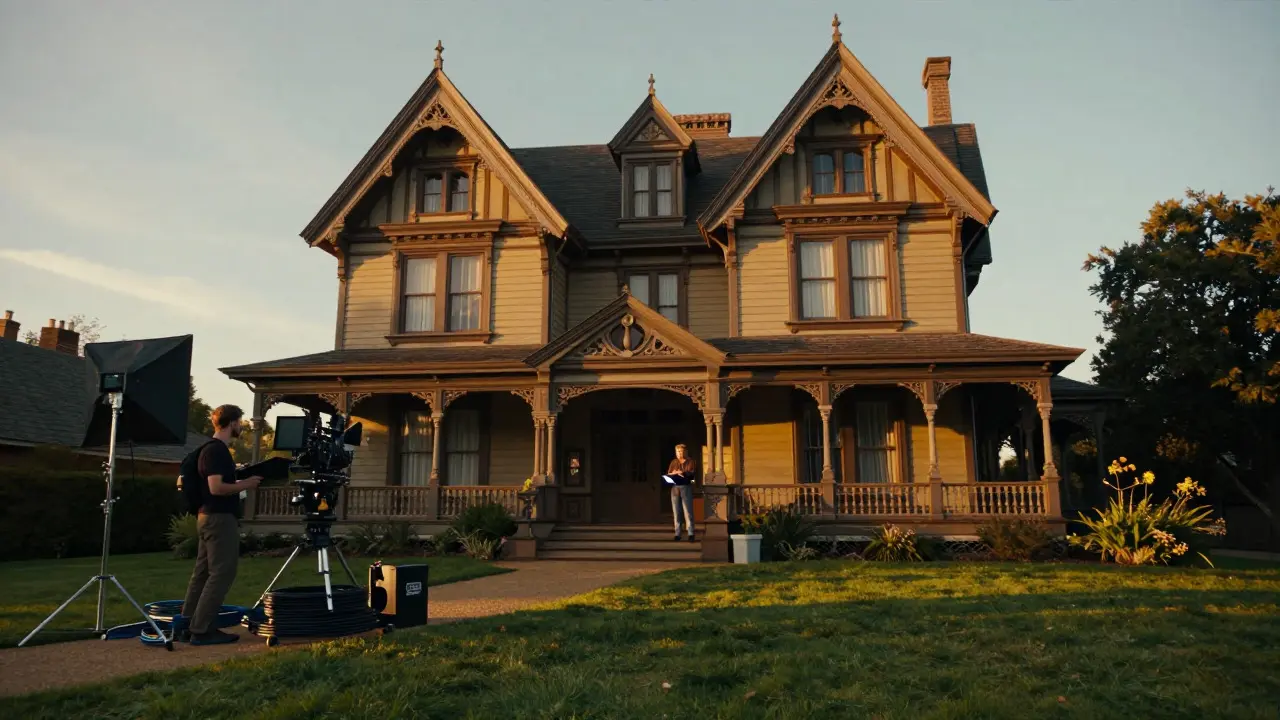
Imagine this: you've spent three weeks scouting the perfect Victorian mansion for your thriller. The light is golden, the architecture screams 'mystery,' and the owner loves your pitch. You shake hands on a verbal deal to shoot there next Tuesday. Then, the power goes out. Or worse, an actor trips over a loose floorboard. Without a written Location Agreement is a legal contract between a film producer and a property owner that defines the terms of use, liability, and compensation for filming on private or commercial property. It protects both parties from the chaos that inevitably arises when strangers with heavy equipment enter someone's space.
For indie filmmakers, these agreements are often seen as bureaucratic hurdles. But in reality, they are your safety net. A missing clause can cost you more than the location fee itself. Whether you're shooting a micro-budget short in a friend's apartment or a feature in a historic downtown district, understanding what needs to be in writing is non-negotiable. Let's break down the five critical components that keep your production safe and your legal exposure low.
The Basics: What Goes Into the Core Clause
Before diving into the fine print, you need the skeleton of the document. This section establishes who is involved and exactly where you are allowed to work. It sounds simple, but ambiguity here causes most disputes.
- Parties Involved: Clearly identify the Production Company (you) and the Property Owner. If the owner is a business entity, list the registered name, not just the individual manager's name.
- Specific Premises: Don't just say "the house." Specify if you have access to the backyard, the basement, or just the living room. Use a map or floor plan attachment if the property is large.
- Access Dates and Hours: Define the exact dates and the daily window for setup, shooting, and teardown. For example, "July 10-12, 8:00 AM to 6:00 PM." Include buffer time for late finishes if possible.
- Exclusivity: Do you have exclusive control? Can the owner still hold their weekly yoga class in the garden while you're rolling cameras? Usually, you want exclusivity during active shooting hours.
This foundational data prevents the "I thought I could use the kitchen" argument. It sets the physical boundaries of your permission.
Money Matters: Fees, Credits, and Perks
Even if the location is free, money-related clauses matter. They define the exchange of value, which includes cash, barter, or publicity.
| Model Type | Description | Risk Level | Best For |
|---|---|---|---|
| Flat Fee | Fixed amount paid regardless of days used | Low | Short shoots, clear scope |
| Daily Rate | Payment per day of access | Medium | Multi-day setups |
| Barter/Credit | Free access in exchange for screen credit or product placement | High | Micro-budgets, local businesses |
| Revenue Share | Percentage of box office/streaming revenue | Very High | Rarely recommended for indies |
Most indie producers opt for a flat fee or a modest daily rate. If you're offering a trade, be specific. Does the owner get a copy of the final cut? Do they get a dedicated line in the end credits? Vague promises like "we'll mention you" lead to resentment later. Also, clarify who pays for utilities. If you run generators all night, do you pay the electric bill spike? Usually, the producer covers any extra utility costs directly caused by the shoot.
Liability and Insurance: The Real Protection
This is the part that scares people, but it’s the most important. When you bring in lights, cables, and actors, accidents happen. Who pays if a cable cuts a hand? Who pays if a light falls on a car?
You need to specify the type of insurance required. Standard practice requires two types:
- General Liability Insurance: Covers third-party bodily injury and property damage. Most locations require a minimum of $1 million per occurrence. This is your primary shield against lawsuits from the owner or their guests.
- Workers' Compensation: Covers your crew if they get hurt on set. While sometimes handled separately, it’s wise to confirm this coverage applies to off-site locations.
In the agreement, state that the Producer must provide a Certificate of Insurance (COI) naming the Location Owner as an "Additional Insured." This means if something goes wrong, the owner can file a claim directly against your policy without suing you personally first. It’s a huge peace-of-mind factor for owners and keeps them from being overly cautious about letting you in.

Restoration and Damage Waivers
Every shoot leaves a mark. Maybe you nail a light to the wall. Maybe you scratch the floor with dolly wheels. The agreement should address how these minor damages are handled.
A standard clause states that the Producer agrees to restore the property to its original condition within a specified timeframe (e.g., 48 hours after wrap). However, you should also include a "Normal Wear and Tear" waiver. This clarifies that small scuffs from moving equipment don't count as damage requiring payment. Without this, an owner might charge you $50 for a tiny scratch in the paint. Define what constitutes "significant damage" versus normal usage. This prevents petty disputes at the end of the shoot when everyone is tired and wants to go home.
Background Noise and Music Rights
Often overlooked, the audio environment is part of the location deal. If you are shooting dialogue, ambient noise matters. Does the owner promise to turn off their AC unit? Will they close windows to block street traffic? Get these commitments in writing.
Furthermore, consider the music playing on the premises. If the owner has a jukebox or plays radio in the background, those songs are copyrighted. If they appear in your final edit, you need synchronization rights. To avoid this headache, add a clause stating that the Location Owner will refrain from playing recognizable copyrighted music during shooting hours unless cleared for use. It’s a small detail that saves thousands in licensing fees later.

Termination and Force Majeure
What happens if the weather ruins your exterior shot? Or if the owner suddenly needs the house for a family event? You need an exit strategy.
A Force Majeure is a contract clause that excuses performance due to unforeseeable events like natural disasters, war, or government actions. Ensure this clause covers weather delays, power outages, and local government shutdowns. It should allow either party to pause or cancel the agreement without penalty if such events occur.
Also, define notice periods. If the owner cancels, how much notice do they need to give you? If you cancel, what do you owe? Typically, if you cancel more than 7 days before, you lose only the deposit. If less, you might owe 50% of the total fee. Clear rules prevent emotional arguments when plans change.
Practical Tips for Negotiating
Negotiating a location agreement doesn't have to be adversarial. Here are some pro tips to keep the process smooth:
- Be Transparent: Tell the owner exactly what you’re doing. If it’s a horror movie, tell them. Surprises breed distrust.
- Visit Before Signing: Walk the property with the owner. Point out potential hazards. Agree on where cables can run.
- Use Templates: Start with a solid template from a guild or association, then customize. Don't write from scratch every time.
- Get Signatures Early: Have the owner sign before you send the COI. It shows good faith.
Remember, the goal is a partnership. The owner wants their property respected; you want a great backdrop. A well-drafted agreement ensures both sides feel secure.
Frequently Asked Questions
Do I really need a lawyer for a small indie location agreement?
Not necessarily. For simple residential locations, a standardized template reviewed by a production attorney once is sufficient. However, for commercial properties, historical sites, or high-risk environments, having a lawyer review the specific clauses is highly recommended to ensure compliance with local ordinances.
Who usually drafts the location agreement?
In the film industry, the Producer typically provides the draft. This allows you to control the initial terms regarding liability and insurance. However, the Location Owner has the right to request changes, especially regarding restoration timelines and exclusivity.
What is a typical location fee for an indie film?
Fees vary wildly based on geography and property type. In major cities like New York or Los Angeles, a single day in a unique loft might cost $500-$2,000. In rural areas or smaller towns, many owners offer free access in exchange for a meal or screen credit. Always budget for a contingency of 10-15% above expected fees.
Can I shoot in a public park without a location agreement?
Technically, yes, but it's risky. Public spaces are governed by municipal permits rather than private contracts. You need a permit from the city or county parks department. This permit acts as your agreement, specifying fees, insurance requirements, and cleanup duties. Failing to get one can result in fines or forced shutdowns.
How long should I keep the signed location agreement?
Keep it forever, or at least until the film is out of distribution. If a lawsuit arises years later regarding property damage or copyright infringement, this document is your primary proof of agreed-upon terms. Store digital copies in your production's cloud drive and keep a physical copy in your legal binder.