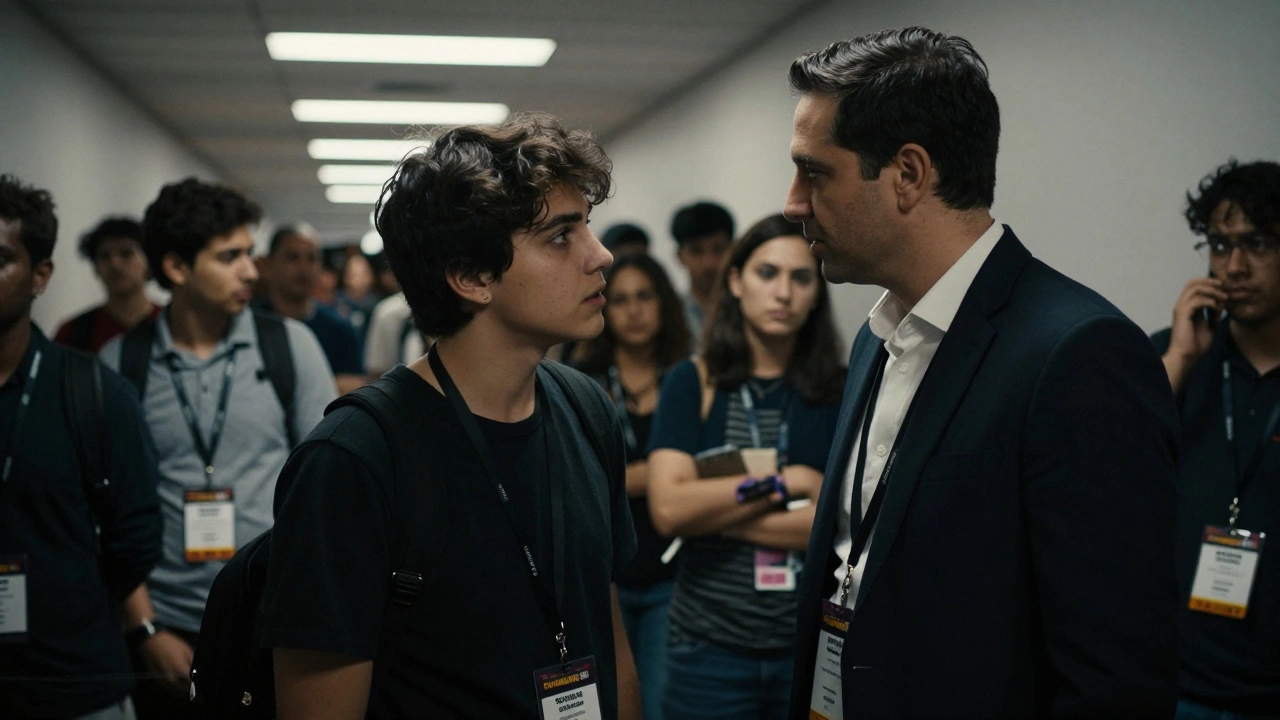
The Truth About the "Magic" Festival Handshake
Most filmmakers walk into a festival thinking the magic happens during the screening. They imagine a suit from a major studio standing up, clapping, and handing them a check for five million dollars. In reality, the screening is just the invitation. The actual business happens in the hallways, the hotel bars, and the rushed coffee meetings where you have exactly four minutes to prove you aren't a waste of time. If you spend your entire festival sitting in dark rooms watching movies, you're treating a business trip like a vacation. To actually land a deal, you have to stop being a fan and start being a partner.
Quick Wins for Festival Success
- Prioritize the "Pre-Game": Reach out to producers and distributors two weeks before the event; don't wait until you're on the ground.
- The 30-Second Hook: Have a pitch that focuses on the *marketability* of your project, not just the artistic vision.
- Follow-up Speed: Send your "thank you" and materials within 24 hours of the meeting.
- The Gatekeeper Strategy: Build relationships with assistants and junior executives; they are the ones who actually manage the calendars.
Mapping Your Target List
You can't just "network" in a general sense. That's how you end up with a stack of business cards from other filmmakers who are just as broke as you are. You need a tactical list of targets. Festival Networking is the process of building strategic professional relationships within the film industry during high-density industry events to secure funding, distribution, or talent.
Start by identifying the Distributor, which is a company that handles the marketing and release of a film to theaters or streaming platforms. If you're making a horror flick, you don't need to spend your time talking to prestige drama buyers. You need the people who specialize in genre. Use the festival's official app or a site like IMDbPro to see who is attending. Look for the "Acquisitions Executive"-that's the person whose actual job is to find movies to buy. When you map your targets, categorize them into "Dream Targets" (the big players) and "Realistic Gains" (boutique labels or emerging producers).
The Art of the High-Stakes Meeting
When you finally get that meeting, whether it's at a crowded cafe or a quiet lounge, the dynamic is always skewed. They have the money; you have the art. To flip that script, you need to speak the language of business. Avoid words like "passion project" or "deeply personal journey." Instead, talk about "comparable titles," "target demographics," and "completion dates."
A great meeting isn't an interview; it's a consultation. Instead of asking, "Do you like my movie?" try asking, "Based on the current market, how would you position a film like this for a Gen Z audience?" This shifts the conversation from a plea for approval to a professional exchange of expertise. It shows you understand that a movie is a product that needs to be sold. If you're pitching a new project, bring a physical "one-sheet"-a single page with a killer image, a logline, and your team's credits. It gives them something to look at and something to take back to their office.
Navigating the Power Dynamics of the Lounge
The most valuable deals aren't always signed in scheduled meetings. They happen during the "in-between" moments. The line for coffee or the walk to the shuttle is where you can make a soft approach. The trick is to avoid the "pitch-slap"-the act of cornering someone and forcing a pitch on them while they're trying to eat a sandwich. People hate being pitched; they love being discovered.
The goal of a casual encounter is simply to establish a point of connection. Mention a specific deal they recently closed or a film they produced that actually influenced your work. For example, if you're talking to a producer from A24, don't just say you love their movies. Mention how their distribution strategy for a specific indie title changed the way you thought about pacing. This proves you're a student of the industry, not just a fan. Once you've established a rapport, your only goal is to get a follow-up meeting or an email address. Don't try to close the deal in the lobby.

Closing the Gap: Distribution vs. Production
Depending on where your project stands, your networking goal changes. If you have a finished film, you're hunting for Film Distribution, which is the commercial process of making a movie available to an audience through various channels like cinema, VOD, or television. In this case, your focus is on the Acquisitions Executive. They care about the "shelf life" and the "hook." Your conversation should revolve around the festival's reception, audience scores, and the uniqueness of your IP.
If you're in development and need money, you're looking for a Producer, a person responsible for the financial and administrative aspects of filmmaking, including securing funding and managing the budget. Producers aren't buying a movie; they're buying into you as a leader. They want to know if you can handle a budget, if you have a realistic production plan, and if you can attach talent. Your pitch here should focus on the "package"-who is attached, what the budget is, and why this movie needs to exist right now.
Comparison of Meeting Types
| Meeting Type | Primary Goal | Key Metric of Success | Best Approach |
|---|---|---|---|
| Scheduled Industry Meeting | Deal Terms/Acquisition | A follow-up request for a screener | Professional, data-driven, focused |
| The "Chance" Encounter | Relationship Building | An email address or LinkedIn connect | Low pressure, complimentary, brief |
| The Party/Mixer | Visibility & Awareness | Being remembered by name | Social, high energy, non-pitching |
| The After-Screening Q&A | Audience Validation | Positive buzz among peers | Humble, insightful, engaging |
Avoiding the Common Networking Traps
The biggest mistake filmmakers make is the "Desperation Aura." When you act like this is your only shot at a career, people smell it and pull away. Confidence doesn't mean pretending you're Steven Spielberg; it means knowing your project's value and being okay if a specific person isn't the right fit. If a producer says no, don't try to convince them. Instead, ask, "Who in your network do you think would be a better fit for this kind of story?" One referral is often more valuable than one mediocre "maybe."
Another trap is the "Over-Promise." Don't tell a distributor you have a "huge following" if you only have 200 followers on Instagram. The industry is small, and everyone knows the real numbers. Be honest about your reach, but emphasize your growth plan. If you're working with a Sales Agent, who is a professional who sells the rights to a film to distributors in different territories, they will be the first to tell you that transparency wins deals. They would rather work with a rookie who is honest than a pro who lies about their numbers.
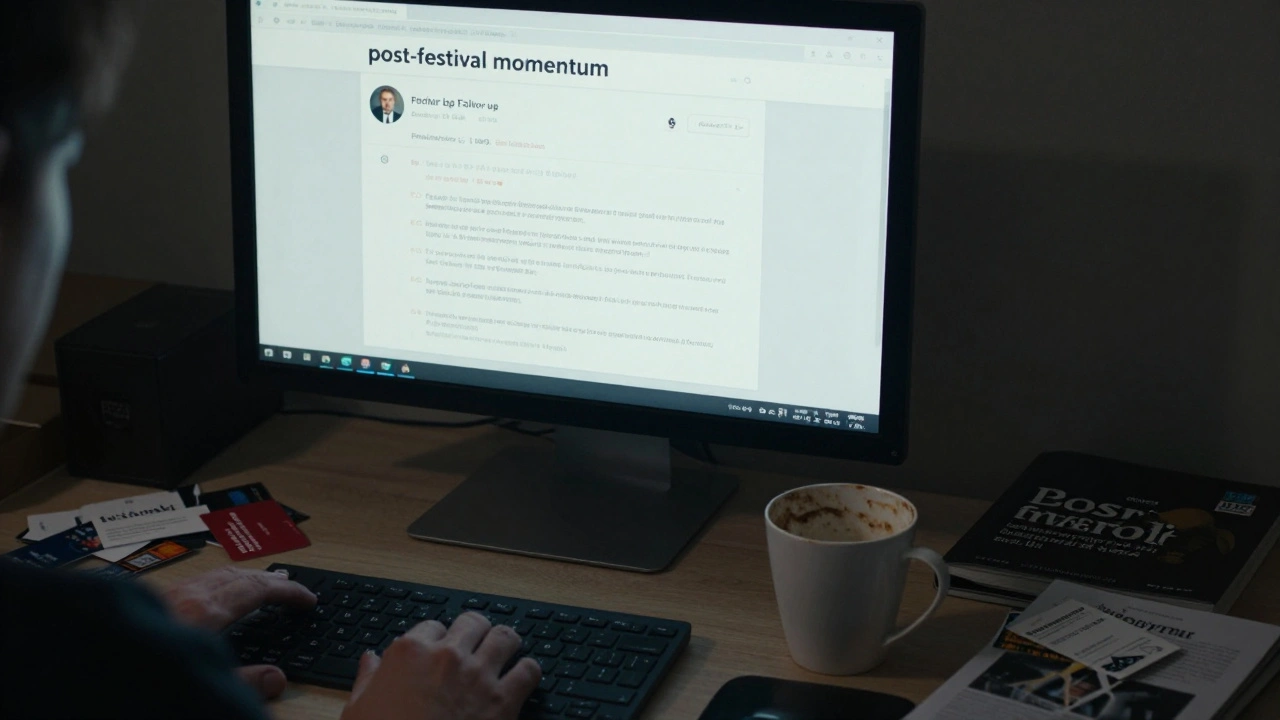
The Post-Festival Momentum
The festival ends, you fly home, and the adrenaline dies. This is where 90% of filmmakers fail. They wait a week to send a follow-up email, by which time the executive has forgotten who they are. Your follow-up should happen within 24 to 48 hours. The email shouldn't be a generic "It was nice meeting you." It should reference a specific point from your conversation.
For example: "Hi Sarah, I really enjoyed our chat about the rise of folk-horror at the bar on Tuesday. As promised, here is the link to my current project's look-book and the screener for my last short. I'd love to hear your thoughts on the second act's pacing when you have a moment." This does three things: it reminds them where you met, it provides immediate value, and it sets a clear, low-pressure next step. Keep the momentum going with monthly updates-not pestering emails, but "milestone" emails. Tell them when you win another award, attach a new actor, or finish a new draft. Stay on their radar without becoming a nuisance.
Frequently Asked Questions
What is the best way to approach someone I don't know at a festival?
Should I bring a physical portfolio or just a tablet?
How do I handle a meeting if I don't have a finished film yet?
What if I'm an introvert? How can I network effectively?
How many people should I try to meet at one festival?
Next Steps for Your Festival Strategy
If you're heading to a festival in the next few months, start by auditing your digital presence. Make sure your IMDb page is updated and your website looks professional. Then, create your target list. If you're a first-timer, try attending a smaller "genre" festival first to practice your pitch before hitting a major event like Sundance or TIFF. If you're an experienced filmmaker, focus on diversifying your network by reaching out to executives in emerging markets, such as streaming platforms in Asia or Europe, where appetite for indie content is growing.



Comments(5)