When a film team from Poland, Germany, and Japan finishes shooting their third co-production, they don’t just pack up the cameras. They head to one of three places: Berlin, Cannes, or Venice. Why? Because in today’s global film market, a festival premiere isn’t just about prestige-it’s the first step in selling the movie to the world.
Why Festivals Are Now Deal-Making Floors
Fifteen years ago, film festivals were mostly about art. Critics wrote reviews. Audiences cheered. Buyers showed up quietly, if at all. Today, the Berlin International Film Festival (Berlinale), the Cannes Film Festival, and the Venice Film Festival operate like high-stakes trade shows. Studios, streaming platforms, and independent distributors don’t just watch films-they bid on them, often before the credits roll.
Take the 2024 Berlinale. Over 40 co-produced films premiered there. Of those, 28 secured distribution deals within 72 hours. That’s not luck. It’s strategy. These festivals offer something no online pitch can: real-time feedback, direct access to buyers, and the weight of industry validation. A film that opens in Venice gets noticed by American distributors. One that screens in Cannes gets picked up by European broadcasters. And Berlin? It’s the hub for co-productions from Eastern Europe, the Middle East, and Asia.
How Co-Productions Work (And Why They Need Festivals)
A co-production isn’t just two companies sharing costs. It’s a legal, financial, and creative partnership across borders. Each country involved brings tax incentives, local crews, funding, and access to their own audiences. But here’s the catch: without a strong launch, these films disappear. They get lost in the noise of 8,000+ movies released every year.
That’s where festival premieres become essential. A co-production from South Korea and France might have a $2 million budget. It can’t compete with Hollywood’s $80 million marketing machine. But if it opens in competition at Cannes, it instantly gains credibility. Buyers know: if Cannes selected it, it’s worth looking at.
Here’s how it breaks down:
- Berlinale: Focuses on innovation and political storytelling. Co-productions from Eastern Europe, Central Asia, and Africa often find their first buyers here. In 2025, 63% of Berlinale’s competitive titles were co-productions.
- Cannes: The gold standard for prestige. Films that premiere here get global attention. A Cannes premiere can double a film’s pre-sale value. In 2024, three co-produced films from Latin America and Europe sold for over $5 million each after their Cannes debut.
- Venice: Known for arthouse credibility and Oscar momentum. Many U.S. distributors use Venice as their first look at European co-productions. Over 70% of Venice’s 2025 lineup had at least two countries listed as co-producers.
The Real Game: Sales Agents and Market Pavilions
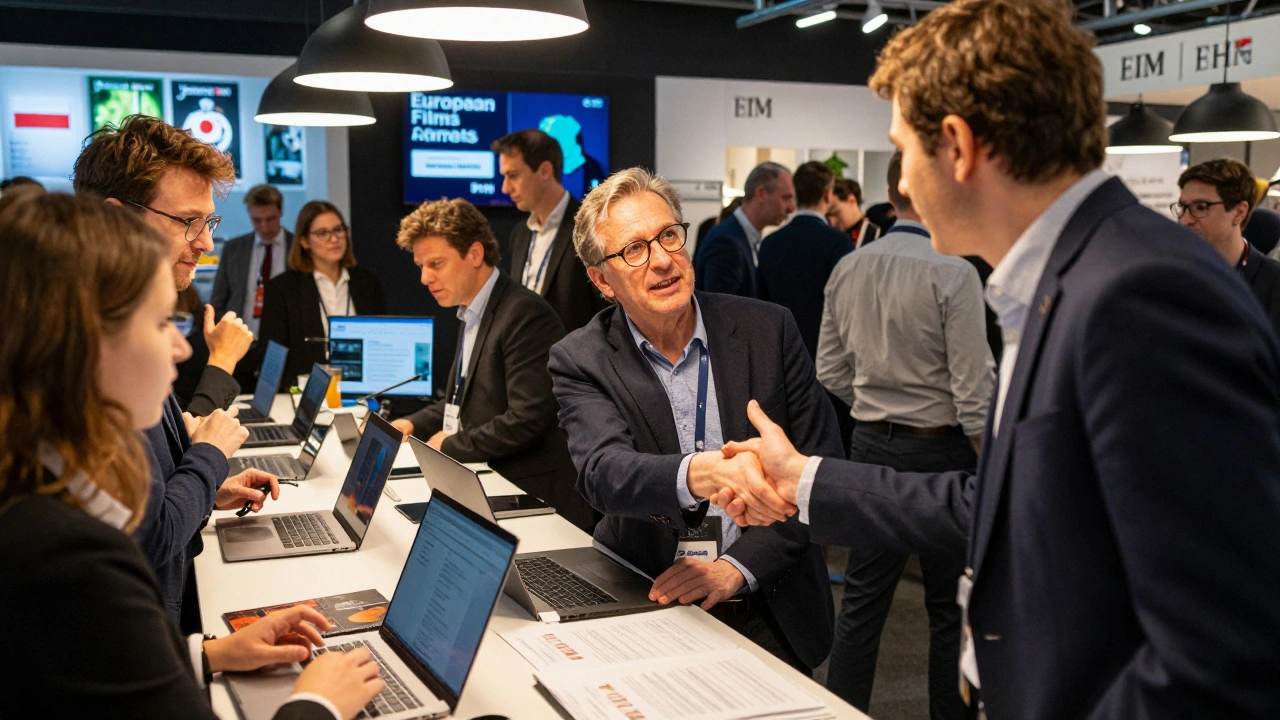
Festival screenings are just the tip of the iceberg. The real action happens in the market pavilions-rooms filled with tables, laptops, and sales agents who’ve been working the phones for months.
At Berlin, the European Film Market (EFM) is the biggest film market in the world. It’s not open to the public. Only industry professionals with badges can enter. That’s where producers meet distributors from Brazil, Nigeria, and Indonesia. A single film might sign deals for 15 territories in one week.
At Cannes, the Marché du Film runs parallel to the festival. Over 12,000 industry professionals attend. Buyers come with budgets and lists. They don’t just want to see films-they want to know: Who’s behind it? What’s the track record? Can this make money in Spain?
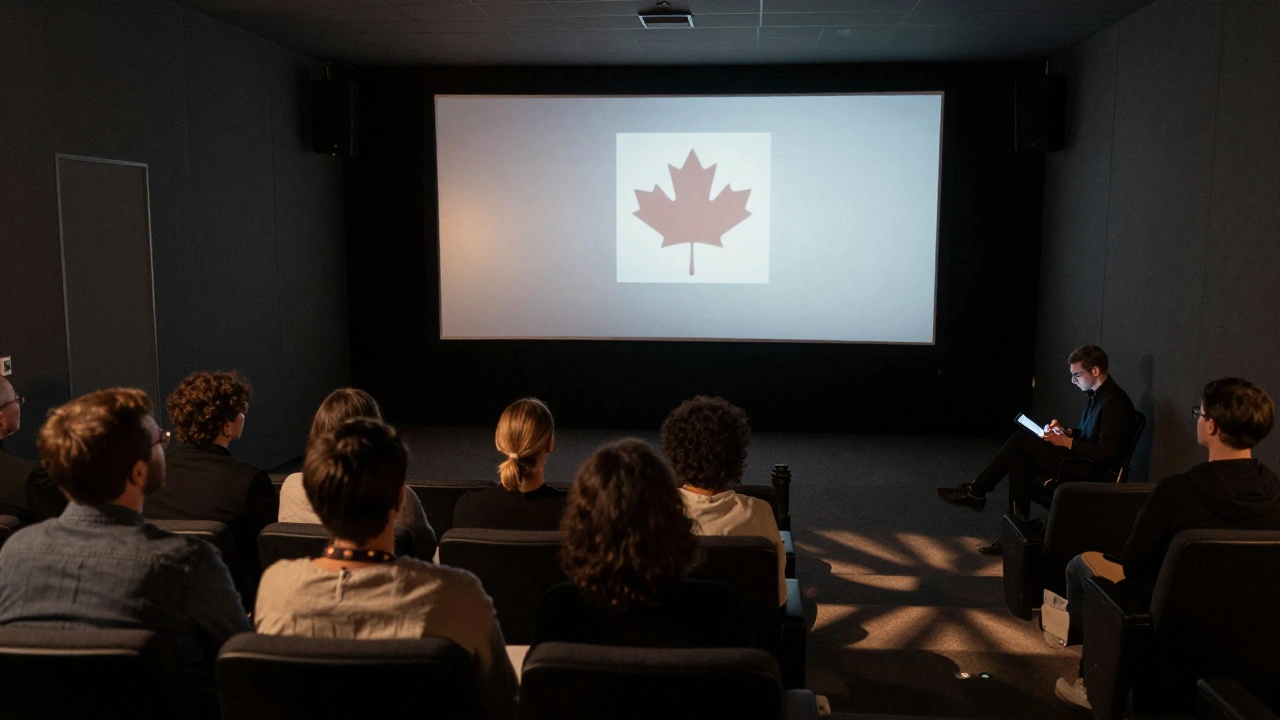
Venice’s Giornate degli Autori is smaller but more targeted. It’s where indie distributors find films that can play in art-house cinemas from Toronto to Tokyo. In 2025, a co-production between Italy and Canada sold streaming rights to a Nordic platform after its Venice screening-just 48 hours after the premiere.

What Makes a Co-Production Successful at These Festivals?
Not every co-production lands a deal. The ones that do share three things:
- A clear identity. The film has to feel like more than a patchwork of national interests. Audiences need to connect with the story, not the budget. A film from Tunisia and Sweden that tells a personal refugee story resonates more than one that tries to be "international" in a generic way.
- Strong festival strategy. Teams don’t just submit to all three. They pick one based on their target market. A film with strong German funding? Berlin. A French-led drama with a lead actor who’s a Cannes favorite? Cannes. A visually striking film with Oscar potential? Venice.
- Pre-market buzz. The best co-productions don’t wait for the festival. They send teasers to buyers, screen cuttings to critics, and get early reviews from trusted outlets like Screen International or Variety. By the time the film screens, buyers already know what they’re looking at.
Take "The Last Bridge" (2025), a co-production between Ukraine, Norway, and Japan. It didn’t have a big cast. But its team spent six months prepping: they sent a 3-minute clip to 200 buyers, got a glowing review from Deadline, and scheduled private screenings for U.S. distributors before Berlin. It sold North American rights for $1.2 million on day two.
The Hidden Cost: Timing, Risk, and the Long Wait
Festival premieres sound glamorous. But they come with hidden costs. A co-production team might spend $150,000 on travel, accommodation, and marketing materials for one festival. If they don’t land a deal, they’re out that money-and often have to wait a year to try again.
And timing matters. If a film finishes editing in October, it might miss Berlin (February) and Cannes (May). That leaves Venice (August). But by then, distributors have already made their major buys. The window is narrow.
That’s why smart teams plan years ahead. They align production schedules with festival calendars. They build relationships with sales agents before filming even starts. They know: a festival premiere isn’t the end goal-it’s the launchpad.
What Happens After the Premiere?
Getting a deal at Berlin, Cannes, or Venice doesn’t mean the film is done. It means the real work begins.
After a sale, distributors handle:
- Local language dubbing and subtitling
- Theatrical release planning
- TV and streaming rights negotiations
- Marketing campaigns tailored to each region
For example, a co-production between Portugal and Brazil might get a theatrical release in Brazil, stream on a platform in Germany, and air on public TV in Canada. Each territory has its own rules, audiences, and expectations. The festival premiere made all of that possible.
And the ripple effect? It helps fund the next film. Sales from one co-production often become the seed money for the next. That’s how small teams become sustainable studios. That’s how stories from underrepresented regions get seen.
Why This Matters Beyond the Screen
Festival premieres aren’t just about movies. They’re about cultural exchange. A film made in collaboration with six countries doesn’t just tell a story-it builds bridges. A director from Georgia might meet a producer from Chile at Venice. They start working on a new project. A sales agent from South Korea signs a deal for a film from Senegal-and then helps fund a sequel.
These festivals don’t just sell films. They create networks. They turn isolated voices into global conversations. And for independent filmmakers, that’s more valuable than any box office number.







Comments(5)