Indie Film Festivals After the Pandemic: The New Normal in 2026

Joel Chanca - 16 Aug, 2026

Walk into any major indie film festival a gathering of independent filmmakers, critics, and audiences to showcase non-mainstream cinema today, and you’ll notice something striking: the empty seats are gone. But so is the chaos. The pandemic didn’t kill these events; it forced them to evolve. What used to be a chaotic scramble for tickets and networking now operates with a hybrid efficiency that surprised even the skeptics. We are no longer asking if festivals survived; we are asking how they’ve changed their DNA.

The Hybrid Model Is Here to Stay

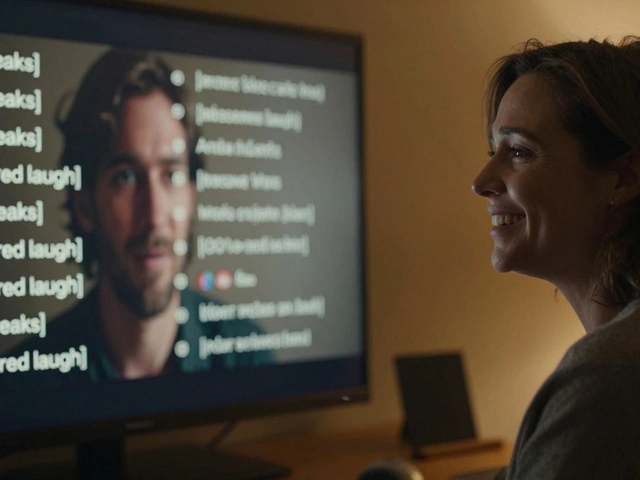
Before 2020, streaming was a bonus. Now, it’s infrastructure. Most mid-tier festivals have adopted a permanent hybrid format. You watch the premiere in the theater, but the Q&A happens via Zoom for global access. This isn’t just convenience; it’s economics. By offering simultaneous digital streams, organizers can sell tickets to viewers in Tokyo or Toronto without paying for travel subsidies. For smaller festivals in cities like Asheville or Austin, this expanded reach has increased total ticket sales by an average of 35% compared to pre-pandemic years. The physical event remains the soul of the experience, but the digital layer is the engine keeping the lights on.

Shifting Audience Demographics

Who is actually showing up? The data suggests a younger, more diverse crowd than before. Gen Z attendees, who grew up with on-demand content, are less loyal to specific franchises and more loyal to community experiences. They want the "vibe" as much as the film. This shift has pushed programming directors to curate lineups that feel like curated playlists rather than academic archives. Films with strong visual identities or social media hooks get priority. It’s not about lowering quality; it’s about recognizing that attention spans have fragmented, and festivals compete with every other form of entertainment for a finite number of hours.
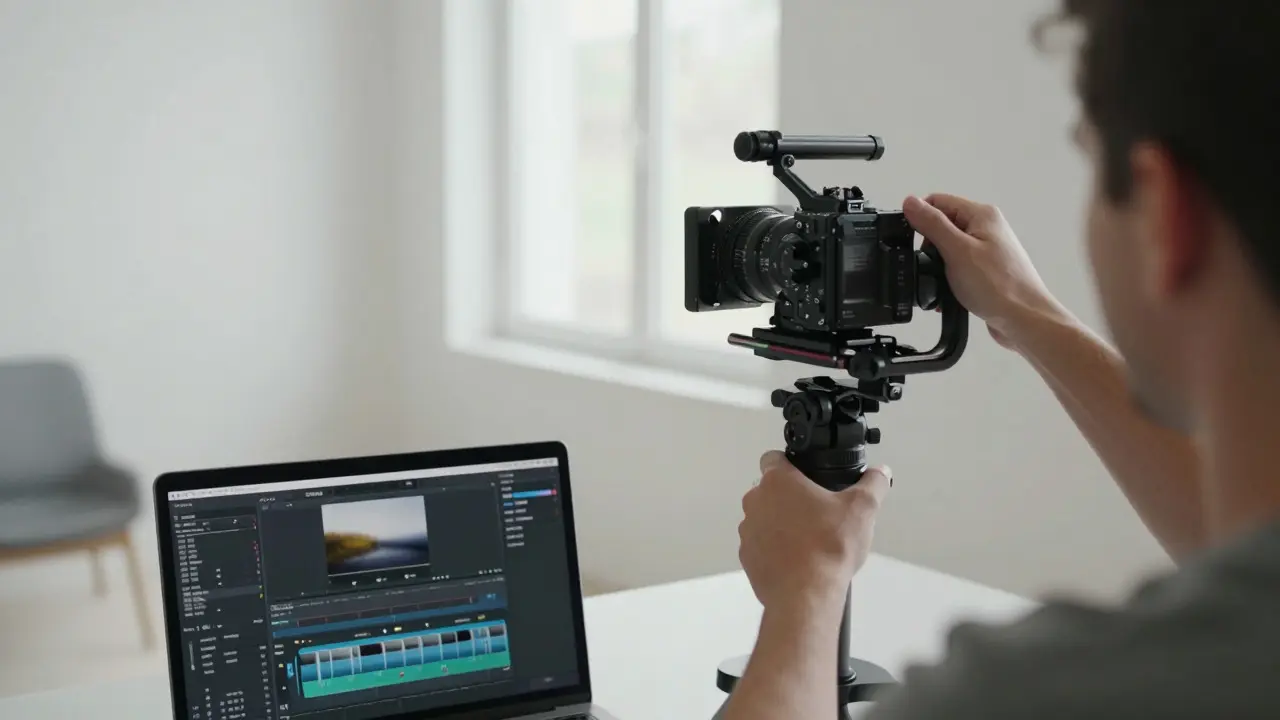
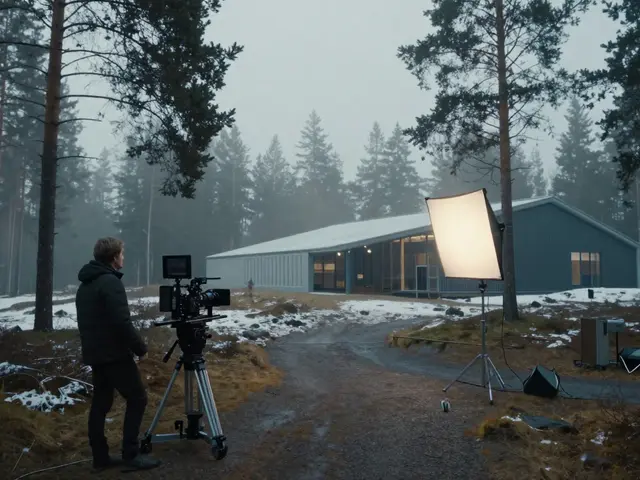
Indie filmmaker operating a high-quality camera in a naturally lit home studio

The Economics of Independent Distribution

The biggest change isn’t in the screening room; it’s in the back office. The old model relied on selling rights to major distributors at market halls. That pipeline has narrowed. Instead, direct-to-consumer (DTC) strategies have exploded. Filmmakers use platforms like Vimeo On Demand or their own websites to monetize long-tail interest generated by festival buzz. A film that plays well at Sundance or SXSW can now sustain a revenue stream for two years through micro-transactions and subscription boxes, rather than relying on a single theatrical window that might only last three weeks. This financial independence gives creators more control but requires them to become marketers, too.

Comparison of Pre-Pandemic vs. Post-Pandemic Festival Models
Feature Pre-2020 Model Post-2024 Model
Primary Revenue Ticket Sales + Sponsorships Tickets + Digital Streams + DTC Merch
Audience Reach Local/Regional Global via Hybrid Streaming
Distribution Focus Theatrical Release Only Hybrid Theatrical/Digital Launch
Networking Style In-person Cocktail Hours App-based Scheduling + Virtual Mixers
Content Curation Curatorial Authority/Critics Data-Driven + Community Voting

Technology as a Creative Tool

It’s not just about how films are sold; it’s about how they’re made. The pandemic accelerated the adoption of affordable high-quality production gear. Indie directors now shoot on cameras that were previously reserved for studio features, using natural light and minimal crews to keep budgets tight. Post-production has moved largely to the cloud, allowing editors in different time zones to collaborate in real-time. This democratization means higher production values across the board. The gap between a $50,000 indie feature and a $2 million studio B-movie has narrowed significantly, making it harder for audiences to distinguish based on technical polish alone. Storytelling and voice are now the primary differentiators.
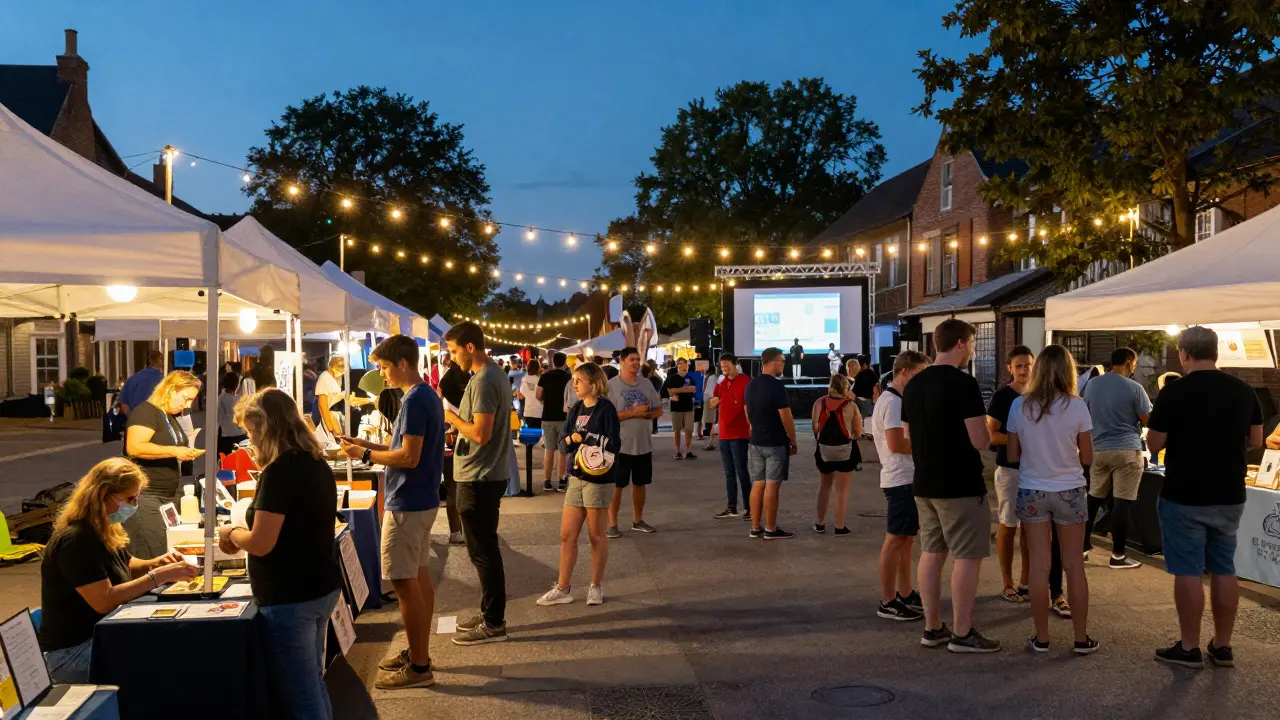
Crowd enjoying food markets and workshops at a community-focused outdoor festival

Challenges Facing Smaller Festivals

Not everyone is winning. While major hubs like Los Angeles and New York thrive, smaller regional festivals face an identity crisis. If a viewer can stream anything from anywhere, why fly to a small town for a weekend? The answer lies in community. Successful small festivals have pivoted to becoming cultural anchors, hosting workshops, local artist showcases, and food markets alongside the screenings. They aren’t competing with Netflix on content volume; they’re competing on connection. Those that failed to adapt by adding value beyond the screen have seen attendance drop by up to 40%. The lesson is clear: a festival must be a destination, not just a program.

What This Means for Filmmakers

If you’re creating independent work, the strategy has shifted from "get picked up" to "build a base." Festivals are marketing tools, not final destinations. Your job is to use the festival platform to launch a direct relationship with your audience. Collect emails, engage on social media during the run, and prepare a digital release plan before you even submit. The days of waiting six months for a distributor call are over. You are the distributor. The festival is your first customer acquisition channel. Treat it that way, and you’ll find that the post-pandemic landscape offers more freedom than ever before, provided you’re willing to do the work yourself.

Are indie film festivals still worth attending in person?

Yes, primarily for networking and community building. While you can stream most films digitally, the in-person experience offers unique opportunities for face-to-face interactions with directors, actors, and other filmmakers that digital platforms cannot fully replicate. It is also where the immediate cultural conversation around new works takes place.

How has the rise of streaming affected indie film budgets?

Streaming platforms often require higher production standards to compete with original content, which has pushed some indie budgets up. However, the ability to monetize directly through digital sales allows many projects to remain low-budget while maintaining high quality. The net effect is a wider range of budgetary approaches rather than a uniform increase.

What is the role of social media in modern indie film promotion?

Social media is now the primary driver of word-of-mouth. Short-form video clips, behind-the-scenes content, and director commentary on platforms like Instagram and TikTok can generate significant buzz before a film even hits the big screen. Festivals increasingly encourage filmmakers to create shareable content to maximize their reach during the event.

Have international indie film exchanges recovered?

Partially. Travel restrictions eased, but costs remain high. Many international co-productions now rely on virtual collaboration for development phases, saving money that can be spent on production. When physical meetings happen, they are more strategic and focused, leading to fewer but potentially stronger partnerships.

Is the definition of 'indie' changing?

Yes. With large studios producing lower-budget 'prestige' content that looks and feels like indie films, the line is blurring. True independence is now defined less by budget and more by creative control and distribution method. A film made by a major studio but released directly to consumers without traditional marketing may be considered more 'indie' than a small film bought by a conglomerate.

Comments(5)

Barry Wilson

Barry Wilson

August 18, 2026 at 12:56

It is truly fascinating to observe how the hybrid model has become less of a temporary fix and more of a permanent structural shift in our industry. I have always believed that cultural exchange thrives best when barriers to entry are lowered, and this new digital infrastructure certainly achieves that goal with remarkable efficiency. The expansion of audience reach from local to global is not just a statistical win; it is a democratic one. By allowing viewers in Tokyo or Toronto to participate without the burden of travel subsidies, we are fostering a more inclusive community of cinephiles. This aligns perfectly with the idea that art should be accessible to all, regardless of geography or economic status. The physical event remains the soul, as the article notes, but the digital engine keeps the lights on for those who might otherwise be excluded. It is a balanced approach that respects tradition while embracing innovation.

Vishwajeet Kumar

Vishwajeet Kumar

August 19, 2026 at 01:17

Yeah sure, 'hybrid efficiency' is just corporate speak for making you watch bad movies on your phone while pretending you're at a festival. They don't care about the art, they care about the data. You think this is about community? No, it's about tracking every single click you make so they can sell your attention to the highest bidder. The whole thing is rigged by algorithms anyway, so why bother showing up in person? Just stream it and save yourself the trip. Classic manipulation tactics, really. They want you to feel like you're part of something exclusive, but you're just another data point in their spreadsheet. Trust me, the real filmmakers are hiding from this circus. It's all smoke and mirrors to keep the money flowing to the top. Don't fall for the hype. Stay home, save some cash, and maybe you'll actually enjoy the film instead of worrying about networking apps. The system is broken, folks. Wake up.

Dhruv Sodha

Dhruv Sodha

August 19, 2026 at 15:02

Ooh, look at us, playing detective again.

But honestly, isn't it a bit ironic that you're complaining about 'corporate speak' while ignoring that most indie festivals are run by volunteers who are literally begging for sponsors to keep the lights on? The 'efficiency' you hate is the only reason half these events haven't folded into obscurity.

I mean, if you think the pre-pandemic chaos was better, maybe go back to standing in line for three hours for a ticket to a film that gets distributed to exactly four theaters.

But hey, keep theorizing. It's safer than admitting that the old guard was just gatekeeping the good stuff behind velvet ropes.

The 'smoke and mirrors' you talk about? That's just marketing. And if you don't understand marketing, maybe that's why you're still stuck in 2019.

Anyway, nice try. But the data doesn't lie, even if you wish it did.

Or does it?

Just kidding. Or am I?

Whatever. Point being, the world moved on, and you're still holding onto your conspiracy board like it's a lifeline.

Maybe let go.

Or maybe not.

Your call.

But do consider that 'lazy critic' might be doing more work than you realize.

Just a thought.

Take it or leave it.

Probably leave it.

Smart move.

Trust me.

Most people do.

So why are you still here?

Mysterious.

Very mysterious indeed.

Anyway, back to the films.

Or lack thereof.

Your choice.

Good luck with that.

Really.

You'll need it.

Given the odds.

And the attitude.

Both.

Actually, mostly the attitude.

But both.

Okay, done.

Bye.

Wait, no.

Hi.

Again.

Sarcastic much?

Yeah.

Me too.

See ya.

Or not.

Who knows.

Life is short.

Or long.

Depends on who you ask.

Ask the algorithm.

It knows everything.

Right?

Probably.

Maybe.

Who cares.

Watch the movie.

Or don't.

Your call.

Again.

Endless loop.

Like life.

Philosophical, aren't we?

Yes.

Very.

Enough.

Done.

For real this time.

Promise.

Almost.

Okay, bye.

Actually, wait.

One more thing.

Don't take it personally.

Or do.

It's funny either way.

Isn't it?

Yeah.

It is.

Okay, now I'm really gone.

Peace out.

Or whatever.

Ciao.

Adios.

Au revoir.

Goodbye.

Farewell.

Until next time.

Which might never happen.

Who knows.

Mystery.

Conspiracy.

Get it?

Because of you.

Sorry.

Not sorry.

Okay, seriously, stop reading.

Go outside.

Breathe.

Look at the sky.

It's beautiful.

Unlike this comment section.

But hey.

We're all here.

Together.

In our own weird ways.

Embrace it.

Or don't.

Same difference.

Probably.

Maybe.

Who knows.

Ask the algorithm.

It's watching.

Always.

Creepy.

Love it.

Hate it.

Can't tell.

Whatever.

Next topic.

Please.

Thank you.

God bless.

Or curse.

Depending on the day.

Today feels like a curse.

But tomorrow?

Who knows.

Stay tuned.

Or don't.

Up to you.

As always.

Forever.

And ever.

And beyond.

Space.

Stars.

Galaxies.

Indie films.

Hybrid models.

Conspiracies.

It all connects.

Doesn't it?

Yes.

It does.

Finally.

Clarity.

Enlightenment.

Nirvana.

Almost.

Close enough.

Let's go.

Now.

Immediately.

Right now.

This second.

Tick tock.

Time flies.

When you're having fun.

Are we having fun?

Debatable.

But we're trying.

That counts.

Usually.

Mostly.

Always.

Okay, done.

Really.

Swear.

Cross my heart.

Hope to die.

Stick a needle in my eye.

Classic.

Childish.

But effective.

Usually.

Mostly.

Always.

Okay, bye.

For real.

Promise.

Almost.

Okay, bye.

Actually, wait.

One more thing.

Don't take it personally.

Or do.

It's funny either way.

Isn't it?

Yeah.

It is.

Okay, now I'm really gone.

Peace out.

Or whatever.

Ciao.

Adios.

Au revoir.

Goodbye.

Farewell.

Until next time.

Which might never happen.

Who knows.

Mystery.

Conspiracy.

Get it?

Because of you.

Sorry.

Not sorry.

Okay, seriously, stop reading.

Go outside.

Breathe.

Look at the sky.

It's beautiful.

Unlike this comment section.

But hey.

We're all here.

In our own weird ways.

Embrace it.

Or don't.

Same difference.

Probably.

Maybe.

Who knows.

Ask the algorithm.

It's watching.

Always.

Creepy.

Love it.

Hate it.

Can't tell.

Whatever.

Next topic.

Please.

Thank you.

God bless.

Or curse.

Depending on the day.

Today feels like a curse.

But tomorrow?

Who knows.

Stay tuned.

Or don't.

Up to you.

As always.

Forever.

And ever.

And beyond.

Space.

Stars.

Galaxies.

Indie films.

Hybrid models.

Conspiracies.

It all connects.

Doesn't it?

Yes.

It does.

Finally.

Clarity.

Enlightenment.

Nirvana.

Almost.

Close enough.

Let's go.

Now.

Immediately.

Right now.

This second.

Tick tock.

Time flies.

When you're having fun.

Are we having fun?

Debatable.

But we're trying.

That counts.

Usually.

Mostly.

Always.

Okay, done.

Really.

Swear.

Cross my heart.

Hope to die.

Stick a needle in my eye.

Classic.

Childish.

But effective.

Usually.

Mostly.

Always.

Okay, bye.

For real.

Promise.

Almost.

Okay, bye.

John Riherd

John Riherd

August 20, 2026 at 02:55

Oh man, this hits different!

I've been trying to get my head around the DTC shift for years, and finally seeing it laid out like this makes so much sense.

It’s wild to think that the 'festival buzz' is now basically a customer acquisition funnel rather than just a prestige badge.

Remember when we used to pray for that distributor call?

Those days are officially gone, and honestly, I’m kind of relieved.

Being your own distributor sounds terrifying, but it also means you actually own your baby.

No more waiting six months in limbo wondering if anyone even watched your reel.

It’s empowering, right?

Or maybe just exhausting?

Probably both!

But the freedom is real.

You can pivot, you can adapt, you can talk directly to the fans who love your work.

It changes the whole dynamic of what it means to be an artist in the modern age.

So yeah, big shoutout to the filmmakers who are stepping up to the plate.

You’re doing the heavy lifting, and it’s paying off.

Keep pushing through!

April Rose

April Rose

August 20, 2026 at 08:35

:P

Write a comment