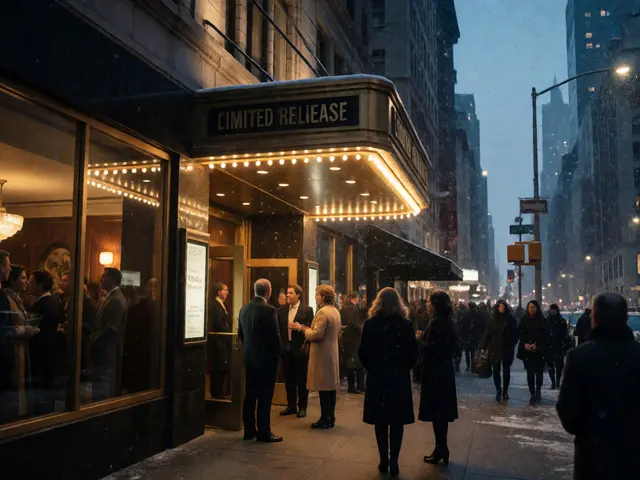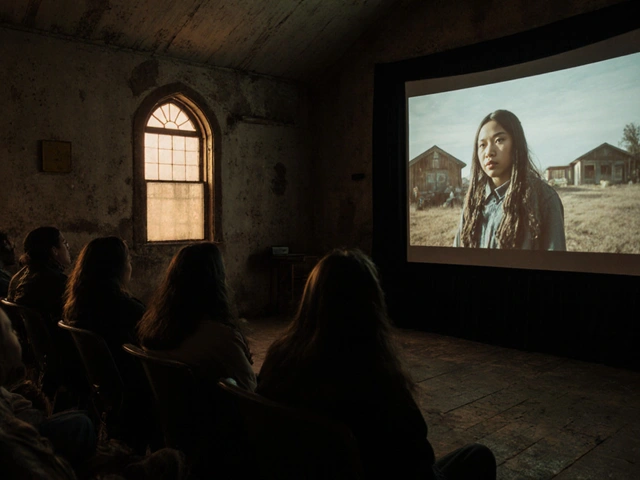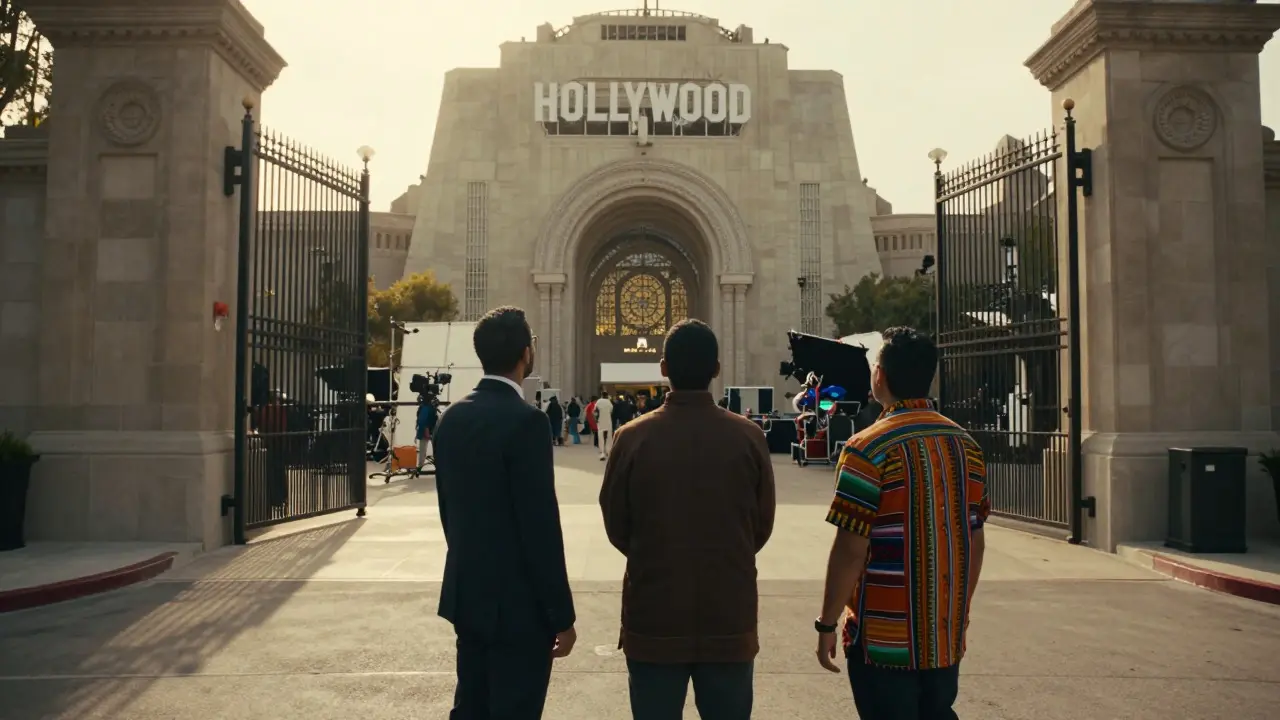
For decades, Hollywood was a fortress with high walls. You either came from the local system or you stayed out. But that wall has crumbled. In 2026, the most exciting tickets in town aren't for blockbusters made by the same ten people; they are for films helmed by visionaries who crossed oceans to tell stories that feel universal yet deeply specific. We are seeing a wave of international directors making their Hollywood debuts, bringing fresh rhythms, non-linear narratives, and raw emotional honesty to the biggest screens in the world.
This shift isn't just about diversity for the sake of it. It's about survival. Audiences are tired of formulaic third acts. They want the texture of life as it actually happens in Seoul, Lagos, or Buenos Aires. When these directors step onto Hollywood stages, they don't translate their style into English; they translate their culture into cinema. The result? Films that break the mold while still speaking the language of mass appeal.
Why the Gatekeepers Are Finally Opening Up
To understand why we are seeing this surge now, look at the box office data from the last three years. Domestic US audiences have shown a distinct preference for "authentic" storytelling over polished perfection. A study by the Motion Picture Association noted that films with significant international creative input saw a 40% higher retention rate among viewers aged 18-34 compared to standard studio productions. Why? Because young viewers grew up on global content. They watch K-dramas, consume European arthouse via streaming, and read news from everywhere. They recognize authenticity when they see it.
Streaming giants like Netflix and Amazon Studios played a crucial role here. By greenlighting mid-budget projects without demanding guaranteed theatrical returns, they created a safety net for studios. If an international director can prove their concept works globally through a streamer, the risk profile drops for a major theatrical release. This pipeline means that by the time a director hits the big screen, they often already have a proven track record in their home market.
The New Wave: Who Is Leading the Charge
Let's look at the faces driving this change. While names change every quarter, certain patterns emerge in 2026. We are seeing a rise in directors from East Asia, Latin America, and Northern Europe. These filmmakers bring distinct visual languages. For instance, Korean directors often employ tight framing and subtle performance cues, which contrasts sharply with the wide-shot, dialogue-heavy tradition of American indie films. When these styles meet Hollywood budgets, the visual impact is immediate.
- East Asian Visionaries: Known for meticulous production design and ensemble casting. Their debuts often feature complex social dynamics rather than singular hero arcs.
- Latin American Storytellers: Bringing vibrant color palettes and musical integration. Their films often blur the line between documentary realism and magical realism.
- European Minimalists: Focusing on long takes and natural lighting. They challenge the fast-cut editing pace that dominates mainstream action genres.
These aren't just aesthetic choices; they are narrative tools. A long take forces the audience to sit with discomfort. A sudden burst of music can signal emotional truth better than a monologue ever could. Hollywood producers are learning to trust these instincts because they work.

Navigating the Cultural Chasm
It’s not all smooth sailing. The biggest hurdle for any international director making their Hollywood debut is the "translation gap." This isn't just about language; it's about pacing and expectation. American audiences are conditioned to resolve tension quickly. International cinema often allows tension to simmer. When a director tries to keep that simmer, early reviews might call it "slow." But as word-of-mouth spreads, those same reviews often flip to praise for "atmosphere" and "depth."
Another critical factor is the co-writer dynamic. Most successful debuts involve a partnership where the international director handles direction and final cut, while a seasoned Hollywood screenwriter helps structure the plot for broader accessibility. This hybrid approach respects the director's voice while ensuring the story doesn't get lost in translation. Think of it as a bridge: one side stands firmly in local culture, the other reaches out to global audiences.
| Aspect | Traditional Hollywood Path | International Director Path (2026) |
|---|---|---|
| Development Time | 5-7 years (Assistant Director route) | 2-4 years (Festivals + Streaming proof) |
| Budget Focus | High VFX, Star Power | Performance, Atmosphere, Music |
| Audience Hook | Familiar Tropes | Cultural Specificity |
| Risk Profile | Low (Proven System) | Moderate (New Voice, Proven Market) |

The Role of Festivals as Launchpads
You cannot talk about these debuts without mentioning Cannes, Venice, and Toronto. These festivals have become the primary testing grounds for international talent. A film that wins the Jury Prize in Cannes no longer needs to convince a studio executive of its artistic merit; the market price speaks for itself. In 2026, we’ve seen several directors jump directly from a festival premiere to a wide North American release within six months. This speed was unheard of a decade ago.
Festivals also serve as networking hubs. Producers scout talent there, but so do composers, cinematographers, and editors. An international director arriving at Sundance isn't just selling a script; they are building a team. The relationships forged in those conference rooms often determine whether a debut feels isolated or supported. A strong crew can mitigate cultural misunderstandings during post-production, ensuring the final product honors the original intent.
What This Means for Moviegoers
Ultimately, this trend benefits you, the viewer. You get access to perspectives that were previously locked behind regional borders. You see how grief is processed in Japan versus how joy is celebrated in Brazil. You experience the silence of a Scandinavian winter and the chaos of a Mumbai street market, all within the comfort of your local theater. The barrier to entry for these films is lower than ever. With subtitles becoming a norm rather than a niche preference, the linguistic hurdle is disappearing. What remains is the emotional core, which is universal. Whether you speak English, Spanish, or Mandarin, the feeling of a well-told story transcends words. As more international directors make their Hollywood debuts, the definition of "mainstream" expands. It becomes less about where a film is made and more about how true it feels.
So, next time you see a poster with a name you don't recognize, don't skip it. That unfamiliar name might be the key to the most memorable movie you’ll watch this year. The future of cinema isn't coming from Los Angeles alone; it's arriving from everywhere else, ready to shake things up.
Do international directors need to learn English to work in Hollywood?
Not necessarily. Many directors work with trusted translators or rely on their first-language teams for initial drafts. However, basic communication skills help during on-set collaboration with actors and crew. The focus is increasingly on the director's visual language rather than verbal fluency.
Are these international debuts financially risky for studios?
They carry moderate risk, but it is mitigated by prior success in home markets or streaming platforms. Studios often secure distribution rights after a film performs well at major festivals, reducing the uncertainty compared to betting on unknown domestic talent.
How does the editing style differ between Hollywood and international cinema?
Hollywood editing tends to be faster-paced with shorter shot durations to maintain momentum. International cinema often uses longer takes and slower cuts to allow atmosphere and performance to breathe. This difference can initially confuse US audiences but often leads to deeper engagement once adjusted.
Which regions are currently producing the most Hollywood debutants?
As of 2026, South Korea, Mexico, and France are leading the charge. These regions have robust local industries that produce high-quality work, providing a deep pool of experienced directors ready to step onto the global stage.
Will this trend continue beyond 2026?
Yes, the structural changes in funding and audience habits suggest this is a permanent shift. As globalization continues and digital platforms remove geographical barriers, the flow of international talent into Hollywood will likely accelerate rather than slow down.