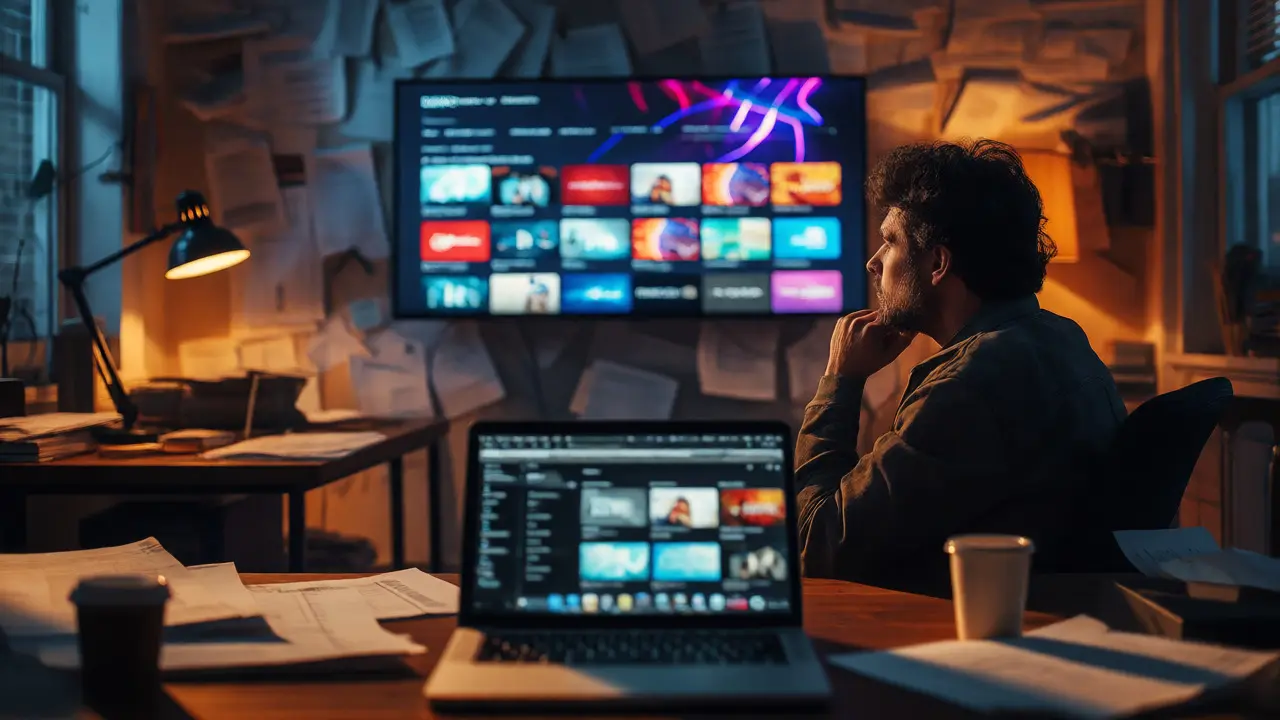
You spent two years making a feature film. You premiered it at Sundance, got decent reviews, and now you're staring at the reality that theatrical distribution isn't happening. Your agent says "go digital," but which digital? Netflix won't touch you without a star name. Amazon is flooded with content. And then there's this weird new world of FAST channels and AVOD platforms that everyone keeps talking about like it's the promised land for indie filmmakers.
Here's the thing nobody tells you upfront: Ad-Supported Video on Demand (AVOD) and Free Ad-Supported Streaming Television (FAST) aren't just buzzwords-they're legitimate revenue streams that can actually pay your bills if you understand how they work. But they're also traps if you treat them like traditional licensing deals. The money model is completely different, the audience behavior is radically different, and the way you package your film matters more than ever.
What Actually Counts as FAST vs. AVOD
People use these terms interchangeably, but they're not the same animal. Understanding the difference changes how you pitch your film and what you expect from each platform.
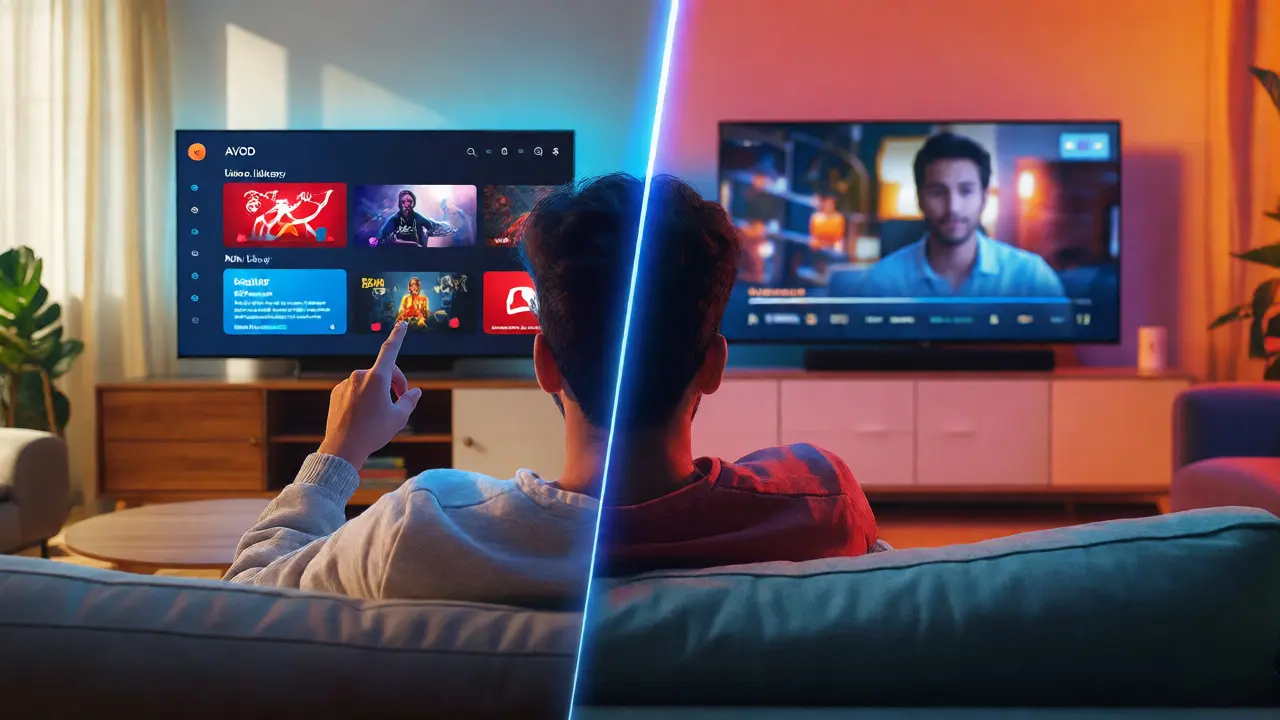
AVOD is on-demand viewing where users choose what to watch when they want, supported by advertisements inserted during playback. Think Tubi, Pluto TV's on-demand library, Roku Channel's movie section, or Freevee (Amazon's free tier). The viewer clicks play on your specific title whenever they feel like it.
FAST channels are linear, scheduled programming streams that mimic traditional cable TV but delivered over the internet for free with ads. Channels like CineLife on Samsung TV Plus, or HorrorHound on Xumo Play. Your film airs at a specific time slot, and viewers tune in passively, just like they would watch a network TV broadcast.
The distinction matters because your earnings calculation differs dramatically. On AVOD, you get paid per view or per minute watched-often called CPM (cost per thousand impressions) based models. On FAST, you might get a flat license fee for airing windows, or sometimes nothing upfront but exposure value. Some hybrid platforms do both simultaneously.
The Real Money Math Nobody Talks About
Let's kill the fantasy first. You're not going to make $50,000 from a single indie drama on Tubi unless you have massive organic traffic driving people to it. Here's realistic current data from industry reports:
| Platform Type | Revenue Model | Typical Earnings Range (Indie Film) | Payment Timeline |
|---|---|---|---|
| Tubi (AVOD) | CPM-based ($3-8 CPM typical) | $500 - $15,000 lifetime | Monthly, 60-day delay |
| Pluto TV (Hybrid FAST+AVOD) | License fee + CPM bonus | $2,000 - $25,000 upfront + ongoing | Quarterly |
| Roku Channel (AVOD) | Revenue share (40-60% split) | $1,000 - $10,000 annually | Quarterly |
| Samsung TV Plus (FAST) | Flat license for window | $500 - $5,000 per 12-month window | Upon delivery |
| Plex (AVOD) | Ad revenue share | $200 - $3,000 annually | Monthly |
Notice something? These numbers assume your film gets discovered. A horror film with a catchy thumbnail might pull 50,000 views in month one. A quiet family drama might get 2,000 views total across six months. The algorithm gods decide your fate more than any festival premiere does.
But here's the opportunity most filmmakers miss: stacking. If you distribute non-exclusively (check your contracts!), your film could be live on Tubi, Roku, Plex, and three FAST channels simultaneously. That's five separate revenue streams hitting your bank account. One filmmaker I know made $28,000 in 2025 from a low-budget thriller distributed across seven platforms-not life-changing, but enough to fund his next project's development costs.
Which Genres Actually Perform?
This isn't subjective opinion. Platform data consistently shows certain genres outperform others by factors of 3x to 10x on ad-supported platforms. Why? Because casual viewers scrolling through options make snap decisions based on genre familiarity.
- Horror and Thriller: Consistently top performers. Viewers seek quick entertainment hits. Low production value doesn't hurt as much if the concept is strong.
- Action/Exploitation: Think direct-to-video style films. High energy, clear stakes, minimal dialogue-heavy scenes.
- Romantic Comedies: Strong performance among female-skewing audiences on platforms like Hallmark-affiliated FAST channels.
- Documentaries: Niche but loyal audiences. True crime docs especially perform well on Crime & Investigation-style FAST channels.
- Family/Animation: Growing segment as parents look for free content for kids. Works best with recognizable voice talent.
Arthouse dramas, experimental films, and heavily dialogue-driven narratives struggle significantly. They require active engagement rather than passive background viewing. If your film falls into the latter category, consider whether AVOD is really your primary strategy or just a secondary income stream.
Packaging Matters More Than Quality
You've heard "don't judge a book by its cover." On AVOD/FAST, viewers literally judge films by thumbnails and titles in under two seconds. Your beautiful 4K cinematography means nothing if the thumbnail looks like a stock photo slideshow.
Successful packaging strategies include:
- Title Optimization: Add descriptive keywords. Instead of "Whispers in the Dark," try "Whispers in the Dark: Supernatural Horror Thriller." Yes, it's clunky. It works.
- Thumbnail Design: Bright colors, clear faces showing emotion, high contrast. Study what's trending on Tubi's homepage weekly.
- Metadata Completion: Fill every field the platform allows. Cast names, director credits, sub-genres, content warnings. Algorithms use this data for recommendations.
- Episode Structure (if applicable): Some platforms favor shorter runtimes. Consider editing a 120-minute film into two 60-minute parts if allowed.
A/B testing your thumbnail after launch can increase click-through rates by 20-40%. Most aggregators offer this capability. Use it.
Aggregators vs. Direct Deals: Which Route?
You have two main paths to getting on these platforms:
Aggregators like Quiver Distribution, FilmRise, or ShortsTV act as middlemen who handle technical delivery, platform relationships, and payment collection for a percentage cut (typically 15-30%). They take your film and place it on multiple platforms simultaneously.
Direct Deals mean negotiating directly with individual platforms, handling all technical specs yourself, and keeping higher margins but doing more administrative work.
| Factor | Aggregator | Direct Deal |
|---|---|---|
| Upfront Cost | $500-$2,000 setup fee | $0 (but time investment) |
| Commission | 15-30% | 0% |
| Platform Reach | Broad (10-20 platforms) | Selective (2-5 platforms) |
| Technical Support | Handled by aggregator | Your responsibility |
| Negotiation Power | Low (standard terms) | Higher (customizable) |
| Payment Reliability | High (aggregator consolidates) | Variable (platform-dependent) |
For first-time distributors, aggregators reduce friction significantly. Once you understand the ecosystem, direct deals maximize profit on proven performers.

Common Pitfalls That Kill Revenue
I've seen filmmakers sabotage their own success repeatedly. Avoid these mistakes:
- Exclusive Contracts Too Early: Signing an exclusive deal with one platform before testing broader distribution limits your earning potential. Try non-exclusive first.
- Ignoring Technical Specs: Each platform has specific audio loudness requirements (usually -24 LUFS), aspect ratios, and file formats. Rejections waste weeks.
- No Marketing Push: Don't assume algorithms will find you. Run social media campaigns directing traffic specifically to the platform links. Tag the platform in posts.
- Overlooking International Markets: Many AVOD platforms operate globally. Ensure your film has appropriate subtitles. Spanish-language markets on platforms like Vix show surprising growth.
- Forgetting Renewal Windows: License agreements often auto-renew or expire silently. Track dates. Renegotiate when your film gains traction elsewhere.
The Future Isn't Just Ads
By late 2026, we're seeing hybrid models emerge. Some platforms introduce premium tiers within free services-viewers pay $2.99/month to remove ads from your film while you earn higher per-view rates. Others experiment with interactive advertising where viewers engage with brand integrations inside the content itself.
Also watch for AI-driven personalization improving recommendation accuracy. As platforms better match your film to likely viewers, conversion rates improve. This favors films with clear genre signals and strong metadata.
The bottom line? FAST and AVOD won't replace prestige festival runs or theatrical releases for breakthrough films. But for the vast majority of independent features, they represent the most accessible path to actual revenue. Treat them seriously, optimize aggressively, stack your distributions, and keep marketing even after release day passes.
Do I need a distributor to get my film on AVOD platforms?
No, many platforms accept self-submissions directly. However, using an aggregator simplifies technical compliance and multi-platform placement. For beginners, aggregators reduce administrative burden despite taking a commission.
How long should I license my film to FAST channels?
Standard windows range from 6 to 24 months. Shorter windows allow renegotiation if your film gains popularity elsewhere. Longer windows provide stable income but limit flexibility. Start with 12-month terms unless offered better rates for longer commitments.
Can I still sell foreign rights if my film is on US AVOD platforms?
Usually yes, if your agreement specifies territorial restrictions. Most US-focused AVOD deals exclude international territories. Always verify the contract explicitly states which regions are covered to avoid conflicts with foreign sales agents.
What resolution and format do platforms require?
Most major platforms require ProRes 422 HQ or H.264 MP4 files in 1080p minimum, though some now support 4K. Audio must typically be stereo or 5.1 surround at -24 LUFS loudness standard. Check each platform's latest delivery specifications as they update frequently.
Is AVOD better than SVOD for indie filmmakers?
SVOD (subscription video on demand like Netflix) offers larger upfront payments but fewer opportunities due to high competition. AVOD provides lower per-unit earnings but broader accessibility and ongoing residual income. For most indie films, AVOD offers more consistent long-term returns.





Comments(9)