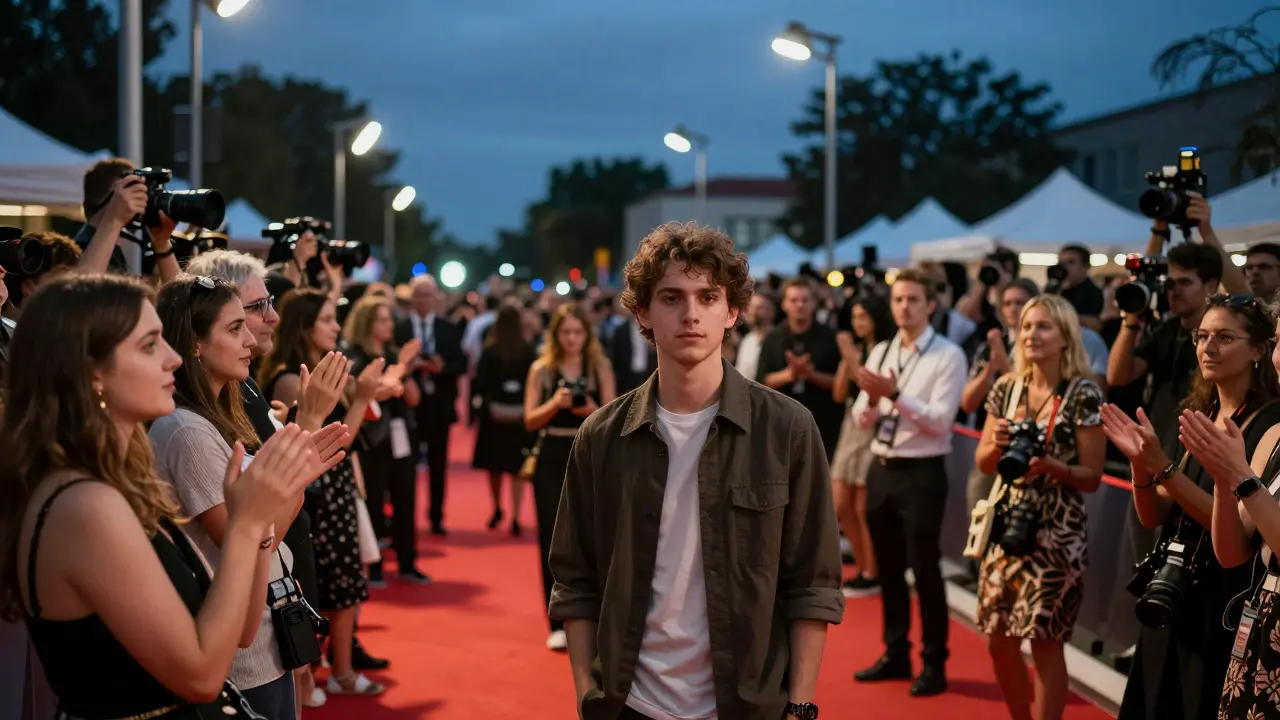
Walk into any major festival lineup this year and you’ll notice a shift. The spotlight isn’t just on the A-list stars or the established studio heavyweights anymore. It’s on the people behind the camera who are rewriting the rules of storytelling. We are witnessing a distinct era where emerging directors are not just filling slots; they are defining the visual and narrative language of modern cinema. From intimate character studies shot on location in rural towns to high-concept sci-fi epics produced with lean budgets, these up-and-coming filmmakers are proving that vision matters more than pedigree.
If you’ve been feeling like recent blockbusters lack soul, this is your sign to look elsewhere. The next generation of storytellers is bringing raw authenticity, diverse perspectives, and technical innovation to the screen. They aren’t waiting for permission from Hollywood gatekeepers. They are building their own ecosystems, often starting with short films or low-budget features that gain traction through word-of-mouth and digital platforms. Understanding who these voices are is crucial for anyone who cares about where cinema is heading in the next decade.
Why This Generation Is Different
The current crop of rising talent didn’t grow up watching only one type of movie. Their influences are fragmented and global. While previous generations might have idolized a single master like Kubrick or Spielberg, today’s directors cite everything from Japanese animation to African Nollywood productions, from viral TikTok aesthetics to classic French New Wave cinema. This cross-pollination results in a unique stylistic blend that feels fresh because it hasn’t been seen before.
Technology has also democratized access. You no longer need a $50 million budget to shoot a visually stunning film. High-resolution cameras now cost less than a mid-range laptop, and editing software is accessible to anyone with an internet connection. This means that a filmmaker in Asheville can produce work that competes technically with a production in Los Angeles. The barrier to entry has dropped, but the bar for creativity has risen. Audiences are smarter now. They can spot a lazy script or a generic performance from a mile away. Emerging directors know this. They focus on specificity-specific characters, specific places, and specific emotions.
Key Profiles: The Voices Leading the Charge
To understand the landscape, we need to look at specific examples of how these filmmakers are executing their visions. Here are three archetypes of emerging directors making waves right now:
- The Auteur Minimalist: Think of directors who strip away all non-essential elements. They use natural light, long takes, and minimal dialogue. Their films feel like breathing exercises. They challenge the audience to sit with silence and observe subtle facial expressions. This approach builds intense intimacy between the viewer and the character.
- The Genre Hybridizer: These filmmakers refuse to pick one lane. They mix horror with comedy, or drama with science fiction. By breaking genre conventions, they create unexpected emotional responses. A scene that should be scary becomes funny, or a romantic moment turns terrifying. This unpredictability keeps audiences engaged and talking about the film after the credits roll.
- The Social Realist: Focused on underrepresented communities, these directors bring stories to the screen that were previously ignored by mainstream studios. They often cast non-professional actors from the communities they depict. The result is a level of authenticity that polished studio productions rarely achieve. Their work serves as both entertainment and social commentary.
These categories aren’t mutually exclusive. Many directors blend elements from each. But recognizing these trends helps you identify what to look for when scouting new talent. Look for films that take risks. If a movie feels safe and predictable, it’s likely not pushing the boundaries that define this new wave.
How to Spot Talent Before It Blows Up
You don’t need to be a critic to find great emerging directors. In fact, being an everyday viewer gives you a fresh perspective. Here is a practical strategy for discovering new voices:
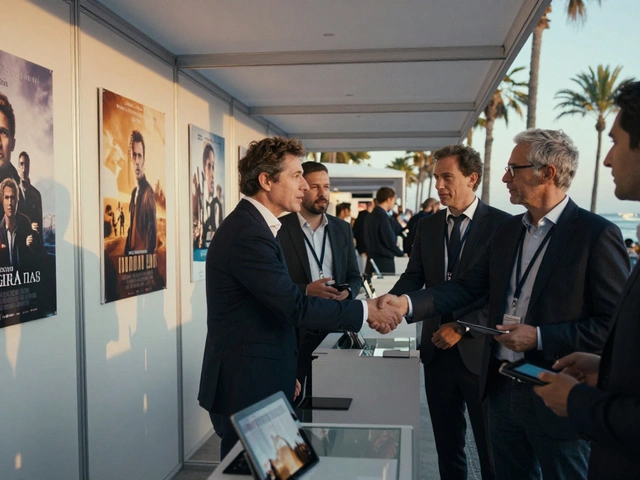
- Follow Festival Lineups: Major festivals like Sundance, Cannes, and Toronto International Film Festival (TIFF) are the primary incubators for new talent. You don’t need to attend in person. Most festivals release full programs online. Scan the "Directors’ Debut" sections. If a name appears multiple times across different years, pay attention.
- Check Streaming Platform Originals: Platforms like Netflix, Mubi, and Criterion Channel have dedicated sections for independent cinema. Mubi, in particular, curates a strong selection of international and experimental works. Spend an hour browsing their "New Releases" or "Director Spotlight" features.
- Look at Short Films: Many feature-length breakthroughs start as shorts. Sites like Vimeo Staff Picks or YouTube channels dedicated to indie film showcase raw talent. A compelling 10-minute short often reveals a director’s true voice better than a compromised feature film made for a studio.
- Read Indie Press Coverage: Publications like Variety, The Hollywood Reporter, and niche blogs like IndieWire provide early reviews and interviews. Look for articles titled "Rising Stars" or "Watch Lists." These pieces often highlight directors before their breakout hits reach wide release.
Consistency is key. Don’t expect every new film to be a masterpiece. Some will miss the mark. But if you commit to watching two or three new titles a month, you’ll quickly build a library of favorite voices. You’ll start to recognize patterns in their style, recurring themes, and evolving techniques.
The Role of Technology in Modern Direction
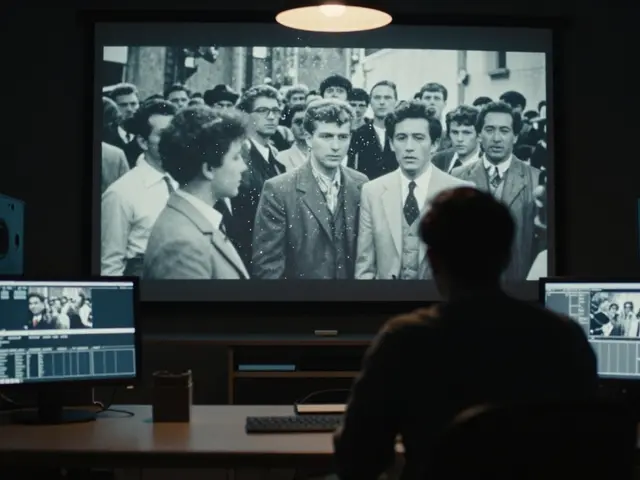
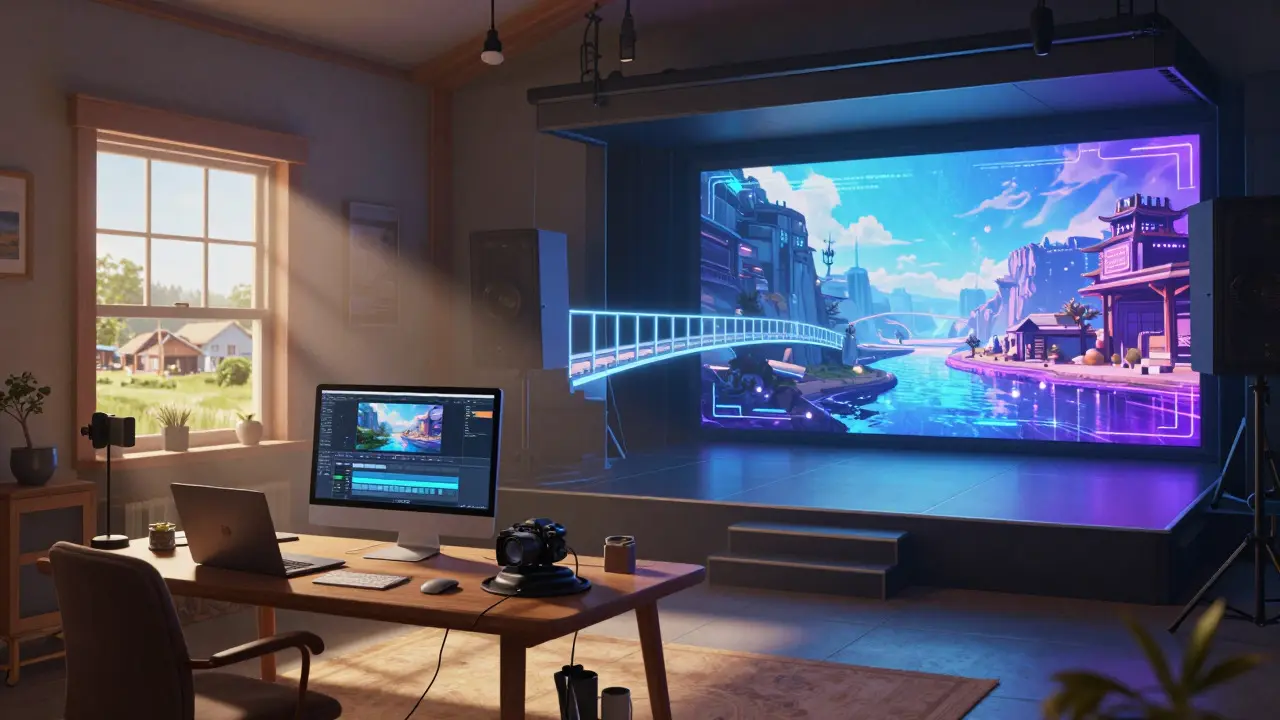
It’s impossible to talk about emerging directors without mentioning the tools they use. The technological landscape has shifted dramatically in the last five years. Virtual production, using LED walls instead of green screens, allows directors to create immersive environments without leaving the soundstage. This technology, once reserved for massive blockbusters, is now available to smaller productions thanks to modular systems.
Artificial Intelligence (AI) is another factor. While some fear AI will replace human creativity, many emerging directors are using it as a creative partner. They use AI for storyboarding, color grading, and even generating concept art. However, the consensus among top talent is that AI enhances the director’s vision rather than replacing it. The human element-the decision of *why* to tell a story and *how* to make the audience feel something-remains irreplaceable.
| Aspect | Traditional Studio Approach | Emerging Independent Approach |
|---|---|---|
| Budget Focus | High budget, risk-averse | Low budget, high risk/reward |
| Casting | A-list names for box office draw | Non-professionals or character actors for authenticity |
| Narrative Structure | Predictable three-act structure | Experimental, non-linear, or open-ended |
| Visual Style | Polished, standardized lighting | Raw, naturalistic, or highly stylized |
| Distribution | Wide theatrical release | Festival circuit to streaming/digital |
Challenges Facing New Filmmakers
Despite the optimism, the path is not easy. Funding remains the biggest hurdle. Even with lower production costs, getting a film finished requires capital. Crowdfunding platforms help, but they are not a guaranteed solution. Many talented directors struggle to secure distribution deals that respect their artistic intent. Studios may offer money but demand changes to the cut, diluting the original vision.
There is also the issue of visibility. With so much content available online, standing out is difficult. Algorithms favor familiar faces and established franchises. An unknown director’s film might get buried under thousands of other releases. To combat this, many emerging filmmakers build direct relationships with audiences through social media, newsletters, and community screenings. Building a fanbase before the film is released creates a buzz that traditional marketing struggles to replicate.
What This Means for the Future of Cinema
The rise of these new voices suggests a future where cinema becomes more diverse and personally resonant. We are moving away from the "one size fits all" blockbuster model toward a fragmented ecosystem of niche genres and personal narratives. This is good news for viewers. It means there is always something new to watch that speaks directly to your interests.
For aspiring filmmakers, the message is clear: start now. You don’t need permission. You don’t need a degree. You need a story that only you can tell and the discipline to execute it. The tools are in your hands. The audience is ready. All that’s left is to press record.
Frequently Asked Questions
Where can I find films by emerging directors?
Start with curated streaming platforms like Mubi, Criterion Channel, and Netflix's independent section. Also, check local film society screenings and festival archives which are often available online after the event concludes.
Do emerging directors usually start with short films?
Many do. Short films allow directors to experiment with style and narrative without the financial risk of a feature length project. They serve as calling cards to attract producers and investors for larger projects.
Is it harder for new directors to get funded today?
Funding is competitive, but opportunities have diversified. Beyond traditional grants and studio deals, crowdfunding, tax incentives, and private equity funds focused on independent cinema provide multiple avenues for financing.
What makes a director 'emerging' versus 'established'?
Generally, an emerging director is someone who has released fewer than three feature films and has not yet achieved widespread commercial success or critical acclaim on a global scale. Once a director consistently fills theaters and wins major awards, they transition into the established category.
How does technology impact the work of new filmmakers?
Technology lowers the barrier to entry. Affordable high-quality cameras and editing software allow individuals to produce professional-grade footage. Tools like virtual production and AI-assisted design enable complex visuals without massive crews or sets.