You have $50,000 in your bank account. You want to make a movie. The camera looks great on Amazon. The actors are friends who will work for free. So why does the money vanish before you even press record? This is the most common shock for new filmmakers. We assume filmmaking is just hitting 'record' and editing later. In reality, independent film production is a complex ecosystem of logistics, legalities, and hidden fees.
Understanding where money goes in independent film budgeting is the process of allocating financial resources across pre-production, production, and post-production phases to ensure a project is completed without running out of funds isn't about restricting creativity. It’s about survival. If you don’t know what a grip truck costs, or why you need errors and omissions insurance, your film won’t get distributed. It will sit on a hard drive, unfinished.
This breakdown strips away the Hollywood gloss. We aren't talking about $100 million blockbusters with star salaries that dwarf the entire production cost. We are talking about micro-budgets and indie productions where every dollar fights for its life. Here is exactly where your money disappears, phase by phase.
The Two Buckets: Above vs. Below the Line
Before looking at specific line items, you need to understand the industry standard for categorizing costs. Every professional budget splits expenses into two main buckets: Above the Line (ATL) and Below the Line (BTL). This distinction matters because investors look at these numbers differently.
Above the Line costs are usually fixed. They are negotiated before filming starts. This includes the script, the director, the producer, and the lead actors. These are the creative forces. If you hire a known actor, this number skyrockets. If you use unknown talent, it stays low. In indie films, ATL often accounts for 15-25% of the total budget.
Below the Line costs are variable. They depend on how many days you shoot, how many crew members you hire, and how much equipment you rent. This includes cameras, lighting, sound, catering, transportation, and set construction. BTL typically makes up 75-85% of an indie budget. This is where most first-time directors get blindsided. You might save money on the star, but if you shoot five extra days because you weren't prepared, your BTL costs eat your profit margin.
Pre-Production: The Invisible Costs
Most beginners think pre-production is just writing the script. Wrong. Pre-production is where you build the machine that makes the movie. If you skip steps here, you pay triple during production.
- Script Development: Even if you write it yourself, you need coverage readers or consultants. A bad script is the most expensive thing you can produce. Budget $500-$2,000 for professional feedback.
- Casting: You need a casting director or at least time to audition. If you cast poorly, you waste shooting days. Budget for headshots, meeting spaces, and potentially small stipends for actors to keep them committed.
- Location Scouting & Fees: Free locations are rarely truly free. You might need to pay for parking permits, location managers, or cleanup crews. Some cafes charge $500/day just to let you film there.
- Legal & Insurance: This is non-negotiable. You need production insurance (general liability) to rent gear and secure locations. You also need option agreements for your script and release forms for everyone involved. Budget $1,500-$3,000 minimum for basic coverage.
- Scheduling & Storyboarding: Software like Movie Magic Scheduling or Celtx helps you plan shots efficiently. A day out of schedule can cost thousands in lost labor.
In my experience working on indie sets in Asheville, I’ve seen productions lose $2,000 in one afternoon because they didn’t scout the light properly. They had to wait for the sun to move, paying crew overtime while standing still. Pre-production prevents this.
Production: The Cash Burn Phase
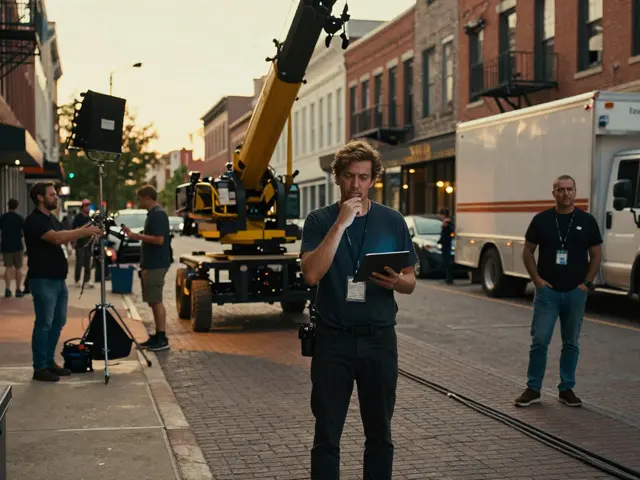
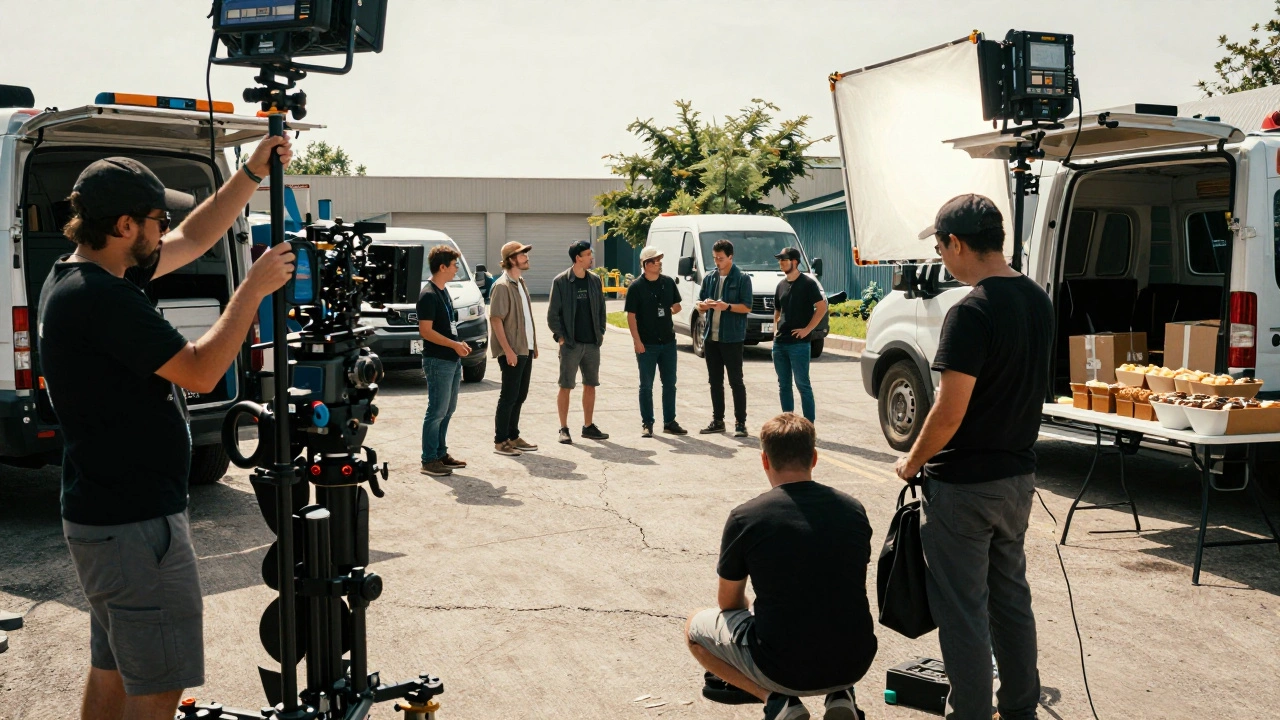
Once you start shooting, money leaves your account hourly. This is the most volatile part of the budget. Here is the breakdown of typical daily costs for a micro-budget indie film (2026 estimates).
| Department | Low End (Micro) | Mid Range (Indie) | Notes |
|---|---|---|---|
| Crew Labor | $150 - $300/person | $400 - $800/person | Includes Director, DP, Sound, Gaffer. Union rates are much higher. |
| Equipment Rental | $200 - $500/day | $1,000 - $3,000/day | Camera package, lenses, lighting, audio gear. |
| Catering/Craft Services | $25 - $50/head | $75 - $150/head | Never skimp on food. Hungry crew works slower. |
| Transportation | $100 - $300/day | $500 - $1,000/day | Gas, rentals, or U-Hauls for gear moves. |
| Contingency | 5% of total | 10% of total | Money set aside for emergencies (rain, injury, broken gear). |
Cast Stipends: Even if actors work for "deferred payment," you should budget for their meals and travel. Professionalism keeps talent happy.
Post-Production Prep: Don’t forget data management. You need hard drives and backups. Losing footage is not a plot twist; it’s a disaster. Budget for DIT (Digital Imaging Technician) services or reliable storage solutions.
Post-Production: Where Movies Are Made
Many indie filmmakers treat post-production as an afterthought. They spend all their money shooting and have nothing left to edit. This results in a rough cut that never gets finished. Post-production can take 3-6 months, and costs accumulate slowly but surely.
- Editing: If you edit it yourself, your cost is software (Adobe Premiere Pro, DaVinci Resolve). If you hire an editor, expect to pay $50-$150/hour. A good editor saves a bad shoot.
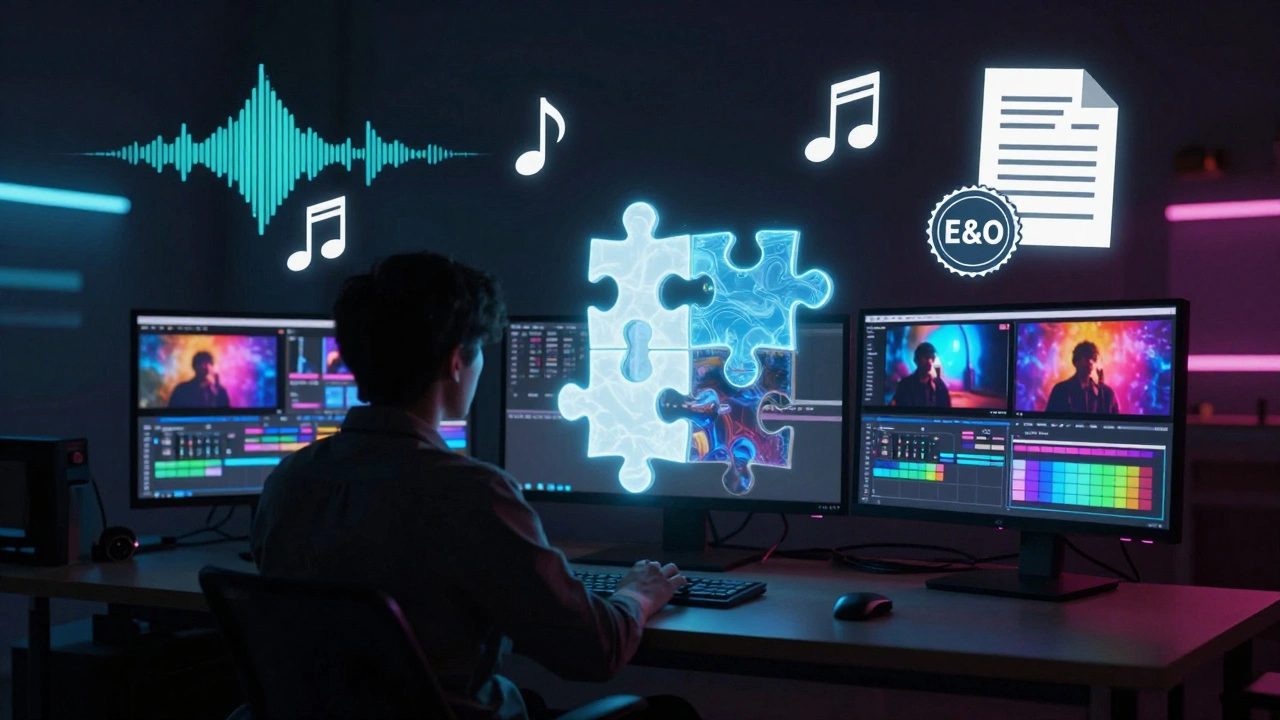
- Sound Design & Mixing: Bad audio ruins a film faster than bad video. You need a sound mixer to clean up dialogue, add Foley (footsteps, clothing rustle), and mix levels. Budget $2,000-$10,000 for professional sound design.
- Color Grading: Raw footage looks flat. Color grading gives your film its mood. A professional grade can cost $1,000-$5,000 depending on complexity.
- Music Licensing: This is a trap. Using popular songs without clearance can lead to lawsuits costing tens of thousands. Either compose original music ($1,000-$5,000) or license royalty-free tracks from libraries like Artlist or Epidemic Sound ($200-$500/year).
- VFX & Graphics: Titles, logos, and minor visual effects. Even simple title sequences require design skills.
In 2026, AI tools are helping lower some of these costs. AI-assisted transcription speeds up editing, and generative audio tools help with sound effects. However, human oversight remains critical. AI cannot fix a poorly recorded interview or replace the emotional intuition of a skilled editor.
Distribution & Marketing: The Final Hurdle
Your film is done. Great. Now what? Most people forget that distribution is a separate budget line item. Festivals, streaming platforms, and theaters all have fees.
- Festival Submission Fees: Submitting to Sundance, TIFF, or local festivals costs $50-$100 per entry. If you submit to 20 festivals, that’s $2,000. Many filmmakers budget $3,000-$5,000 for festival strategy.
- Marketing Materials: Trailers, posters, press kits, and website hosting. You need a professional trailer to sell your film. Budget $1,000-$3,000 for marketing assets.
- Legal Clearance: Before any platform accepts your film, you need E&O (Errors and Omissions) insurance. This proves you have rights to all music, locations, and likenesses. Lawyers charge $2,000-$5,000 for this review.
- Festivals & Screenings: Travel costs to attend premieres. Building relationships with programmers requires presence.
If you aim for theatrical release, the costs explode. Printing film reels (DCPs) and advertising locally can cost $10,000+. For most indies, a hybrid strategy-festivals followed by VOD (Video on Demand) distribution-is more realistic.
Common Budget Pitfalls to Avoid
I’ve reviewed dozens of indie budgets over the years. Here are the three biggest mistakes that kill projects:
- Underestimating Time: Shooting takes longer than you think. Always add 10-15% buffer days. Weather, illness, and technical issues happen.
- Ignoring Contingency: Never budget 100% of your money. Keep 10% in reserve. If you don’t need it, you keep it. If you do, you survive.
- Over-Investing in Gear: Renting is better than buying for one-off projects. Buying a $10,000 camera package ties up capital that could go toward sound or editing.
Another subtle trap is "scope creep." You start with a two-location story, then decide to add a car chase. Suddenly, you need vehicles, permits, and extra crew. Stick to the script. Discipline saves budgets.
Tools for Managing Your Budget
You don’t need Excel spreadsheets to manage an indie budget. There are specialized tools designed for film production.
- Moviestorm / StudioBinder: Cloud-based scheduling and budgeting tools. They allow real-time collaboration between producers and department heads.
- Movie Magic Budgeting: The industry standard. Steep learning curve, but essential for larger indie productions seeking investor confidence.
- Google Sheets + Templates: For micro-budgets under $10k, a well-structured spreadsheet is sufficient. Focus on clarity, not complexity.
Whichever tool you choose, update it daily. A budget is a living document. If you overspend on lunch Monday, reduce spending on props Tuesday. Transparency builds trust with your crew and investors.
What percentage of a film budget should go to post-production?
Aim for 15-20% of your total budget for post-production. This covers editing, sound design, color grading, and music licensing. Skimping here leads to a polished-looking film with unwatchable audio, which audiences reject immediately.
How much contingency should I include in my indie film budget?
Include at least 10% contingency. This fund covers unexpected costs like weather delays, equipment failure, or additional location fees. Without it, a single surprise can halt production entirely.
Is it worth hiring union crew for an independent film?
For micro-budgets, non-union crew is more cost-effective. However, if you plan to distribute widely or scale up, consider hiring key union members (like DP or Editor) to ensure quality and meet certain platform requirements. Always check local guild rules.
What are Errors and Omissions (E&O) insurance costs for indie films?
E&O insurance typically costs between $2,000 and $5,000 for indie films. It protects you against lawsuits related to copyright infringement, defamation, or privacy violations. Most distributors require this before accepting your film.
Can I use free stock music in my independent film?
Be cautious. "Free" often means limited commercial use or attribution requirements. For professional distribution, license music from reputable libraries or commission original scores. Unauthorized music use can result in costly takedowns or legal action.