Horror films in 2025 aren’t just jumping scares and creaky doors-they’re getting smarter, darker, and weirder than ever. With studios doubling down on original stories and indie filmmakers pushing boundaries, this year’s lineup feels like a reset for the genre. No reboots. No sequels you’ve seen before. Just fresh nightmares you won’t forget. Here are the horror films premiering in 2025 that actually matter.
1. The Hollowing
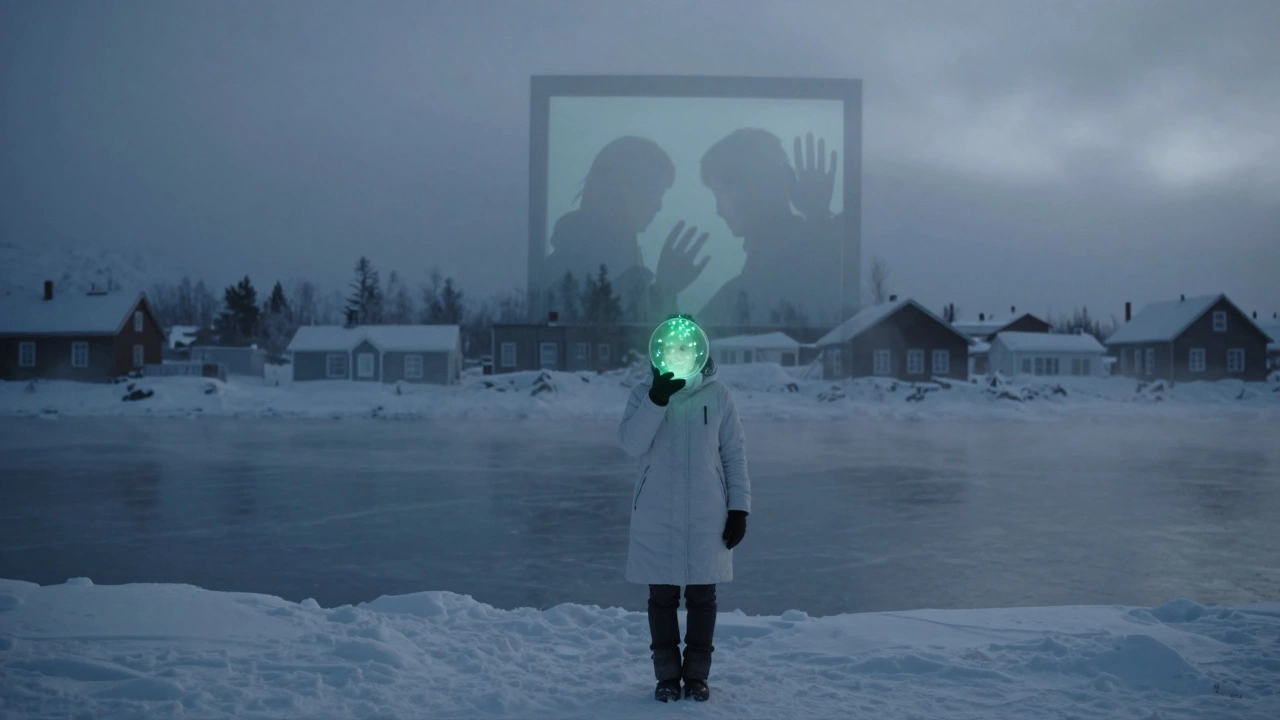
From director Lila Chen (Waking the Quiet), The Hollowing is a psychological horror set in a remote Alaskan town where residents start losing their memories-not all at once, but in tiny, daily chunks. One man wakes up forgetting his daughter’s name. Another can’t recall how to tie his shoes. The town’s only doctor, played by Florence Pugh, discovers the cause: a fungal spore buried under permafrost, thawed by climate change. The horror isn’t the infection. It’s watching someone you love slowly become a stranger. The film’s ending, where the protagonist chooses to stay behind as the town collapses into silence, has already divided audiences at early screenings. This isn’t a monster movie. It’s a slow unraveling of identity, and it’s terrifying because it could happen.
2. Static
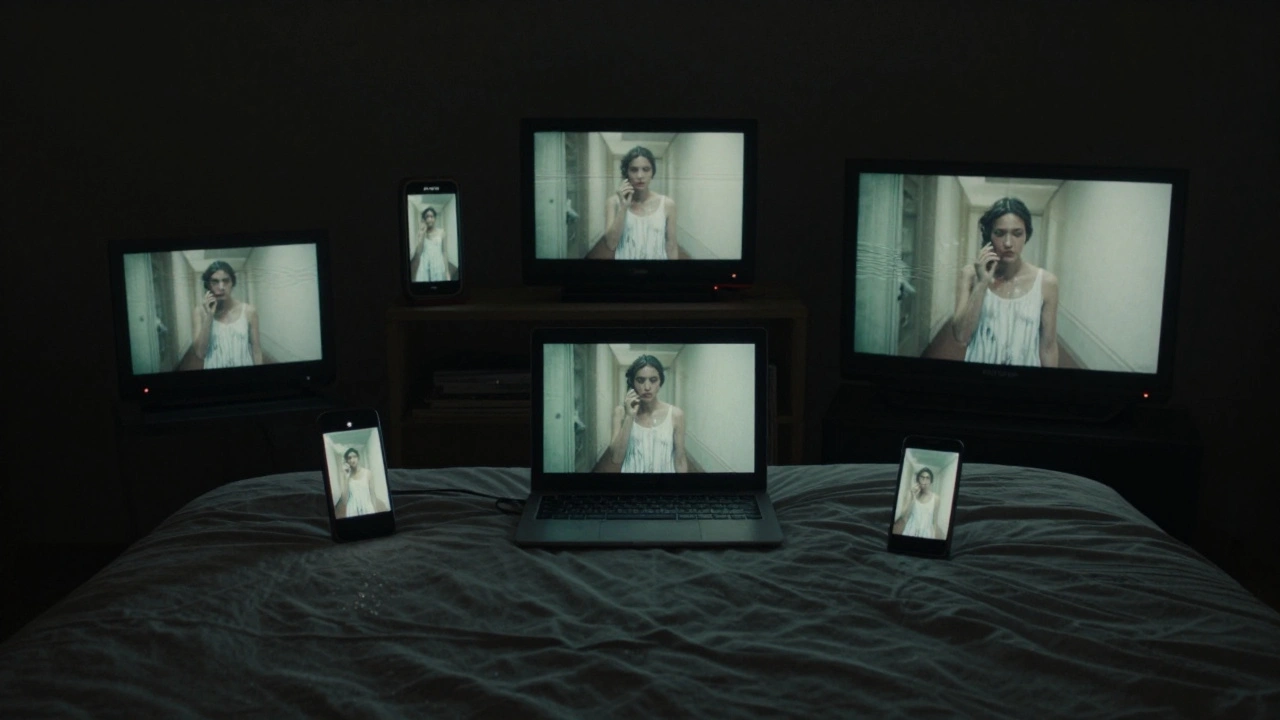
Think It Follows meets The Ring. Static follows a group of Gen Z teens who livestream their late-night horror movie marathons. One night, they accidentally broadcast a signal from an old VHS tape found in a thrift store. After the stream ends, every device in the house begins playing the same 17-second clip: a woman in a white dress standing in a hallway, whispering a name. The next morning, one of them is gone. No signs of struggle. No footprints. Just an empty bed and a phone still recording static. The film’s genius is in its sound design. Every scene is laced with faint, evolving static-sometimes soothing, sometimes screaming. By the third act, you’ll find yourself checking your speakers. Director Marcus Reed used real analog interference recordings from 1980s broadcast towers. The result? A film that doesn’t just scare you-it lingers in your ears.
3. Our Lady of the Drowned
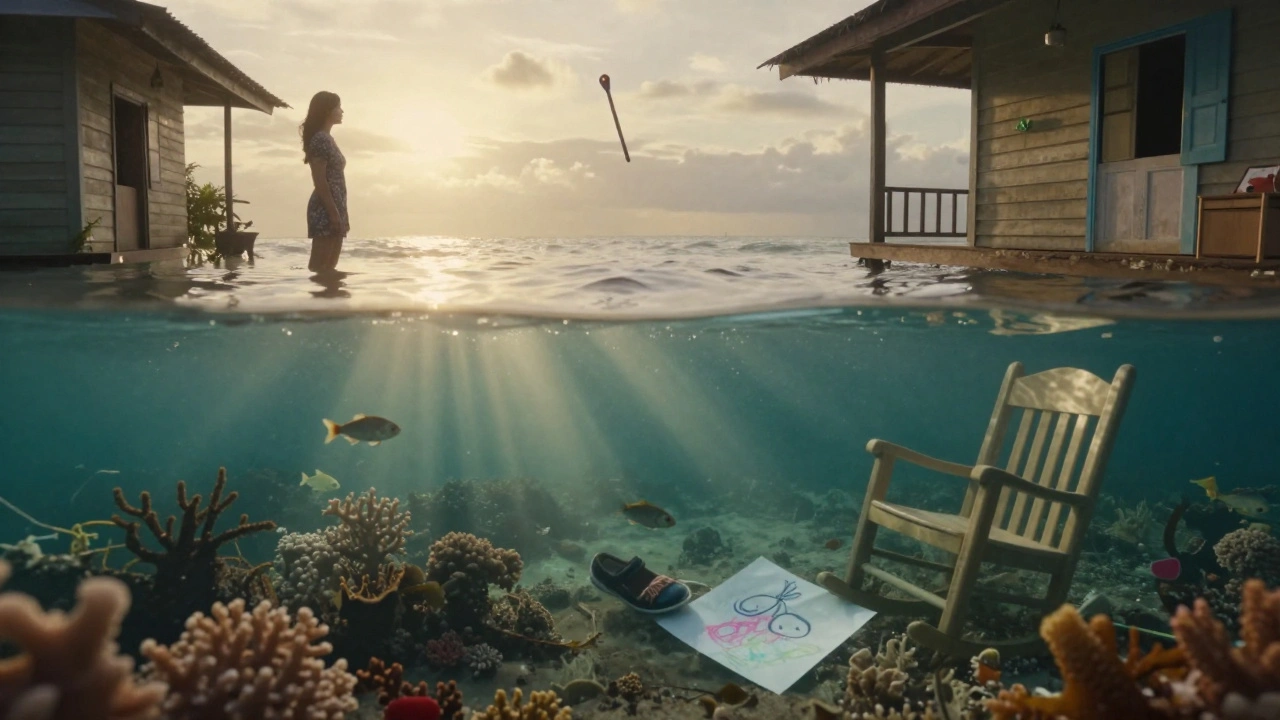
Set in a flooded coastal town in the Philippines, this folk horror film centers on a mother who believes her drowned daughter is still alive… because the sea keeps returning her belongings. A shoe. A hairpin. A child’s drawing. Each item arrives at high tide, clean and dry, as if washed by something that doesn’t forget. When a priest arrives to investigate, he uncovers a local legend: a drowned girl who became a spirit of vengeance after her family abandoned her during a typhoon. The film’s visuals are hauntingly beautiful-underwater shots filmed with natural light, coral growing through broken toys, fish swimming through the hollows of a child’s bedroom. The real horror? The mother’s slow realization that the sea isn’t bringing back her daughter. It’s replacing her.
4. Chamber 23
Based on declassified military files from the 1980s, Chamber 23 is a found-footage film about a secret experiment at a Cold War bunker. Scientists tried to isolate human fear by locking volunteers in a room with no windows, no sound, and no time cues. One subject survived 47 days. The others? They stopped speaking. Then stopped breathing. The footage, recovered from a rusted hard drive, shows the final subject staring into a mirror… and whispering in a voice that isn’t his own. The film’s most chilling moment comes at minute 89: the camera pans to the mirror, and for three seconds, the reflection doesn’t move with the man. It smiles. The director, Elena Ruiz, worked with neuroscientists to replicate sensory deprivation effects. Test audiences reported hallucinations after just 10 minutes of watching. This isn’t fiction. It’s a warning.
5. What the Trees Remember
A quiet, slow-burn horror from the director of The Quiet Hour, this film follows a botanist who returns to her childhood home after her mother’s death. The house sits at the edge of a forest that, according to local records, hasn’t changed in 200 years. But the trees… they’ve grown. In patterns. In shapes. Faces. Names. The protagonist begins finding initials carved into bark-names of people who vanished in the town over the last century. Each tree holds a memory. Not just of death. Of fear. Of the moment someone realized they were being watched. The film uses real tree-ring data from the Pacific Northwest to map growth anomalies. When the protagonist finally touches a tree, she doesn’t just hear a voice. She feels the panic of every person who died there. The film ends with her walking into the woods, leaving her phone behind. The last shot? A sapling growing in her empty bedroom, its bark already etched with her name.
Why 2025 Is Different
Horror in 2025 isn’t chasing trends. It’s digging into real fears: climate collapse, digital isolation, eroded identity, forgotten histories. These films don’t rely on jump scares because they don’t need to. The dread comes from recognition. You’ve felt the static on your phone. You’ve forgotten a name. You’ve looked at a tree and wondered if it was always there. These movies work because they’re not about monsters under the bed. They’re about what happens when the bed itself starts changing.
What’s Missing
There’s no haunted house remake. No slasher with a mask. No found footage of a group of college kids in the woods. That’s the point. Studios are betting on originality, not nostalgia. Even the big names-A24, Neon, and even Blumhouse-are investing in directors who’ve never made a feature before. The result? A year where horror feels dangerous again. Not because it’s bloody. But because it’s true.
Where to Watch
Most of these films are hitting theaters in late summer and fall 2025. The Hollowing and Chamber 23 will debut at Sundance in January. Static and Our Lady of the Drowned are streaming exclusively on Shudder by October. What the Trees Remember is a limited theatrical run with no digital release-because, as the director said, "Some things should be seen in the dark, alone, with the lights off."
Are any of these horror films based on true stories?
Some are loosely inspired by real events. Chamber 23 uses declassified U.S. military documents from the 1980s about sensory deprivation experiments. What the Trees Remember draws from documented cases of tree growth anomalies in the Pacific Northwest, where certain forests show unnatural patterns under stress. Our Lady of the Drowned is rooted in Filipino folklore about drowned spirits returning objects. But none are direct retellings. They’re fictionalized horrors built on real fears.
Which of these films is the scariest?
"Scary" depends on what terrifies you. If you fear losing your memory, The Hollowing will haunt you. If you’re triggered by silence and static, Static will keep you awake. If you dread the idea that nature remembers what humans forget, What the Trees Remember will stick with you. Chamber 23 is the most disturbing for its realism. Our Lady of the Drowned is the most emotionally devastating. There’s no single "scariest"-just the one that hits your personal fear.
Are there any jump scares in these films?
Very few. These films avoid cheap scares. Instead, they build tension through atmosphere, sound, and psychological unease. You’ll feel the dread before you see anything. In Static, the horror comes from the sound of your own phone buzzing. In The Hollowing, it’s the moment you realize you’ve forgotten something important-and no one else notices. The fear is in the quiet, not the loud.
Can I watch these on streaming platforms?
Yes, but not all at once. Static and Our Lady of the Drowned will be on Shudder. The Hollowing is expected on Hulu after its festival run. Chamber 23 will be on Prime Video. But What the Trees Remember is intentionally not going digital-it’s only playing in select theaters. If you want to experience it the way the director intended, you’ll need to find a theater and sit in the dark.
Is 2025 the year horror finally got serious?
It’s not that horror got serious-it got honest. After years of formulaic sequels and studio-safe remakes, filmmakers are finally using horror to ask real questions: What happens when we lose our memories? What if nature starts remembering our sins? What does silence do to a mind? These films aren’t just entertainment. They’re mirrors. And if you’re not afraid of what you see in them, you’re not paying attention.
What to Watch Next
If you’re drawn to these films, check out Hereditary (2018), The Lighthouse (2019), and Let the Right One In (2008). They all share the same DNA: slow burns, psychological depth, and horror that stays with you long after the credits. And if you’re ready to go deeper, look into the work of directors like Robert Eggers, Ari Aster, and Kiyoshi Kurosawa. They’re not just making movies. They’re mapping the edges of fear.


Comments(5)